
REVIEW · CELUK
Bali: HIGHLIGHTS OF BALINESE ART TOUR
Book on GetYourGuide →Operated by Wie Bali Tour · Bookable on GetYourGuide
Craft villages plus real making time.
This Bali art tour is interesting because you’re not just staring at souvenirs. You’ll spend the day in Balinese craft hubs like Celuk, where handmade silver traditions are front and center, and you’ll get actual workshop time instead of only watching from the sidelines. I also like the fact that it’s a private group with an English-speaking driver, so the plan stays practical even when your schedule gets a little human.
The one possible drawback is the amount of shopping and free time built into each stop. It’s part of the experience, but it means you’ll need to manage your budget and pace, especially if you’re trying to buy gifts at more than one market.
In This Review
- Key highlights you’ll feel during the day
- A smooth 8-hour art route: how this tour actually works
- Celuk: the Bali silver craft stop with real workshop hours
- Gianyar: market time plus a shorter workshop that keeps the momentum
- Mas Village (Ubud area): photo stops and workshop time for a third craft viewpoint
- Kintamani breakfast: included comfort, with one ticket catch
- Price and value: is $36 per group fair for what you get?
- Pickup and timing: choose your start point smart
- What you can request: special gifts without the last-minute scramble
- Who this Bali art tour is best for
- Should you book this Balinese Art Tour?
- FAQ
- How long is the Bali Highlights of Balinese Art Tour?
- How much does the tour cost, and is it private?
- Where can I get picked up, and where do I get dropped off?
- What’s included in the price?
- What is not included?
- Do I get workshop time or only market visits?
- Is the tour suitable for wheelchair users or people with mobility impairments?
Key highlights you’ll feel during the day
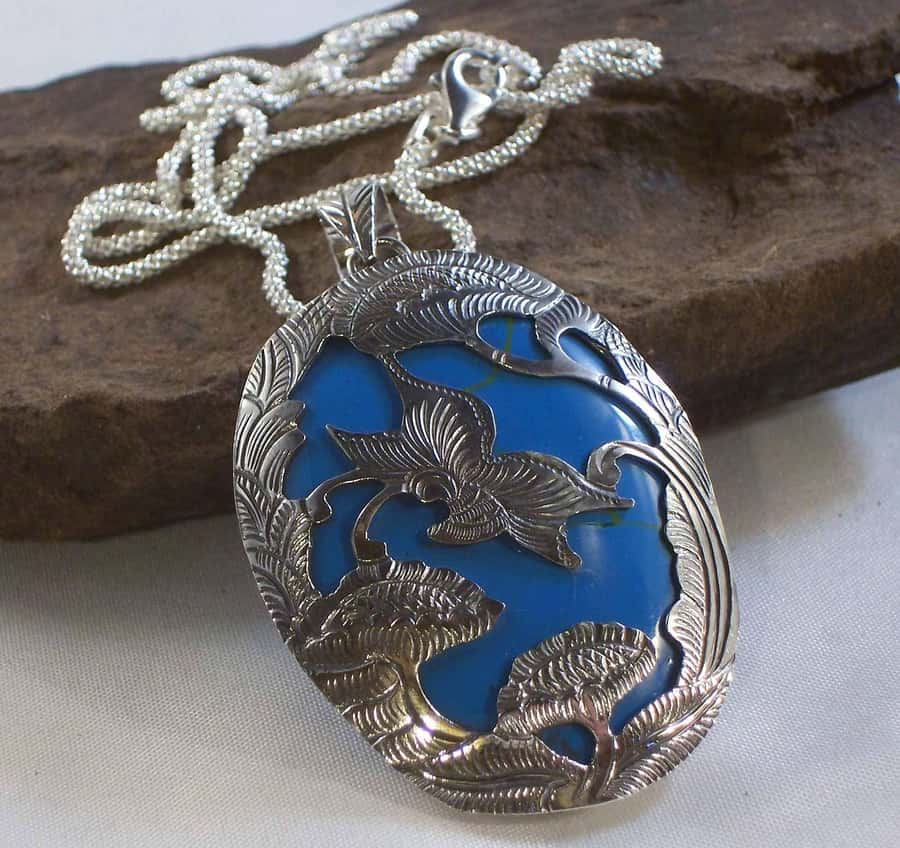
- Celuk workshop focus with guided time plus market browsing and photo stops
- Three separate craft stops with a mix of guided segments, free time, and buying options
- Handmade souvenir potential with a chance to request a special gift or custom purchase
- Private transport from five Bali pickup areas, with hotel drop-off at the end
- Kintamani breakfast break included, with the one catch of a possible entry ticket
A smooth 8-hour art route: how this tour actually works
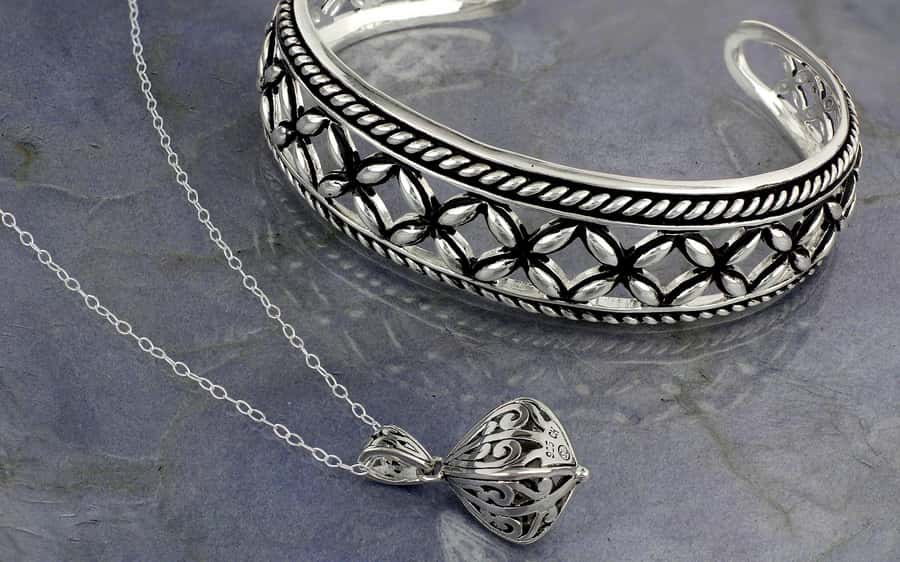
This is built as a day of stops, not a single-artist lecture. You start with pickup from one of five areas, then move through craft villages with a predictable rhythm: guided visit, breaks, photo moments, free time, market browsing, and at least one hands-on workshop session. The total time on the clock is 8 hours, which is just long enough to learn something and still feel like you did a real activity, not a full-day crawl.
I like that the transport is handled for you. You get a private car charter and an English-speaking driver, plus petrol and mineral water. That removes the biggest headache in Bali craft areas: figuring out timing, getting between villages, and keeping everyone on track when traffic and roads decide to be unpredictable.
Also, this is priced per group (up to 5 people). That’s important. If you come with friends or family, the cost tends to feel like a fair way to buy time, transport, and guidance, rather than paying per person for what is basically a group day out.
Celuk: the Bali silver craft stop with real workshop hours
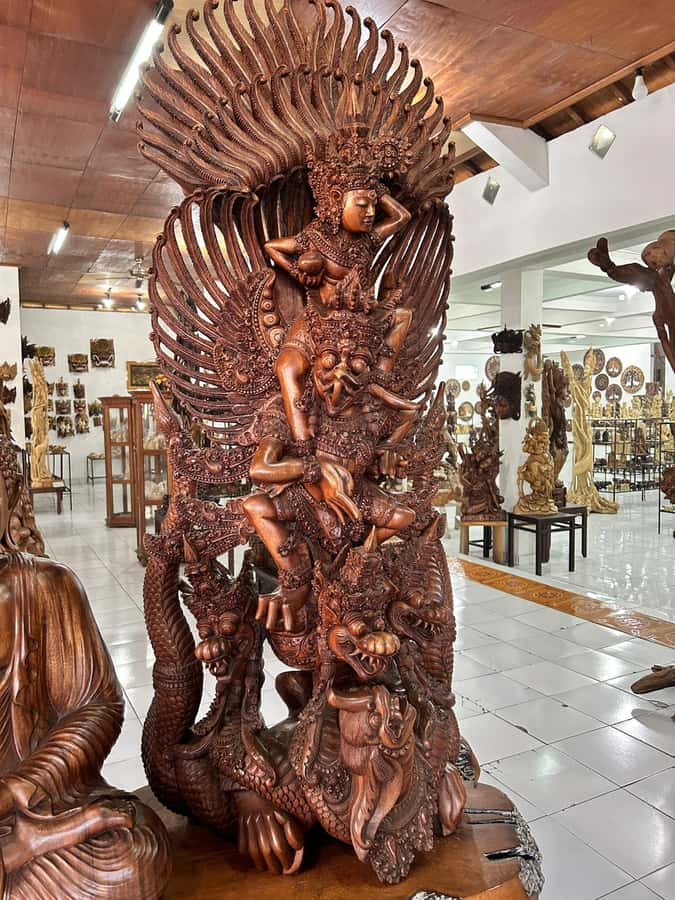
Celuk is the kind of place where the craft is the main event. It’s known for traditional silver making, especially in the village workshop culture where artisans have produced jewelry and decorative items for centuries. In other words, you’re not visiting a random shop street and calling it a tour.
Your day in Celuk includes a guided visit, time to take photos, breaks, and then a workshop session lasting about 2 hours. You’ll also get free time and a chance to shop around an arts & crafts market area. That combination matters. The guided parts help you understand what you’re looking at, and the workshop time helps you see why the pieces take skill and patience.
Practical advice: wear shoes you can stand in. Even if the workshop is comfortable, you’ll likely be on your feet through visits and market time. And since the tour asks you to bring cash, plan ahead. If you want a specific item, or you’re comparing sizes and finishes, it’s much easier with cash in hand than with lots of last-minute logistics.
Gianyar: market time plus a shorter workshop that keeps the momentum
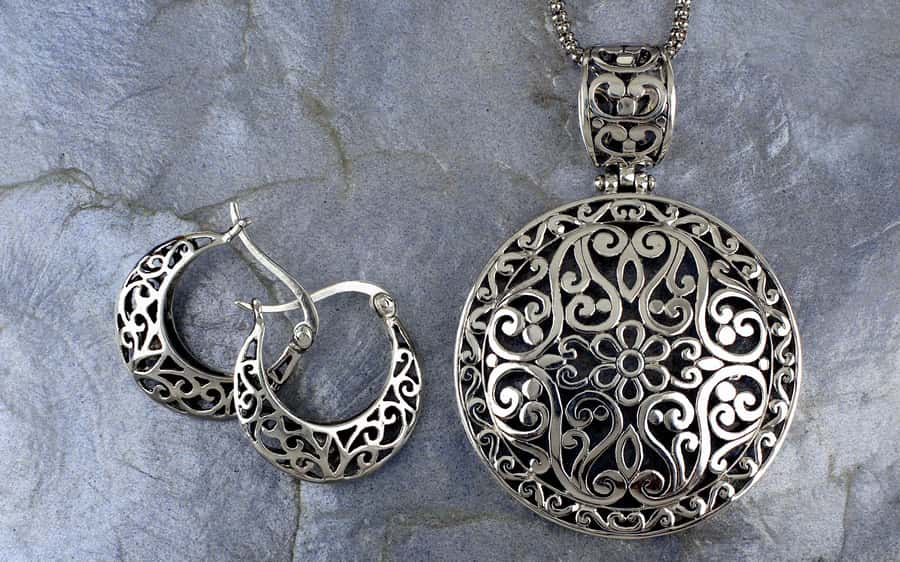
After Celuk, you move on to Gianyar for another round of craft village energy. This segment still keeps the same structure, just with a different balance. Expect guided touring plus free time, shopping at arts & crafts market areas, and a workshop session lasting about 1 hour.
I like this part of the itinerary because the workshop is shorter. By then, you’ve seen enough silver craft detail to start noticing differences in style and technique. When the second workshop is shorter, it feels like a focused second look rather than repetition. It can also help if you’re the type who gets tired of standing around after too many markets.
There’s also a smart planning angle here. Since you’ll have free time, you can use it to compare what you liked earlier. If Celuk showed you one style of craftsmanship, Gianyar gives you the chance to see another approach without forcing you to commit to buying immediately.
If you have a gift in mind, this is where you’ll want to speak up early. The tour experience notes that you can order by request for a special gift or a special own. In real terms, that means you should communicate what you want before you’re rushed. Ask what’s possible with the time you have, and be ready to make choices while you’re at the market area.
Mas Village (Ubud area): photo stops and workshop time for a third craft viewpoint
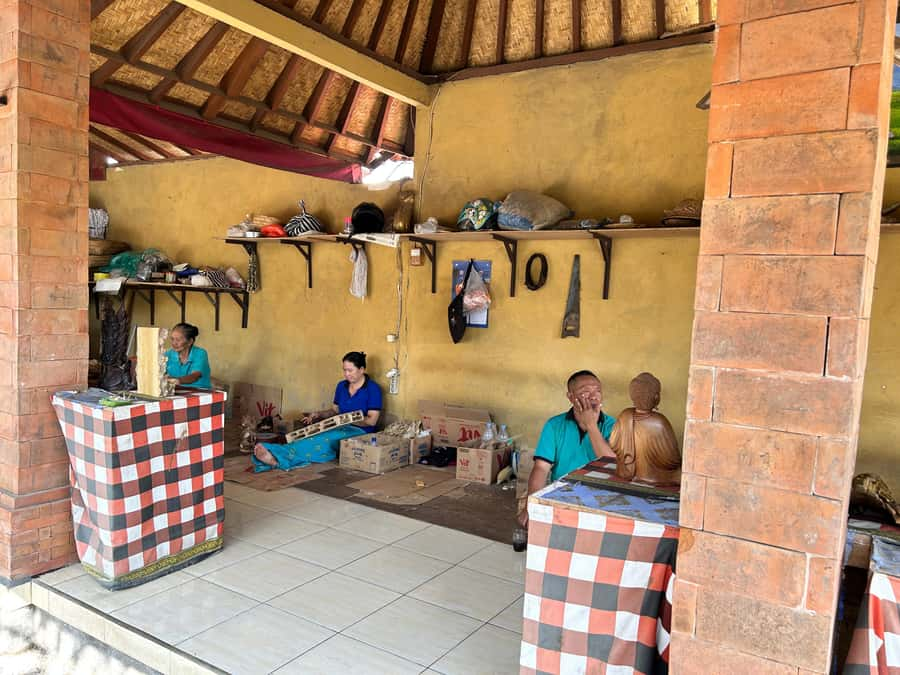
Next comes Mas Village in the Ubud area. Like the earlier stops, you’ll have break time, a photo stop, a guided visit, free time, and shopping at arts & crafts market locations. You also get another workshop session, lasting about 1.5 hours.
By the time you reach this third stop, you should be past the beginner stage where everything looks impressive but you’re not sure what you’re seeing. The day starts stacking comparisons in your head: what felt easy to understand, what took more attention, and what you’d actually wear, hang on a wall, or give as a gift.
This is also where the pacing is useful. Three stops with workshop time means you’re getting repetition in a good way. You’re not “only” touring. You’re also seeing how different craft areas approach materials, tools, and finishing.
Tip: use the photo stop for practical angles. Don’t just take scenic shots. Capture details like tool setups, patterns, and how artisans hold materials. Later, those photos make it easier to remember what you liked when you’re choosing a piece.
Kintamani breakfast: included comfort, with one ticket catch
You also get breakfast at any restaurant in Kintamani. That’s a nice built-in pause. It’s not just a meal break; it gives you a chance to reset your brain, especially after workshop focus and market browsing.
The one thing to watch: ticket to enter the Kintamani area is not included. So if you plan to continue beyond the breakfast area, or if the day includes entry requirements for the zone, you’ll need to budget for that on your side.
Why this matters for your day: the tour includes mineral water, but extra items like snacks, drinks beyond what’s provided, and any on-the-spot costs are still your responsibility. If you know you’re the type who likes a coffee or a second drink, keep a little extra cash aside for comfort.
Price and value: is $36 per group fair for what you get?
The headline price is $36 per group up to 5, and that’s where the value math gets interesting. For that price, you’re buying:
- hotel pickup and drop-off
- a private car charter
- an English-speaking driver
- petrol
- breakfast at a restaurant in Kintamani
- mineral water
So you’re not paying separately for transport or guidance in the same way you would on more fragmented tours. If you’re traveling solo, the private-group pricing still may feel fair compared with booking a driver for a full day plus separate entry and guidance.
Now the “read the fine print” side. Parking and toll fees are not included. Extra time charges can apply at IDR 75k per hour, and the Kintamani entry ticket isn’t included. Those costs won’t usually wreck your budget, but they’re worth having in mind so you don’t get surprised.
Also, there’s a standout shopping incentive listed: 25% off for every purchase. This can be a real money saver, but it only helps if you actually buy something. If you’re only taking photos and never planning to purchase, you might not feel that discount’s impact. I’d treat it as a bonus, not a reason to book.
Finally, this is a private group. That means the driver can move you through the day without waiting for strangers to gather, which makes it feel more efficient. That’s often where the best value shows up.
Pickup and timing: choose your start point smart
You get five pickup location options: Canggu, Ubud, Kuta, Seminyak, and Denpasar City. Drop-off is also flexible at the end, with stops back at Canggu, Seminyak, Denpasar City, Kuta, and Ubud.
This matters because travel time can change a lot depending on where you’re staying. Starting closer to the main craft areas can make the 8-hour schedule feel easier. Starting farther out doesn’t make the tour bad, but you might feel less “free time” in each stop because the clock is doing its thing.
What to wear and bring is simple and practical:
- comfortable shoes
- comfortable clothes
- cash
Also, bring a light layer if you’re sensitive to AC in the car or changing temperatures between stops. And since you’ll likely take lots of photos at photo stops and during market browsing, have your phone battery ready.
A small but important “don’t get stuck” note: pets are not allowed. And if you have mobility impairments or use a wheelchair, this tour isn’t suitable based on how the day is structured.
What you can request: special gifts without the last-minute scramble
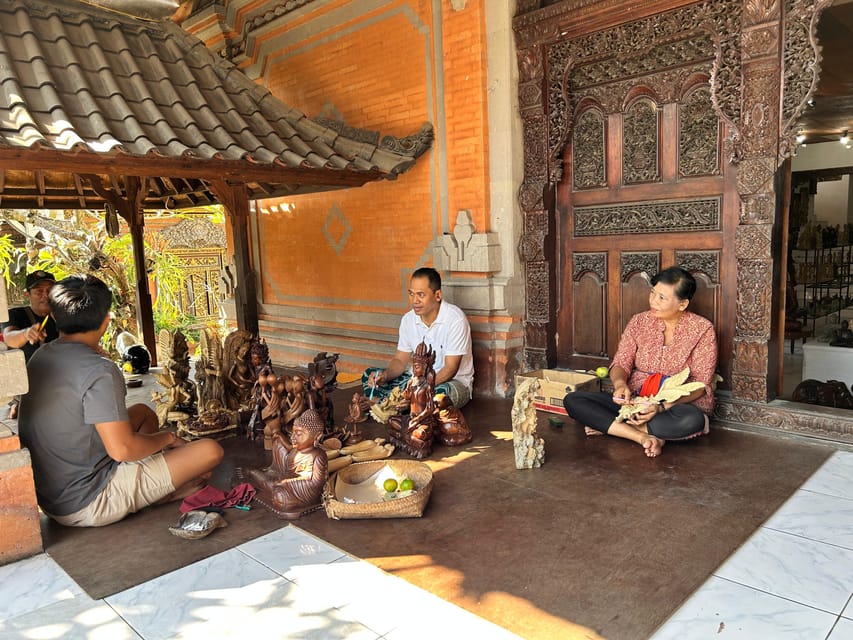
One of the more useful details in the experience is that you can request a special gift or a special own. In plain language, that means you’re not stuck with only what you see on the shelf at the exact moment you arrive. You can communicate what you’re after and see what can be arranged with the crafts on offer during your stops and workshops.
How to use this effectively:
- decide what type of item you want before you go (jewelry-style, decorative piece, etc., depending on what you see)
- ask questions during guided time, not only during free shopping
- keep cash ready so you can act quickly if you find the right match
Because the day is only 8 hours, waiting for a perfect moment can cost you. The best gift choices happen when you’re calm and comparing details, not when you’re rushing toward the end of the schedule.
Who this Bali art tour is best for
This tour works especially well if you fall into one (or more) of these groups:
- You’re in Bali for the first time and want a structured way to see craft villages without planning transport yourself.
- You like to watch artisans work and you actually want hands-on time in workshops.
- You want to buy gifts and prefer authenticity over random mass-market souvenirs.
- You’re traveling with up to four others and can split the group price.
It may not be your best match if you want a purely educational day with zero shopping time. This tour includes market visits and free time at multiple stops. It’s part of the experience, and you’ll be surrounded by purchase options.
Also, it’s designed for normal walking and standing. If you have mobility limitations or need wheelchair access, you’ll want to look for a different format.
Should you book this Balinese Art Tour?
If you want a practical, high-value day built around real craftsmanship, I’d book it. The combination of hotel pickup and drop-off, private transport, English-speaking driver, included breakfast, mineral water, and multiple workshop sessions makes the schedule feel “bought,” not improvised. And Celuk’s silver craft focus gives the day a clear anchor.
Book it with extra care if you’re strict about spending. There’s shopping and free time baked into every stop, plus purchases can happen quickly at markets. If you don’t plan to buy anything, you may feel like you’re paying for workshop time and transport only, without getting the best benefit from the listed 25% off for every purchase.
My rule of thumb: if you like making, watching, comparing details, and bringing home something you can point to and say I got this from the source, you’ll enjoy this day. If you only want scenery and zero shopping, you’ll probably prefer a different kind of tour.
FAQ
How long is the Bali Highlights of Balinese Art Tour?
The tour lasts 8 hours.
How much does the tour cost, and is it private?
It costs $36 per group up to 5 people, and it’s a private group.
Where can I get picked up, and where do I get dropped off?
Pickup options include Canggu, Ubud, Kuta, Seminyak, and Denpasar City. Drop-off locations include Canggu, Seminyak, Denpasar City, Kuta, and Ubud.
What’s included in the price?
Included are hotel pickup and drop-off, private car charter, an English-speaking driver, petrol, breakfast at any restaurant in Kintamani, and mineral water.
What is not included?
Not included are personal expenses, parking and toll fees, extra time charges (IDR 75k per hour), and a ticket to enter the Kintamani area.
Do I get workshop time or only market visits?
You get hands-on workshop time at multiple stops: about 2 hours in Celuk, 1 hour in Gianyar, and 1.5 hours in Mas Village.
Is the tour suitable for wheelchair users or people with mobility impairments?
No. It’s not suitable for people with mobility impairments or wheelchair users.