REVIEW · CHICAGO
Chicago: Offbeat Guided Street Art Tour
Book on GetYourGuide →Operated by Offbeat Street Art Tour · Bookable on GetYourGuide
Chicago’s walls tell stories. This 2-hour guided street art walk turns neighborhoods into a living gallery where you can actually see street art being made. You’ll spend your time in Wicker Park, Bucktown, and Logan Square, learning what inspired the pieces and why Chicago artists keep pushing visual boundaries.
I especially like two things: the way the guide connects each mural to its meaning and the history behind it, and the chance to watch artists create work right in front of you. One thing to keep in mind is that the tour runs like a walking history lesson, so if you want pure sightseeing with low talking, you might find it a bit too serious, and you’ll want to be ready for a steady pace.
In This Review
- Key highlights you should not miss
- Why Wicker Park and Logan Square work so well for street art
- Price and timing: is $40 a fair deal for two hours?
- Starting at The Goddess and Grocer: a fast orientation before you walk
- How the guide turns murals into meaning, not just decoration
- Watching artists paint: the real-time magic of a living gallery
- The neighborhoods: what to expect in Wicker Park, Bucktown, and Logan Square
- Wicker Park: the “look closer” start
- Bucktown: art as part of the everyday street scene
- Logan Square: seeing the city’s art conversation continue
- What to bring (and what to skip) for a smooth outing
- Pace, comfort, and who this tour is really for
- Should you book this Chicago street art tour?
- FAQ
- How long is the Chicago Offbeat Guided Street Art Tour?
- How much does the tour cost?
- Where do I meet the guide?
- Is The Goddess and Grocer near public transportation?
- What neighborhoods does the tour cover?
- What language is the tour guide?
- What should I bring?
- Are there any items I cannot bring?
- Is the tour suitable for people with mobility impairments?
- What is the cancellation policy?
Key highlights you should not miss
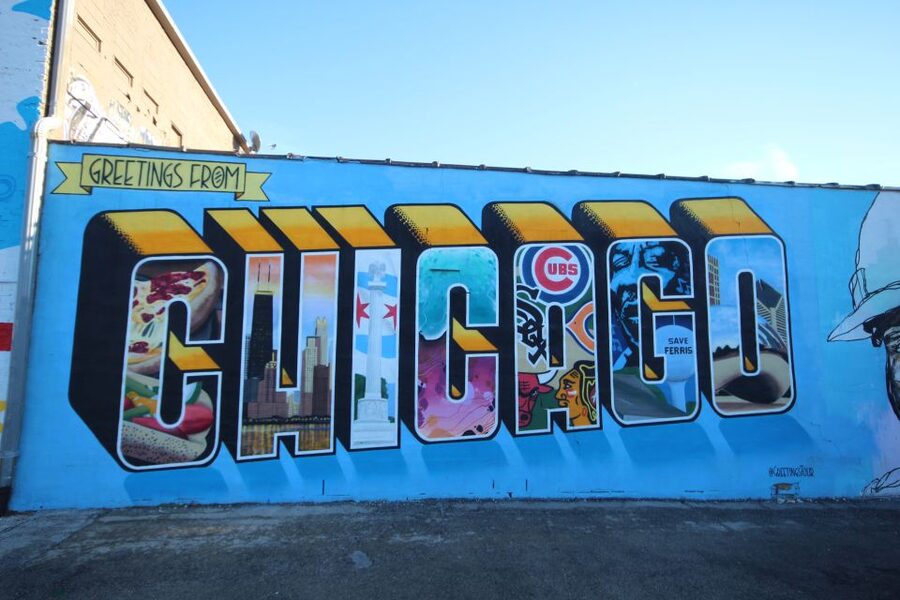
- Real-time street art: see artists create new work while you’re there
- Meaning behind the murals: history and inspiration get explained at each stop
- Neighborhood hopping on foot: Wicker Park, Bucktown, and Logan Square in one outing
- A changing city canvas: the street scene shifts every day
- Photo-friendly focus: you’ll get close enough to capture details, not just wide shots
Why Wicker Park and Logan Square work so well for street art
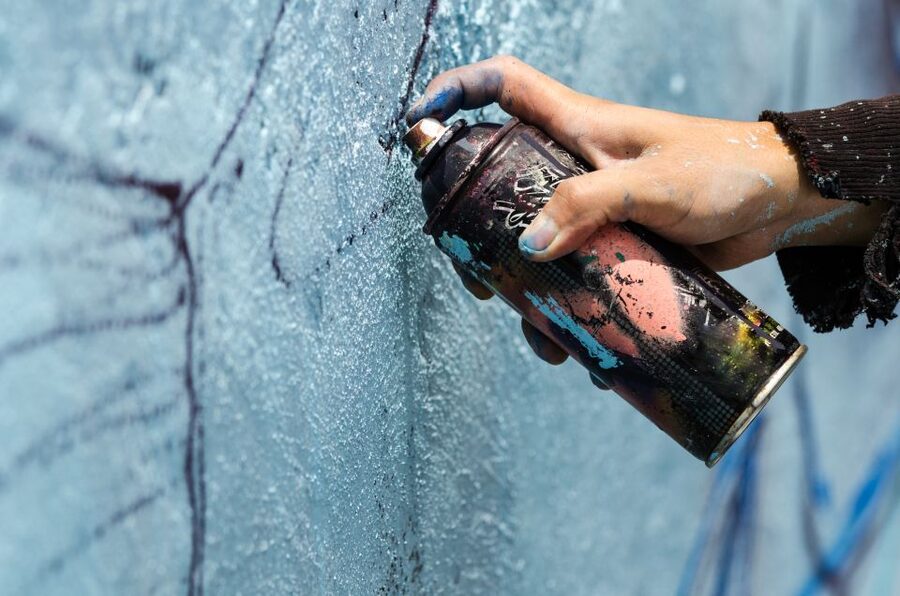
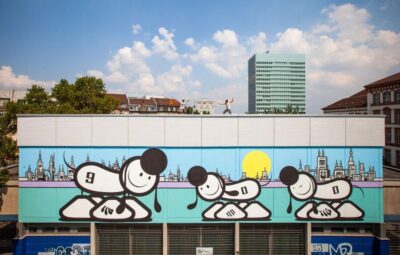
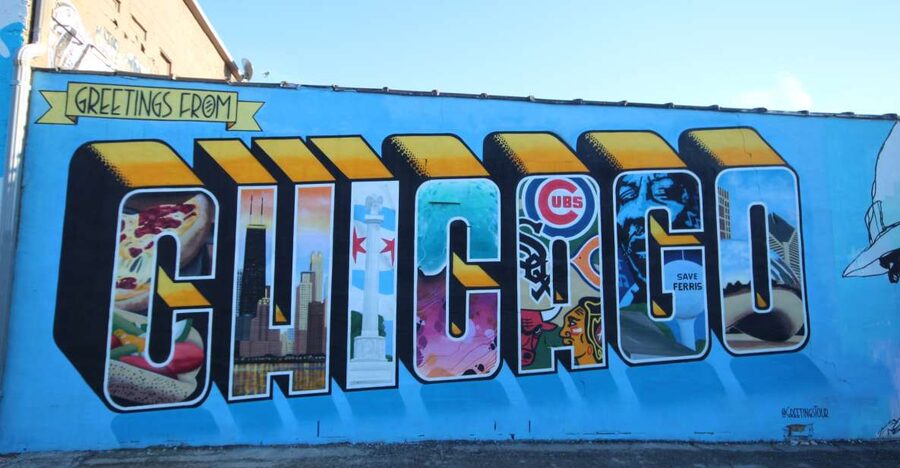
Chicago street art isn’t stuck behind glass. It’s right there on the outside of buildings, on the edges of daily life, and it changes as artists add new pieces or build on older styles. That’s exactly why this tour focuses on Wicker Park, Bucktown, and Logan Square: these areas are packed with public walls and the kind of street-level energy that makes the art feel current.
Wicker Park and Bucktown have that “look again” vibe. You’ll keep thinking you’ve already scanned the wall, then the guide points out what you might have walked past yesterday. Logan Square brings another flavor to the mix, and the contrast helps you understand that street art in Chicago isn’t one single look—it’s a conversation between neighborhoods, artists, and the city itself.
The big payoff is context. Street art can look loud or random until someone explains the ideas inside it. Here, the guide treats the city like a map of inspiration, so you start reading murals the way you’d read a poster on a subway platform—except these posters are made by artists and meant to last as long as the walls allow.
You can also read our reviews of more tours and experiences in Chicago.

Price and timing: is $40 a fair deal for two hours?
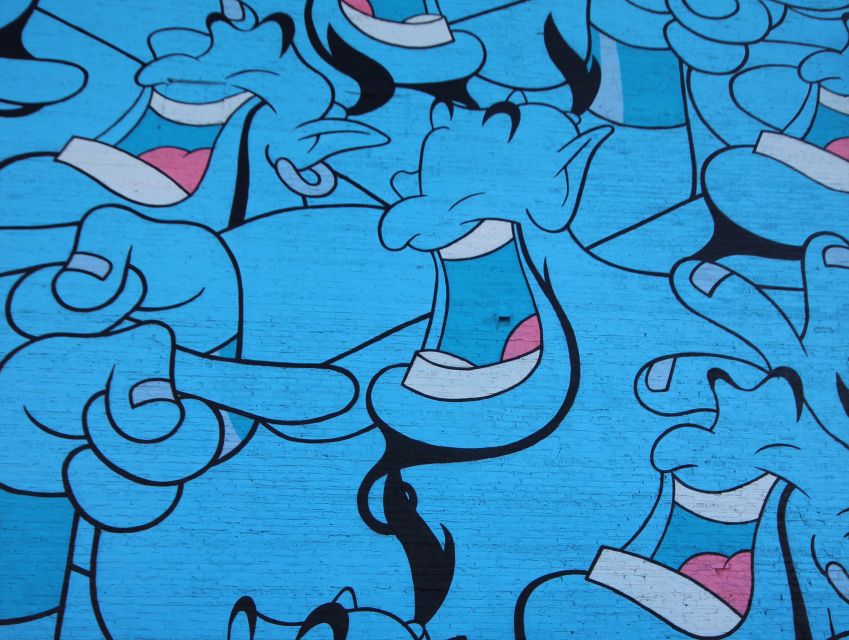
$40 for a 2-hour walking tour is not a bargain, but it’s also not out of line for a specialized Chicago experience. You’re paying for three things: a live guide, time spent on multiple neighborhoods, and the added value of interpretation (history plus inspiration for each piece). If you’re the kind of person who normally takes photos and then moves on, this tour is still worth it, because the explanation is what turns images into something you remember.
Two hours also hits a useful sweet spot. Long enough to see real variety across neighborhoods, short enough that you’re not stuck walking for half a day. And because the tour is designed around street art that’s literally changing, the timing matters—when you go, you’re not just visiting “yesterday’s murals.” You’re seeing a moment in the city’s ongoing art cycle.
If you’re traveling with limited time and you want something more focused than a general city walk, this price makes sense. The value is in getting guided attention to details you’d likely miss on your own.
Starting at The Goddess and Grocer: a fast orientation before you walk
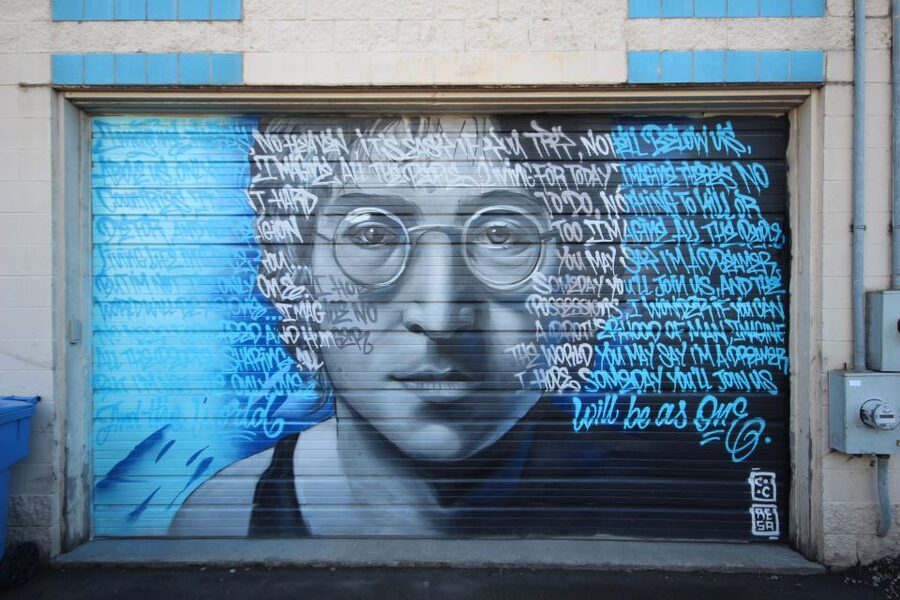
The meeting point is The Goddess and Grocer. If you’re taking public transportation, it’s about a block away from the Damen Blue Line stop. That’s a practical setup: you can get there easily, and you’re not spending the first half-hour guessing where to gather.
Arrive with comfortable shoes on and a camera ready. Before the walk really starts, the tour begins with orientation—an overview of street art and what you’re about to see. This matters because street art can be read on different levels. The best murals tend to reward attention, and the guide gives you a framework so you know what to look for as you move from wall to wall.
You’ll also want to think about timing. Chicago weather can flip quickly—hot, windy, or rainy—so wearing weather-appropriate clothing and carrying water helps you stay comfortable long enough to enjoy the full loop. The tour also includes guidance tailored for conditions like heat, which is a big deal when you’re walking from neighborhood to neighborhood.
How the guide turns murals into meaning, not just decoration
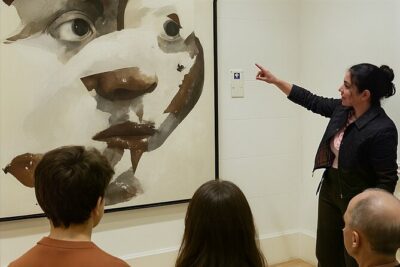
This is not a “point and take a photo” tour. The guide is there to explain the history and inspiration behind each piece, and that changes the whole experience. Instead of seeing street art as background texture, you start recognizing themes, references, and the artist’s intentions.
A strong street art guide also helps you understand the art’s relationship with place. These pieces are built into the city’s architecture, so you learn how location affects impact—how a work looks from the sidewalk, how it sits on a building wall, and why some pieces feel connected to the neighborhood around them.
The vibe can lean serious. That’s not a bad thing. When the explanation is thoughtful, the art becomes more than color on brick. Still, keep your expectations aligned: if you want light and playful humor above all, you might find the tone a bit formal. On the other hand, if you love to ask questions and get straight answers, this format is ideal.
Watching artists paint: the real-time magic of a living gallery
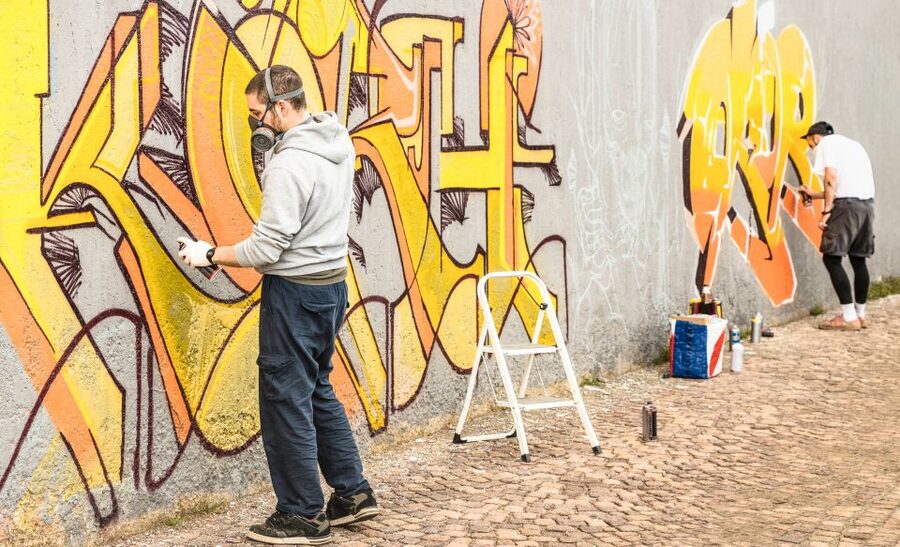
One of the tour’s standout draws is the chance to watch street artists create art right before your eyes. That’s a rare treat with city experiences. You’re not only viewing finished work—you’re witnessing the process: the energy, the decision-making, and the way the artwork takes shape in the exact spot where it will be seen.
This is also why street art tours feel different from museum visits. Museums preserve. Street art evolves. Here, you’re in the middle of that evolution. The tour is designed around the idea that Chicago is a living canvas that changes every day, so what you see is tied to the moment.
For your own enjoyment, slow down when you encounter active work. Don’t rush to the next mural while something is happening. Take a few minutes to look, then switch to photography if you want. And because this is public art, the artists are doing what they do in real conditions—so keep space, stay respectful, and let the moment stay focused for everyone around you.
The neighborhoods: what to expect in Wicker Park, Bucktown, and Logan Square

You’ll walk through Wicker Park, Bucktown, and Logan Square, and each area brings a different street-art rhythm. Here’s the kind of experience you can expect, and what to watch for as the guide leads you from one stop to the next.
Wicker Park: the “look closer” start
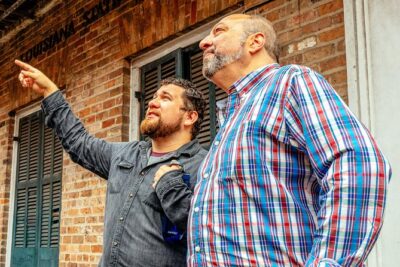
Wicker Park is where the tour usually feels the most immediately rewarding. The guide helps you notice art that you’d otherwise miss—work hidden behind buildings, tucked around corners, or simply not obvious at first glance. This start sets the tone: you’re learning how to see the city differently, not just where to stand for a good mural shot.
The history-and-inspiration style of explanation works especially well here. By the time you reach your first bigger piece, you’re already trained to connect the visuals to the artist’s intent. That means your “Oh wow” moments stick longer.
Bucktown: art as part of the everyday street scene
In Bucktown, the tour leans into the idea that street art lives inside normal walking life. You’ll be moving through streets where people shop, pass time, and head home, and the art becomes part of that daily background rather than a separate attraction.
This is a good section for photography because you’ll likely find more chances to step back and see how the mural fits into its surroundings. Also, the tour’s explanation helps you understand that the same artist style can feel different depending on the block, the angle, and the neighborhood context.
Logan Square: seeing the city’s art conversation continue
By the time you reach Logan Square, you’re not starting over—you’re building understanding. The guide keeps connecting pieces to their inspiration and to Chicago’s larger street-art scene, so the last neighborhood feels like the story continuing, not the tour restarting.
Logan Square is where you’ll probably start noticing patterns: recurring ideas, themes, and how artists respond to the streets they’re working on. Even if you’re not a street-art superfan, this section helps you see why these neighborhoods are repeat stages for public artists.
What to bring (and what to skip) for a smooth outing
Street art tours are best when you travel light but smart. Here’s what you should bring based on the tour requirements and the reality of walking outdoors:
Bring:
- Comfortable shoes
- A camera
- Water
- Weather-appropriate clothing
A camera is useful because the tour is about seeing details, not just big shapes. Water keeps you going when Chicago gets hot. And weather clothing isn’t optional—because you’re outside, you’ll want to be ready.
Not allowed:
- Weapons or sharp objects
- Alcohol and drugs
- Firework or explosive substances
These rules are simple, but they matter for keeping the experience focused on art and safety. Also, because it’s a walking tour, you should plan to move at a steady pace for the full duration.
Pace, comfort, and who this tour is really for
This tour is a good match if you want guided art viewing on foot and you like hearing the story behind what you see. It’s especially good for:
- First-time Chicago visitors who want an authentic slice of the city beyond postcards
- People who like street-level culture and public art
- Anyone who enjoys interpretation, not just photos
It’s not suitable for people with mobility impairments. That’s because it’s a walking tour across multiple neighborhoods. If walking long distances is hard for you, look for a different format.
There’s also a tone consideration. Some guides have been praised for being informative and answering questions, while other feedback points to a guide who was late and slower-paced with a more serious tone. In other words: bring patience, and remember this is built around explanation, not speed-run sightseeing.
Should you book this Chicago street art tour?
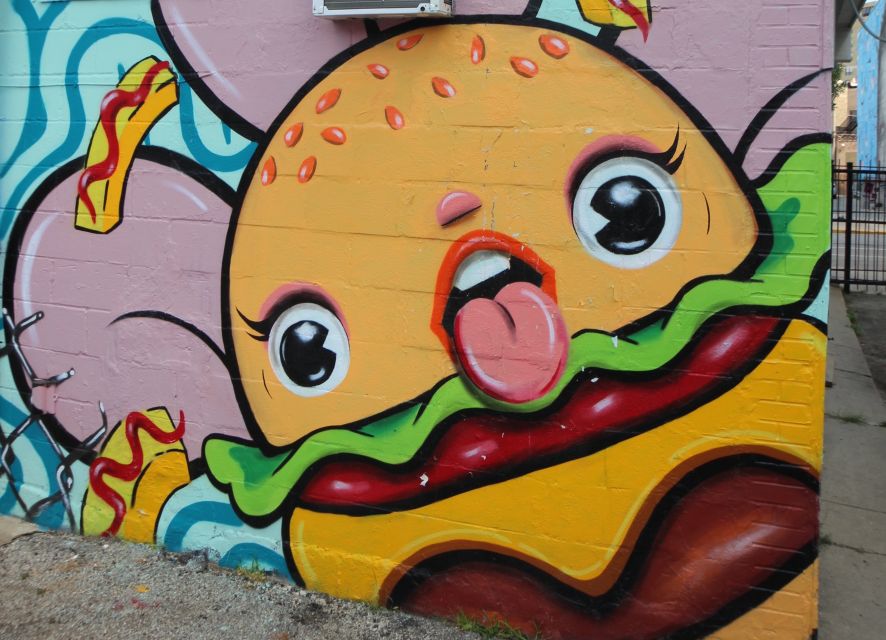
I’d book it if you want more than random street photos. The best reason to go is the combination of guided history plus the chance to see artists working. If you love learning why art looks the way it does—and you’re happy walking between neighborhoods—you’ll come away with a stronger sense of Chicago as a city that makes art part of everyday life.
Skip it if you want a relaxed stroll with minimal talking, or if your mobility needs mean a multi-neighborhood walking tour won’t work. Also, plan your expectations for outdoor walking in Chicago conditions. Bring water, wear the right shoes, and you’ll get the most from the experience.
If you’re deciding between doing this and doing a “general highlights” day, this tour is the more distinctive option. It trades breadth for depth, and for street art, depth is the whole point.
FAQ
How long is the Chicago Offbeat Guided Street Art Tour?
The tour lasts 2 hours.
How much does the tour cost?
It costs $40 per person.
Where do I meet the guide?
Meet your guide at The Goddess and Grocer.
Is The Goddess and Grocer near public transportation?
Yes. It is located about a block away from the Damen Blue Line Stop.
What neighborhoods does the tour cover?
The tour walks through Wicker Park, Bucktown, and Logan Square.
What language is the tour guide?
The tour guide provides the tour in English.
What should I bring?
You should bring comfortable shoes, a camera, water, and weather-appropriate clothing.
Are there any items I cannot bring?
Yes. Weapons or sharp objects, alcohol and drugs, and fireworks or explosive substances are not allowed.
Is the tour suitable for people with mobility impairments?
No, it is not suitable for people with mobility impairments.
What is the cancellation policy?
Free cancellation is available up to 24 hours in advance for a full refund.