REVIEW · TALLINN
Tallinn: PoCo Pop Art Museum Ticket
Book on GetYourGuide →Operated by PoCo - Pop And Contemporary Art Museum · Bookable on GetYourGuide
Pop art can feel like a joke until you notice the message. At PoCo in Tallinn, you get that mix of big-name artwork, sharp ideas, and a cool setting in Rotermann. I like how much top-tier pop art you can see in one stop, and I like the QR-code digital guide that keeps things moving without needing a formal group tour. One drawback: it’s not set up for visually impaired visitors, and one exhibition room isn’t wheelchair accessible.
PoCo’s permanent collection is built largely around curator Linnar Viik’s personal pop art holdings, so the museum has a clear point of view. The building itself sits in the Rotermann quarter, where old industrial bones and modern glass facades are fused together. Bring a phone (charged) and comfortable shoes, and you’ll be able to pace it your way.
In This Review
- Key points to know before you go
- PoCo Pop Art Museum: Why Rotermann makes sense for pop art
- What’s on the walls: Warhol to Kusama, plus a Tommy Cash angle
- How the QR-code digital guide works in real life
- Planning your 10-day ticket window (and how long to actually spend)
- House rules and what to bring: you’ll enjoy it more when you’re prepared
- Accessibility and comfort: know the limits before you arrive
- Price and value: is $21 really fair for a permanent pop art visit?
- Who PoCo fits best (and who should rethink it)
- Practical tips to make your visit smoother
- Should you book PoCo in Tallinn?
- FAQ
- How long is the PoCo Pop Art Museum ticket valid?
- Does the ticket include the digital guide?
- Do I need a guided tour to enjoy PoCo?
- Can I skip the ticket line?
- Is PoCo wheelchair accessible?
- Is flash photography allowed?
- Are food and drinks allowed inside?
- Are pets allowed?
- What should I bring for the visit?
Key points to know before you go
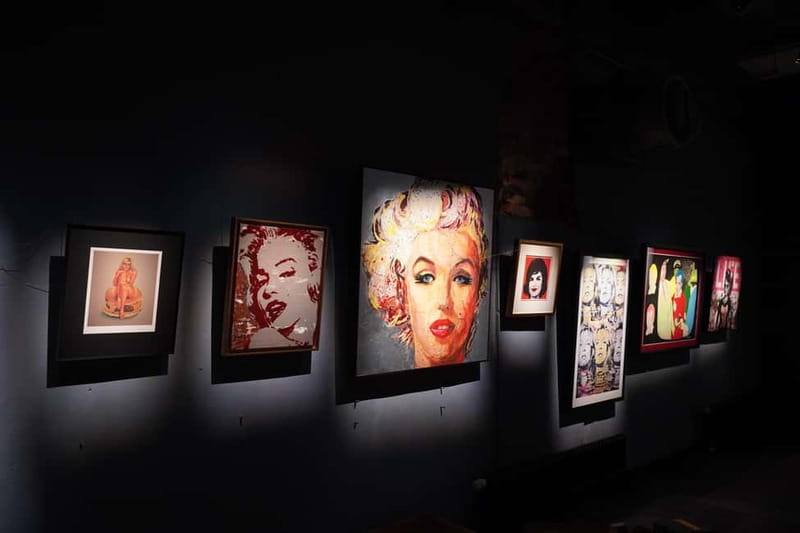
- Permanent collection with major pop art names (Warhol, Banksy, Koons, Lichtenstein, Haring, Hirst, Murakami, Wesselman, Kusama)
- PoCo’s focus is strong because it’s shaped by Linnar Viik’s personal pop art collection
- Self-guided digital experience via QR codes, with Wi‑Fi on site
- Rotermann quarter location makes the museum visit feel like part of an urban design story
- Worth it even if you only have one museum slot, since you’re not waiting for a guided group schedule
PoCo Pop Art Museum: Why Rotermann makes sense for pop art
Tallinn already has a good sense of contrast, and PoCo leans into that. The museum is in the Rotermann quarter, an area defined by a post-modern style where 19th-century industrial architecture meets modern glass facades. That matters more than you’d think. Pop art is about collision: high art vs. mass culture, serious ideas vs. fun surfaces, critique vs. advertising energy. The building’s look supports that theme before you even enter the first room.
I also like that PoCo doesn’t feel like a generic “museum box.” Rotermann has the kind of street-level flow that makes it easy to tack onto a day of walking, cafés, and sightseeing. You can treat PoCo as the “point” of your route, or as a satisfying detour when you want something different from the usual old-town sights.
What’s on the walls: Warhol to Kusama, plus a Tommy Cash angle
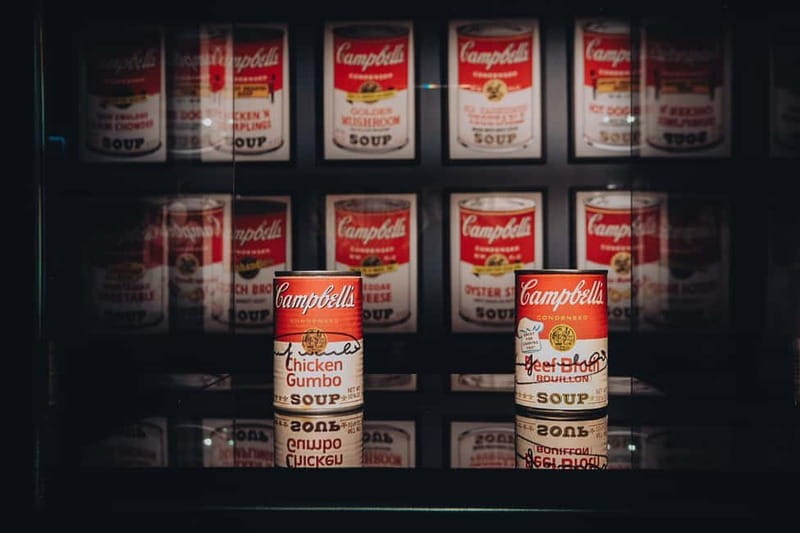
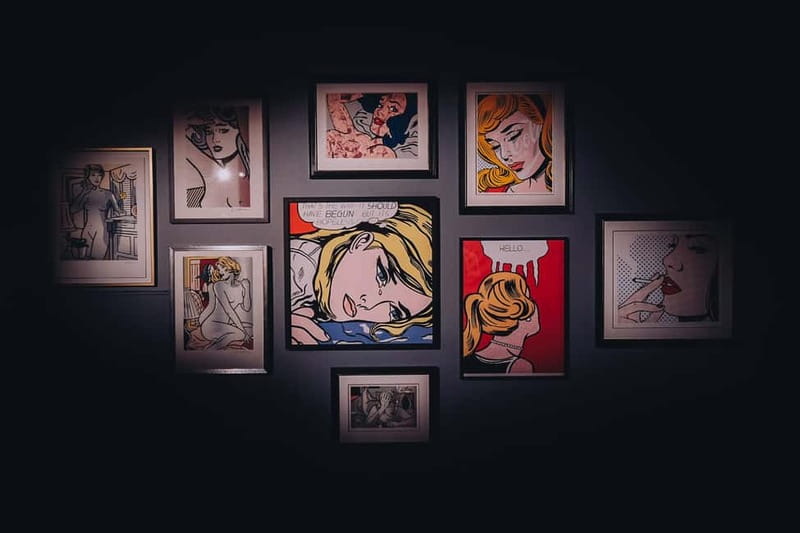
PoCo is all about pop art’s attitude. Expect bold, ironic imagery and works that mix socio-criticism with that slightly playful feeling pop art often has. That style can be read two ways: as surface-level entertainment, and as a deeper commentary on culture and power. PoCo tries to keep both readings alive, which is why the permanent exhibitions work well for a first-time pop art visitor and for someone who already knows the classics.
Here’s what you should plan to see, based on PoCo’s permanent exhibition focus:
- Major international names like Andy Warhol, Banksy, Jeff Koons, Roy Lichtenstein, Keith Haring, Damien Hirst, Takashi Murakami, Tom Wesselman, and Yayoi Kusama
- A mix of world and local pop art, so you’re not only watching history you already know
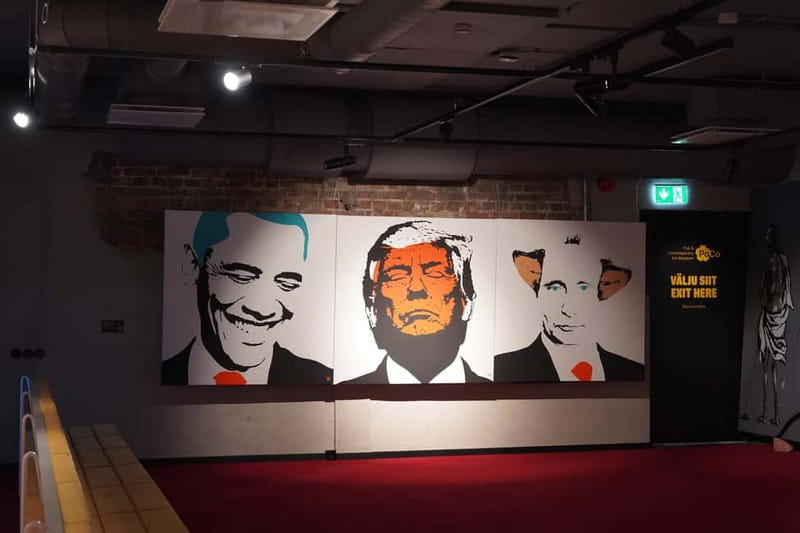
- A special pop culture thread people seem to remember, including a Tommy Cash exposition mentioned in visitor feedback
If you’re deciding whether pop art is your thing, this is where PoCo has an advantage: it’s not only collecting famous faces. The museum’s collection is largely tied to the personal taste of Linnar Viik, an IT visionary and one of the ideologists behind Estonia’s digital-state thinking. That gives the museum a personality. It tends to feel more like a curated point of view than a neutral storage room for famous names.
How the QR-code digital guide works in real life
PoCo is set up for a self-guided visit. Instead of a formal guided tour, you use a digital guide via QR codes on your phone. The museum includes this as part of your ticket, and it’s the kind of setup that rewards you for traveling with a little common sense.
Here’s the practical reality:
- Bring your phone and make sure it’s fully charged
- You’ll have Wi‑Fi available, but starting with a full battery is still smart
- The guide is on your schedule, not someone else’s
I like this model because pop art doesn’t need constant narration. You often want time to stand in front of a piece and decide what you think, then move on when you’re ready. The QR format is good for that rhythm.
One more note: PoCo doesn’t offer a guided tour included with the ticket. If you love lots of context delivered in a structured way, you might want to pair this visit with your own reading on the artists later. But if you like to “learn by looking,” the QR guide approach fits well.
Planning your 10-day ticket window (and how long to actually spend)
Your ticket is valid for 10 days, so you can pick a time slot based on availability rather than feeling locked into one strict schedule. That flexibility is genuinely useful in Tallinn, where weather can swing and plans change fast.
What you should decide in advance is simple: how much art time do you want?
- If you’re a pop art fan and like to linger, plan a longer visit so you can scan details and style differences between artists.
- If you’re checking it off as one cultural stop, you can still see a lot because it’s a permanent exhibition set up for independent viewing.
Since PoCo includes skip-the-ticket-line, you’re not losing time to delays once you arrive. That makes your visit less stressful, especially if you’re fitting PoCo between other Tallinn experiences.
House rules and what to bring: you’ll enjoy it more when you’re prepared
PoCo has clear rules, and they mostly help the visit run smoothly. Before you go, think about what kind of day you’re having.
Bring:
- Comfortable shoes (you’ll likely spend time walking and standing)
- Camera if you like documentation
- Water (you can’t bring in food, so staying hydrated helps)
- Hat and sunscreen, especially if your Tallinn day starts under sun
Leave at home or reconsider:
- Backpacks are not allowed
- Food and drinks are not allowed
- Flash photography is not allowed
- Pets are not allowed
- Smoking is not allowed
This is one of those museum experiences where being prepared keeps you from feeling stuck outside the door. A small bag or daypack you can manage without a backpack-style load will make your entrance faster and less annoying.
Accessibility and comfort: know the limits before you arrive
PoCo is listed as wheelchair accessible, and that’s a positive. Still, there’s an important limitation: one room of the exhibition is not accessible with a wheelchair. So if you’re planning around a specific area of the collection, you should be aware that you may need to adjust expectations on site.
Two other constraints are worth taking seriously:
- PoCo is not suitable for visually impaired people (this is explicitly noted)
- One exhibition room may not be usable for everyone using a wheelchair
If you’re traveling with mobility needs, I’d treat this as an accessibility “mostly yes, with one exception” experience. It can still be worth it, but you shouldn’t assume every room is fully reachable.
Price and value: is $21 really fair for a permanent pop art visit?
At $21 per person, PoCo lands in the category of museums that can feel either expensive or reasonable, depending on what you care about. Here’s why it tends to be good value for the right traveler:
You’re buying:
- Entrance to the PoCo pop art museum
- Access to the permanent exhibition
- The chance to see major international names tied to pop art
- A digital guide via QR codes, which lets you move at your own pace
You’re not paying for:
- Transportation
- A guided tour (the ticket is self-guided)
In other words, you’re paying for access and interpretation tools, not for a multi-hour group experience. For people who like independent pacing and don’t need a live lecturer, the price is easier to justify. For people who want a deep, spoken guided narrative, you may want to add an extra layer yourself, since the included experience doesn’t promise live guiding.
Who PoCo fits best (and who should rethink it)
PoCo makes the most sense if you’re one of these types of travelers:
- You like pop art classics and want to see big names in a compact visit
- You enjoy works that mix humor with social meaning
- You’re comfortable using your phone for guidance and don’t mind self-guided learning
It’s a weaker fit if:
- You need accommodations for visual impairment (it’s explicitly not suitable)
- You want a fully guided, explanation-heavy tour format
- You’re traveling with a backpack, since that isn’t allowed
If you’re the kind of traveler who likes the “see it, then think” approach, PoCo hits the sweet spot.
Practical tips to make your visit smoother
A few small choices can make the experience feel a lot better:
- Charge your phone fully before you arrive. The QR guide is the core of the experience.
- Wear comfortable shoes and keep your day bag simple, because backpacks aren’t allowed.
- Bring water and plan around the fact that food and drinks aren’t permitted inside.
- If you’re a photo person, remember flash isn’t allowed, so rely on normal camera settings.
Also, since the museum is in Rotermann, it’s easy to build your day around walking. I like using PoCo as a “modern Tallinn” anchor, then pairing it with other nearby sights so the museum doesn’t feel like an isolated detour.
Should you book PoCo in Tallinn?
Book PoCo if you want a strong pop art stop with major artist names, a museum layout you can explore at your pace, and an easy-to-use QR digital guide. The $21 price feels fair when you’re happy to learn independently and you value the permanent collection focus.
Skip it or reconsider if you need a fully accessible experience for every exhibition room, require support for visual impairment, or you strongly prefer guided explanations over self-guided discovery.
If pop art is even a little on your list, PoCo is one of the simplest ways to check that box in Tallinn without turning it into a logistical headache.
FAQ
How long is the PoCo Pop Art Museum ticket valid?
Your ticket is valid for 10 days, so you can choose a starting time based on availability.
Does the ticket include the digital guide?
Yes. Your entry includes access to a digital guide via QR codes, and you’ll need your phone.
Do I need a guided tour to enjoy PoCo?
No. This is set up as a self-guided museum visit using the QR-code guide. Guided tours are not included.
Can I skip the ticket line?
Yes. The ticket includes skip-the-ticket-line access.
Is PoCo wheelchair accessible?
PoCo is wheelchair accessible, but one room of the exhibition is not accessible with a wheelchair.
Is flash photography allowed?
No. Flash photography is not allowed.
Are food and drinks allowed inside?
No. Food and drinks are not allowed.
Are pets allowed?
No. Pets are not allowed.
What should I bring for the visit?
Bring comfortable shoes, and if you want to use the digital guide bring a phone with a full battery. Also useful: camera, hat, sunscreen, and water.