REVIEW · SARDINIA
The open air art gallery of San Sperate and Pinuccio Sciola’s Sounding Stones
Book on Viator →Operated by Arasolè - Day tours and experiences in Sardinia · Bookable on Viator
San Sperate can feel like a living art exhibition. This guided outing strings together street murals and Pinuccio Sciola’s Sounding Stones so you don’t just see the works—you understand why they matter. I especially like that the tour includes entrance to the Sound Garden, and I like having a guide help decode the village’s public art as you walk.
There is one catch to plan for: the experience needs good weather, and the outdoor nature of the sites means you’ll want to dress for wind or cool mornings in Sardinia.
In This Review
- Key highlights you should care about
- San Sperate feels like an outdoor art museum you can actually walk
- The “pietre sonore” idea: music from stone, explained in plain terms
- How the guided mural walk adds meaning (and saves you time)
- Timing and flow: a 9:30 start with time to actually see things
- Pinuccio Sciola’s Sound Garden: the sensory pay-off
- Small group, big difference: up to 6 travelers
- Price and value: what $84.11 buys you in the real world
- Who this tour is best for (and who should reconsider)
- Weather matters more than you think
- Travel tips that make this feel smoother
- Should you book this San Sperate + Sounding Stones tour?
- FAQ
- How long is the San Sperate and Sounding Stones experience?
- Where does the tour start?
- What time does it start?
- Is the experience available in English?
- How big is the group?
- What’s included in the ticket price?
- Do I get a mobile ticket?
- Is the experience dependent on weather?
- Are service animals allowed?
- Is the tour accessible for most travelers?
Key highlights you should care about
- Small group (max 6), so you can ask questions instead of shouting over strangers
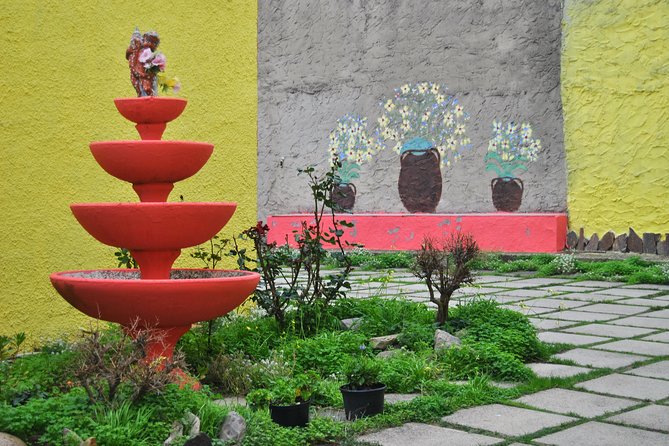
- Guided interpretation of San Sperate’s murals and installations, not just a self-guided stroll
- Sound Garden entry included, with time to hear the sounding stones
- English offered and guided explanations geared for real understanding
- Tour runs about 3 to 4 hours, with a 9:30am start from Cagliari
- Good-weather dependent, so build in flexibility
San Sperate feels like an outdoor art museum you can actually walk
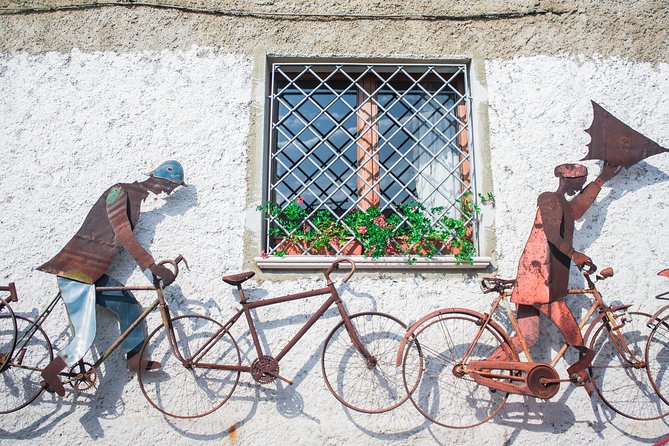
San Sperate is the kind of place where art isn’t tucked behind museum doors. It’s out in the open—in the streets, on walls, and in community spaces—so the whole village becomes your gallery.
What I liked most is how the guide keeps the walk moving with purpose. You’re not just passing by pretty images; you’re learning the significance behind what you see. That makes the murals feel less random and more like a shared language.
And because you’re going with others in a small group, you get breathing room to pause, look closer, and ask the obvious questions. When art is this public, that matters.
The “pietre sonore” idea: music from stone, explained in plain terms
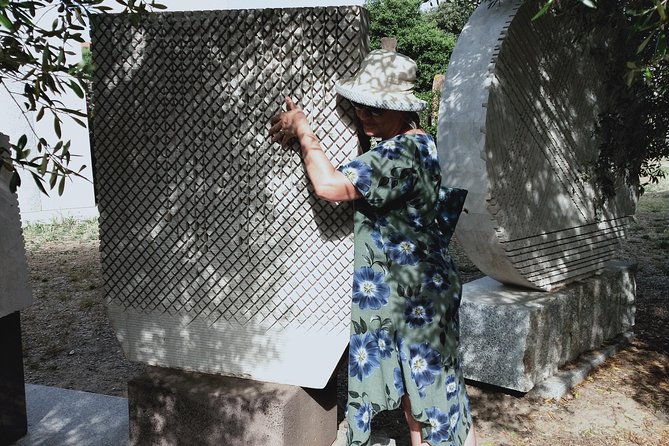
Pinuccio Sciola’s Sounding Stones are the heart of the experience. The concept is simple and strangely satisfying: you discover how stones can produce sound. Sciola called them pietre sonore, and the collection at the Museo All’aperto is your jump-start.
At this open-air museum space, you’ll spend about 45 minutes admiring his sculpture collection and learning how the stones work as sounding instruments. Basalt and limestone are part of the story here, and the guide’s job is to translate the science and the artistry into something you can grasp quickly.
What makes this section worth your time is the way sound changes your attention. You stop looking only with your eyes and start listening with intention. Even if you’re not an audio person, the stones give you a reason to slow down.
How the guided mural walk adds meaning (and saves you time)
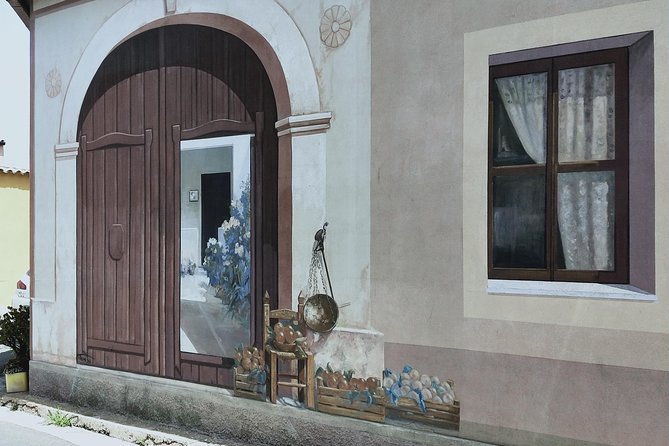
San Sperate’s murals are scattered through the village, which is charming—until you’re trying to figure out what you’re looking at. Going without help is like reading a sign in a language you half know: you catch fragments, but the bigger message stays hidden.
With a guide, the walk becomes more structured. You get context for the artwork and for the way the community preserves these installations. The result is that you can connect the images to place instead of treating them like disconnected wall décor.
Guides such as Valentina and Raffaela come up often in the experience’s feedback for a reason: they’re praised for clear explanations in English and for keeping the visit friendly rather than heavy. If you want art that feels approachable, this is a good fit.
Timing and flow: a 9:30 start with time to actually see things
The tour starts at 9:30am at Largo Carlo Felice, 76, 09123 Cagliari. It ends back at the same meeting point, so you’re not stuck figuring out returns on your own.
The full duration is about 3 to 4 hours. That’s a comfortable length for a village walk plus the Sound Garden stop. You’re not rushed like you might be on a fast “grab-and-go” excursion, but you also won’t feel like you’re sitting around waiting for the next checkbox.
One practical note: because a lot of the tour is outdoors, your comfort depends on the day. If mornings are cool when you’re there, bring a layer. And if it’s windy, expect the village paths to feel longer than they look.
Pinuccio Sciola’s Sound Garden: the sensory pay-off
After the village murals portion, you’ll head to the Sound Garden of Pinuccio Sciola. This is where the experience turns from visual art into a sensory one.
The included entrance ticket matters because it signals that this isn’t treated as a quick stop. You’re there long enough to notice how the stones behave and how the setup creates a sound-focused experience.
Think of it like this: the murals teach you how to read the village. The Sound Garden teaches you how to read sound. If you’ve ever wondered how art can be both technical and poetic, this is a strong answer.
The Sound Garden experience is often described as magical, but don’t take that as fluffy marketing. The practical reason it lands is that you’re guided to the moment of listening. Someone points you toward what to pay attention to, and then you get to do the fun part—hearing stone do its thing.
Small group, big difference: up to 6 travelers
A maximum group size of 6 changes the feel of the day. You don’t have to compete for the guide’s attention. You can ask follow-up questions when something doesn’t click yet, and you can actually hear the explanations without strain.
This matters even more for English-language interpretation, because public art gets nuanced. Sarcastic humor doesn’t translate well. Clear language does.
If you prefer tours where you can have a real conversation while still seeing the key highlights, the small group setup is one of the best value choices you’ll make in Sardinia.
Price and value: what $84.11 buys you in the real world
At $84.11 per person, this isn’t a budget ticket. But it’s also not “pay extra for nothing.”
Here’s what you’re getting for the money, in practical terms:
- A guided experience with interpretation of San Sperate’s open-air mural art
- Admission included for Pinuccio Sciola’s Sound Garden
- A small group size that makes the guide’s time more useful
- A set schedule that means less planning stress in a place where the art is spread out
If you tried to DIY this, you’d still need a plan to navigate the village and you’d likely want someone to explain what you’re seeing. This tour packages that thinking for you. That’s where the value shows up.
Also, it’s a popular choice—on average it’s booked about 37 days in advance—so reserving ahead can help you lock in your preferred day.
Who this tour is best for (and who should reconsider)
This works especially well if you:
- Want art with context, not just a list of sights
- Like walking at a relaxed pace through a real town
- Enjoy hands-on sensory moments like the Sounding Stones
- Prefer small-group tours where questions are welcome
It can also be a good option for families with children, mainly because the experience includes the playful factor of stone making sound. That said, everyone’s pace differs, so if your kids need very frequent breaks, plan around that.
You might reconsider if you:
- Hate outdoor walking or have limited flexibility on your day
- Are extremely sensitive to sound-based experiences (the Sound Garden is the point of the whole stop)
Weather matters more than you think
This experience requires good weather. That’s not just a legal sentence—it reflects the fact that you’re spending time outdoors in a village setting and in open-air art spaces.
If your trip timing is tight, you’ll want to keep an eye on forecasts for the day you book. The good news is that the operator may offer a different date or a full refund if poor weather cancels the outing, which reduces the risk of losing your money to a rainy Sardinian day.
Travel tips that make this feel smoother
Here are a few smart moves to get the most from the day:
- Wear comfortable shoes. San Sperate is walkable, but you’ll be on village streets for a few hours.
- Dress in layers. Morning starts can feel cooler than you expect, especially when you’re waiting and then walking.
- Bring your curiosity. When the guide starts explaining a mural’s meaning, lean in. That’s when the experience clicks.
- Expect to pause. The art benefits from slow looking, and the small group size gives you permission to do that.
If you’re the type who likes to understand what you see instead of just snapping photos, this will feel like a better day than you planned.
Should you book this San Sperate + Sounding Stones tour?
If you’re in Sardinia and you want something more interesting than a standard bus ride, I’d book it. The combination of guided mural interpretation plus the included Sound Garden entry gives you both meaning and a memorable sensory payoff. The small group size is a real quality upgrade, not a minor perk.
Skip it only if you strongly dislike outdoor walking or you don’t want guided explanations. The tour’s value comes from being talked through what you’re seeing and hearing.
If you like art that lives in everyday spaces—and you’re curious about the idea of music coming from a stone—this is a very satisfying way to spend a half day.
FAQ
How long is the San Sperate and Sounding Stones experience?
It lasts about 3 to 4 hours.
Where does the tour start?
The tour starts at Largo Carlo Felice, 76, 09123 Cagliari CA, Italy.
What time does it start?
The start time is 9:30am.
Is the experience available in English?
Yes, the tour is offered in English.
How big is the group?
The tour has a maximum of 6 travelers.
What’s included in the ticket price?
Entrance tickets to Pinuccio Sciola’s Sound Garden are included.
Do I get a mobile ticket?
Yes, the ticket is mobile.
Is the experience dependent on weather?
Yes, it requires good weather. If it’s canceled due to poor weather, you’ll be offered a different date or a full refund.
Are service animals allowed?
Yes, service animals are allowed.
Is the tour accessible for most travelers?
Most travelers can participate. The tour is also near public transportation.