REVIEW · BORDEAUX
Bordeaux: Street Art Guided Tour
Book on GetYourGuide →Operated by My Urban Experience · Bookable on GetYourGuide
Street art, timed to Bordeaux’s wine past. The Chartrons tour lets you connect murals to the port life that built this neighborhood, walking from the Garonne quays toward old storehouses and back streets. Along the way, you’ll hear how the district’s 17th-century growth shaped the walls you’re seeing today.
I especially love the way the guide ties the art to real places. You’re not just spotting names; you’re learning why artists like Clet and A-MO ended up here and what the neighborhood’s history has to do with the images.
One drawback to keep in mind: the tour is French-speaking, and on a rare day it can be stressful if communication is poor. In hot weather, plan for a solid walk and bring what you need so 90 minutes stays pleasant.
In This Review
- Key takeaways before you go
- Why the Chartrons makes street art make sense
- The 1.5-hour walk: what to expect in real time
- From the Garonne quays to Rue Notre Dame: the route that builds a story
- The artists you’ll spot: Clet, A-MO, Mr Poulet, and Alber
- How a French guide makes it easy for families and first-timers
- Price check: does $18 feel like value?
- When this tour might not match your day
- My booking advice: should you do the Bordeaux street art guided tour?
- FAQ
- Where do I meet for the Bordeaux street art guided tour?
- How long is the tour?
- What language is the guided tour in?
- Is the tour wheelchair accessible?
- What should I bring?
- Can I cancel, and how far in advance?
Key takeaways before you go
- Garonne-to-Chartrons route: you start by the water and move into the heart of the old wine district
- Street art with context: you’ll learn the stories behind artists and the surfaces they chose
- Artists you’ll recognize: Clet, A-MO, Mr Poulet, and Alber show up during the walk
- Good use of 1.5 hours: a focused route that’s long enough to matter, not so long you fade
- Family-friendly pacing in French: an easygoing way to learn without feeling like a lecture
- Wheelchair accessible: the tour is designed to be reachable for people who use wheelchairs
Why the Chartrons makes street art make sense
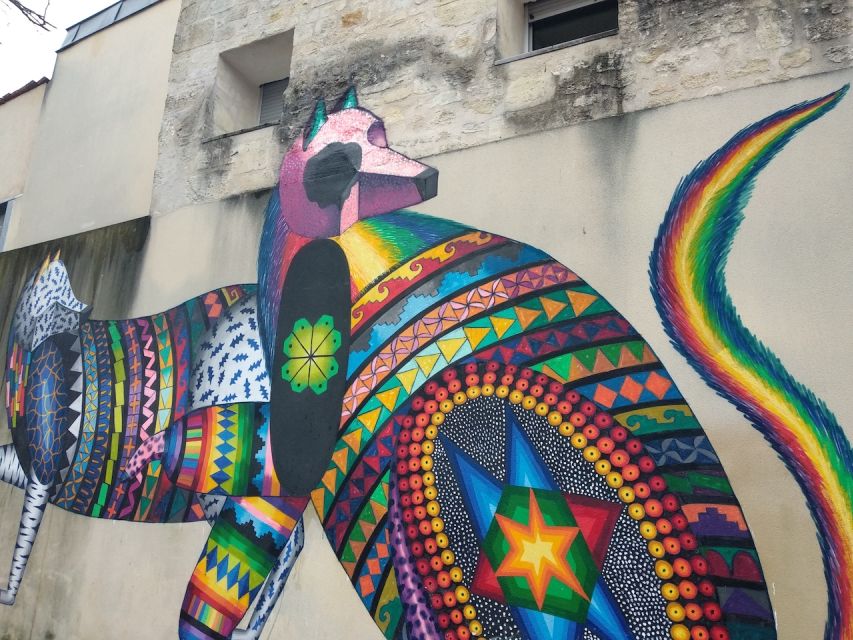
Bordeaux has plenty of pretty old streets, but the Chartrons area does something smarter: it gives street art a believable setting. This was once the former wine-trading quarter, built around the port and the quays along the Garonne. The neighborhood started developing north of the city center in the 17th century, and it grew wealthy over time. When a district is shaped by trade, traffic, and lots of visitors, it also becomes a natural canvas.
That’s the core idea of this tour. You walk through an area where the walls don’t feel random. Instead, the guide helps you notice how the district’s identity connects to what artists put on it. Old wine storehouses show up along the route, and that matters because street art often thrives where people once moved goods, not just where people once moved tourists.
I like that the tour doesn’t treat street art like decoration. It treats it like culture—something that reacts to a place. You’ll get a sense of how the Chartrons’ charm and layered past made it an appealing target for street artists looking for recognizable surfaces and a public audience.
If you’ve ever felt like street art tours are either too artsy or too vague, this one is built to be practical. You’ll leave knowing what you saw and why it landed there.
The 1.5-hour walk: what to expect in real time
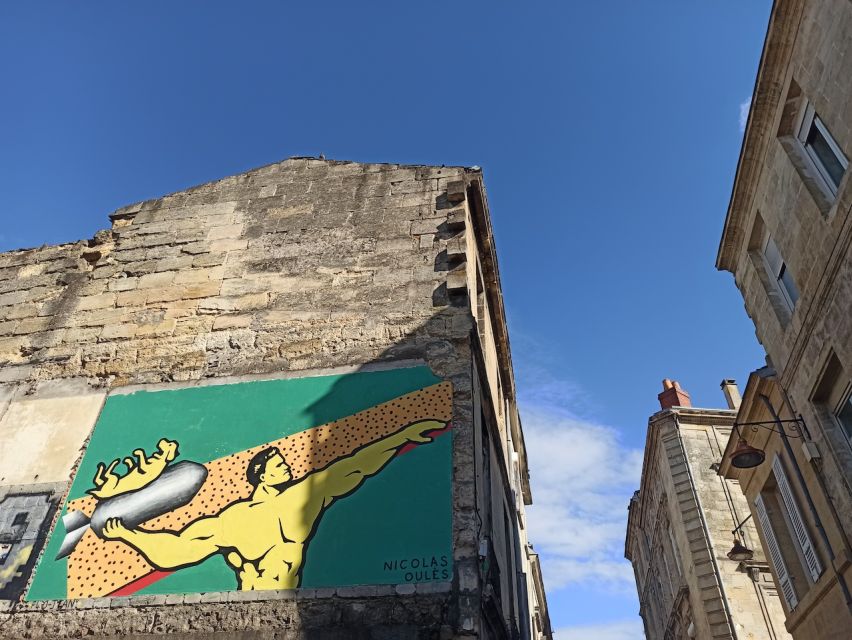
This is a 1.5-hour walking tour, which is a sweet spot in Bordeaux. Long enough to see a cluster of murals, short enough that you won’t spend your day dragging yourself between viewpoints.
You meet at the Tram B stop Les Chartrons. That’s handy because it’s simple to find by public transit, and you’re starting right at the neighborhood edge where the walk naturally pulls you forward.
Bring comfortable shoes. Even if the route is manageable, you’ll still be on your feet the whole time. A camera helps too, since you’ll likely want to snap the artists’ work as you identify them.
The tour is family friendly, and you can feel that in the pacing and tone. It’s not written like an academic course, and it doesn’t require you to already know street art jargon. The guide is there to translate the meaning into something you can follow—even if you’re learning the basics of street art culture as you go.
Also, keep a light layer or a small umbrella in your plans. One of the nicest surprises from people who did this tour is that it can still work when the weather turns, so you’re not forced to wait for perfect conditions.
From the Garonne quays to Rue Notre Dame: the route that builds a story
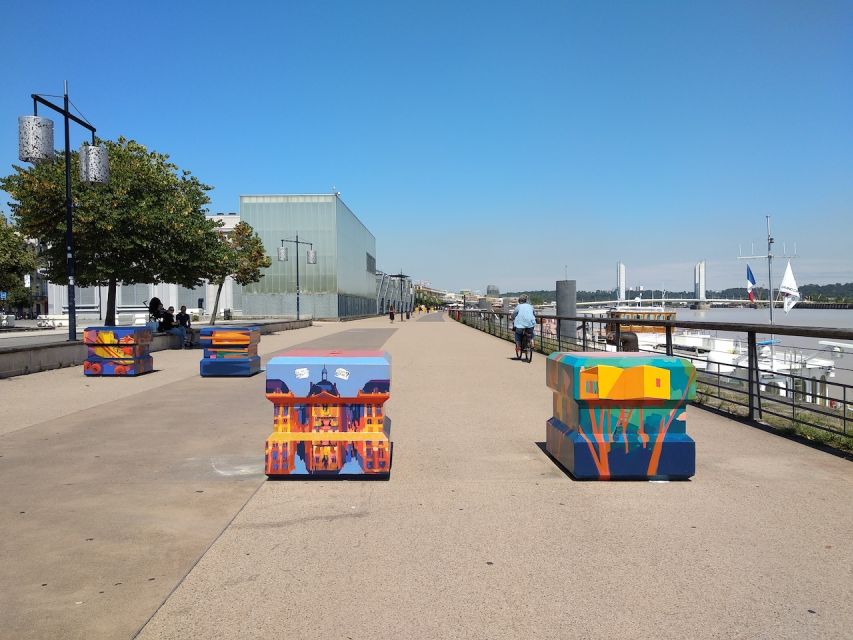
The walk starts with the Garonne riverside and moves from the quays straight toward the Chartrons. That transition is more than scenic. It’s the tour’s storytelling engine.
Early on, you get situated in the port-world logic of the neighborhood. Then you start moving toward the “inside” areas—streets and corners where you begin to notice the street art surfaces more clearly. As you go, the guide connects dots between the water, the old commerce, and the kinds of walls artists target.
A key stop on the way is the area around Rue Notre Dame, where you’ll see the antique dealers. Even if you’re not shopping, this section helps you understand the Chartrons rhythm: trade in the past, browsing in the present, and street art placed right into the mix.
You’ll also pass old wine storehouses along the route. That’s one of the best parts of the tour because those buildings help you picture why the district drew so many eyes. If you’re standing by a former storage space that once fed the wine trade, it’s easier to see why it also became a place artists could claim attention.
The tour’s structure is simple: walk, look, listen, repeat. Each new street gives you another chance to connect what’s on the wall to the neighborhood around it.
The artists you’ll spot: Clet, A-MO, Mr Poulet, and Alber
The Chartrons street art scene comes with recognizable names, and this tour is built around letting you meet them in their real settings.
You’ll learn about artists including Clet, A-MO, Mr Poulet, and Alber. The value here isn’t only memorizing names. It’s learning how their styles fit the neighborhood and how artists use the city as their stage.
The guide’s job is to help you notice patterns while you’re walking—how the artwork relates to nearby architecture, how it plays against the texture of older buildings, and how it reads differently depending on where you’re standing. That’s why a guided walk works better than wandering alone with a map. You’ll keep learning what to look for, instead of just guessing.
I also like that the tour doesn’t pretend every wall has one universal meaning. Street art often changes depending on perspective. With the guide in your ear, you get the background, but you still do the real reading with your own eyes.
If you’re a street art fan, you’ll appreciate hearing context for big names. If you’re new to this scene, you’ll leave with an easy starter set of references and a better sense of how artists choose where to paint.
How a French guide makes it easy for families and first-timers
The tour is live and French-speaking. That’s a big part of the experience. The guide uses history and anecdotes to keep the art from floating in midair.
One review highlight I paid attention to: the quality of the guide doing the animation, with stories that make each part feel alive. That matches what you’ll want on a walking tour. You’re already moving through streets that look good on their own. The guide is what turns it into a coherent experience where you understand what’s happening.
For families, this kind of guided storytelling is usually a win because you’re not dealing with museum formality. You’re learning outdoors, at a human pace. The tour stays approachable and focused on helping you understand the city, not just identify murals.
Practical language note: if your French is basic, you can still follow the gist, especially if you’re paying attention to the visuals. But since everything is in French, you’ll get the best value if you’re comfortable with conversational explanations—or you don’t mind catching the main ideas.
Price check: does $18 feel like value?
At $18 per person for 1.5 hours, this sits in the “simple and worth it” category. You’re not paying for an attraction ticket or an entry fee. You’re paying for a guide and for someone to point out what your eyes might miss at street level.
Here’s why that matters in the Chartrons. The district is attractive, but it’s also easy to wander aimlessly. Without context, you might take photos and still feel like you didn’t really understand what you saw. With a guide, you’re getting background on why the neighborhood developed, why street artists took over surfaces, and what the major artist names mean in this specific setting.
Also, this tour is not trying to be an all-day plan. It fits into a day of Bordeaux exploring, and that keeps your money focused. If you’re doing several shorter experiences, this one is a smart pairing because it gives variety: port history plus contemporary street art, side by side.
If the idea of a French-speaking walking tour sounds like your thing, $18 feels reasonable for what you get: a planned route, a guide, and a clear theme.
When this tour might not match your day
Most people will enjoy this format. Still, it’s worth being honest about the limits based on the experience data you provided.
First: French-only. If you need English narration to fully follow, you’ll likely feel short-changed. You could still enjoy the visuals, but the learning component will be reduced.
Second: you’re outdoors and walking. In hot weather, waiting can feel rough if anything goes wrong. One written account described a guide not arriving and the group waiting nearly 40 minutes in heat, with no message ahead or after. That’s not something you can fully control, but it’s a good reminder to arrive on time and have a way to contact the organizer listed for your booking (if provided in your confirmation email).
Finally: the tour is built for 90 minutes. If you prefer slower, longer explorations where you can stop for coffee or linger at each wall, this may feel a bit brisk. The good news is that the Chartrons is the kind of neighborhood where you can keep exploring after the tour on your own.
My booking advice: should you do the Bordeaux street art guided tour?
Yes—if you want an easy, story-driven way to see Bordeaux beyond the usual highlights. This one works especially well when you like walking, like learning as you go, and want a street art tour that explains the setting instead of just pointing at murals.
Book it if:
- you want a themed walk in the Chartrons
- you care about the meaning behind street art names like Clet and A-MO
- you’d rather get context from a French live guide than from an audio app
- you want something that fits into a typical day (just 1.5 hours)
Skip or rethink it if:
- you need English narration to enjoy a tour’s story
- you’re traveling in extreme heat and want a very low-risk schedule
- you’d rather do a slower self-guided stroll with lots of flexible stops
If you do book, show up a few minutes early at Tram B: Les Chartrons, wear comfortable shoes, and treat your camera like part of the learning. The best street art photos often happen when you’re not rushing.
FAQ
Where do I meet for the Bordeaux street art guided tour?
You meet at the Tram B stop called Les Chartrons.
How long is the tour?
The tour lasts 1.5 hours.
What language is the guided tour in?
The live guide speaks French.
Is the tour wheelchair accessible?
Yes, the activity is listed as wheelchair accessible.
What should I bring?
Bring comfortable shoes and a camera.
Can I cancel, and how far in advance?
You can cancel up to 24 hours in advance for a full refund.