REVIEW · ROME
Borghese Gallery Small group tour and skip.the-line entrance
Book on GetYourGuide →Operated by ROME WITH SILVIA · Bookable on GetYourGuide
Bernini and Caravaggio in one regal breath. I like the small group size (up to 15) and the skip-the-line reserved entry, plus the art historian guide and headsets that help you actually hear the story. You get a focused, high-impact look at some of Rome’s most famous Old Masters without losing time to crowd chaos.
One consideration: you have to be on time at the meeting point in front of the entrance, and guide communication can vary (headsets help, but it’s still worth arriving a few minutes early).
In This Review
- Key things to know before you go
- Borghese Gallery in 2 Hours: What You’ll Actually See
- Skip-the-Line Entrance: Why Priority Access Feels Worth It
- Meeting at Piazzale del Museo Borghese: Simple Timing Wins
- Villa Borghese Context: The Art Has a Built-In Backstory
- Bernini Highlights You Can’t Miss: Truth, Busts, and Self-Portraits
- Caravaggio in One Collection: The Drama Works Best Up Close
- Raphael Moments: Composed Power Next to Caravaggio
- Canova and the Paolina Room: The Venus Illusion
- Guide Quality: When English Clarity Matters
- Is the $88 Price Good Value for You?
- Who This Tour Fits Best (and Who Might Prefer Another Plan)
- Should You Book This Borghese Gallery Small-Group Tour?
- FAQ
- How long is the Borghese Gallery small-group tour?
- Where does the tour meet?
- How many people are in the group?
- What’s included in the price?
- Is the tour offered in English?
- Do I need to bring anything?
- Does the tour include skip-the-line entry?
Key things to know before you go
- Up to 15 people max keeps the pace civilized and the guide more interactive.
- Skip-the-line, reserved entry means you spend more time looking at art and less time waiting.
- Headsets and radios help you catch the details of the stories behind the works.
- A tight 2-hour window is built for highlights, not a slow wander.
- Major names in one visit: Bernini, Caravaggio, Raphael, plus Canova.
- Caravaggio concentration: it’s described as the largest gathering of his works in a single collection.
Borghese Gallery in 2 Hours: What You’ll Actually See
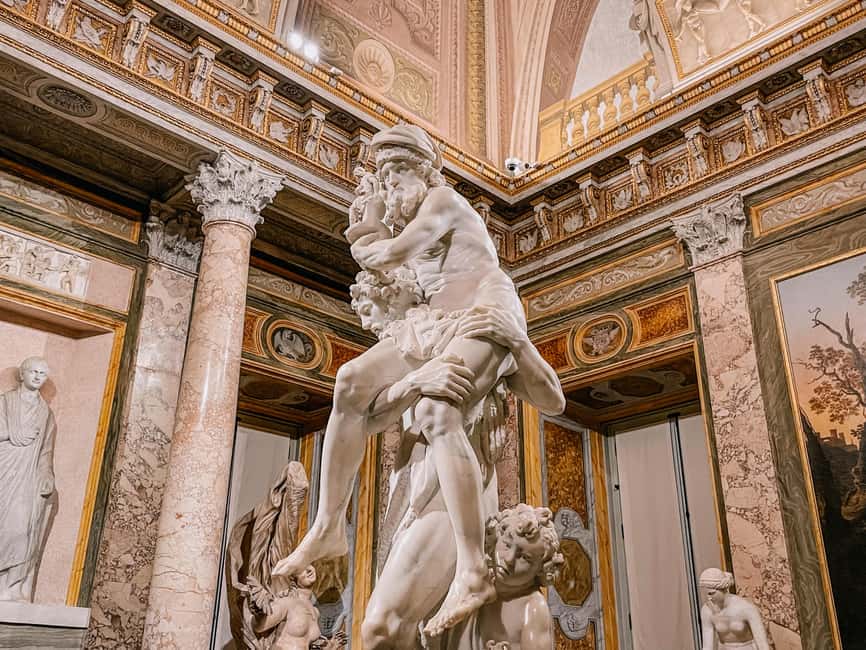
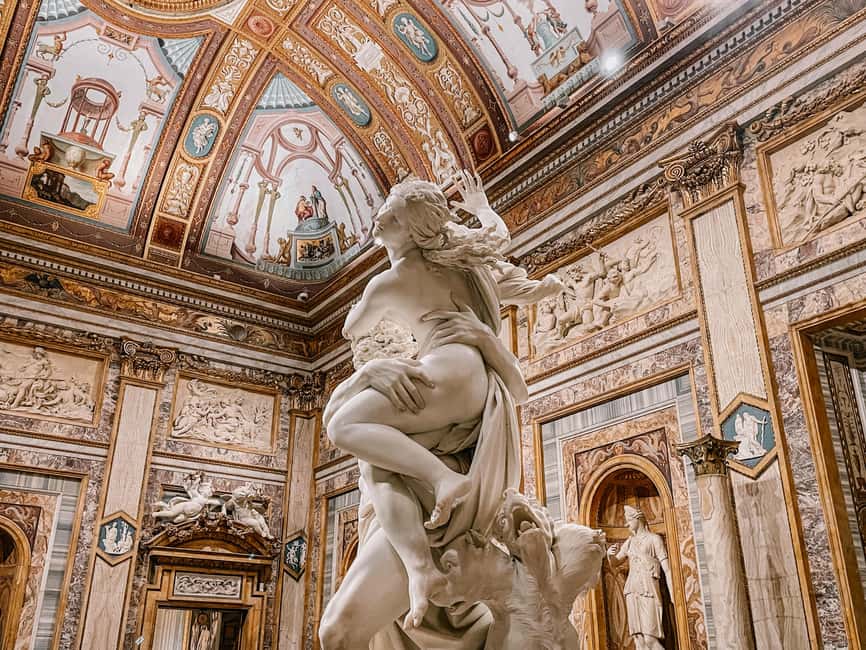
Borghese Gallery works best when you treat it like a sprint with smart coaching. In just 2 hours, the guide is steering you to the masterpieces that make the collection famous, and you’re not left to guess what matters most. That matters here, because the museum is packed—without a plan, it’s easy to spend time reading labels instead of noticing the details that change how you feel about the art.
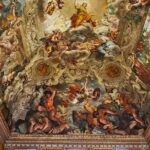
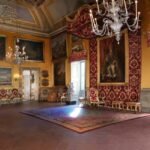
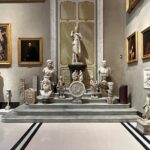
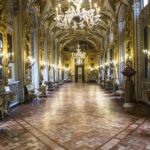
You’ll be led through a sequence of rooms connected by the Villa Borghese setting—lavish interiors commissioned and designed to showcase a serious art collection. Expect to spend real time with sculptures and paintings tied to the Villa’s story, not just modern sightseeing snapshots. And because you’re in a small group, you’re less likely to get swept along or pushed to the back.
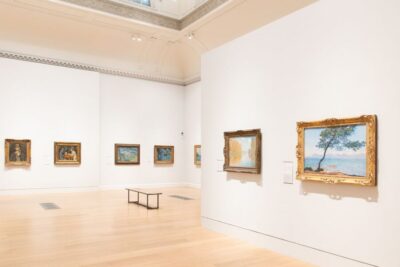
If you’re an art lover, you’ll appreciate how the collection lets you compare artists in close proximity—Bernini’s theatrical realism against Caravaggio’s dramatic intensity, then Raphael’s composed power. That contrast is the whole point.
You can also read our reviews of more museum experiences in Rome
Skip-the-Line Entrance: Why Priority Access Feels Worth It
Priority access sounds nice, but at Borghese it’s especially practical. The gallery runs on timed entry, and the building logistics can turn a “quick stop” into a long wait if you’re not scheduled. With reserved entry and a separate entrance, you start your visit faster and keep your group on the planned flow.
To me, the value isn’t just saving minutes. It’s getting your head into the right mode—arriving calm enough to look carefully, not rushed enough to skim. When you have limited time, time saved at the front door becomes more time with Bernini’s faces, Caravaggio’s lighting drama, and the sculptural textures in the rooms.
One more thing: bring your ID/passport. The tour information lists it as required, so don’t assume you can coast in with just a phone screenshot.
Meeting at Piazzale del Museo Borghese: Simple Timing Wins
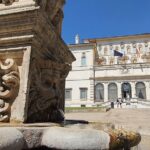
The meeting point is in front of the museum’s entrance, at Piazzale del Museo Borghese. That’s straightforward, but there’s still a real-world trick: show up early and get oriented before the group starts moving.
Here’s how I’d do it: arrive with your reservation ready, stand near the entrance where the tour starts, and give yourself a buffer for any last-minute confusion. In past experiences with small-group tours at major sites, the biggest delays usually come from people not gathering quickly—so you’ll help the whole group by being easy to find.
If your guide doesn’t arrive exactly where you expect, don’t panic—just stay close to the stated point and check with the meeting staff if you see it’s being handled. You want your tour to start when it’s supposed to, because this is a 2-hour experience and every minute counts.
Villa Borghese Context: The Art Has a Built-In Backstory
This gallery doesn’t feel like a warehouse of masterpieces. It feels like a house built for collecting and showing art at a personal scale. The collection is housed in the Villa Borghese, created in the early 17th century by Scipione Borghese, Pope Paul V’s nephew.
Understanding that changes how you look. You’re not just seeing famous works—you’re seeing what a major collector valued, what he commissioned, and how he wanted the art to be experienced. The guide’s role here is key: they’ll connect the artwork to the Villa’s purpose, and that’s what makes the time feel smarter than a self-guided pass.
It’s also why Borghese Gallery is often considered Rome’s first museum, even before the term “museum” was common as we think of it today. You’re walking through a space that was built to hold and display a collection with intention, not neutral storage.
Bernini Highlights You Can’t Miss: Truth, Busts, and Self-Portraits
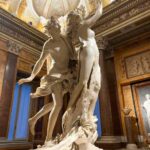
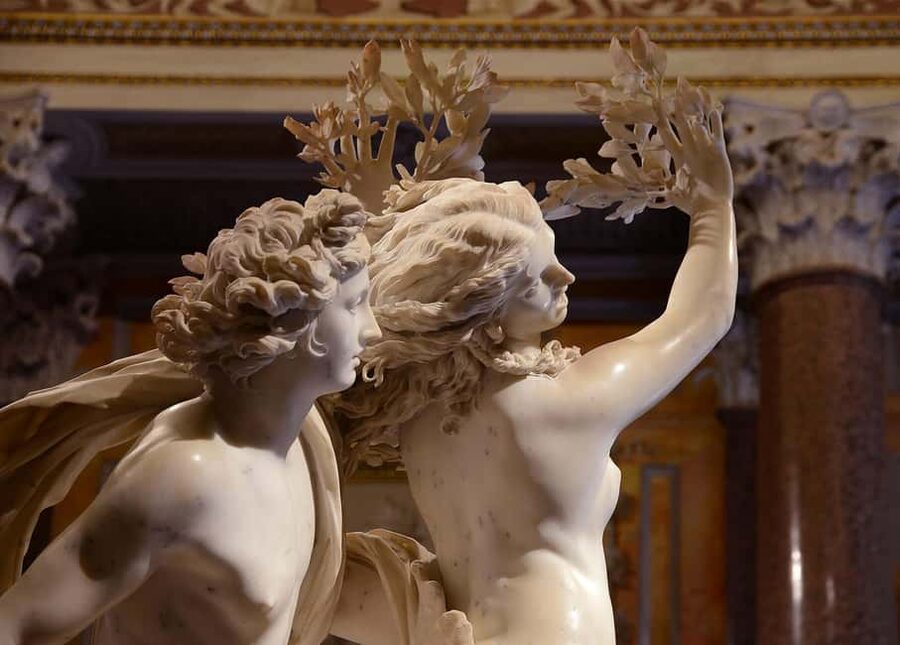
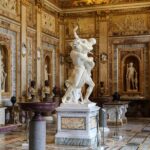
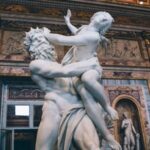
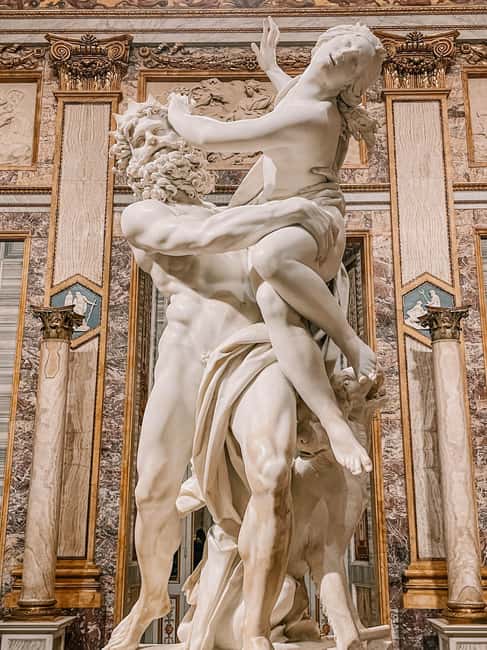
If you love sculpture, this is where the Borghese Gallery tour really flexes. The museum’s sculpture collection includes major Gianlorenzo Bernini works, and the guide helps you see why Bernini’s style reads like drama in stone and bronze.
You’ll get time with celebrated Bernini pieces such as The Truth, Scipione Borghese’s Bust, and Bernini’s self-portraits. Even if you think you already know Bernini, the Borghese collection can surprise you with how personal and “human” the works feel. Bernini isn’t just making bodies; he’s making expressions, moments, and meaning.
A tour guide matters because they point out details your eyes might skip at first glance—what the face is doing, how the pose communicates power, and how the sculpture’s presence changes depending on where you stand. With a small group, you have a better chance to see the work from the right angle without getting boxed in.
Caravaggio in One Collection: The Drama Works Best Up Close
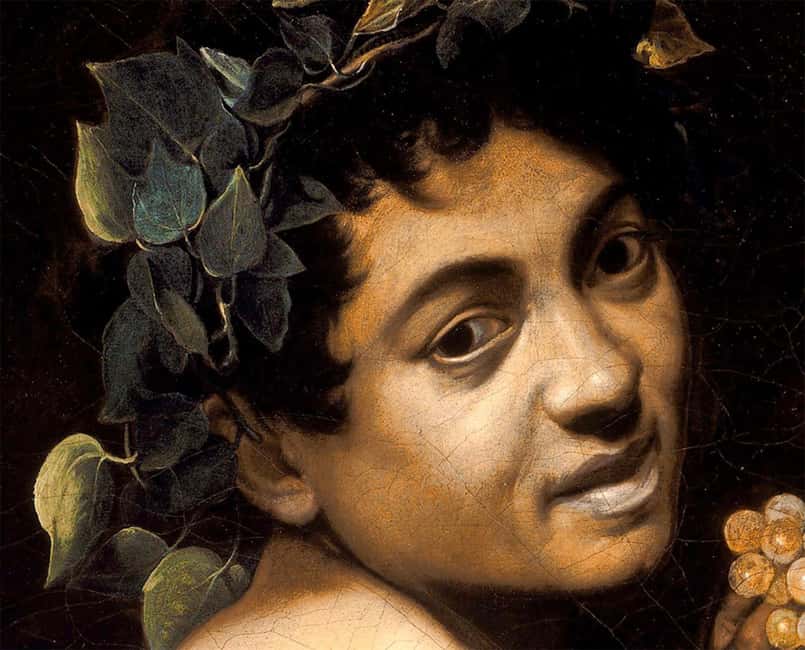
Caravaggio is the headliner for many people, and Borghese is one of the strongest places to see him in a single visit. The tour highlights the largest gathering of Caravaggio’s works in a single collection, and that promise is the core reason to book rather than do a general museum hop.
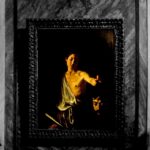
You may see works listed for the tour such as David with the Head of Goliath, Boy with a Basket of Fruit, St Jerome, and Self-Portrait as Bacchus. Each of these carries Caravaggio’s signature tension: strong emotion, sharp realism, and a spotlight effect that makes the scene feel almost physical.
What I like about having an art historian guide here is the way they help you read the mood. Caravaggio can look like simple intensity, but the stories, symbols, and composition choices are where the power lives. When you understand what you’re looking at, the paintings stop being just dark dramatic images and start acting like narratives.
Also, with headsets and radios, you’re less likely to miss the key explanation moments while you’re in front of a painting. That’s huge when multiple people want to stand in the same spot.
Raphael Moments: Composed Power Next to Caravaggio
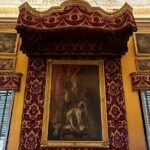
Not every Borghese visit feels balanced unless you make time for Raphael. The tour includes works like Lady with Unicorn and Portrait of Pope Julius II. These are different from Caravaggio’s raw spotlight drama—they’re about calm control, formal presence, and the authority of a portrait.
If you’re planning your own priorities, I’d treat Raphael as your reset. After Caravaggio’s intensity, Raphael’s clarity can feel like your eyes getting a new lens. You’ll be glad the tour plan includes him, because it prevents the classic mistake: rushing through paintings you don’t think you’ll love, then leaving thinking you missed half the point.
Canova and the Paolina Room: The Venus Illusion
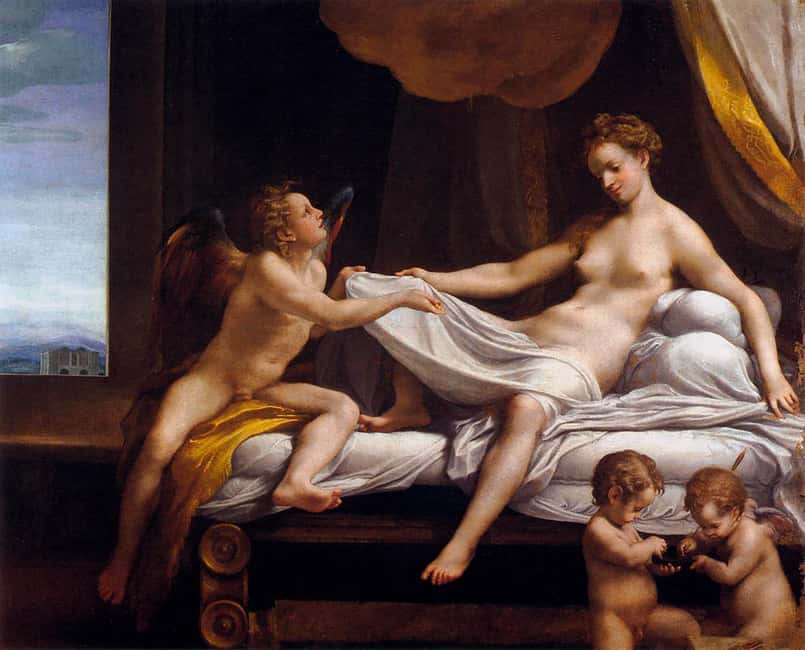
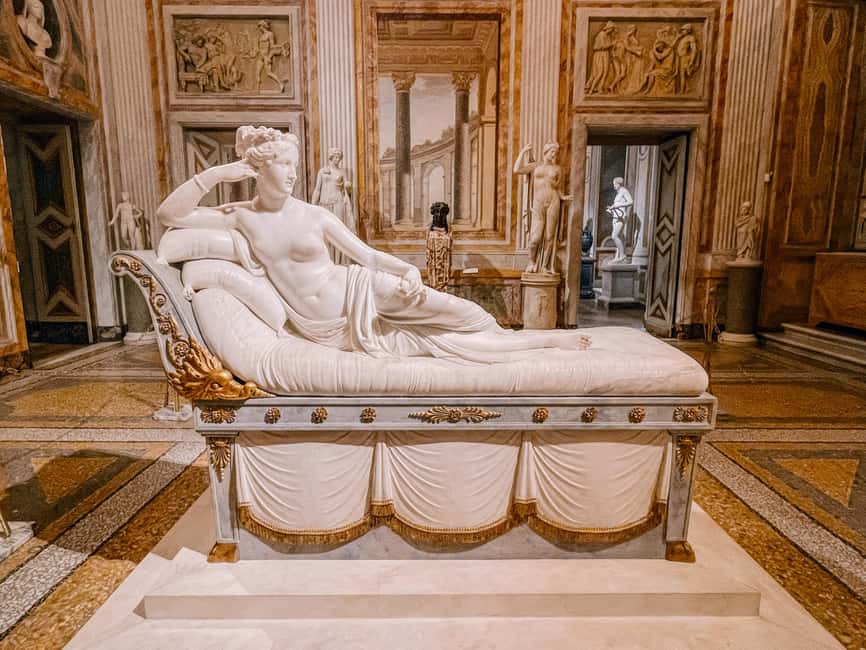
One room you shouldn’t skip is the Paolina Room. The tour specifically points you to Paolina Borghese in the guise of Venus, described as almost naked on a dormeuse. The statue made waves when first exhibited because of that daring presentation.
This is a great example of why a guided tour is worth it. Without context, you might treat the piece like “another famous sculpture.” With context, you’re looking at how art, status, myth, and shock were all being negotiated in the early 1800s. It’s not just beauty—it’s performance.
And because this tour is short, you want someone to make sure you don’t accidentally spend your whole hour on only one style. Paolina is a perfect counterbalance to the religious drama of Caravaggio and the theatrical realism of Bernini.
Guide Quality: When English Clarity Matters
The tour uses an art historian local guide and includes headsets and radios, which is a big help in a museum setting. Still, language delivery can vary. In one instance, the guide Sylvia was praised for being sharply informed; in another group, English was harder to catch even though the guide stayed attentive.
My practical advice: put your headset on right away and keep the volume at a level where you can hear comfortably. If you miss a point, it’s usually easier to correct early than to wait until you’re moving through rooms. The guide’s explanations are part of the value—so treat the audio equipment like part of your ticket, not an afterthought.
Is the $88 Price Good Value for You?
At $88 per person for a 2-hour small-group, art historian-led experience with skip-the-line entry and headsets, it’s not a budget option. But it can be good value if you’re the kind of person who wants your time to count.
Here’s how I’d judge it:
- If you care about the main masterpieces and you like learning the stories as you look, the cost can make sense because you’re buying focus plus logistics.
- If you’re happy wandering on your own and you don’t mind missing context, you might feel the price is steep.
- If you want the convenience of reserved entry and a separate entrance, that’s a real win during timed-gallery visits.
For me, the “value” equation here is simple: your time is limited, the gallery is famous and popular, and the tour helps you see the art in the right order with the right context.
Who This Tour Fits Best (and Who Might Prefer Another Plan)
This is a smart fit if you:
- love Old Masters and want Bernini/Caravaggio/Raphael concentrated into one visit
- enjoy art stories while you look, not later in a guidebook
- prefer small groups and a manageable pace
It might be less perfect if you’re:
- someone who wants a long, quiet, unguided linger in each room
- strictly focused on only one artist, because the tour is built as a highlights mix across multiple masters
The good news is that the highlights mix is exactly what makes Borghese Gallery efficient. You leave with the emotional range: sculpture drama, painting intensity, and myth in stone.
Should You Book This Borghese Gallery Small-Group Tour?
I’d book it if you want the clearest route through a world-class collection in a limited amount of time. The combination of small group size, skip-the-line priority access, and art historian guidance is built for people who don’t want to waste their visit sorting out what to see first.
Skip this one if you’re planning a long, slow museum day and you’d rather control every minute yourself. Borghese Gallery rewards attention, and a guided 2-hour highlight route is a different experience than a leisurely self-paced stroll.
If you do book, show up a bit early at the stated entrance meeting point, bring your ID/passport, and treat the headsets as part of the deal. Then you’ll get the full effect: Bernini, Caravaggio, Raphael, and the Paolina Room all hit with their proper meaning—without the waiting game.
FAQ
How long is the Borghese Gallery small-group tour?
The tour duration is 2 hours.
Where does the tour meet?
The meeting point is in front of the museum’s entrance at Piazzale del Museo Borghese.
How many people are in the group?
It’s a small group with a maximum of 15 people.
What’s included in the price?
You get an art historian local guide, skip-the-line entry ticket to Borghese Gallery, and headsets/radios to hear the guide clearly.
Is the tour offered in English?
Yes, the tour is in English.
Do I need to bring anything?
Bring your passport or ID card.
Does the tour include skip-the-line entry?
Yes. You get priority access with reserved entry and skip the line through a separate entrance.