REVIEW · ROME
Rome: Borghese Gallery Guided Tour with Tickets
Book on GetYourGuide →Operated by Crown Tours · Bookable on GetYourGuide
Bernini’s drama feels immediate in this timed tour. I love the skip-the-line entry and the chance to hear the collection explained by an art historian guide. The only real drawback: it’s not suitable for wheelchair users, and you’ll need to plan around strict bag rules inside.
In about 2 hours, you’ll move through the villa’s main sculpture spaces and painting rooms. Expect big names like Bernini, Caravaggio, and Raphael, plus Roman floor mosaics and hand-painted frescoes. The headset system helps a lot, though audio can depend on how the guide’s microphone is set.
In This Review
- Key things I’d plan around
- Why This Borghese Gallery Tour Works Better Than Solo Visits
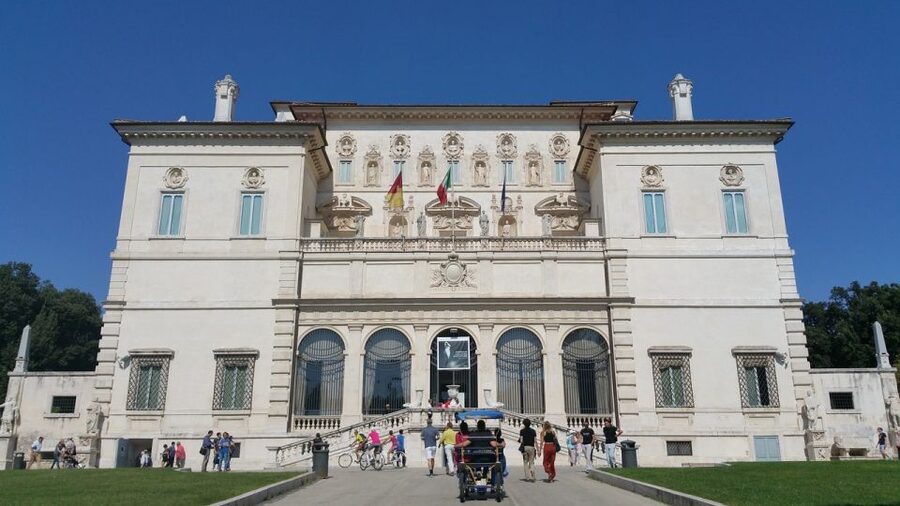
- Meeting Outside the Villa: Start Where the Story Begins
- The Ground-Floor Sculpture Route: A Baroque Warm-Up You’ll Feel
- Main Gallery Rooms: Bernini, Caravaggio, Raphael in One Flow
- Roman Floor Mosaics and Fresco Details: The Stuff Your Phone Can’t Explain
- The Caravaggio Room’s Real Payoff: Light, Shadow, and Nerve
- Time, Pace, and Group Size: How 2 Hours Gets You More
- Tickets, Headsets, and Bag Rules: The Logistics That Can Save Your Mood
- What Makes the Tour Guides Special Here (From Past Experiences)
- Price and Value: Is $57 Worth It?
- Who This Borghese Gallery Tour Is Best For
- Final Call: Should You Book This Borghese Guided Tour?
- FAQ
- How long is the Borghese Gallery guided tour?
- Does this experience include skip-the-line entry?
- Where do I meet for the tour?
- What languages are the guides offered in?
- Do I get audio to hear the guide clearly?
- What ID or documents do I need to bring?
- Is this tour suitable for wheelchair users?
Key things I’d plan around
- Skip-the-line + reserved entry cuts the worst waiting in Rome
- Art historian storytelling turns famous works into something you can actually picture
- Caravaggio focus: one room holds an unusually large concentration of his work
- A two-part route: ground-floor sculptures first, then the main gallery, then back again
- Headsets and radios mean you can keep your eyes on the art instead of straining
- Bag limits are strict; use the free cloakroom if you arrive with more
Why This Borghese Gallery Tour Works Better Than Solo Visits
I get it: you might think a gallery this famous is easy to do on your own. Then you hit the reality of timed entry, security checks, and the fact that Rome doesn’t slow down just because you want photos.
This tour’s biggest win is the way it gets you inside fast, with skip-the-line access through express security and reserved entry tickets. That matters because the Borghese Gallery is small compared to Rome’s mega-museums. If you lose time at the gate, you lose time in the rooms where you actually want to stand still.
The second big advantage is the guide format. You’re not just looking at names on walls. With an art historian guide and provided headsets/radios, you get clear explanations at the right moment, right where the sculpture or painting is in front of you.
A few more Rome tours and experiences worth a look
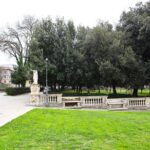


Meeting Outside the Villa: Start Where the Story Begins
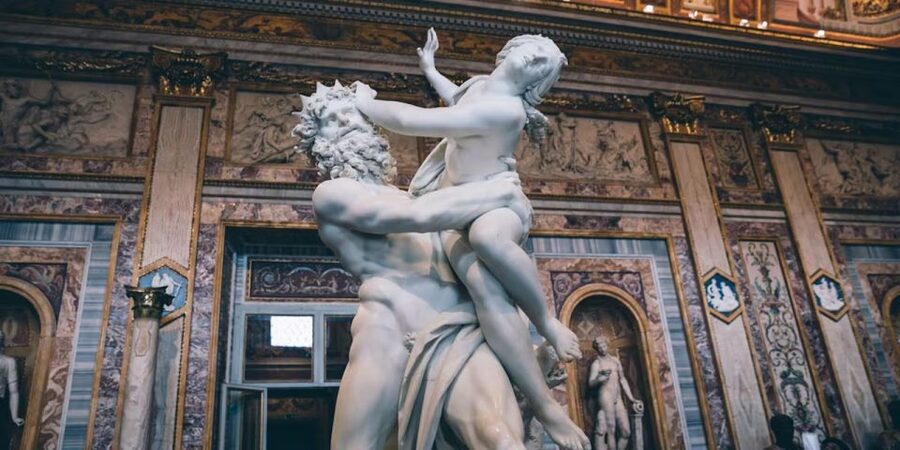
You’ll meet at one of two starting points, which can change depending on the option you booked: Fontana dei mascheroni at Piazzale del Museo Borghese. Either way, the goal is the same: begin outside the villa and get the background before you step into rooms full of masterpieces.
That outside start is more useful than it sounds. The Borghese collection isn’t just art that happens to be inside a building. It’s tied to the people who collected it, and to the 17th-century setting that shaped how the works were displayed. Getting that context early helps you notice details later instead of just scanning for famous titles.
Plan to arrive a little earlier than you think. Rome meetings are rarely punctual in the strict clock sense, and you’ll want a smooth start so the 2 hours feel like 2 hours, not 90 minutes.
The Ground-Floor Sculpture Route: A Baroque Warm-Up You’ll Feel
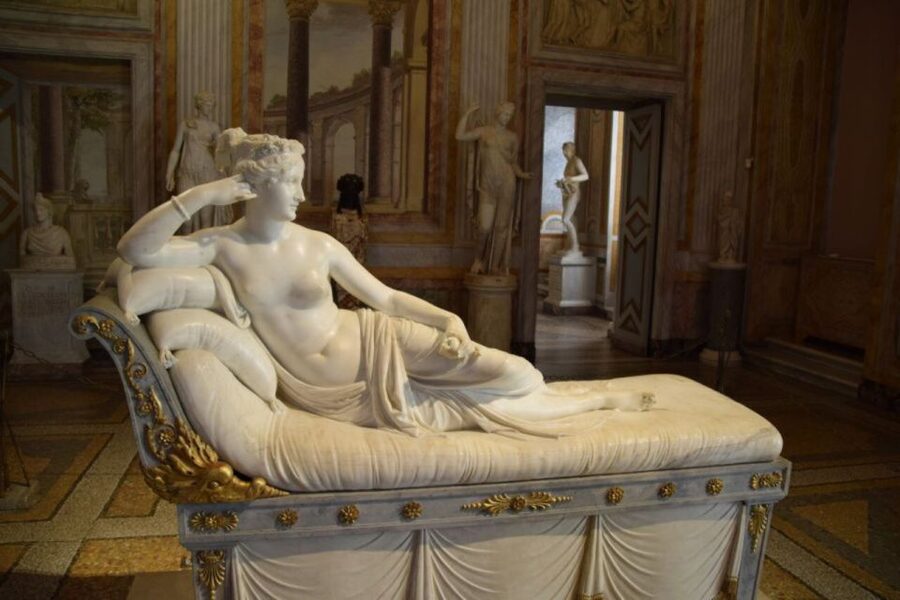
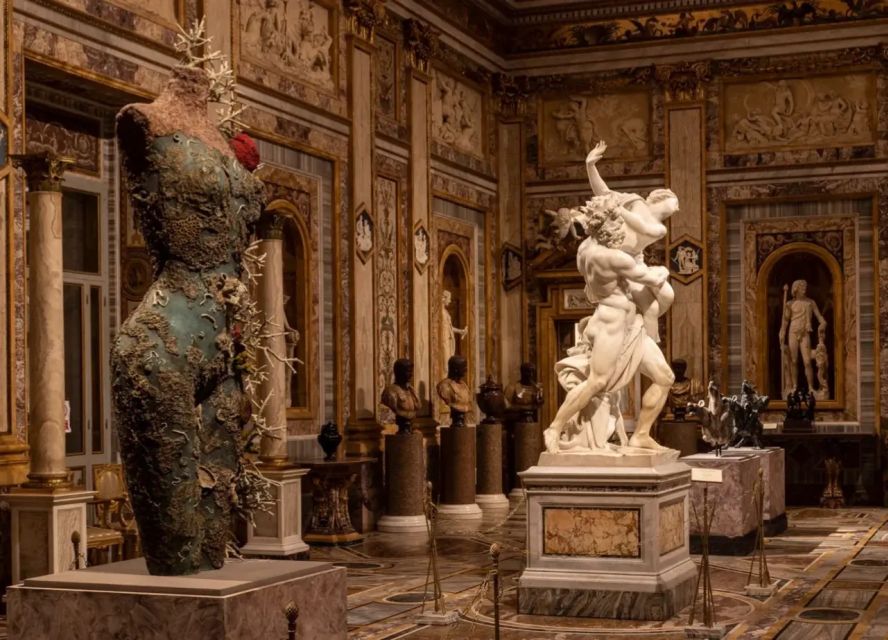
The first part of the tour is on the ground floor, with around 50 minutes dedicated to the sculpture rooms. This is a smart approach. Start with the three-dimensional world of Baroque art, where emotion comes from pose, gesture, and surfaces you can almost read with your eyes.
This route also sets your expectations for the building itself. Borghese is intimate. You can move from one kind of work to another without the feeling that you’re trekking across a museum campus. The ground-floor start helps you get your bearings fast and pay attention to how lighting and arrangement change what you notice.
One thing I like about starting here: you train your eye. Once you’ve seen how Bernini-style drama works in sculpture form, you’re better prepared for what the paintings do with light and shadow.
Main Gallery Rooms: Bernini, Caravaggio, Raphael in One Flow
After that first sculpture circuit, you move into the main gallery area for about 40 minutes. This is where the “wow” factor concentrates.
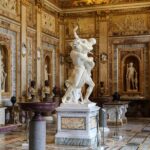
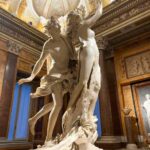
You’ll see Bernini’s dynamic pieces, including works like Apollo and Daphne. Bernini doesn’t do quiet. He does movement you can feel, carving that looks halfway between stone and flesh. When your guide connects the sculpture to the bigger Baroque ideas of drama and persuasion, the pieces start making sense beyond their fame.
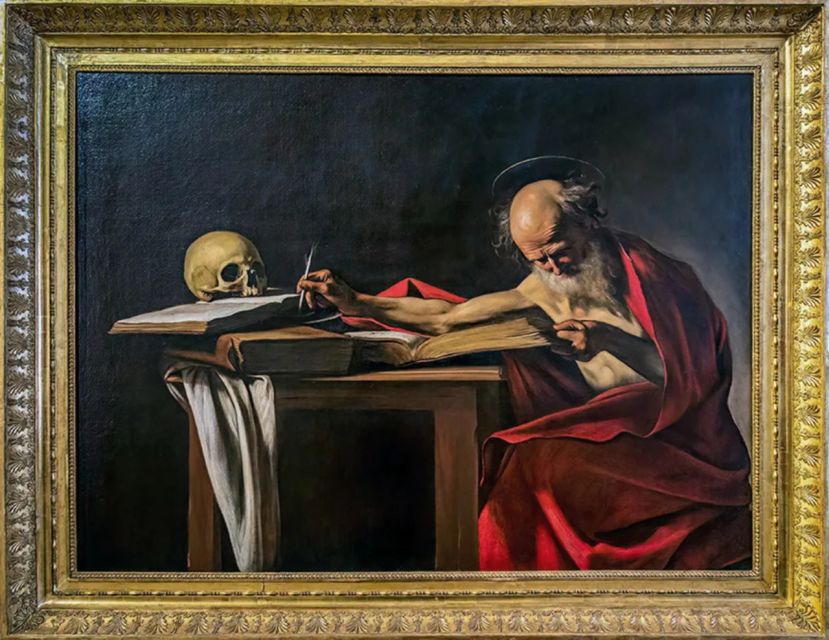
Then comes Caravaggio. The Borghese Gallery is famous for its Caravaggio rooms, and the experience here is designed around that strength—there’s a claim of the largest gathering of his works in a single collection. In practical terms, that means you’re not flipping through one token painting. You’re seeing enough Caravaggio to compare his style and intensity across multiple works.
Expect stops that include David with the Head of Goliath and Boy with a Basket of Fruit. If you’ve only seen Caravaggio in textbooks, it’s the contrast that hits you: light versus dark, skin versus shadow, and emotion that feels close up rather than staged at a distance.
You’ll also encounter Raphael’s serene work, along with pieces by Titian and Canova. That mix is part of the value. The guide’s job is to show you the differences in style, not just recite names.
Roman Floor Mosaics and Fresco Details: The Stuff Your Phone Can’t Explain
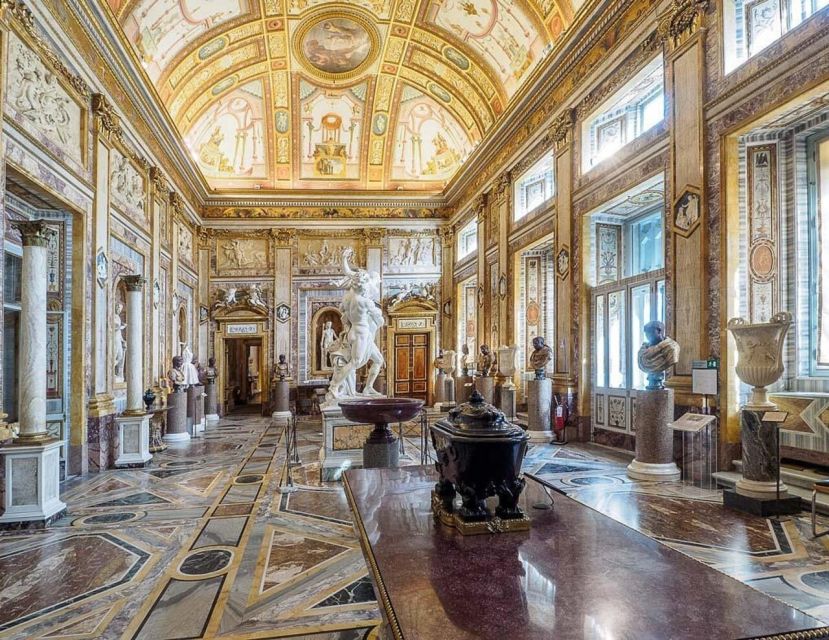
One reason I like this tour format is that it doesn’t treat the Borghese collection as a shortlist of famous paintings. You also get time for Roman floor mosaics and hand-painted frescoes.
Floor mosaics are the kind of artwork people miss if they’re rushing. Standing still on patterned stone makes you notice color and scale in a different way. It’s also a reminder that Rome’s artistic language goes way beyond one century.
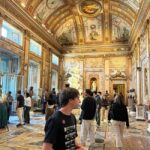
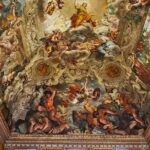
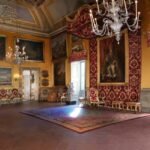
Hand-painted frescoes and decorated spaces help connect the collection to architecture. Even if you’re not an “art person,” you can usually feel the difference between a room designed for display versus a room designed for living. A good guide points out the choices behind the look: placement, perspective, and what the artists wanted you to notice.
You can also read our reviews of more guided tours in Rome



The Caravaggio Room’s Real Payoff: Light, Shadow, and Nerve
Caravaggio can sound like a theme on paper. In person, it’s intensity.
The works you’ll see rely on dramatic lighting and bold expression. David with the Head of Goliath, for example, is all about the moment of confrontation—the tension you get from posture and gaze. Boy with a Basket of Fruit brings a different kind of attention, more everyday subject turned sharp and theatrical.
What makes a guided approach worth it here is technique and context. Without guidance, you might appreciate the art but miss why it feels so forceful. With the guide talking through composition and what the artist is doing with contrast, you start seeing the “how” behind the “wow.”
If you’re sensitive to heavy mood, you’ll still likely find the room compelling, not exhausting. The key is pace, and that’s something the tour design tries to manage.
Time, Pace, and Group Size: How 2 Hours Gets You More
This is a 2-hour experience with a structured route:
- ground floor sculptures first (about 50 minutes)
- main gallery rooms (about 40 minutes)
- then another ground-floor pass (about 30 minutes)
That back-and-forth matters. It gives you two chances to slow down and re-check what you’ve learned. It also helps you make sense of the collection as a whole, rather than treating rooms like separate islands.
Group size is another advantage of booking a guided tour here. The activity notes private or small groups available, and the results can feel personal. Some guides have been praised for keeping the experience focused and un-rushed, even when the room is crowded with your own thoughts.
One practical note from real experience: pacing can vary a bit depending on how much your guide has to cover in the time slot. One common complaint is that commentary can run fast if there’s a lot to cover. If you’re someone who likes to read every placard, consider choosing an earlier time slot so you have mental room for questions.
Tickets, Headsets, and Bag Rules: The Logistics That Can Save Your Mood
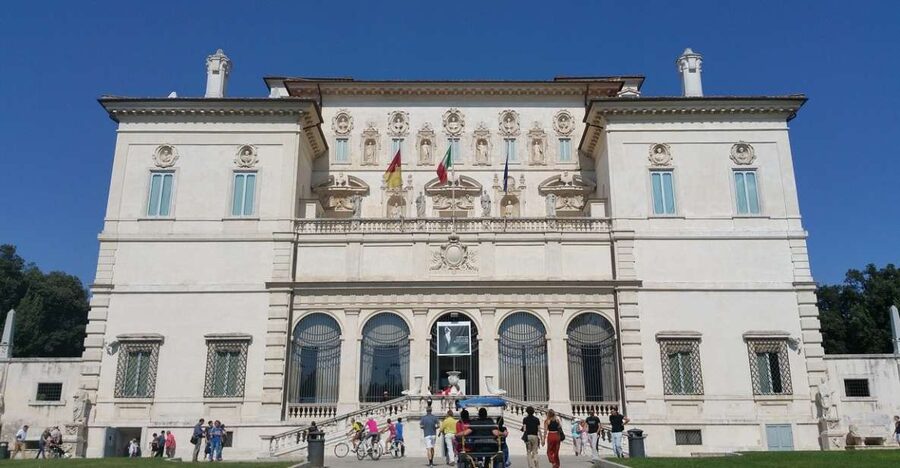
This tour includes reserved entry and express security check, so you’re not stuck waiting while other people shuffle forward. You’ll also get headsets and radios, which is a big deal in galleries where voices can disappear and you don’t want to keep craning your neck.
That headset support also helps you enjoy the art instead of negotiating with background noise. You can stay oriented and keep your eyes on the pieces.
Now for the part that can trip people up: bag rules.
You’ll need to bring passport or ID. Pets, weapons/sharp objects, baby strollers, and luggage/large bags aren’t allowed. For security reasons, only small bags and purses are permitted inside. If you have a larger bag, there’s a free cloakroom at the entrance where you can store it safely.
If you’re traveling light already, great. If not, plan to pack smart before you head to the villa.
What Makes the Tour Guides Special Here (From Past Experiences)
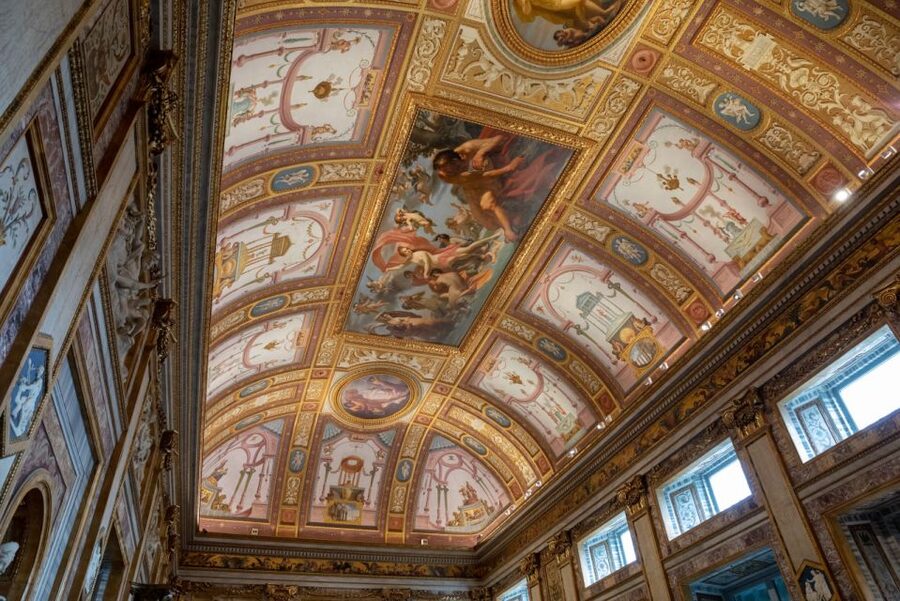
I paid attention to guide names because, in a place like Borghese, the “how” of looking matters. In past tours, guides such as Henry and Enri have been praised for making sculpture and painting feel alive through story and technique. Other names that come up include Gaga, Irene, Federico, and Victoria—people who clearly connect the artworks to the world around them.
Across those comments, a pattern shows up: guides do more than list facts. They explain what you should notice—lighting, composition, restoration choices when relevant, and how the collection was shaped by the people behind it.
Audio quality matters too. One practical issue that’s been raised is that if the microphone placement isn’t great, hearing can be harder. The headset system helps, but if you notice sound lag, it’s worth stepping slightly closer so you catch everything.
Price and Value: Is $57 Worth It?
$57 per person is not cheap for Rome. But here’s the value logic that makes sense.
You’re paying for three things at once:
- priority access that saves time at security and entry
- an art historian guide who helps you understand what you’re seeing
- headsets/radios so you actually get the explanation without guessing
Borghese is timed-entry and small-scale. That means every minute inside counts. If you’re the kind of person who enjoys museums but doesn’t want to spend your best attention time reading a handful of placards, the guide value becomes obvious fast.
If you already know the collection deeply and love silent looking, you might feel less pressure to pay for a guide. But for most people, the structured route plus clear commentary turns a famous gallery into a memorable one.
Who This Borghese Gallery Tour Is Best For
This tour fits you if:
- you want the big hits: Bernini, Caravaggio, Raphael
- you like having art explained in a way you can follow without prior study
- you want a plan for 2 hours that doesn’t eat your day
It’s also a good match if you’re not sure you’re an art person. The Borghese collection is intense, and a guide can do the translation work from stone and paint to meaning.
It’s not a good match if you need wheelchair access. The activity is listed as not suitable for wheelchair users. Also be mindful that the tour route can change if parts of the gallery are closed for restoration, so don’t treat your visit like a guaranteed checklist of every room.
Final Call: Should You Book This Borghese Guided Tour?
If you’re heading to Rome and you want one “worth dressing up for” art experience, I’d book this. The priority entry and the art historian-led explanations do the heavy lifting, and the route is designed to keep you focused on the works that matter.
I’d especially choose it if you’re short on time or you hate lines. This is the kind of place where missing 30 minutes can mean missing the feeling.
If you’re traveling with a larger bag, make sure you understand the small-bag rule and plan on using the cloakroom. If you need wheelchair access, skip this option and look for a different format.
Bottom line: for most visitors, the guide + headsets + reserved entry turns Borghese from famous into personal.
FAQ
How long is the Borghese Gallery guided tour?
The tour lasts about 2 hours.
Does this experience include skip-the-line entry?
Yes. It includes skip-the-line entry ticket access and express security check.
Where do I meet for the tour?
The meeting point can vary depending on the option booked. Two listed starting points are Fontana dei mascheroni (at Piazzale del Museo Borghese) and Piazzale del Museo Borghese.
What languages are the guides offered in?
The live guide is available in English, Japanese, French, German, Portuguese, and Russian.
Do I get audio to hear the guide clearly?
Yes. The tour includes headsets and radios.
What ID or documents do I need to bring?
You should bring a passport or ID card.
Is this tour suitable for wheelchair users?
No. It is listed as not suitable for wheelchair users.