REVIEW · TOKYO
East Tokyo Go-Kart Tour
Book on GetYourGuide →Operated by JAPANKART · Bookable on GetYourGuide
Tokyo streets, go-kart pace.
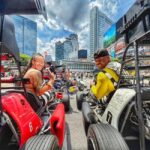
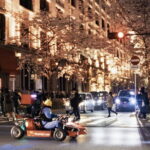
That mix is the whole magic here: you get real road driving with a guided route, not just a track experience, plus classic Tokyo photo stops like Rainbow Bridge and the Bay area. I like that the operation is built around professional safety briefings and a small group flow, so you spend less time worrying and more time enjoying. One thing to plan for: you must bring the correct paper driving docs (hard copies), or you won’t be allowed to drive.
The route also hits multiple Tokyo “faces” in a short time. You’ll cruise past the shopping-energy of Ginza and the old-meets-new vibe of Ueno and Asakusa, then cut over to the Tokyo Bay viewpoint for a break and photos. A possible drawback is that if your main goal is museum-style sightseeing, this is still driving-first—so you’ll see a lot from the road, and you’ll move on quickly.
In This Review
- Key Things I’d Bookmark Before You Go
- Price and Value: Is $64 a Good Deal for Tokyo?
- Where You Start: The Skytree-Neighbor Shop and the Safety Setup
- The 2-Hour Experience Route: Toyosu Through Asakusa (Street-Level Tokyo)
- Toyosu to Ginza: City Speed With Shopping-Strip Energy
- Nihonbashi and Kanda: Fast Pass-By, Big “I Know This Place” Moments
- Akihabara: When the City Turns Nerdy (In the Best Way)
- Ueno and Asakusa: The Older Tokyo Side, Seen at Road Speed
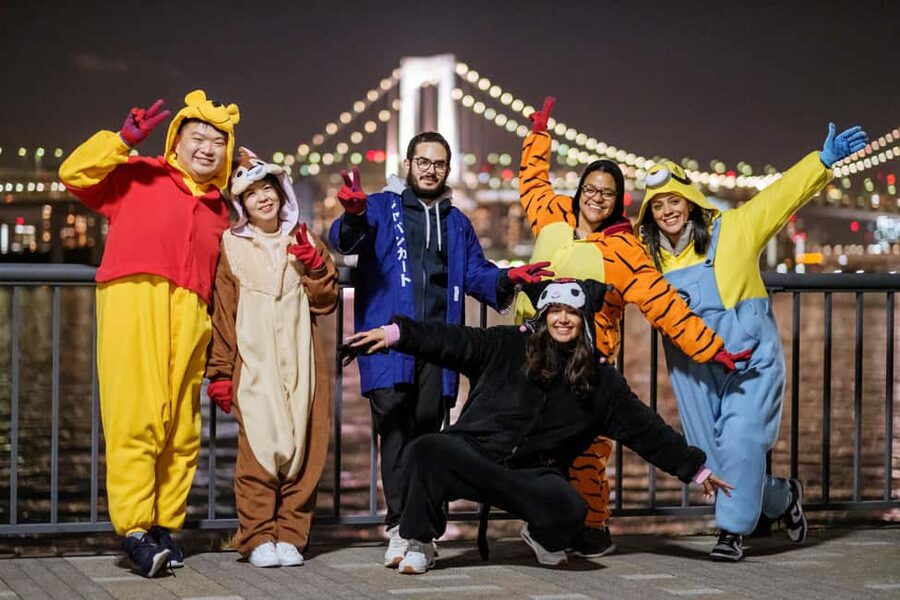
- Tokyo Bay Break Time and the Rainbow Bridge Photo Stop
- Ginza-to-Bay Time Management: What That Feels Like in Real Life
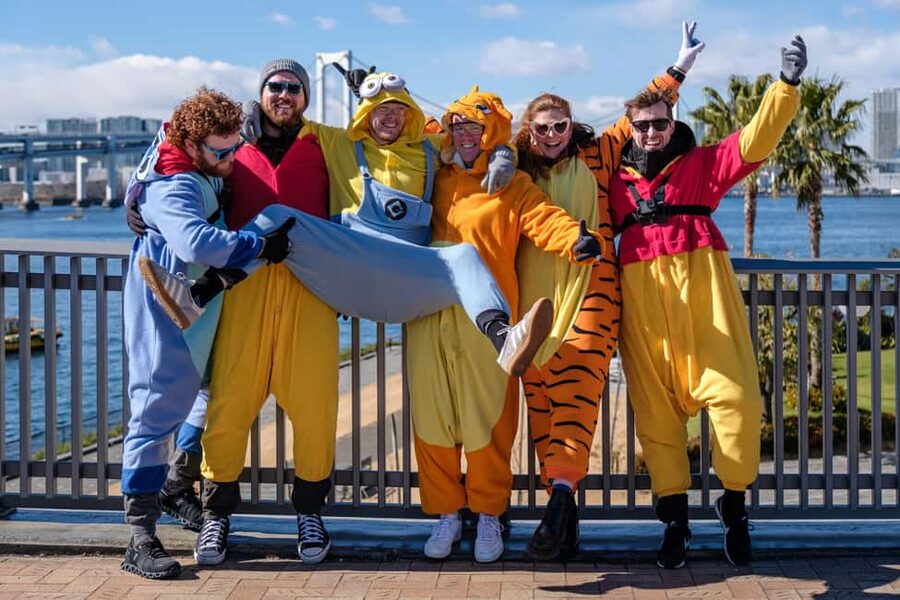
- Costume, Photos, and “Lead Car” Group Energy
- Don’t Get Turned Away: The Driving Document Reality Check
- 1-Hour SkyTree Branch: A Shorter Circuit for Time-Crunched Days
- When to Book: Quiet Timing and Weather-Ready Planning
- Who This Fits Best (and Who Should Skip It)
- Should You Book This East Tokyo Go-Kart Tour?
- FAQ
- What documents do I need to drive the go-kart in Japan?
- Is a Vienna Convention IDP accepted for this tour?
- Do I need a Japanese translation of my license?
- What if I forget my international driving permit or passport?
- How long will I be out there?
- How many people are in each group?
- Where do I check in?
- What areas are included on the 2-hour tour?
- What areas are included on the 1-hour SkyTree Branch tour?
- Are there clothing and alcohol rules?
Key Things I’d Bookmark Before You Go
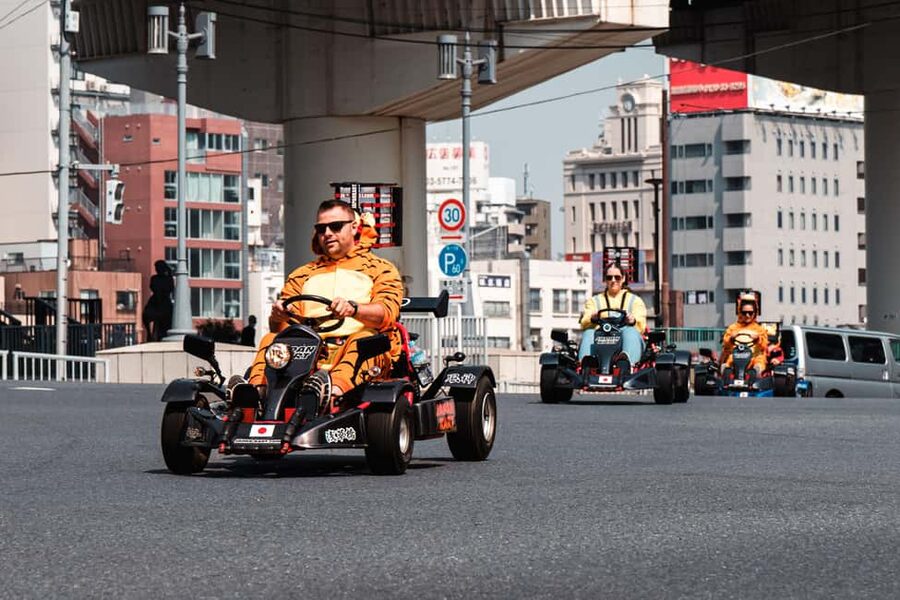
- Public-road go-kart driving with guided control, so you’re not navigating Tokyo traffic on your own
- Rainbow Bridge / Tokyo Bay photo moment, plus a built-in break window
- Small group size (up to 10), which helps the pace feel organized
- Costumes and photo coverage—it’s silly in the best way, and it lowers the pressure to pose
- Hard document requirements for driving in Japan, including the right IDP format
Price and Value: Is $64 a Good Deal for Tokyo?
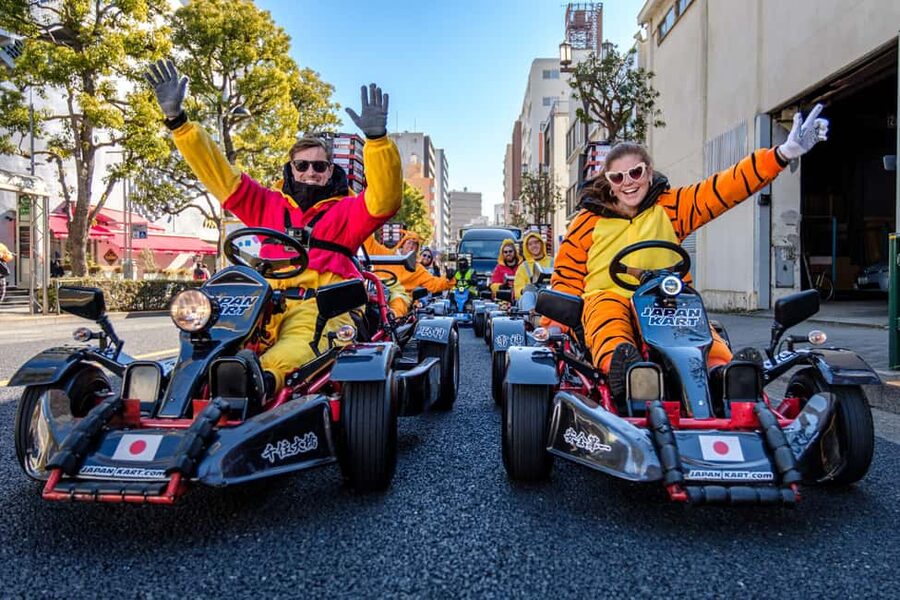
At about $64 per person, this tour can feel like an impulse buy—until you compare it to the time it saves. You’re getting about 1.5 to 2.5 hours total (depending on the option and what time you start), and you’re covering major neighborhoods that would take a lot longer on foot or by hopping train lines.
The value is strongest if you want a “one-of-a-kind Tokyo moment.” Driving around central areas like Ginza, Nihonbashi, Akihabara, Ueno, and Asakusa from street level is simply hard to replicate with buses or walking tours. Plus, the price includes the go-kart, gas, required fees, costumes, and photos, so you’re not nickel-and-diming basic add-ons.
You can also read our reviews of more tours and experiences in Tokyo.
Where You Start: The Skytree-Neighbor Shop and the Safety Setup
Most people check in at the activity provider’s shop near Tokyo Skytree, which is handy because you can build a flexible day around it. You’ll start with a safety briefing and demonstration before you ever hit the street—this matters in Tokyo, where lane rules and merging patterns can feel intense if you’re not used to them.
You’ll also see how their system works: a lead instruction style that keeps the group together, plus staff who help you get comfortable with the kart controls early. I like this approach because the first few minutes are usually the hardest—once you understand turns, braking, and how to keep your spacing, the rest of the ride becomes confidence-building fun.
The 2-Hour Experience Route: Toyosu Through Asakusa (Street-Level Tokyo)
If you choose the longer option, you’re in the kart for the main sightseeing sweep—about 2 hours of guided driving through major East Tokyo corridors.
What you’ll feel most is variety. The route is designed so you don’t get stuck in one “type” of Tokyo for the whole ride. You’ll move through areas that look and sound different block to block, so you get that satisfying feeling of crossing Tokyo’s moods quickly.
Toyosu to Ginza: City Speed With Shopping-Strip Energy
Driving through Toyosu and then heading toward Ginza is a classic Tokyo shift. Toyosu tends to feel more modern and open, while Ginza brings dense city motion—lots of storefronts, pedestrians, and that “something is always happening” rhythm.
In practice, this is where you’ll appreciate the safety coaching most. The karts are powerful enough to be fun, but the operation is focused on keeping you controlled and aware—so you can enjoy the speed without turning this into a white-knuckle experience.
Nihonbashi and Kanda: Fast Pass-By, Big “I Know This Place” Moments
Nihonbashi and Kanda are great because you recognize them even if you’re not doing a deep museum-style visit. This is more like a driving version of seeing Tokyo on a movie map: you catch landmark surroundings, you get a sense of scale, and you move on before you overthink it.
A drawback to consider: because this is a road route, you won’t stop to explore inside shops or attractions. You’re collecting impressions—great for orientation, less ideal for slow, sit-down tourism.

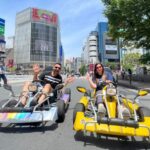

Akihabara: When the City Turns Nerdy (In the Best Way)
Akihabara is one of those neighborhoods that reads instantly through the streets. From a kart, you see the signs, the crowds, and the distinctive feel without needing to walk block by block.
If you love techy shops, anime culture, or just the color-and-signal vibe, this part usually hits hardest. It also plays well with the costume element—this is the kind of activity where you can feel playful while the area is already playful.
Ueno and Asakusa: The Older Tokyo Side, Seen at Road Speed
The last stretch pulls you toward Ueno and Asakusa, which adds a more historic contrast to the route. This is the “ancient side” of Tokyo experience you came for, and it lands naturally because you’ve already seen the modern shopping pulse earlier.
One nice bonus: people often mention Ueno as a favorite driving zone. That suggests the area balance works—enough interest for your brain to stay awake, but not so chaotic that the experience feels stressful.
Tokyo Bay Break Time and the Rainbow Bridge Photo Stop
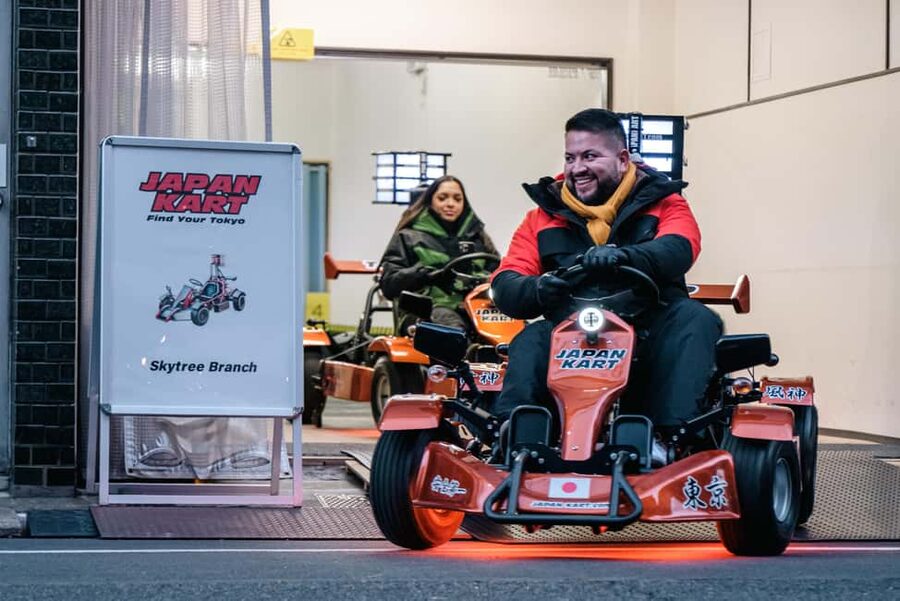
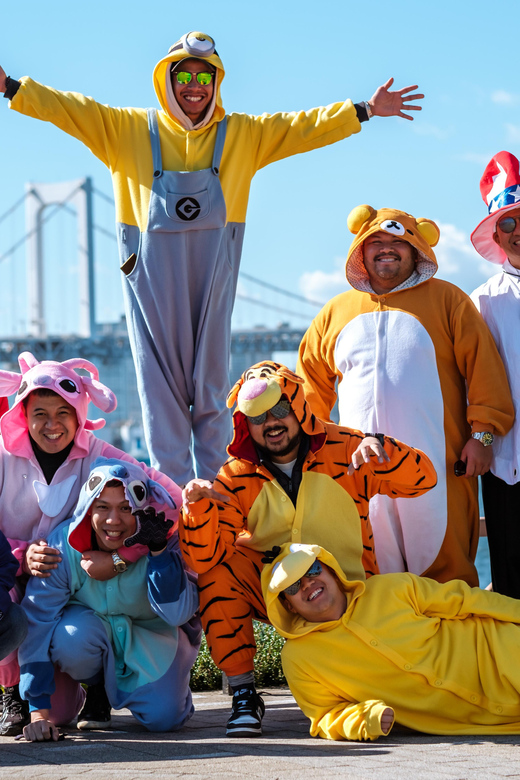
The itinerary includes a Tokyo Bay break, and you also get a major scenic moment around Rainbow Bridge. This is where the tour stops being just a go-kart run and becomes a Tokyo memory.
You’ll get a short window for photos and downtime, which helps if you’re driving while thinking about where you’ll rest your feet or cool down. I like that they build in a break rather than expecting you to power through constantly.
If you’re sensitive to motion or steering fatigue, this break is also a practical feature. In the middle of a city ride, even a few minutes can reset your focus for the next segment.
Ginza-to-Bay Time Management: What That Feels Like in Real Life
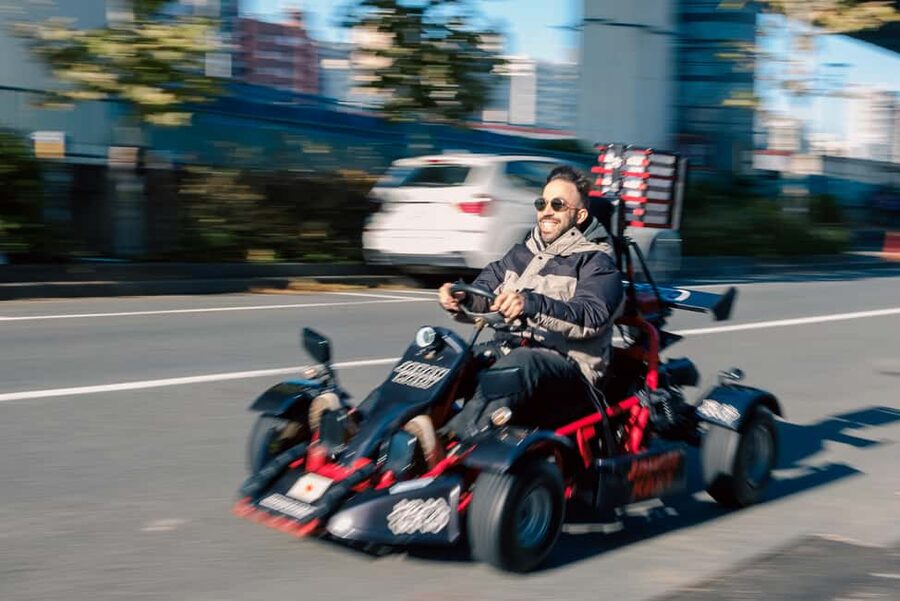
Even if you book for 2 hours, plan for total time on-site. Some guides set expectations so you understand that the actual driving portion might be closer to about 1 hour 10 minutes, with extra time for check-in, safety briefing, and the mid-ride break.
In other words: if your day is tightly scheduled, keep a buffer. You don’t want to be rushing to trains or dinner after your start time.
Timing tip from experience-based feedback: evening can be extra fun because the city looks different after dark. If you’re choosing between time slots, look for a slot when traffic feels manageable and the neighborhood lighting is doing its thing—without making you feel stuck in a slow crawl.
Costume, Photos, and “Lead Car” Group Energy
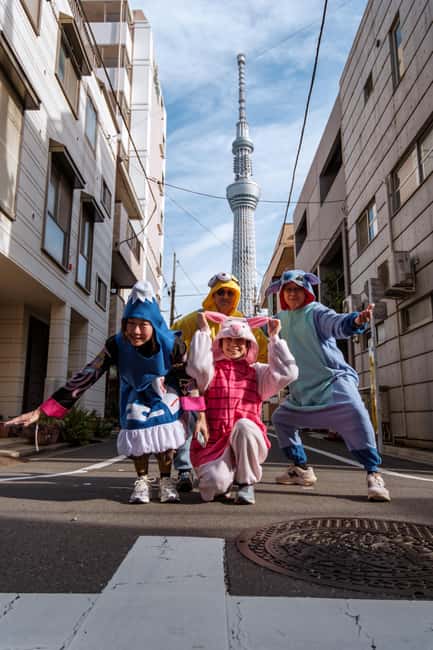
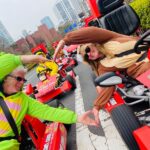
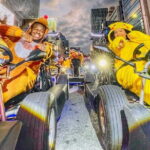
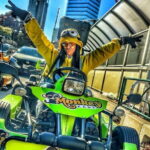
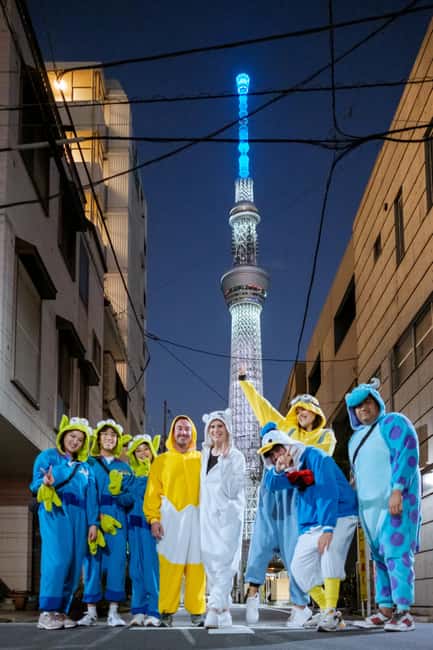
One of the most repeated reasons people rate this so high is the way the whole thing is staged to be fun fast. You’ll get costumes, and the operation includes photos taken during the route.
That matters because Tokyo streets are a little intense to manage while also trying to film yourself. With staff handling photos, you get usable shots without juggling phones, helmets, and lane awareness.
There’s also a group-control vibe that helps the ride feel smooth. People mention a lead driver and a tail driver system, which keeps the group together and reduces the risk of someone getting lost when the route changes.
Don’t Get Turned Away: The Driving Document Reality Check

This tour is serious about driving documents. If you want to drive, you need the right paperwork in hard copy form on the day of the activity. The requirements are clear:
- A driving license from your country of origin
- An International Driving Permit (IDP) issued under the Geneva Convention 1949, in booklet form (not a loose paper form)
- Your passport
Important detail: IDPs issued under the Vienna Convention 1968 are not accepted in Japan, and you’re also told not to buy an IDP through online-only sellers. If you’re unsure, contact them ahead of time—because if you show up with the wrong IDP type, you may be denied participation with no refund.
Special cases exist too. If your license is from Switzerland, Germany, France, Taiwan, Belgium, Estonia, or Monaco, you also need an original license plus an official Japanese translation through an authorized organization and your passport. If you’re in a US military SOFA situation, you’ll need the stated combination of IDs and a driver’s license tied to your state.
Also follow the clothing rules. No sandals or flip flops, no high-heeled shoes, and no bare feet. If you show up dressed for summer streets, you might need to adjust fast.
1-Hour SkyTree Branch: A Shorter Circuit for Time-Crunched Days
If you’re short on time, the 1-hour option runs from a different meeting point near Skytree and covers several classic stops in a tighter loop. Expect driving through Asakusa, Ueno, Akihabara, Ueno Park, Kappabashi Kitchen Tools Street, and Tokyo Skytree.
This is a smart pick if you want the Tokyo-go-kart hit but don’t want to spend most of the afternoon on it. It’s also useful if you’re already planning Skytree area time and want the kart ride to connect seamlessly to your other plans.
A practical downside: the shorter option gives you less time to enjoy the ride tempo and less room for a longer scenic pause. If you like the idea of the Rainbow Bridge / Bay views, the 2-hour format is the one that fits that craving.
When to Book: Quiet Timing and Weather-Ready Planning
Weather in Tokyo can be unpredictable, and the operation seems built to handle it with flexibility. Some participants report that they arrived in pouring rain and still went, while others were offered a reschedule on a rainy day. If it’s forecasted to be rough, build in flexibility and don’t treat this like a strict must-hit at one minute.
For timing, a tip that kept showing up: booking at a quieter evening slot (for example, Thursday around 7pm was mentioned) can make the ride feel less crowded and more enjoyable.
Who This Fits Best (and Who Should Skip It)
This tour is best for you if:
- You want an active, silly-fun way to see multiple neighborhoods in one go
- You like guided structure but don’t want long walking tours
- You’re comfortable driving a small vehicle with a safety briefing first
- You want photos and costumes without planning them yourself
You might want to skip it or think twice if:
- You’re hoping for slow, detailed sightseeing stops (this is road driving)
- You don’t have the correct driving documents ready in hard copy
- You’re not comfortable with traffic complexity, even with coaching (the karts are controlled, but you’re on real streets)
There’s also a clear age limit: drivers must be 18 or older.
Should You Book This East Tokyo Go-Kart Tour?
Yes, if you’re the kind of traveler who enjoys doing something you can’t do at home. For the price, you’re buying a memorable, street-level Tokyo experience with safety-first guidance, small-group control, and the fun extras of costumes and photos.
Before you hit book, double-check your paperwork. That’s the biggest make-or-break factor. If your driving license and IDP are correct (and you bring them as hard copies), this is one of the most efficient ways to turn Tokyo into a high-energy road trip without spending all day commuting.
If your schedule is tight, take the 1-hour SkyTree branch. If you want Bay views and more neighborhoods in one sweep, go for the longer 2-hour experience.
FAQ
What documents do I need to drive the go-kart in Japan?
You need your passport, your home country driving license, and an International Driving Permit issued under the Geneva Convention 1949 (in booklet form). Hard copies are required on the day of the activity.
Is a Vienna Convention IDP accepted for this tour?
No. IDPs issued under the Vienna Convention 1968 are not accepted in Japan.
Do I need a Japanese translation of my license?
Only if your driving license is from Switzerland, Germany, France, Taiwan, Belgium, Estonia, or Monaco. In that case, an original license plus an official Japanese translation and your passport are required.
What if I forget my international driving permit or passport?
If you cannot show a hard copy of your IDP (or the required documents), you will not be allowed to participate. The policy says there will be no refund for forgetting your license/IDP/translation.
How long will I be out there?
The duration is listed as 90 to 150 minutes depending on availability and which option you book. Some people note the driving itself can be around 1 hour 10 minutes, with extra time for the start process and the mid-ride break.
How many people are in each group?
The group is limited to a small group, with a maximum of 10 participants.
Where do I check in?
You check in at the activity provider’s shop near Tokyo Skytree Tower. The 1-hour SkyTree Branch has a different meeting point.
What areas are included on the 2-hour tour?
The 2-hour option includes driving through Toyosu, Ginza, Nihonbashi, Akihabara, Ueno, and Asakusa, with additional highlights around Tokyo Bay and Rainbow Bridge.
What areas are included on the 1-hour SkyTree Branch tour?
It includes Asakusa, Ueno, Akihabara, Ueno Park, Kappabashi Kitchen Tools Street, and Tokyo Skytree.
Are there clothing and alcohol rules?
No alcohol is allowed in the vehicle, and alcohol and drugs are not permitted. You also can’t wear high-heeled shoes, sandals/flip flops, or go barefoot.