REVIEW · TOKYO
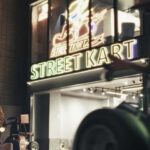
Official Street Go Kart Tour Akihabara 2nd
Book on Viator →Operated by Street Kart · Bookable on Viator
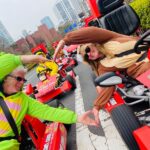
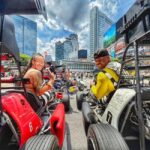
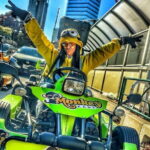
Real streets, cartoon costumes, and Tokyo in one hour. On this Street Kart Akihabara 2nd tour, I loved that you drive real Tokyo streets with a professional lead guide, and I also loved the costume rental that makes every corner—especially Akihabara and Shibuya—instantly more fun.
One thing you must plan for: you’ll need a physical International Driving Permit (IDP) in the 1949 Geneva format, plus your passport, and you should wear closed footwear.
With only up to 6 travelers and a route that takes about 1 hour 40 minutes to 2 hours, the vibe stays friendly and controlled, and guides like MADS, Sam, Billy, Julian, and Khan get praised for clear instruction and close attention to the group.
In This Review
- Quick hits before you book
- Getting Started at Street Kart Akiba 2nd (and why the setup matters)
- Real Tokyo streets: what it feels like (and how safety is handled)
- Tokyo Station (Marunouchi): the red-brick warm-up stop
- Akihabara: game and anime streets from the driver’s seat
- The palace area: you drive around, not in
- Harajuku’s fashion street arch: a moving photo target
- Shibuya crossing: the scramble, the spectacle, and the timing trick
- Price and what your $62.40 actually buys you
- Who this tour fits best (and who should skip it)
- My call: should you book Street Kart Akihabara 2nd?
Quick hits before you book
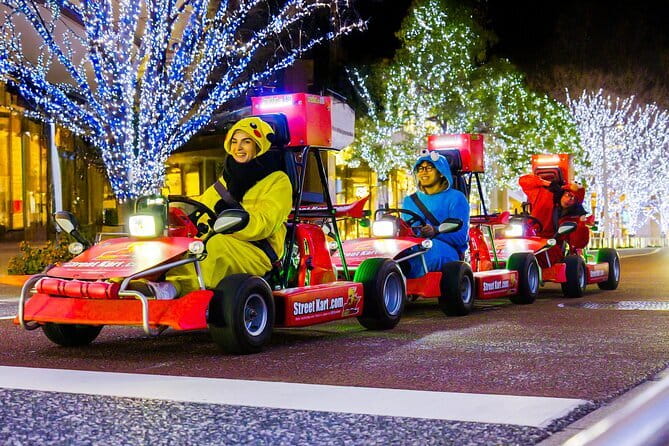
- Real street driving in Tokyo with a lead guide in the kart, not just a photo stop
- Costume rental included, but no Nintendo/Mario-style costumes due to copyright rules
- A small group (max 6), so you’re easier to track and slower to lose
- Iconic hits on the route: Tokyo Station, Akihabara, Harajuku, and the Shibuya scramble
- Photo value is built in: you can get a printed picture at the end, plus picture links
Getting Started at Street Kart Akiba 2nd (and why the setup matters)
You meet at Street Kart Akiba 2nd in Chiyoda City (Kanda Sakumachō), and the activity ends back at the same spot. There’s no hotel pickup, so plan to arrive under your own steam using nearby public transportation.
The first big thing here is what they hand you and what they ask from you. You’ll get a kart rental and costume rental included, and your guide handles the leadership during the ride. That means you’re not wasting time piecing together gear or figuring out routes on your own. You just show up ready to drive.
The second big thing is what you should bring and wear. You’ll want closed footwear. Skirts and long dresses are not advised because you’re going to be moving around in and out of the kart and sitting strapped in. Also, you should let the team know if you have any hearing or mobility impairment, so they can support you safely.
Finally, remember the ride is for drivers only. This is a single-seater setup, with a minimum age of 18. So if your group includes anyone who doesn’t plan to drive, this may not be the best match.
You can also read our reviews of more tours and experiences in Tokyo.

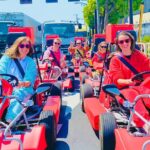
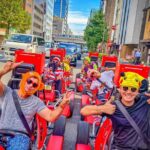
Real Tokyo streets: what it feels like (and how safety is handled)
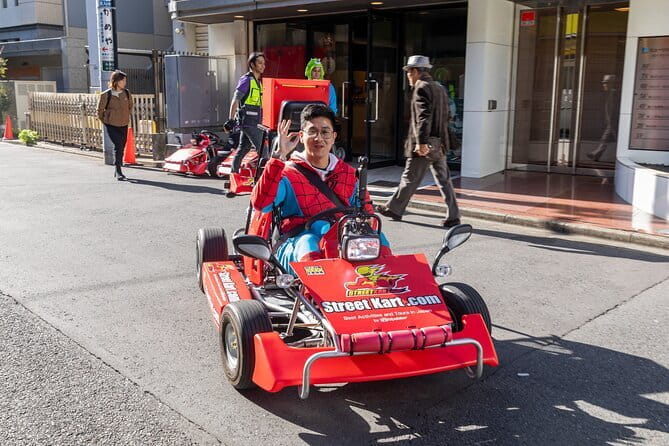
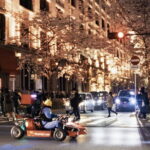
This tour is built around one simple promise: you’ll actually drive karts on Tokyo streets, not just inside a fenced area. That’s why it feels different right away. Tokyo has its own rhythm—crosswalks, lane changes, fast turns—and your job is to follow the rules of the group and the guide’s instructions.
What makes the experience work is the leadership style. The tour includes a lead guide in a kart, and the guide is watching the line, pacing the group, and keeping everyone oriented. In the feedback from riders, the guides who get the most love are the ones who give clear, detailed instructions and actively check that everyone is still together—like looking back to confirm the full group is in place. That’s exactly what you want when you’re new to street driving in a foreign city.
You also get something extra that many tours don’t: photo support. Riders have mentioned guides taking lots of pictures so you can focus on driving instead of constantly fumbling with your phone. There’s even mention of a printed picture at the end and a way to access photos from during the ride. If you want a more cinematic view, action camera gear isn’t included by default, but there is an option mentioned for renting a POV-style camera.
One consideration: you should be mentally ready for traffic-adjacent driving. Even with a guide, you may feel nervous at first. The good news is that the experience is structured so you learn the routine and then get to enjoy it.
Tokyo Station (Marunouchi): the red-brick warm-up stop
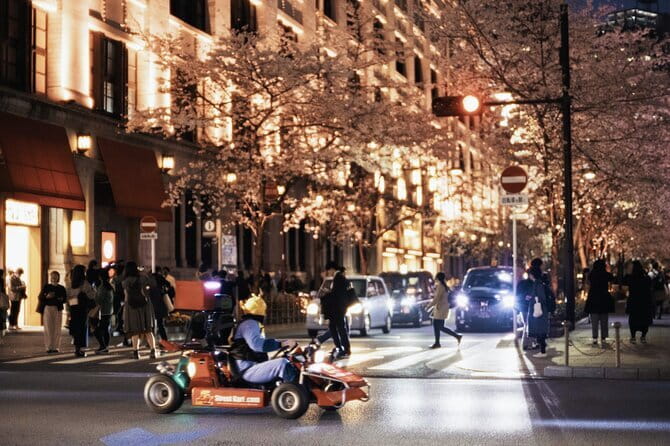
Your first sightseeing stop is at Tokyo Central Railway Station, specifically the restored red-brick look of the Marunouchi-side station building. This is a smart starter point because it gives you a major landmark without needing you to immediately “perform” for the biggest, most chaotic intersection.
The value here is twofold:
- Orientation: you’re in a recognizable, central area where it’s easier to understand where you are.
- Photos: red-brick Tokyo Station is one of those backgrounds that makes even a quick stop look good.
The ride also connects you to the feeling of Tokyo rail culture—bigger than life, very orderly, and full of people moving toward their next plan. It’s a fun contrast to the go-kart chaos (the safe kind).
A small practical note: even though admission is free for this stop, you’re still in a moving tour format. So if you’re the type who needs a full museum-style look, this is more of a quick “big landmark moment.”
Akihabara: game and anime streets from the driver’s seat

Next up is Akihabara, the neighborhood that most people can describe even if they can’t pronounce every side street. This part is about driving through the Japanese anime and game mecca atmosphere, not just standing outside a single shop.
Why I like this stop conceptually: it turns fandom scenery into motion. You’re not waiting for a “perfect photo angle.” You’re seeing the density of signage and the energy of the area while your kart is actually moving.
Another plus: admission is free for the area stop. So you don’t need to budget extra tickets to get the payoff. You’re paying for the act of driving, the costumes, the guide leadership, and the time you spend getting real street views.
Potential drawback? It can feel like a lot to process if you’re overwhelmed by busy city blocks. If you know you tend to get overstimulated, focus on the guide’s instructions and use your phone for casual pictures rather than trying to do everything at once.
The palace area: you drive around, not in
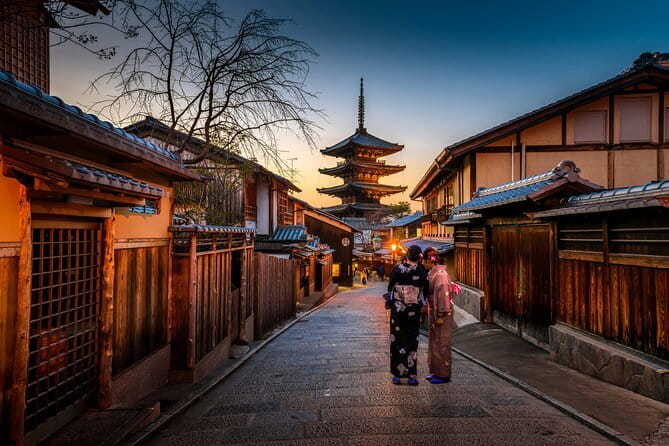
Your route includes time around the palace area, with one clear detail: you won’t drive in the palace itself. Instead, you’ll drive around it.
That matters because you’ll have to adjust your expectations. If you’re hoping for a “palace courtyard driving experience,” this isn’t that. But if you’re happy with the big visual landmarks and the feeling of connecting across central Tokyo, driving around the palace grounds can still be a memorable change of pace.
In practice, palace-adjacent routing often helps the ride feel more dramatic without turning it into a long, slow sightseeing crawl. You get that sense of passing through “official Tokyo” while still keeping the tour momentum.


Harajuku’s fashion street arch: a moving photo target
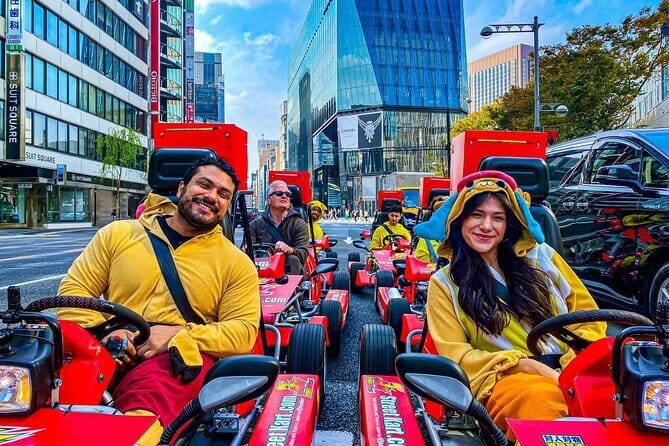
Harajuku is part of the route, and you’ll be near the entrance area for Takeshita street. There’s a neat detail you may enjoy if you like design changes: the entrance arch changes its look throughout the year.
In other words, the arch isn’t just a static landmark. It’s a chance to see what’s current during your visit. That’s a small thing, but it adds local color because it ties your experience to a specific season rather than a generic “always the same” attraction.
This is also where you may notice your costume choice paying off. Harajuku fashion and street style already draw attention. Add a themed outfit and you’ll likely get more smiles, waves, and spontaneous “this is cool” moments. Since your tour is guided and paced, you’re not just walking around trying to blend in.
Shibuya crossing: the scramble, the spectacle, and the timing trick
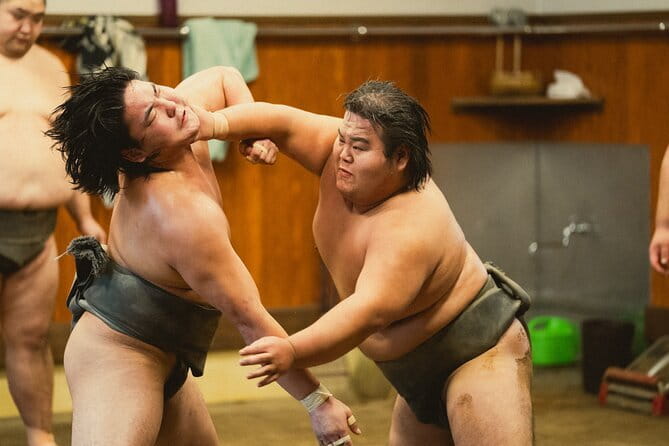
The tour includes driving through the most famous crosswalk in the world: Shibuya Crossing (the scramble). This is the part people picture before they book.
What you’re really paying for here is a moving perspective. From a normal sidewalk viewpoint, you watch the scramble happen. From the kart perspective, you feel the scale and intensity of the intersection while the guide manages the pace.
One practical tip: Shibuya is also where crowds and attention are heaviest. If you’re prone to getting distracted, remind yourself that your first job is following instructions. The payoff is that your kart becomes a front-row seat for the spectacle.
If you can choose timing, evening slots tend to get extra love because Tokyo’s lights can make everything look more dramatic. If you’re aiming for that “Tokyo at night” feeling, you’ll likely be happiest with a later start time.
Price and what your $62.40 actually buys you
At about $62.40 per person, this isn’t a budget activity—but it’s also not “just a photo.” You’re paying for a full street-driving experience with a rented kart and a rented costume, plus a guide in a kart and fuel surcharge coverage.
Here’s what’s included:
- Kart rental fee
- Costume rental fee
- Lead guide in a kart
- Fuel surcharge
What’s not included (and might matter to your budget):
- Food and drinks
- Hotel pickup and drop-off
- Action camera rental gear
- Full coverage insurance (listed as ¥1,000 per person)
So the value question comes down to this: do you want the real street-driving + costume + guide package, or are you mostly after a quick city tour? If you’re the type who loves hands-on experiences and wants a memorable, social-photo moment, the pricing starts to make sense.
Also budget time for the paperwork side. You must carry a physical International Driving Permit (and your passport). That cost and effort can easily be the biggest “hidden” expense, even though it’s not charged by the tour.
Who this tour fits best (and who should skip it)
This experience is a great fit if:
- You’re excited by hands-on fun rather than passive sightseeing
- You’re comfortable following instructions in a moving city setting
- You want a small-group tour (max 6) where safety and attention matter
- You like dressing up and sharing photos
It’s probably not the best fit if:
- You don’t have the right driving paperwork ready before you arrive
- You’d rather walk and explore slowly instead of driving and focusing on the route
- Your group includes non-drivers who want to ride along (karts are single-seaters, and participants must be 18+)
If you want the easiest mental adjustment, go in expecting that the first minutes feel like training. Then, once you’re used to the pace and hand signals, it’s pure fun.
My call: should you book Street Kart Akihabara 2nd?
Yes—if you have the driving permit paperwork sorted and you want a Tokyo experience that’s more than sightseeing. This tour is strong on the basics you actually feel during the ride: a real street drive, a lead guide who manages the group, and costumes that make the whole thing more playful.
Before you book, do two quick checks:
- Make sure you can meet the driving requirements (physical IDP + passport) and wear closed footwear.
- Think about insurance. Full coverage is optional but listed, so decide what level of risk you’re comfortable with.
If you tick those boxes, this is the kind of activity that turns into a story you’ll tell for years: you didn’t just visit Tokyo—you drove through it.