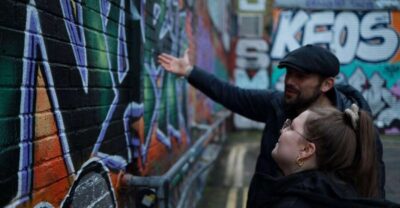
Street art in Rome is not just walls. This route takes you through Garbatella and Tor Marancia, where murals are part of neighborhood life, not just a backdrop for selfies. I especially like how the tour pairs the artwork with the local context, so the walls make sense instead of feeling random.
Two things I really liked: first, you get clear explanations of the mural styles and the stories behind them. Second, the stops are in areas most visitors skip, so your photos and your brain both get a break from the usual Rome routine.
One thing to keep in mind: this experience depends on the day’s weather, and street art walking means you’ll want comfortable shoes and a willingness to be outside for close to three hours.
In This Review
- Key points before you go
- Why this street art route makes Rome feel modern
- Price and time: what $38.41 really covers
- Meeting point: show up ready to start on time
- Stop 1: Quartiere Garbatella street art and neighborhood context
- Stop 2: Museo Condominiale di Tor Marancia and the murals that anchor the route
- How guide Lisa turns walls into stories (and helps for real life)
- What you’ll actually learn about contemporary street art in Rome
- Walking logistics: pace, photos, and water
- Who should book this street art tour (and who should skip it)
- Where this tour fits in your Rome trip
- Should you book the Street Art Tour of Rome?
- FAQ
- FAQ
- How long is the street art tour?
- How much does the tour cost?
- Is the tour offered in English?
- Do I need printed tickets?
- Where do I meet the guide?
- Is admission included for the stops?
- What should I bring for the walk?
- What if the weather is bad?
- Can I cancel for a full refund?
Key points before you go
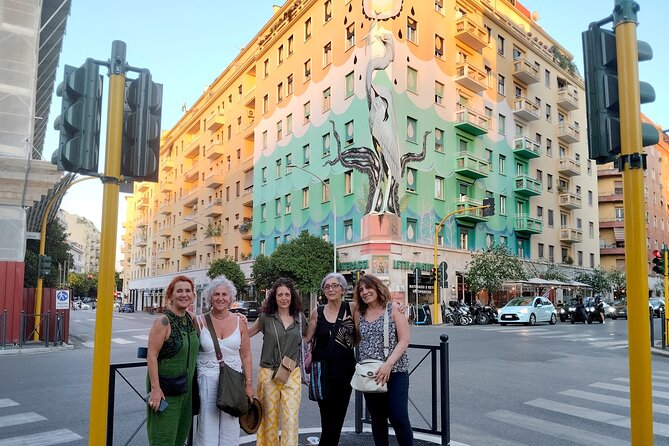
- Garbatella + Tor Marancia: two neighborhoods, two different street art vibes
- Expert local guide (Lisa): story and style, not just pointing at walls
- Mural focus at Tor Marancia: the Museo Condominiale di Tor Marancia is a highlight
- Small group size (max 25): easier questions and calmer pacing
- Mobile ticket + English: simple planning, clear instruction
- Bring a refillable bottle: you can top up at drinking fountains around town
Why this street art route makes Rome feel modern
Rome can feel like a museum—beautiful, yes, but also predictable. This tour gives you a different angle: contemporary art created where people actually live. You’re not just seeing murals. You’re learning how neighborhoods in Rome talk to each other through art.
Garbatella and Tor Marancia work well side by side. You’ll notice that street art here isn’t one style. It’s multiple voices, different techniques, and changing themes. That’s the point: the city’s contemporary scene is active, local, and sometimes surprising.
Also, this route is built around two specific areas that hold the attention. Instead of scattering you across the map, you get time to look closely, ask questions, and connect what you see to the place it came from.
A few more Rome tours and experiences worth a look


Price and time: what $38.41 really covers
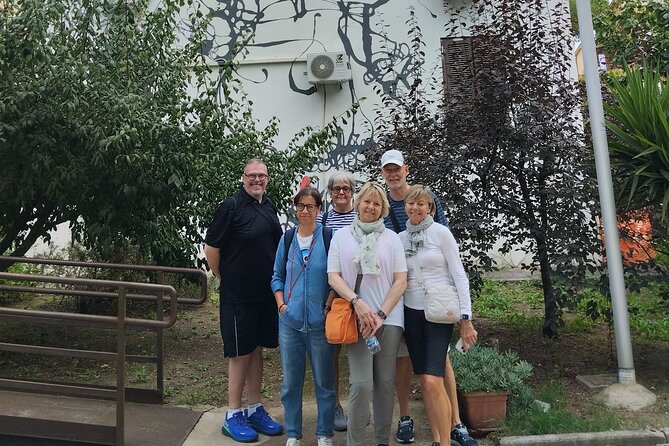
At $38.41 per person for about 2 hours 45 minutes, you’re paying for guided interpretation plus a focused walking plan. That matters because street art can look cool but still be meaningless without context.
Free entry is another value point. The two stops you’ll hit are ticket-free, which keeps the cost predictable. Your money goes toward the guide’s time and the structured route that helps you find the stories behind what you’re photographing.
One practical note: the tour includes walking throughout, so think of it as a concentrated neighborhood experience. If you only do a quick photo loop on your own, you’ll likely miss the explanations that turn the murals into something you can actually read.
Meeting point: show up ready to start on time
You’ll meet at Via Giacinto Pullino, 103, 00154 Roma RM and the tour ends back there. The start location is in a neighborhood area, so it’s not one of those “meet somewhere near a famous landmark” situations. That’s good for avoiding crowds, but it means you should give yourself a little extra buffer.
This tour is near public transportation, which helps. Still, because it starts at a set time, I suggest arriving a few minutes early and doing a quick check that you have your mobile ticket ready.
A small caution from real-world experience: one guest reported arriving at the metro station exactly at the scheduled time and no one was there. That’s not the pattern from the overall ratings, but it’s a reminder that last-minute confusion can happen. If you can, plan to keep an eye on any messages you receive before you leave, and don’t rely on vague meeting points.
Stop 1: Quartiere Garbatella street art and neighborhood context
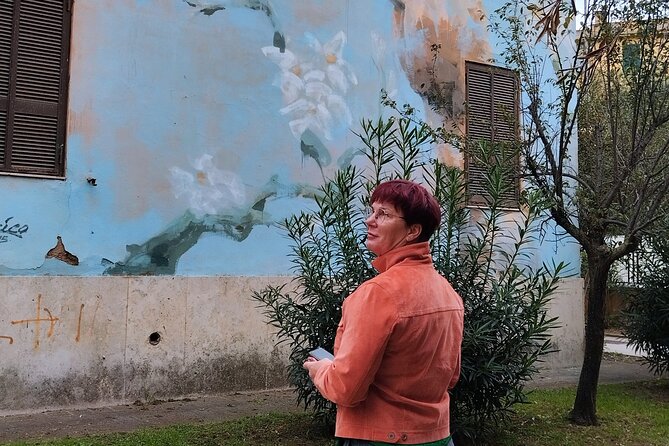
Garbatella is where the tour sets its tone. You’ll spend about 1 hour 30 minutes here, working through the street art and the surrounding architecture. The goal isn’t only photos. It’s understanding how murals fit into a real neighborhood.
What makes this stop valuable is the way the guide frames the murals. You’ll hear stories behind the works and learn about contemporary history connected to the area. In plain terms: you’re learning what the artists were responding to, and how the neighborhood has changed over time.
Garbatella also gives you room to compare styles. As you walk, you start to spot the differences in line, scale, and message. That makes the second neighborhood easier to appreciate because you’ll already have a mental baseline.
Potential drawback to consider: because you’re looking at both street art and architecture, this stop can be a lot to take in if you’re rushing. Give yourself permission to slow down. If you’re the type who snaps and moves, you’ll need to consciously pause to get the most out of the explanations.
Stop 2: Museo Condominiale di Tor Marancia and the murals that anchor the route
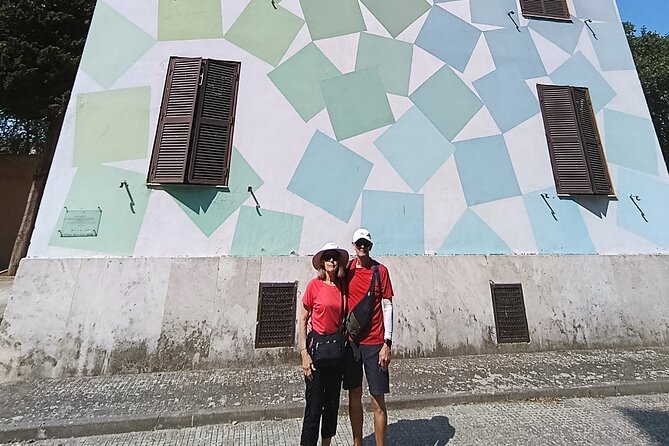
Tor Marancia is the highlight stop for street art fans. You’ll spend about 1 hour here at the Museo Condominiale di Tor Marancia, where the murals are described as the standout moment of the whole experience.
This is the kind of place where the art feels built into everyday life. Instead of being a single showpiece, it connects to the neighborhood’s spaces and rhythms. That’s why the guide’s commentary matters. Without context, it can be easy to view murals as decoration. With context, they become a visual record of ideas, people, and local identity.
If you care about both well-known artists and up-and-comers, Tor Marancia is where that balance comes into focus. You’re not only seeing names you might recognize. You’re also getting the sense of who is active now and how the scene is evolving.
Photo note: this stop is about murals, so bring your best patience for viewing distances. Don’t just shoot straight on. Look slightly up, look at texture, and check how pieces connect to the surrounding walls.




How guide Lisa turns walls into stories (and helps for real life)
The biggest consistent praise in the experience is the guidance. The name that comes up is Lisa, and the feedback points to a few things that matter for you on the ground.
First, Lisa is described as kind and professional, with explanations that connect the art to the neighborhood. That’s not just “cool commentary.” It’s the difference between looking at street art and actually understanding why it exists.
Second, the tour pace seems built for people who like to ask questions. That matters because street art is personal. It’s political, social, historical, and sometimes just plain weird in a good way. The more you can talk through what you’re seeing, the better the tour lands.
And yes, there’s a real-life support moment in one review: Lisa reportedly called a taxi for a guest and stayed until it arrived. That kind of “we’re not leaving you hanging” effort is exactly what you want from a local guide, especially in a neighborhood setting where you may not have a giant tour group to rely on.
One more nice touch mentioned: coffee and tips on the way. Even when you don’t want coffee, it signals the guide is paying attention to comfort and momentum, not just reciting facts.
What you’ll actually learn about contemporary street art in Rome
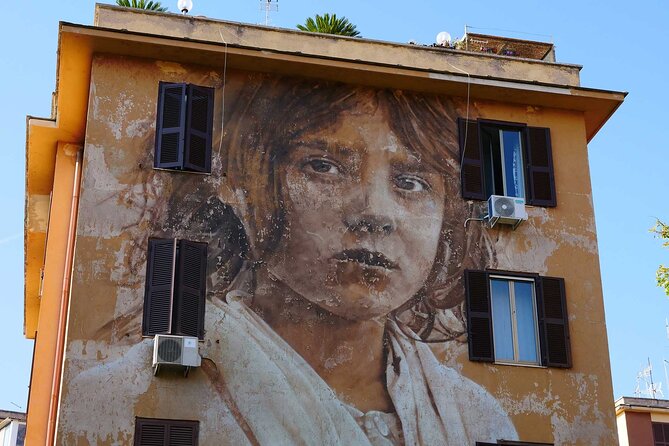
This tour isn’t about memorizing artist biographies. It’s about learning how the contemporary Rome art scene communicates.
Here’s what that usually means in practice when you’re walking these two neighborhoods:
- You’ll connect murals to the stories of the places they’re in
- You’ll learn how styles differ from one area to another
- You’ll hear about artists you’ve heard of, plus those building a name now
- You’ll leave with a “how to look” mindset, so future street art makes more sense
That last part is important. Rome’s street art isn’t limited to these stops. Once you understand the local storytelling, you’ll start noticing symbols, techniques, and themes as you wander later.
Walking logistics: pace, photos, and water
Because the tour is almost three hours, plan to move at a comfortable walking pace. You’ll have about 1 hour 30 minutes at Garbatella and 1 hour at Tor Marancia, plus time for walking between points and getting oriented.
You should also plan for the weather. Street art tours are outdoors, and the tour can be canceled due to poor weather, with either a different date or a full refund.
Bring water. Bottled water is not included, but you can refill your bottle at drinking fountains around the city. That’s a small thing that makes a big difference once you’re out in the Rome sun.
For photos, don’t just focus on the mural as a flat image. Look at how it interacts with the building details nearby. The architecture matters here, especially at Garbatella, where you’ll see both art and neighborhood form.
Who should book this street art tour (and who should skip it)
This tour is best for you if:
- You like modern art, not only ancient monuments
- You want Rome that feels local and lived-in
- You enjoy explanations that help you “read” what you’re seeing
- You’re happy walking for close to three hours
It might not be the best fit if:
- You only want big-ticket sights like the Colosseum or Vatican-level landmarks
- You get restless with guided walking and want total freedom
- You dislike being outside for weather-dependent experiences
Also, because the group maximum is 25 travelers, it’s large enough to have energy, but small enough that the guide can still give attention. That blend is usually good for learning without feeling trapped.
Where this tour fits in your Rome trip
I like placing this sort of neighborhood tour early in your trip. It changes how you look at the city. After you understand how contemporary murals work in Rome, your later walks feel more informed and less random.
If you’re pairing this with classic sights, plan it on a day when you can handle a couple of walks. This is not a “rest day in the middle.” It’s a purposeful neighborhood day.
And if you’re worried about missing a must-see, don’t. You’re still in Rome. You’re just getting a different Rome than the usual postcard route.
Should you book the Street Art Tour of Rome?
Yes, book it if you want contemporary Rome that’s tied to real neighborhoods. The strongest reason is the combination: two specific areas, a guide who explains the art and the context, and time to actually look instead of speeding through.
For value, the pricing makes sense because you’re paying for expert interpretation and a structured walk. And since the main stops are ticket-free, you’re not hit with surprise entrances.
The only real “wait and watch” factor is weather. If the forecast looks rough, you’ll need flexibility. If you’re good with that, this tour is a smart way to add modern creativity to your Rome without spending a fortune or getting stuck in the busiest lanes.
FAQ
FAQ
How long is the street art tour?
It’s about 2 hours 45 minutes (approx.).
How much does the tour cost?
The price is $38.41 per person.
Is the tour offered in English?
Yes, it’s offered in English.
Do I need printed tickets?
No. You’ll have a mobile ticket.
Where do I meet the guide?
The meeting point is Via Giacinto Pullino, 103, 00154 Roma RM, Italy.
Is admission included for the stops?
Yes. The two stops listed have ticket-free admission.
What should I bring for the walk?
Bring comfortable shoes and a water bottle. Bottled water is not included, but you can refill at drinking fountains.
What if the weather is bad?
The experience requires good weather. If it’s canceled due to poor weather, you’ll be offered a different date or a full refund.
Can I cancel for a full refund?
Yes, you can cancel up to 24 hours in advance for a full refund.