REVIEW · ROME
Rome street art tour: off the beaten path with a local guide
Book on GetYourGuide →Operated by Rome Travelogues · Bookable on GetYourGuide
Street art in Rome is easy to miss unless you go where locals live. With Lisa leading the way, this Rome street art tour takes you off the main sightseeing routes to Garbatella and Tor Marancia, where the murals come with real neighborhood context. I especially like how the walk blends art with everyday Roman history, and how the route keeps you moving—so you’re not just staring at walls, you’re learning why they matter.
One thing to weigh: it’s a proper 2.5-hour walk (about 4 km total), so comfortable shoes matter. If you’re trying to keep your day ultra-light, this may feel like more effort than the art-focused stops.
In This Review
- Key highlights worth your attention
- Rome street art in Garbatella and Tor Marancia: what you’re really paying for
- Getting to Garbatella: the simplest plan that actually works
- Meet Lisa: a local guide who connects walls to Roman life
- Garbatella murals: monuments, planning, and why the streets feel different
- Tor Marancia: Rome’s open-air contemporary art stop
- The walking rhythm: 4 km, cameras, and sensible breaks
- What you’ll learn besides the art
- Who this tour suits best (and who should choose another plan)
- Should you book this Rome street art walk?
- FAQ
- Where is the meeting point for the tour?
- Which metro line should I take to reach Garbatella?
- How long is the tour?
- What neighborhoods will we visit?
- About how many murals will we see?
- Is gelato included?
- What’s included in the price?
- What should I bring or wear?
Key highlights worth your attention
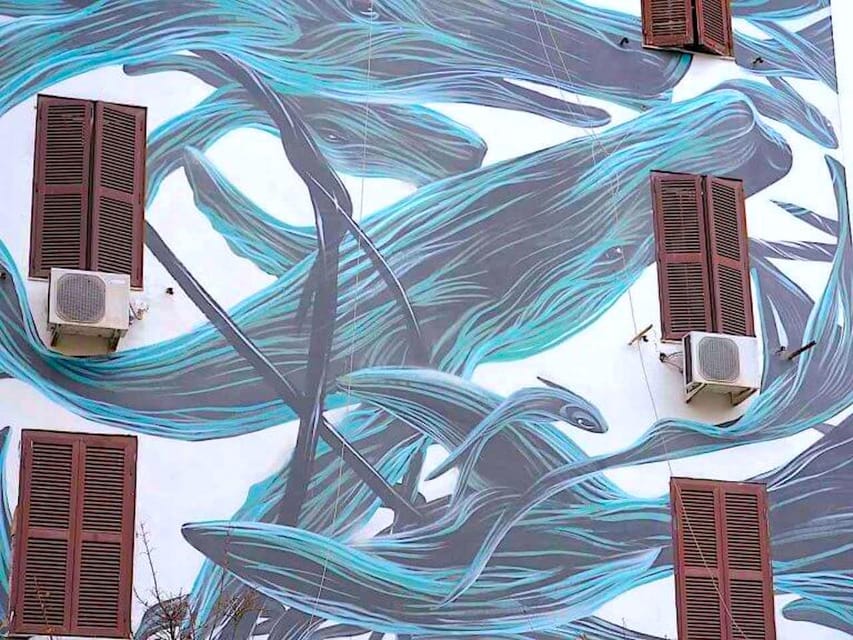
- Garbatella murals plus monuments in a district shaped by early 20th-century architects
- Tor Marancia’s open-air contemporary art with standout wall works you won’t forget
- About 30 murals and learning about authors and background as you go
- A 4 km ring walk that stays off the busiest tourist tracks
- Lisa’s English and storytelling style that turns street art into a neighborhood lesson
Rome street art in Garbatella and Tor Marancia: what you’re really paying for
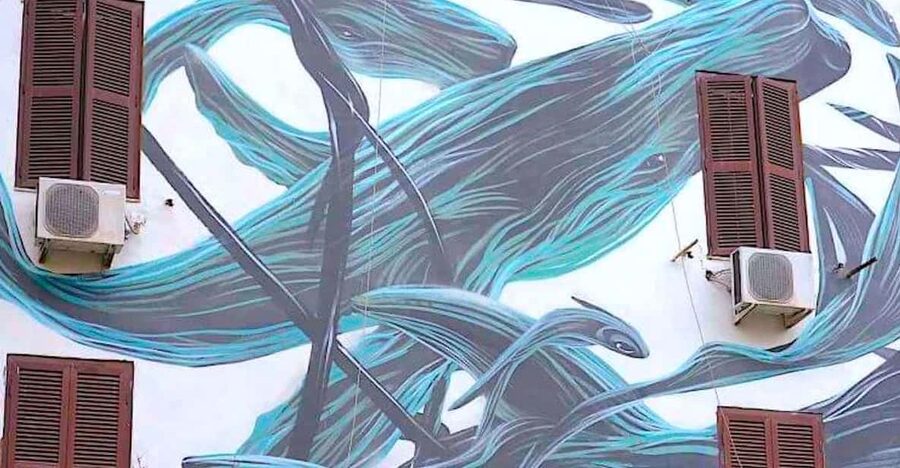
At $41 per person for about 2.5 hours, you’re not paying for a long bus ride or a big ticket museum. You’re paying for a local guide-led walk that trades “time in transit” for time in the streets—plus a lot of explanation that helps murals make sense.
The value here is the ratio: you cover roughly 4 km and you get to see around 30 murals, with the “who/what/why” behind them. That kind of context is the difference between spotting pretty graffiti and actually understanding how art threads into Roman community life.
If you love street art—or you’re curious but don’t know where to start—this format is ideal. It’s small enough to feel personal, but structured enough that you don’t wander randomly looking for painted walls.
You can also read our reviews of more guided tours in Rome



Getting to Garbatella: the simplest plan that actually works
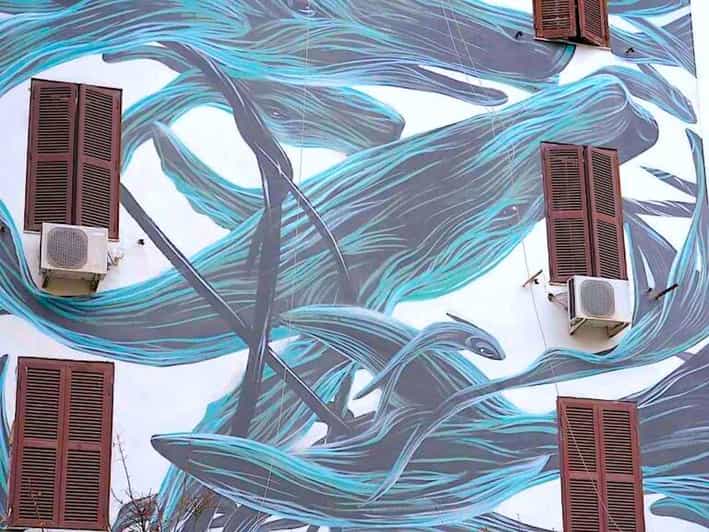
The tour meets at the exit of Garbatella Metro Station, right where you’ll see a little colored amphitheater. That’s your easy visual cue—no guesswork, no sprinting down platforms.
For getting there, use the Metro B line (the blue line) and get off at Garbatella. This matters because street art tours can be annoying if they rely on complicated connections or lots of taxis. Here, the metro gets you close to the neighborhoods the tour is built around.
A practical tip: once you pop out of the station, take a quick look around before you start moving. The meeting spot is right in that “first sight” area, so it saves time and stress when you’re traveling with a camera and maybe a bottle of water.
Meet Lisa: a local guide who connects walls to Roman life
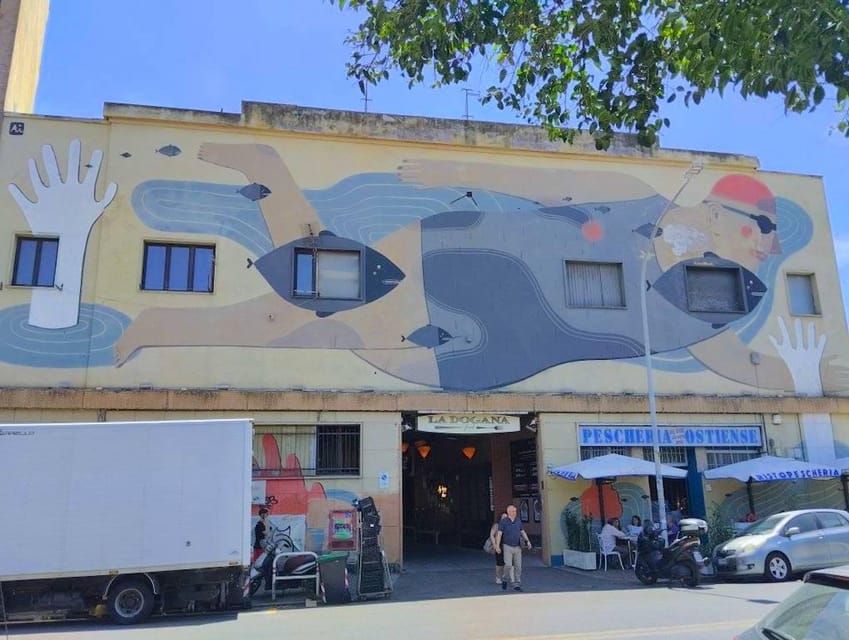
Lisa is a Rome-born, Rome-raised guide who’s passionate about street art and the hidden sides of neighborhoods that tourists often skip. In practice, her role isn’t just pointing at artwork. She ties each stop to the area’s story—so the murals feel like part of the city, not random decorations.
Her English is specifically noted as strong, which is a big deal on a walking tour. You want to hear the details clearly while you’re moving—especially when she’s talking about mural authors and the history of the neighborhoods hosting the art.
And there’s a second layer: Lisa’s approach makes this feel like an urban walk with a friend who knows the city’s “back chapters,” not a lecture with a megaphone. That balance shows up in how the tour flows from murals to monuments to another neighborhood without losing your attention.
Garbatella murals: monuments, planning, and why the streets feel different
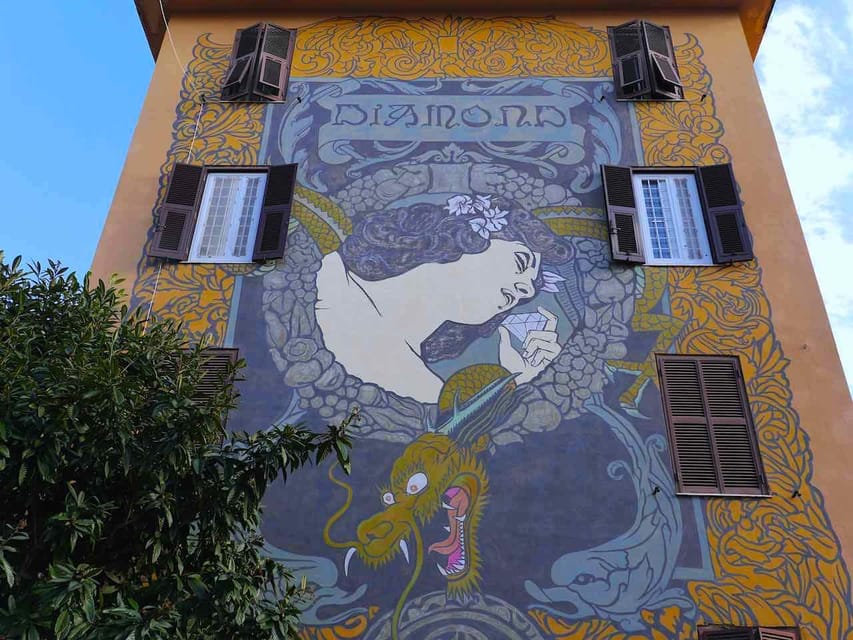
You start in Garbatella, and it’s not just because there are murals here. The district itself is part of the show. Garbatella has a distinctive layout that was shaped by architects from the early 20th century, and you can feel that design in the streets as you walk.
During the Garbatella portion, you’ll see multiple murals and monuments in the neighborhood. The payoff is that you’re not only learning about street art styles—you’re learning how the area’s identity and history shaped where the art shows up and what it says.
This is also where the tour helps you slow down. Rome has a way of pulling you forward to the next famous postcard. This walk flips that. It encourages you to pay attention to local scale: building faces, side streets, and the visual rhythm of a neighborhood that doesn’t need to impress a cruise crowd to be interesting.
Tor Marancia: Rome’s open-air contemporary art stop
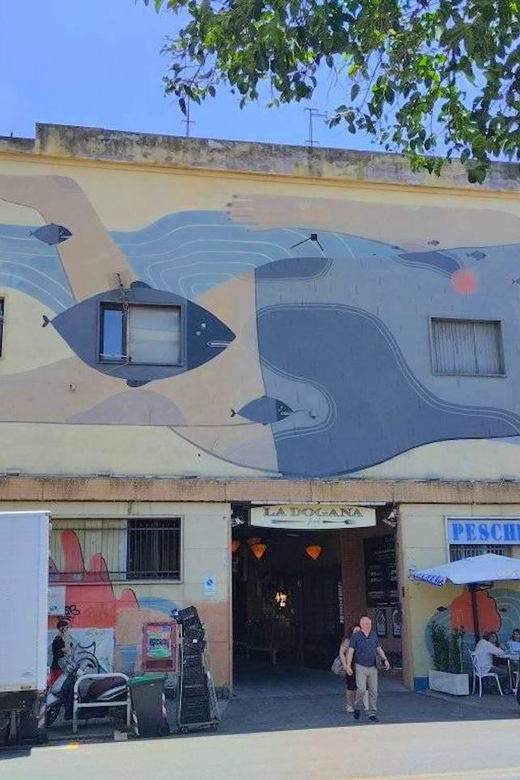
After Garbatella, you head toward Tor Marancia, and this part is described as an open-air museum of contemporary art. That’s a useful way to think about it: you’re not looking for one “big wall,” you’re seeing street art as a living gallery spread across public spaces.
Tor Marancia is where the tour energy shifts from discovery to “wow, okay, this is why you came.” You’re still learning as you go, but the setting makes the artwork feel more concentrated and memorable.
If you’re the type who likes contemporary art, this is the section that often makes the strongest impression. Even if you normally ignore street art, the idea of treating the neighborhood as a museum makes you look harder—and in a good way.
A few more Rome tours and experiences worth a look




The walking rhythm: 4 km, cameras, and sensible breaks
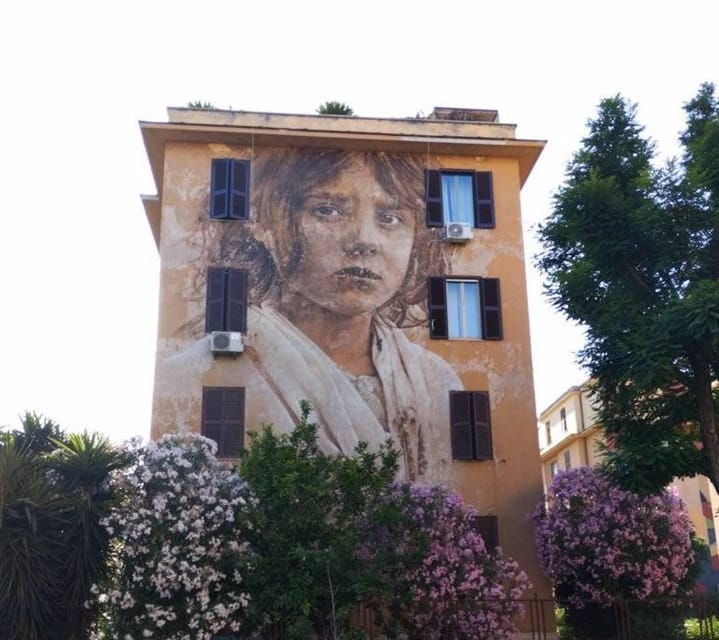
This tour is built around a ring walk of about 4 km, and it lasts around 2.5 hours. That timing is important. It gives you enough time to see around 30 murals, but it’s not so long that you burn out before you reach the best parts.
You’ll be on your feet, so comfortable shoes are mandatory. In summer, bring a hat, and keep water handy—especially since this is Rome and your pace will slow down when the sun gets serious.
The guide encourages a practical stop rhythm too. There’s optional time for gelato if you want it, but it’s not required. If you want the full experience, I’d plan to keep gelato as a reward, not a mission.
And yes, bring a camera. You’ll want photos, but also remember to put it down for a minute now and then. Street art is often about texture and context, and the neighborhoods give you that context only when you’re actually looking at the surrounding street—not just the painted surface.
What you’ll learn besides the art
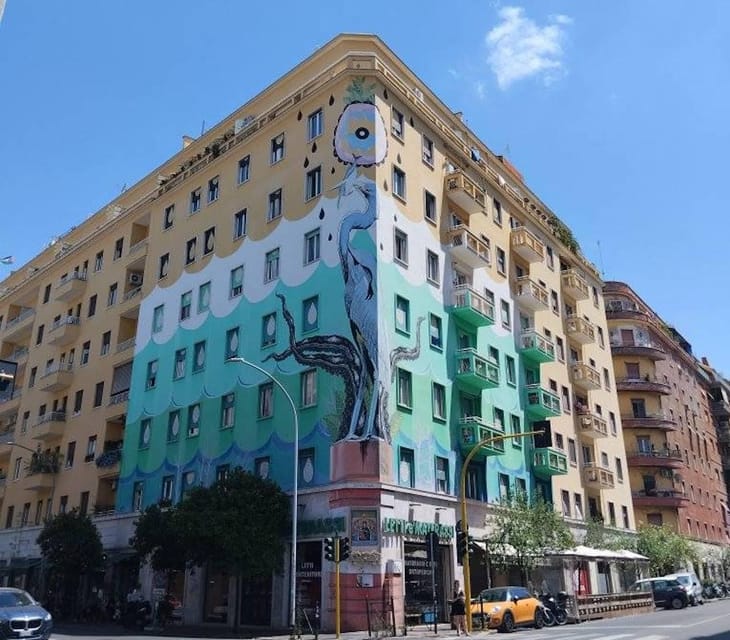
This isn’t a “street art 101” tour where you leave knowing only art terms. You learn the history of the areas hosting the murals, plus the authors behind the works, as you visit each neighborhood section.
That matters because murals often have a way of reflecting what a community values or questions at a given moment. When you know the neighborhood context, the same artwork can feel more serious, more playful, or more political—depending on what’s behind it.
Also, the tour’s structure helps you retain what you learn. You move from one cluster to the next, so you’re building a mental map. And because you return toward the start through more street art, the “whole picture” clicks by the end.
The result is that you don’t just see Rome from one angle. You learn how art can act like a local language—something people use to communicate inside their own city.
Who this tour suits best (and who should choose another plan)
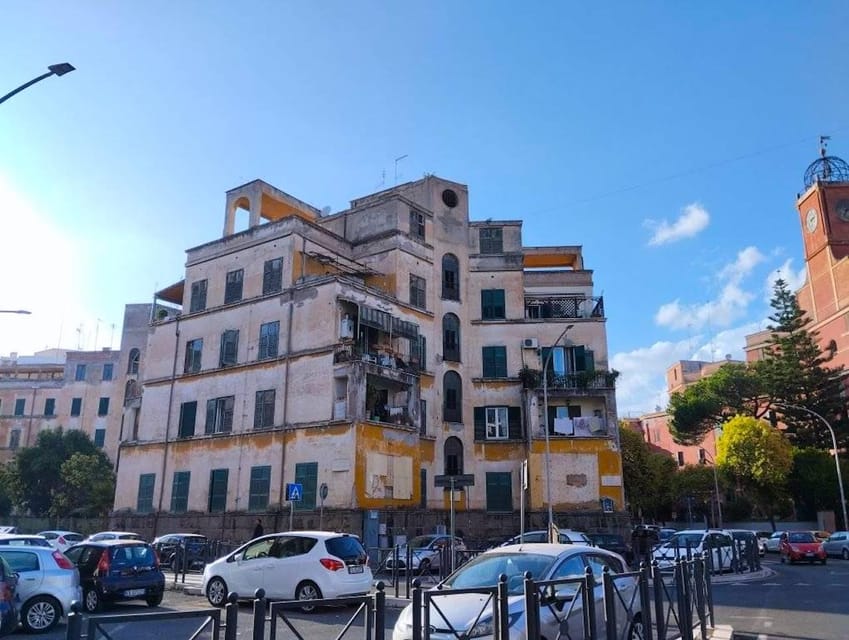
This is a great match if you:
- Want a Roman neighborhood experience rather than only major landmarks
- Like contemporary art but want context that doesn’t require homework
- Prefer a walk where you can ask questions and keep moving
It may not be the best fit if you:
- Hate walking that long even at a relaxed pace
- Are only interested in the classic sights and nothing else
- Need a very rigid, landmark-by-landmark schedule without any flexibility
A helpful middle ground: if you’re doing the big attractions on other days, this one gives you a contrasting Rome day—the city you see when you’re not chasing the top ten postcards.
Should you book this Rome street art walk?
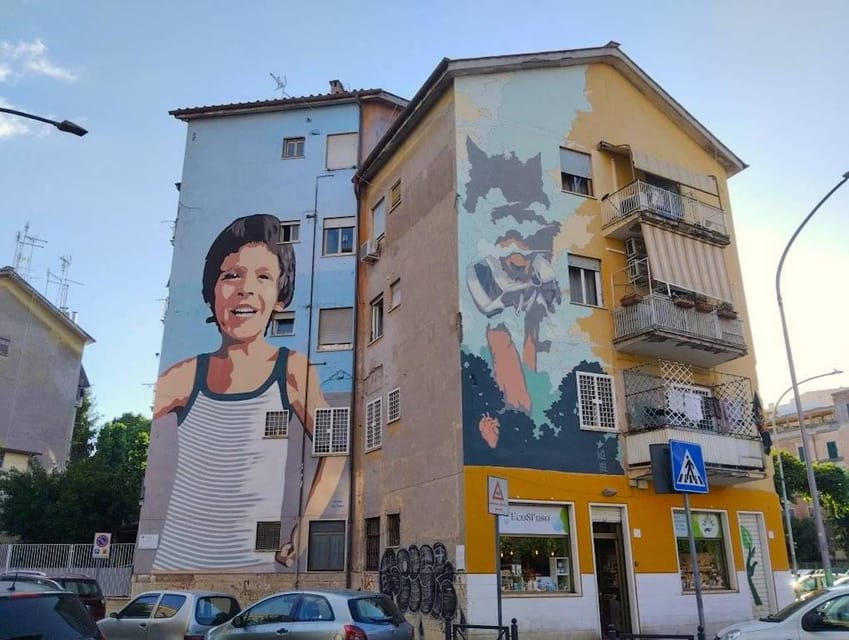
Book it if you want Rome that feels lived-in. This tour gives you a serious dose of street art—about 30 murals—but the real advantage is that Lisa connects the walls to the neighborhoods so you’re not just taking photos, you’re understanding the place.
Skip it if walking 4 km in 2.5 hours sounds like a struggle for you. Otherwise, go for it. You’ll come away with a different mental map of Rome, one where Garbatella and Tor Marancia feel like chapters in the same story, not side streets you happened to pass.
One last practical thought: pack like you’re going to be outside. Water bottle, hat in summer, and comfortable shoes will turn this into an easy win instead of a sweaty chore.
FAQ
Where is the meeting point for the tour?
You meet at the exit of the Garbatella Metro Station, at the spot where you’ll see a little colored amphitheater.
Which metro line should I take to reach Garbatella?
Use the Metro B line (the blue line) and get off at Garbatella.
How long is the tour?
The tour lasts 2.5 hours.
What neighborhoods will we visit?
You’ll tour murals in Garbatella and then Tor Marancia, and the walk returns to the starting area through more street art.
About how many murals will we see?
You can expect to see about 30 murals during the walk.
Is gelato included?
No. Gelato is optional, and you can stop for it if you want.
What’s included in the price?
The price includes a walking tour with a local guide.
What should I bring or wear?
Wear comfortable shoes (mandatory). During summer, a hat is recommended, and you should bring a water bottle—there’s a chance to refill it for free during the walk.