REVIEW · TOKYO
Ueno and Yanaka Culture Art Walking Tour in Old Tokyo
Book on Viator →Operated by Snow Monkey Resorts Tours (Machinovate Japan Ltd.) · Bookable on Viator
Ueno and Yanaka feel like two different Tokyos. This Ueno Park to Yanaka walking route strings together museums, shrines, and older neighborhood streets, so you get a real sense of how Tokyo used to feel in the Shitamachi, or lower-city, world. You start at Ueno Station, spend time outdoors for temples and parks, then finish near Nippori.
I especially liked Beth as the guide—friendly, focused, and the kind of person who answers questions without steamrolling your pace. I also loved the mix of big, memorable sights like the life-sized blue whale model, alongside the small, human details in side streets and markets.
The main thing to consider is simple: this is several hours of outdoor walking with no private vehicle. If you’re sensitive to pace or distance, plan comfy shoes and a slow-and-steady attitude.
In This Review
- Key takeaways before you go
- Ueno to Yanaka: two Tokyo moods in one long walk
- Getting to the start at Ueno Station (and why the exit matters)
- Stop 1: National Museum of Nature and Science, Ueno’s big indoor anchor
- Stop 2: Ueno Park temples, shrine vibes, and a lake-side reset
- Stop 3: Ameyoko shopping street with context (plus a real lunch break)
- Stop 4: Yanaka’s workshop-museum stop where art meets neighborhood memory
- Stop 5: Yanaka Ginza, cats, and the calm rhythm of lower-city shops
- Stop 6: Yanaka Cemetery and the temple quiet you didn’t know you needed
- Price and what $148.93 really covers
- Logistics that actually affect your day
- Who this tour is perfect for
- Should you book this Ueno and Yanaka Culture Art Walking Tour?
- FAQ
- How long is the Ueno and Yanaka Culture Art Walking Tour?
- What does the tour cost?
- Where does the tour start and end?
- Is the tour done by walking only, or is there a vehicle?
- What’s included in the price?
- Are food and drinks included?
- Are trains to and from the tour included?
- How many people are in a group?
- Does it use a mobile ticket?
- Is there a free cancellation window?
Key takeaways before you go
- Beth’s calm, clear guidance helps you notice details you’d likely miss on your own
- Ueno Park + museums + shrine time gives you both big-name and quietly meaningful sights
- Ameyoko is not just shopping—you get context before you break for lunch
- Yanaka Ginza rewards slow walking with cat statues and old-school neighborhood shops
- Yanaka Cemetery offers a true pause with Buddha statues and a calmer tempo
- Small group size (max 15) makes it easier to ask questions and stay together
Ueno to Yanaka: two Tokyo moods in one long walk
This tour works because it doesn’t try to cram in Tokyo’s “big sights” over and over. Instead, it takes you from museum-heavy Ueno into Yanaka, where you’ll feel the older, more residential side of the city—less rush, more alleyway life.
You’re not just sightseeing. You’re learning how these areas fit together: Ueno as a cultural hub, and Yanaka as a neighborhood that still keeps that lower-city character. You end up with a Tokyo day that feels like a story arc, not a checklist.
You can also read our reviews of more walking tours in Tokyo

Getting to the start at Ueno Station (and why the exit matters)
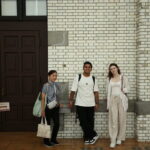
You’ll meet at Ueno Station, near 7 Chome-1 Ueno, Taito City. The tour suggests taking the JR Yamanote Line and using the route closest to the PARK GATE exit, which is a small detail that can save real stress when you’re juggling a big station.
You start at 9:30 am, and the whole day is built for walking after that. My advice: arrive a few minutes early, and use the meeting-area map on your phone so you don’t waste energy hunting on the day itself.
Stop 1: National Museum of Nature and Science, Ueno’s big indoor anchor
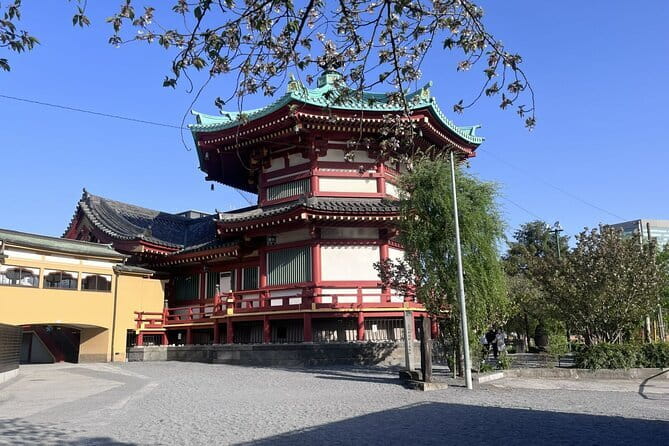
The day begins at the National Museum of Nature and Science. It’s a strong opener because it gives you a “wow” moment early, before the outdoor walking starts stacking up.
What I like about this stop is that it’s not treated like a random museum drop-in. You get an introduction to the museum and its history, plus a guided look at main attractions. Expect standout items like a life-sized Blue Whale model and a steam locomotive on display, plus other featured sights the guide brings to your attention. Admission is included, so you’re not doing cost math in your head while you’re trying to enjoy the place.
A quick practical note: museums can be deceptively spread out. If you tend to get tired in large buildings, this guided structure is a help. You’ll still see the highlights without turning the visit into a marathon.
Stop 2: Ueno Park temples, shrine vibes, and a lake-side reset
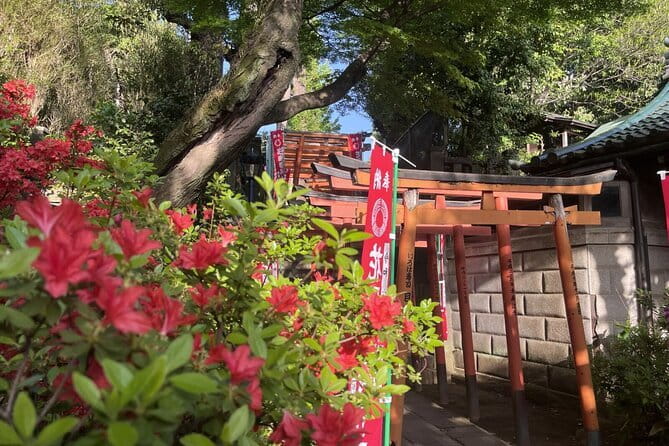
From museum indoor time, the tour shifts to Ueno Park—and this is where the day’s mood changes. Ueno Park is expansive, and it’s one of the best places in Tokyo to slow down for a while without leaving the city.
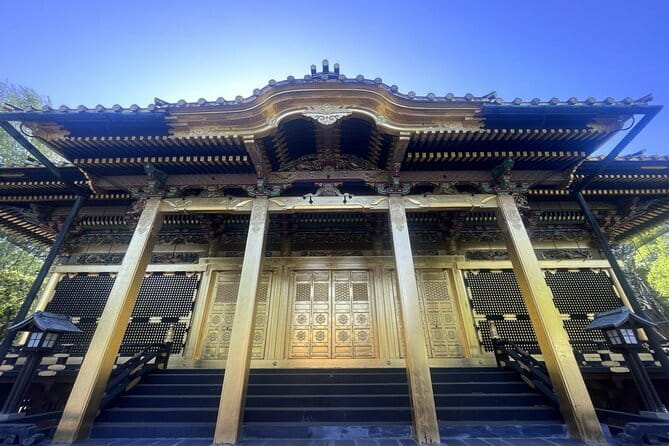
You’ll spend about 1 hour 30 minutes exploring temples, shrines, and park nature, including time around the lake area. Admission is included for the relevant shrine/temple visits tied to this segment, and the guide helps you understand what you’re seeing as you walk.
If you’ve only visited Tokyo’s central corridors, this is a helpful contrast. Ueno Park gives you space: birds, open paths, and the feeling that you can breathe for a bit. It’s also a good place to reset your legs before you move into shopping streets later.
Stop 3: Ameyoko shopping street with context (plus a real lunch break)
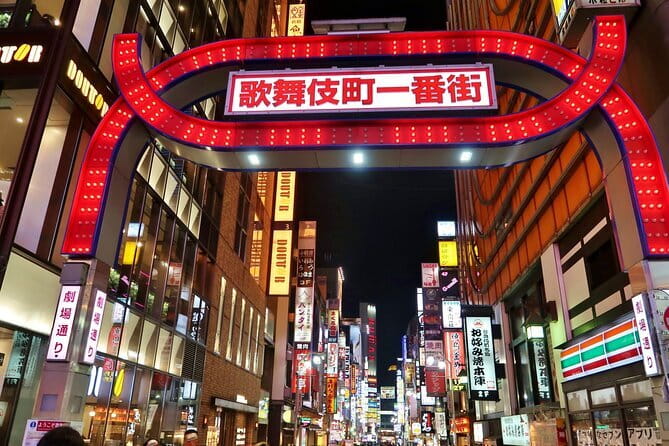
Next comes Ameyoko, the retro-style shopping street tied to Ueno. This part is fun because it’s lively, but it’s also easy to get lost in if you treat it like pure browsing.
The tour gives you a guided history and significance briefing before you head into free time. That means you’re not just walking past storefronts—you’re picking up why this area matters and how it developed into what it is now. After that, you get a lunch break to explore and eat on your own.
Food and drink aren’t included, so budget for what you feel like eating. My tip: use the free time to grab something simple and quick first, then enjoy the browsing after. If you wait too long, you can end up hungry while you’re still in discovery mode.





Stop 4: Yanaka’s workshop-museum stop where art meets neighborhood memory

Then the tour shifts into Yanaka, a classic Shitamachi district known for traditional streets and fewer crowds compared with Tokyo’s flashier zones. Yanaka is where you start to feel the city as lived-in, not staged.
You’ll visit a museum in Yanaka that connects to a famous Japanese sculptor’s workshop and family house. Admission is included for this stop, and the guide helps you see why the space matters—because it’s not just art on a wall. It’s a setting shaped by making and daily life.
This stop is especially worth it if you like cultural details that don’t require you to already know Japanese art history. The structure of the visit keeps it grounded, so you’re not staring at information panels wondering what matters most.
Stop 5: Yanaka Ginza, cats, and the calm rhythm of lower-city shops
After the museum stop, you’ll walk Yanaka Ginza, a shopping street where the pace feels gentler. It’s also known as cat town, so keep your eyes open for cat statues and cat-themed items as you go.
This segment is about 1 hour, and it’s free to enter—meaning you spend your time walking, looking, and absorbing the neighborhood feel rather than lining up for attractions. The guide’s walk helps you notice the little things: the storefront styles, the side-street textures, and the way locals use the area.
My advice here is to slow down. Yanaka rewards patience. If you try to speed-run it, you’ll miss the charm that makes the whole day feel different from a standard sightseeing circuit.
Stop 6: Yanaka Cemetery and the temple quiet you didn’t know you needed

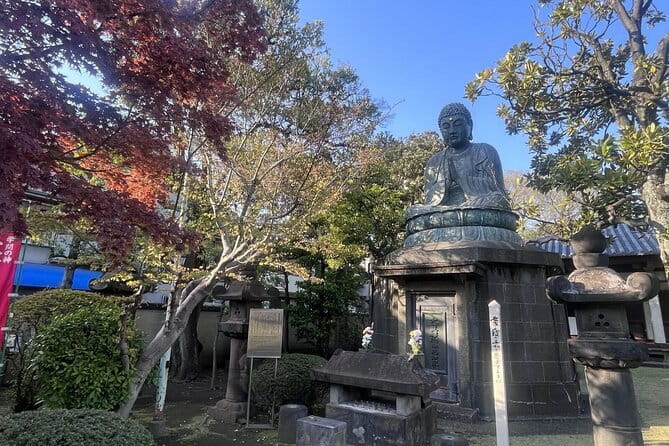
The final stop brings you to Yanaka Cemetery, starting with a Buddhist temple visit featuring impressive Buddha statues. This is where the tour gives you an intentional pause.
You’ll have about 1 hour here, including time to rest among the tranquility. Then you’ll walk through the cemetery and along Sakura-dori (named for the cherry blossoms you might associate with Japan’s spring, even if you’re there any other season).
This ending works well for two reasons. First, it gives your day a softer landing after busy shopping streets. Second, the setting helps you process what you’ve seen—Ueno’s cultural institutions, then Yanaka’s lived-in heritage.
If you’re tired by this point, that’s normal. Take a moment, look around, and let the noise drop away. It’s not just pretty; it’s a tonal reset.
Price and what $148.93 really covers
At $148.93 per person for about 7 hours 30 minutes, the price is not low. But value comes from what’s included and what’s handled for you.
You get a local English-speaking guide, and admission fees for the museums and Toshogu Shrine visits are covered. That’s important because without guide structure, you’d likely spend part of your day managing tickets, figuring out routes, and trying to decide what to prioritize in Ueno Park.
Where the cost doesn’t help is meals and drink—you’re paying for your own lunch in Ameyoko. Trains before and after the tour aren’t included either. Still, the core “sightseeing package” part is covered, and since this is a walking day, someone is essentially helping you turn distance into a coherent plan rather than random wandering.
Small group size matters too. With a max of 15 people, you’re not stuck in a long conga line that makes asking questions awkward.
Logistics that actually affect your day
This tour doesn’t use a private vehicle. You’ll be outdoors for several hours, which means weather matters. Tokyo can swing from warm to sudden cool spells, so check the forecast and dress in layers.
Also, note the route flow: Ueno Station at the start, then walking through Ueno into Yanaka, with the end at Nippori Station. That’s convenient if your day includes travel onward from Nippori, but it’s another reason to plan your end-of-day train route early.
Finally, you use a mobile ticket. That’s usually simple, but make sure your phone battery is healthy and your confirmation is easy to find.
Who this tour is perfect for
If you like Tokyo neighborhoods and you enjoy museums but don’t want to treat them as separate trips, this fits well. It’s also a great match for people who want more than photos—who want the why behind what they’re seeing.
You’ll likely enjoy it most if:
- you want a mix of indoor and outdoor time without heavy stress
- you care about shrines, temples, and park space, not just modern districts
- you prefer calmer streets and cultural texture in Yanaka
If you’re visiting Tokyo for the first time and feel overwhelmed by too many choices, this guided structure can be a relief. It gives you a meaningful route that looks at the city from a different angle than the usual high-speed highlights.
Should you book this Ueno and Yanaka Culture Art Walking Tour?
I’d book it if you want a day that feels distinctly Tokyo-y in a quieter way. The combination of Ueno Park’s religious and natural spaces, Ameyoko’s street identity, and Yanaka’s older neighborhood rhythm is a smart trio.
I wouldn’t book it if you hate walking for long stretches or you’re expecting a mostly indoor, short-duration experience. The outdoor time is a real factor, and you’ll feel it by the end—though Yanaka Cemetery’s calm stop is a nice payoff.
If you’re flexible, comfortable with a long stroll, and you like culture that’s grounded in everyday places, this tour is a strong way to spend your time.
FAQ
How long is the Ueno and Yanaka Culture Art Walking Tour?
It runs for about 7 hours 30 minutes.
What does the tour cost?
The price is $148.93 per person.
Where does the tour start and end?
It starts at Ueno Station (7 Chome-1 Ueno) and ends at Nippori Station (2 Chome-19 Nishinippori).
Is the tour done by walking only, or is there a vehicle?
There is no private vehicle. The tour involves several hours of walking outdoors.
What’s included in the price?
Admission fees for the museums and Toshogu Shrine are included, along with a local English-speaking guide.
Are food and drinks included?
No. Food and drink are not included.
Are trains to and from the tour included?
No. Trains and transport before and after the tour are not included.
How many people are in a group?
The maximum group size is 15 travelers.
Does it use a mobile ticket?
Yes, the tour uses a mobile ticket.
Is there a free cancellation window?
Yes. You can cancel up to 24 hours in advance for a full refund.