REVIEW · TOKYO
Tokyo Like a Local: Private & Personalised Experience (2-3 hours)
Book on Viator →Operated by City Unscripted · Bookable on Viator
First-timers feel the pressure fast. I love that this tour gives you practical help with Tokyo transport and a route shaped around what you actually care about. You’ll get a smooth first-day feel for neighborhoods, landmarks, and local ways of doing things without rushing. One thing to consider: it’s mostly a walking experience, so you’ll want comfortable shoes and a realistic pace for crowds.
The best part is that it’s not a rigid checklist. You’ll start near Harajuku, and your host can adjust which areas and sights matter most to you—history, food stops, or street-level Tokyo energy. It ends back at the meeting point, which makes it easy to plan the rest of your day.
You’ll likely hit the big emotional hits of Tokyo: the story of Hachikō, the flow of the Shibuya crossing, and the calmer spiritual pause at Asakusa around Senso-ji. Still, popular places mean lines and crushes, so the real value is having someone help you move efficiently and stay oriented.
In This Review
- Key highlights that make this tour worth it
- A Private 2–3 Hour Reset for First-Time Tokyo Stress
- The real “value” is what you can reuse
- Meet Near Harajuku and Think Shoes-First (Not Car-First)
- The Customization System: Questionnaire + Messaging = Less Guesswork
- What you should do to get the best day
- Shibuya Like You Mean It: Hachikō Story, the Crossing, and a Shopping Street
- Hachikō and the loyalty-and-friendship angle
- Navigating the world’s busiest intersection
- The Shibuya shopping street stop
- Asakusa and Senso-ji: Old Temple, Real Atmosphere
- Senso-ji: Tokyo’s best-known Buddhist temple experience
- The snack-and-craft street walk
- Two practical tips for Asakusa
- Transit Skills You’ll Use After the Tour
- How to make this part work for you
- Where This Tour Delivers Most—and Where You Should Watch the Fine Print
- What’s not included (and why it matters)
- Walking can be a deal-breaker for some days
- Guide quality can vary in any private-tour model
- Who This Tour Fits Best (And Who Might Need Another Option)
- Should You Book This Tokyo Like a Local Tour?
- FAQ
- How long is the Tokyo Like a Local private experience?
- Is this tour private or shared with other people?
- Where do we meet, and where does the tour end?
- Is the tour walking-only?
- Does the price include food, drinks, or attraction tickets?
- How does customization work?
- Do I get help using Tokyo’s transport system?
- Can service animals join the tour?
- What’s the cancellation option if plans change?
Key highlights that make this tour worth it
- Host-led orientation that helps you understand how to move through Tokyo, not just what to see
- Pick-your-interests customization using a pre-tour questionnaire and direct guide messaging
- Shibuya with context: Hachikō’s loyalty story plus smart crossing logistics
- Asakusa time with guidance at Senso-ji and along the snack-and-craft street
- Private pacing that works better for families, seniors, or anyone who gets overwhelmed by trains
A Private 2–3 Hour Reset for First-Time Tokyo Stress
Tokyo can feel like information overload. Even if you like cities, Tokyo’s scale and train options can overwhelm your first day. This experience is designed to reduce that stress quickly by turning Tokyo’s “how do I even start?” problem into a simple plan you can repeat later.
I like that you’re not paying for a bus tour vibe. You’re paying for a private host who can tailor the walk and focus—history, food, quiet corners, or major landmarks in the neighborhoods you prefer. At about $107.20 per person for 2–3 hours, it’s not a cheap group-tour price, but it can be good value if you’re using the time to avoid wasted hours and wrong turns on your own.
It’s also a smart buy if you’re planning ahead. This one tends to sell out around 55 days in advance, so booking early matters more than you might expect for something this short and useful.
You can also read our reviews of more private tours in Tokyo
The real “value” is what you can reuse
The tour isn’t just about seeing places once. The real payoff is that you learn the routine: how to think about transit, how to read neighborhood flow, and where to anchor your day so you don’t zigzag across the city unnecessarily.
Meet Near Harajuku and Think Shoes-First (Not Car-First)
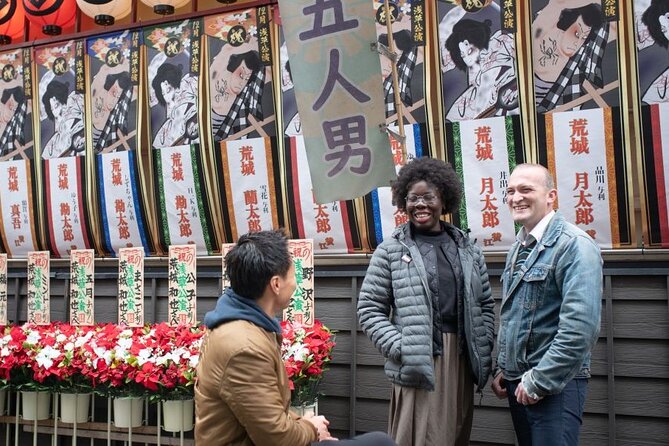
The meeting point is at NewDays Harajuku in Jingūmae (Omotesando Exit area), and the tour ends back at that meeting point. Since it’s a walking experience, you should treat it like a guided neighborhood walk with occasional transfers.
Pickup is listed as available, but the provided meeting location is very specific. If pickup is important for you, confirm it during planning with your host. Either way, plan to start from that Harajuku/Omotesando area and stay ready to move.
Here’s what I’d watch for:
- Crowds happen in Shibuya and Asakusa. Your host’s job is to help you keep moving.
- Public transport may be used to transfer between sites, and that can add cost. The tour notes that transport is primarily walking, but you may handle additional transit expenses directly with your host.
So pack for a walk: comfortable shoes, water, and a small bag you can manage in crowded areas. If you’re traveling with a stroller, seniors, or anyone who needs breaks, this private setup often works better than group tours—many guides have been flexible with pacing and family needs.
The Customization System: Questionnaire + Messaging = Less Guesswork
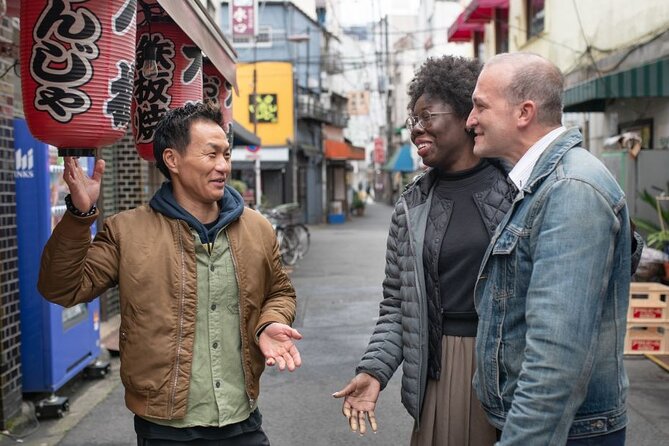
This tour works because it tries to learn you before you meet. After booking, you receive a short questionnaire to share your interests, preferences, and must-sees. Then you communicate directly with your host to shape the route.
I like this approach because it prevents the most common custom-tour failure: the guide showing up with no real plan. Instead, you’re set up to say what matters most—temples vs. shopping streets, snacks vs. photo stops, or how much time you want in each neighborhood.
In practice, guides have helped families and mixed-age groups by adjusting the pacing and choosing spots that work for kids, seniors, and anyone who doesn’t want to stand in one place for too long. Some guides also help with practical tasks like using the subway system and figuring out where to eat—exactly the stuff that makes a first day easier.
What you should do to get the best day
Be specific in your questionnaire, and be ready to reconfirm your priorities when you meet. If you only say general ideas like Tokyo food or cool sights, you may get a more average route. If you give clear “musts” and “no thanks,” your host can build a plan that feels personal.





Shibuya Like You Mean It: Hachikō Story, the Crossing, and a Shopping Street
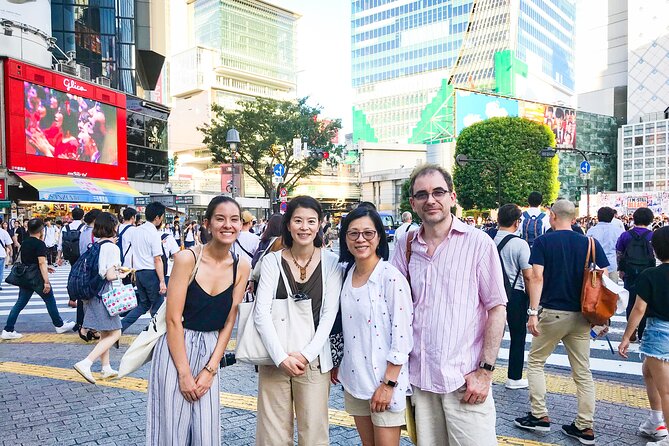
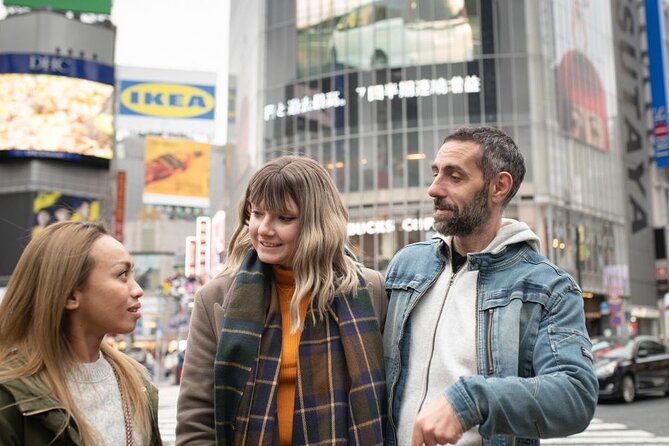
Shibuya is where Tokyo feels like a movie set—lights, crowds, and constant motion. The tour uses Shibuya in three connected stops so you get both story and street-level reality.
Hachikō and the loyalty-and-friendship angle
One of the stops is a Shibuya landmark associated with loyalty and friendship. That’s the Hachikō connection, and your host will explain why this statue matters culturally and how it became such a recognizable symbol.
This is more than trivia. Knowing the story helps you look around with different eyes. Instead of snapping a photo and moving on, you understand why people gather here and why the landmark is treated like a meeting point.
Navigating the world’s busiest intersection
Then you move to the famous crossing area. Your host’s job is to help you experience it like a Tokyoite—meaning you won’t just stand there stuck with no plan. You’ll learn how to manage timing, crossing flow, and how to keep your bearings in a place where everyone seems to stream in every direction at once.
If you’re prone to getting flustered in crowds, this is a big reason to book this type of tour. It turns a chaotic spectacle into a controlled moment.
The Shibuya shopping street stop
After the intersection, you’ll explore Shibuya’s lively shopping street. This is where fashion and everyday local culture mix with food around the edges.
Important expectation-setting: food and drinks aren’t included, so treat this stop like a chance to browse and choose. Your host can point you toward what to try and where, but you’ll still pay for snacks and meals yourself.
Also, shopping streets can be loud and fast. If you want quieter breaks, you’ll need to communicate that. A private format makes it easier to shift your route on the fly.
Asakusa and Senso-ji: Old Temple, Real Atmosphere
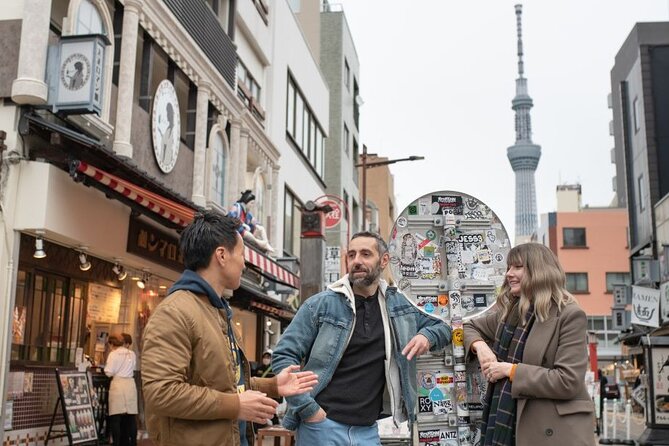
After Shibuya, the tour shifts to Asakusa. That change in tone is one of the best “first day” moves: from high-energy city motion to an area known for traditional temple culture and old Tokyo street scenes.
Senso-ji: Tokyo’s best-known Buddhist temple experience
Your host takes you to Tokyo’s oldest and most famous Buddhist temple—Senso-ji. Expect guidance on the site’s traditions and how people behave there. Your host’s role matters here, because temple etiquette is part of the experience, not a footnote.
This is also where you’ll see the contrast between your expectations and actual Tokyo. Asakusa has big-name landmark energy, but it still feels more human-paced than the hardest-hit zones of central Tokyo.
The snack-and-craft street walk
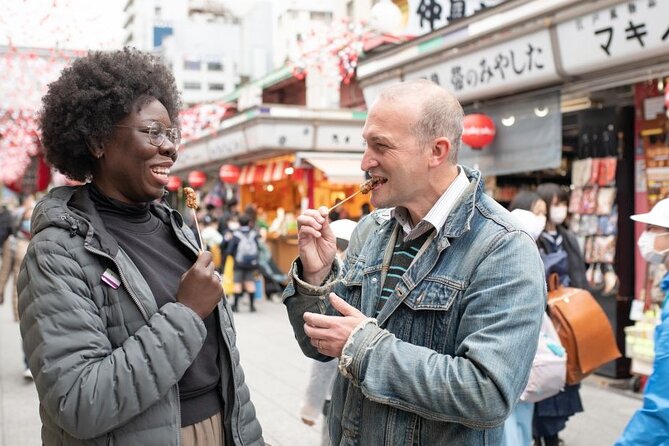
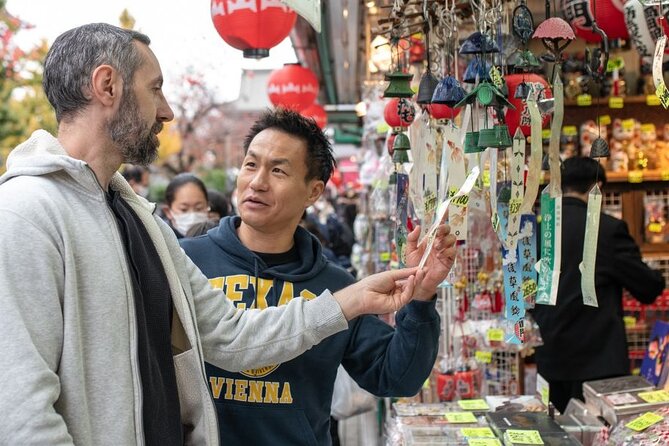
Then comes a lively traditional street lined with local snacks and crafts. Your host helps you discover unique finds and hidden favorites—meaning you’re not limited to the most obvious “touristy” items.
Again, food and tickets aren’t included, so you’ll pay as you go. The value is that you’ll know what’s worth trying and what to skip, based on what you like.
Two practical tips for Asakusa
- Go with a plan for photos. If you wander aimlessly at a crowded temple area, you’ll waste energy.
- If you have a sensitive schedule (small kids, limited mobility, or early dinner plans), mention that early so your host can pace you.
Transit Skills You’ll Use After the Tour
The tour’s core promise isn’t just sightseeing—it’s learning how to navigate Tokyo’s transport system. That can include practical help such as how to buy tickets and how to move through the system efficiently.
In the real world, this is what changes your trip. Once you can confidently get from one neighborhood to the next, your Tokyo days stop feeling like logistics homework.
Some guides on this experience have been especially strong at subway navigation support. For example, Saito has helped people understand the subway system and even buy tickets, and hosts like Susumu and Michael have focused heavily on getting you oriented fast—so you’re not guessing when you’re holding bags, tired feet, and a complicated map.
How to make this part work for you
- If you know where you’re staying, tell your host. Your return routes can be faster and simpler when your guide understands your base area.
- If you hate figuring out transit under pressure, say so upfront. You’ll likely get more step-by-step guidance.
Where This Tour Delivers Most—and Where You Should Watch the Fine Print
This experience is a strong pick if your goals are orientation, neighborhood context, and getting unstuck on day one. But it’s still worth reading between the lines.
What’s not included (and why it matters)
- Food, drinks, and attraction tickets aren’t included.
- Transportation isn’t included; it’s primarily walking, with possible additional transit costs between sites.
- Gratuities are optional.
That means your total trip cost depends on what you eat, what you decide to enter (if any ticketed spots come up), and whether you use public transit transfers.
Walking can be a deal-breaker for some days
Even though the tour is flexible, it is still a walking-first format. In Shibuya and Asakusa, crowds create extra “walking friction.” If you have limited mobility or you’re arriving from a long travel day, you’ll want to choose a start time when you’re not already at your energy limit.
Guide quality can vary in any private-tour model
A few experiences can go sideways when a guide is suddenly unavailable or when planning isn’t tight enough for your interests. That doesn’t mean the tour is unreliable overall, but it does mean you should build buffer time into your first days in Tokyo. If you only have a narrow window in the city, keep your schedule flexible and be clear about must-sees.
Who This Tour Fits Best (And Who Might Need Another Option)
This tour makes the most sense for:
- First-time Tokyo visitors who want a practical orientation, not just photos
- People who feel overwhelmed by the subway and want someone to teach the basics
- Families (including groups with strollers or kids) who need pacing and breaks
- Seniors or slower walkers who benefit from a private guide adjusting the day
- Food-minded sightseers who want help choosing snacks and places to eat, even though meals aren’t included
Guides have been flexible with different needs—like Camila tailoring the tour so a child could have play time instead of a long stroller day, or Apy being patient with seniors who felt overwhelmed by the subway system.
If you already know Tokyo transit well and you’re only chasing very specific ticketed attractions, a different type of tour might fit better. But for building a strong foundation on your first day, this format is hard to beat.
Should You Book This Tokyo Like a Local Tour?
Book it if you want your first Tokyo day to feel organized, personal, and usable. This is the kind of experience that pays off later because you learn the rhythm: how to move, where to focus, and how to explore without getting lost in the noise.
Skip it or plan differently if:
- You dislike walking and crowd environments.
- You only want high-ticket attractions and expect all tickets and meals included.
- You have zero flexibility and can’t handle a “day of” adjustment if something goes wrong with a guide.
My practical call: if you’re arriving in Tokyo and feeling a bit intimidated, this is a smart way to get your bearings fast—especially if you communicate clearly what matters to you. The Harajuku-to-Shibuya-to-Asakusa arc is a great first-day contrast, and having a host like Tomo, Shoko, Hiroto, or Shuto guiding the flow can turn landmarks into context you actually remember.
FAQ
How long is the Tokyo Like a Local private experience?
It runs about 2 to 3 hours.
Is this tour private or shared with other people?
It’s a private tour, so only your group participates.
Where do we meet, and where does the tour end?
The start is at NewDays Harajuku, 1F Omotesando Exit in Jingūmae (Shibuya). The tour ends back at the meeting point.
Is the tour walking-only?
It’s primarily a walking experience. Public transportation or local taxis may be used to transfer between sites, and transportation costs may be discussed with the host.
Does the price include food, drinks, or attraction tickets?
No. Food, drinks, and tickets to attractions are not included.
How does customization work?
After booking, you’ll complete a pre-tour questionnaire. Your host then personally reaches out to plan an itinerary based on your interests, preferences, and must-sees.
Do I get help using Tokyo’s transport system?
Yes. A major focus is helping you get familiar with navigating Tokyo’s transport system, including practical guidance that may include ticket-buying help.
Can service animals join the tour?
Yes. Service animals are allowed.
What’s the cancellation option if plans change?
You can cancel for a full refund if you cancel at least 24 hours before the experience start time.