REVIEW · TOKYO
Go-kart tour Tokyo tower to Shibuya ( IDP&Passport Required )
Book on Viator →Operated by ALOHA GO-KART · Bookable on Viator
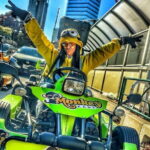
Tokyo, but make it motorized. I love the feeling of night driving through central streets, with Tokyo Tower glowing behind you and city lights stretching ahead. I also like the point-to-point vibe from Tokyo Tower to Shibuya Crossing, so you’re not stuck doing loops that feel similar.
The main thing to watch is the paperwork. You need a booklet-type Geneva 1949 International Driver’s Permit plus your passport in physical form on the day, and drinking alcohol means you can’t ride. Guides like Bingo, Naio, and Blake are big on keeping things safe, but if your documents aren’t exactly right, the tour won’t be able to run for you.
In This Review
- Key highlights before you go
- Why this go-kart tour feels different in Tokyo
- The ride at night: what the route experience is like
- Stop 1: Tokyo Tower area—where the adventure starts
- Stop 2: Shibuya Crossing—feels bigger when you’re moving
- Safety and guides: what matters more than you think
- Docs check: the real make-or-break part
- What’s included (and what you’ll want to plan separately)
- Price and value: is $94.47 worth it?
- Where you start: meeting point matters in Tokyo
- Who should book this go-kart ride
- Quick decision: should you book this?
- FAQ
- What do I need to bring for this tour to drive?
- Does a 1968 international driver’s permit work?
- Can I show my IDP as a photo or PDF?
- Do I need a Japanese translation if my license is from certain countries?
- What if my country’s license is not covered by the Geneva 1949 agreement?
- How long is the go-kart ride?
- Is alcohol allowed before or during the tour?
- What is included in the price?
- What happens if the weather is bad?
Key highlights before you go
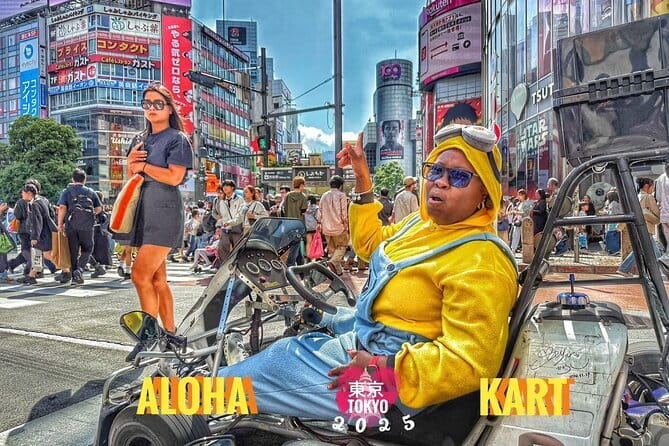
- Tokyo Tower to Shibuya Crossing: a direct, iconic night route instead of a walk-and-take-photos loop
- Street-legal where allowed: you’re driving a real kart on city streets, not just a track
- Small groups (max 10): more guidance and less chaos compared to bigger “activity buses”
- Safety-first guidance: hosts like Bingo, Naio, and Blake focus on controls and staying within limits
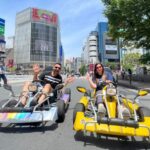
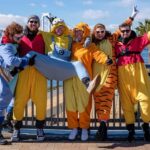
- Costumes + photo shooting + insurance: built-in extras that make it feel like an event, not a rental
Why this go-kart tour feels different in Tokyo
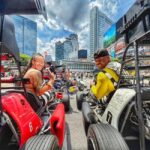
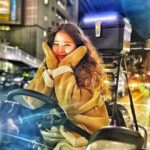
Tokyo is loud, fast, and neon at night. This tour turns that energy into something you control. You’re not just looking at the city from the sidewalk. You’re in motion through it, with the lights, buildings, and street rhythm coming at you in a way that a normal walking plan can’t match.
What I like most is the mix of big landmarks and real driving. Tokyo Tower and Shibuya Crossing are both famous for a reason, but the real magic is how the scenery changes while you’re behind the wheel. One minute you’re near the skyline glow around Tokyo Tower; the next you’re in the thicker Shibuya area where the streets feel busier even at night.
This is also a short commitment. The ride is about 1 hour. That matters because Tokyo nights are full. You don’t have to sacrifice an entire evening to get a memorable thrill.
You can also read our reviews of more tours and experiences in Tokyo.
The ride at night: what the route experience is like
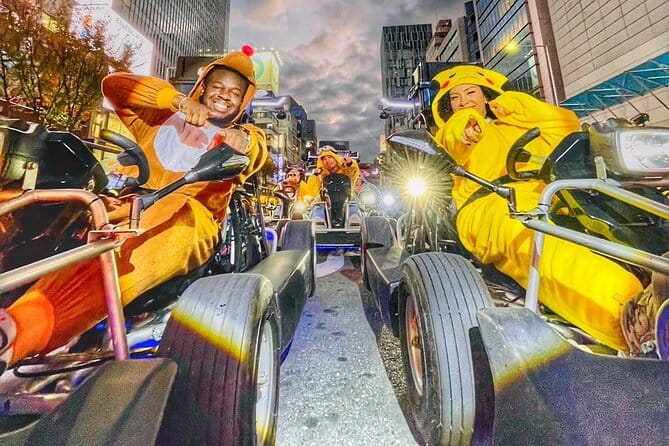
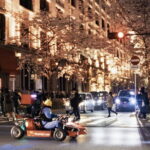
You start at Tokyo Tower, then head toward Shibuya Crossing through central Tokyo streets. Along the way, you’ll pass major landmarks and likely see underpasses or tunnels depending on the route that night. The goal is to give you that “I’m in the middle of the city” feeling while still keeping the ride safe and managed.
Speed is not the point. Control is. The experience is designed so you can enjoy the city pace without turning it into a race. That’s why guides matter. People doing this for the first time tend to feel nervous at first, and the hosts I saw praised (Bingo, Naio, Blake) are described as especially strong at keeping riders calm and confident.
You’ll also get city-light views that you just can’t recreate any other way. Walking tours are all angles and pauses. Here, the view is continuous. Even if you’ve seen Shibuya Crossing in photos, it hits differently when you’re driving near the action and seeing the scale in real time.
Stop 1: Tokyo Tower area—where the adventure starts
Starting near Tokyo Tower is a smart move. It’s a recognizable anchor point, so the excitement ramps up fast. Instead of wondering where you are or how the route will feel, you begin with an obvious landmark and an immediate sense of Tokyo at night.
Practically, starting at a landmark also helps with arrival nerves. You can orient yourself visually when you’re getting close to the meeting area, then go straight into instructions. That reduces the “where do we go” stress that can happen with activities that start in dense areas.
Potential drawback: if you’re hoping for a long photo stop at Tokyo Tower itself, this isn’t that kind of experience. You’re there to ride through it, not to spend extended time standing around. If you want deep Tokyo Tower sightseeing, plan that separately.
Stop 2: Shibuya Crossing—feels bigger when you’re moving

Shibuya Crossing is the kind of place where even first-timers instantly recognize it. In this go-kart format, you don’t just see the crowd and the patterns. You experience the energy rolling past you as you drive in the broader Shibuya area.
It also gives your night ride a clean ending point. You go from one iconic focal point to the next. That makes it easier to remember the experience later, and it helps you plan what you’ll do afterward without guessing how the ride will end.
A consideration: Shibuya can feel intense visually. If you’re prone to motion discomfort, keep in mind you’ll be actively driving and scanning. Go slow on your first stretch, listen to your guide, and let your eyes adapt to the movement.
Safety and guides: what matters more than you think
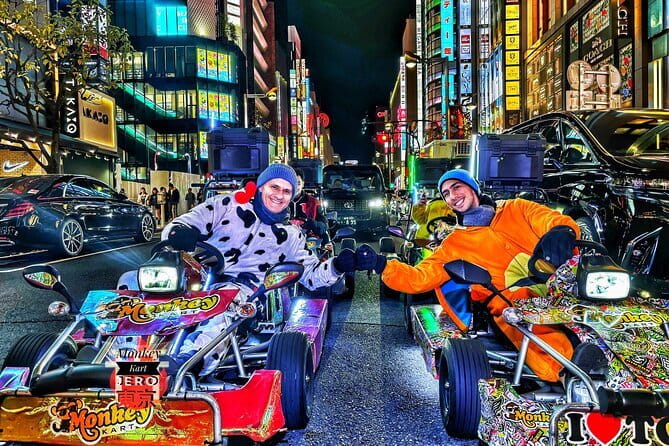
With go-karts on city streets, safety isn’t a slogan. It’s the whole structure of the experience.
I’d focus on two things:
- Clear instructions before you ride so you know how to handle turning, acceleration, and spacing.
- A guide who actively manages the group, especially when people are new to driving in tight urban layouts.
The reviews you’re likely to read about this tour emphasize that guides kept riders safe and guided them with confidence. People specifically named Bingo, Naio, and Blake. That’s a good sign because safety here depends on how well the host communicates and organizes the drive.
Also note: this activity doesn’t mix with alcohol. If you’ve been drinking during dinner, plan to sit this one out. That rule is there for a reason, and it’s better to treat it seriously rather than hope the guide will make an exception.
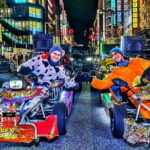
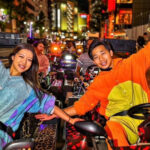
Docs check: the real make-or-break part
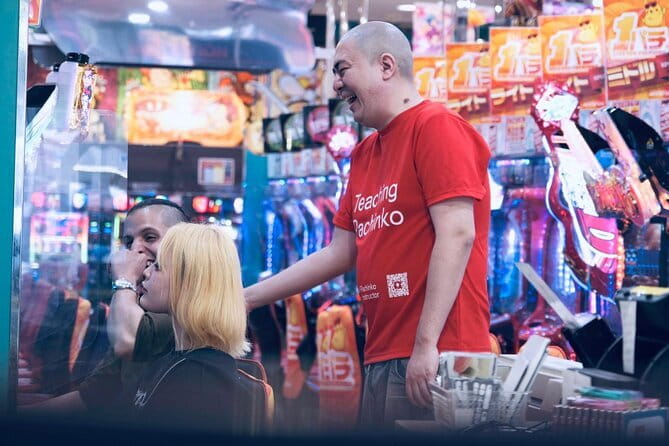
Here’s the deal: your biggest risk isn’t traffic. It’s documentation.
You must bring:
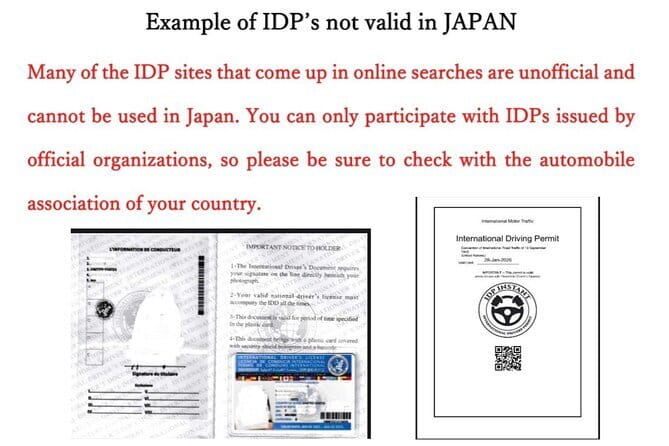
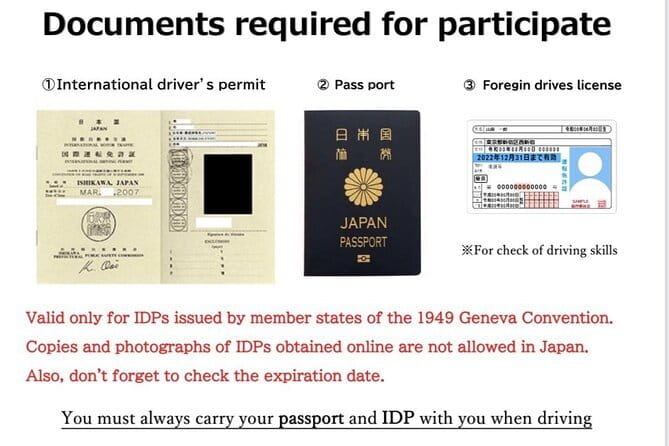
- A booklet-type International Driver’s Permit (Geneva 1949 format) in physical form
- Your passport in physical form
- Not an IDP photo, not a PDF, not an A4 printout, not a card-type IDP
The tour is very clear that a Vienna 1968-format IDP won’t work for this activity. And the Geneva 1949 IDP can only be used in the proper format issued by the right member states or from the right country list. If your IDP isn’t the exact type they accept, you’re likely to be turned away.
If your regular license is from Switzerland, Germany, France, Taiwan, Belgium, or Monaco, you also need a Japanese translation paper from JAF, and you must bring it physically too. On top of that, the tour states the license itself plus the passport plus the translation need to be in physical form on the day.
Another strict point: if your country’s license isn’t covered by the Geneva 1949 agreement (examples listed include Mexico, Kuwait, China, Colombia, Saudi Arabia, among others), you won’t be able to operate in Japan for this activity.
Finally, refunds won’t be issued if you can’t participate due to incomplete required documents. That’s harsh, but it’s predictable and preventable. Check your documents before you even book, not after.
What’s included (and what you’ll want to plan separately)
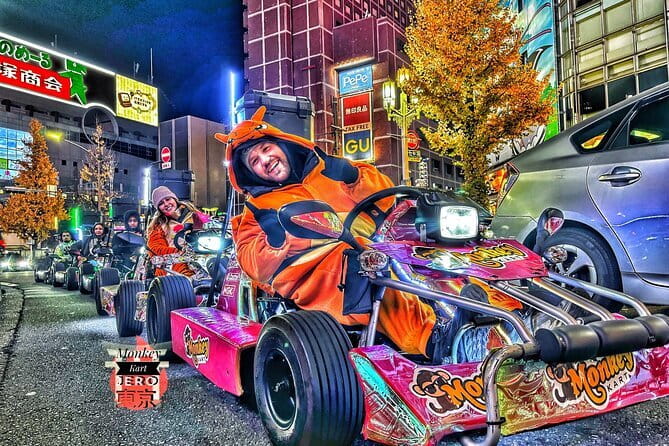
This tour includes:
- Costumes
- Insurance
- Photo shooting
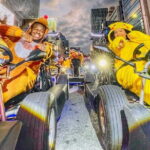
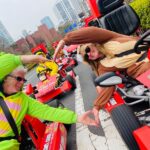
The photo part is worth caring about. You’re driving at night, and you’re not going to pull over every few minutes to take clean shots. Having photos taken for you helps you capture the experience without turning it into a constant camera task.
Costumes are also a fun touch. They won’t replace a full outfit plan for Tokyo, but they make the event feel like an actual activity and not just a ride with a helmet.
What’s not included: private transportation. Since the meeting point is near public transportation, I’d plan to arrive by train or walk a reasonable distance. This saves you from paying for taxis before and after your 1-hour session.
The activity ends back at the meeting point. That’s convenient. You don’t need to coordinate a separate pick-up or deal with the logistics of leaving the ride area.
Price and value: is $94.47 worth it?
At $94.47 per person, this isn’t “cheap Tokyo.” But it’s also not just a rental and a map. You’re paying for:
- a guided, managed ride on real streets where allowed
- insurance
- photo shooting
- costumes
- a tight schedule (about 1 hour) in a city where planning a night activity can get messy fast
Compared with a walking-only experience, you get a different kind of memory: movement. Compared with self-drive kart rentals, you get structure and a guide, which matters on Tokyo streets.
So the value comes down to one question: do you want to drive? If the thrill of being behind the wheel is your priority, this price starts to look fair. If you mainly want scenic sightseeing, you might find other Tokyo tours more cost-effective.
Where you start: meeting point matters in Tokyo
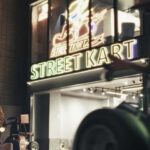
You’ll meet at ALOHA GO-KART Japan, 105-0014 Tokyo, Minato City, Shiba, 1-chōme 4-10 ToyabiI Building 1F. The good news is it’s near public transportation, which helps a lot in Tokyo.
Arrive early enough to handle last-minute doc checks. The rules are strict about what you must bring, and it’s better to double-check at the counter than in a panic outside.
Also, since you’re starting near Tokyo Tower and ending back at the same spot, it’s easy to connect to dinner or a second plan after. You can build a clean route through your evening without adding complicated transport steps.
Who should book this go-kart ride
This is a great fit if you:
- want a night activity that feels like more than sightseeing
- are comfortable following instructions and driving calmly
- have the right IDP and you’re willing to bring all required documents in physical form
- like your Tokyo experiences a little more playful and hands-on
It may not be your best choice if:
- you don’t have the correct Geneva 1949 booklet-type IDP
- you’re relying on a Vienna 1968 IDP, or you only have digital copies
- you plan to drink alcohol the same evening
- you prefer long, detailed landmark stops rather than a controlled driving experience
If you’re traveling with friends, this is also a fun group activity because it’s shared. Just keep in mind the group size is capped (max 10 travelers), which should help keep the experience organized.
Quick decision: should you book this?
Book it if you’re ready for the main trade-off: strict documentation in exchange for a genuinely different Tokyo night. You’ll get a real driving experience on streets, you’ll see Tokyo Tower and Shibuya Crossing, and you’ll leave with photos and an event-like vibe.
Skip it (or at least pause and verify your documents) if you’re uncertain about your IDP type or you don’t have your passport in physical form. This is one of those activities where “almost correct” isn’t good enough, and the rules don’t leave much room for last-minute fixes.
If your paperwork checks out, this is one of the most memorable ways to experience central Tokyo after dark without spending your entire evening walking.
FAQ
What do I need to bring for this tour to drive?
You must bring a booklet type Geneva 1949 International Driver’s Permit and your passport in physical form on the day.
Does a 1968 international driver’s permit work?
No. The activity specifies that a Vienna 1968 convention IDP is not available/valid for participation here.
Can I show my IDP as a photo or PDF?
No. The requirements state the IDP must be the correct booklet type in physical form. Photos, PDFs, and A4 paper formats are not accepted.
Do I need a Japanese translation if my license is from certain countries?
If your driver’s license is issued in Switzerland, Germany, France, Taiwan, Belgium, or Monaco, you must obtain a Japanese translation from JAF and bring it in physical form.
What if my country’s license is not covered by the Geneva 1949 agreement?
The tour states that licenses from countries not covered by the 1949 Geneva Convention cannot be operated in Japan for this activity (examples are listed).
How long is the go-kart ride?
The duration is about 1 hour (approx.).
Is alcohol allowed before or during the tour?
No. The activity states that those who drink alcohol cannot participate.
What is included in the price?
Included items are costumes, insurance, and photo shooting. Private transportation is not included.
What happens if the weather is bad?
The experience requires good weather. If it’s canceled due to poor weather, you’ll be offered a different date or a full refund.