REVIEW · TOKYO
Official Street Go-Kart Tour – Akihabara
Book on Viator →Operated by Street Kart · Bookable on Viator
Driving Tokyo streets by go-kart sounds unreal. This Akihabara street tour is set up so you’re guided end-to-end and dressed in a character costume while you pass major sights like Tokyo Station, Ginza, and Akihabara. One big consideration: you’ll need the right International Driving Permit rules sorted out up front, and the initial safety briefing can feel a little stressful before you get rolling.
I like that the experience is built around not getting lost. You’re following a lead driver, stopping at the red-light moments for clear instructions, and you’re getting a plan for what you’ll see along the way.
If you hate adrenaline, this may feel like too much. Multiple riders note it can be a bit scary at first, then fun once you’re comfortable—so choose your expectations carefully.
In This Review
- Key Highlights Worth Booking For
- Why Akihabara by go-kart beats another walking day
- The costume setup: fun theme, but watch the rules
- Price and value: what $61 really covers
- Tokyo Station stop: why the red-brick moment matters
- Ginza section: shopping streets, but from inside the action
- Akihabara streets: the anime-and-games payoff
- How the guide actually helps (and why you won’t get lost)
- Driving comfort: fun and safe, but plan for nerves
- International Driving Permit: the make-or-break requirement
- Meeting point, timing, and choosing your best departure
- What to bring (and what to leave for later)
- Who this tour suits best
- Should you book the Official Street Go-Kart Tour – Akihabara?
- FAQ
- Do I need an International Driving Permit to drive the go-kart in Tokyo?
- What places does the tour cover?
- How long is the Akihabara street go-kart tour?
- Is food or drinks included?
- Can I ride along if I don’t want to drive?
- What should I wear for the tour?
Key Highlights Worth Booking For
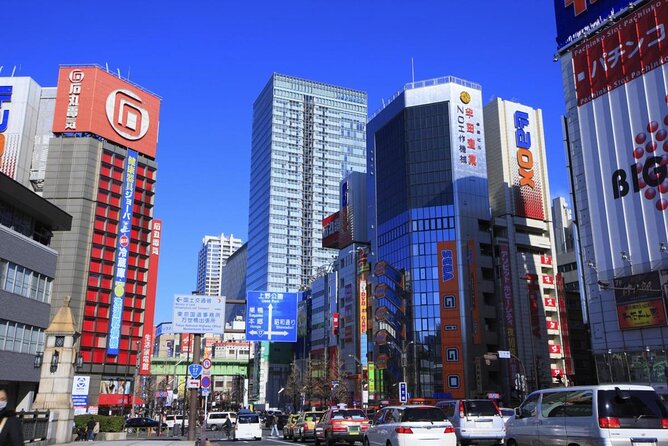
- Costume character riding with rental gear, plus photo-friendly stops as you go
- Guided route that connects Tokyo Station, Ginza, and Akihabara so you don’t waste time navigating
- Small group size (max 6) that helps you stay together and makes instructions easier
- Free photos reported by riders so you can focus on driving instead of filming every second
- Night feels like the move according to many experiences, with less stress and more Akihabara lights
- Kart built for beginners enough to start but still real driving on public roads under a guide
Why Akihabara by go-kart beats another walking day
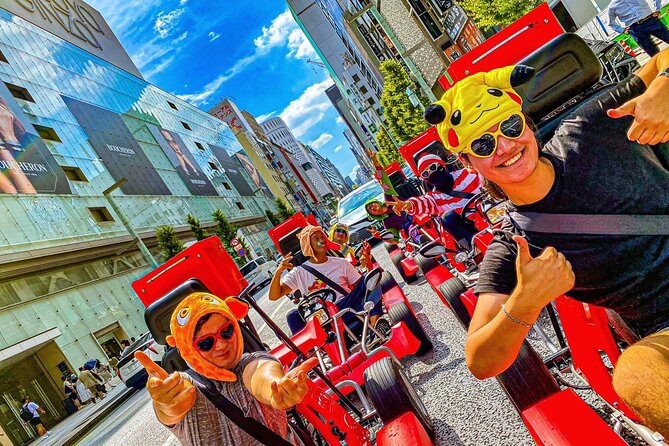
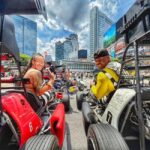
Akihabara is the kind of place where walking is fine, but it’s also easy to lose half your trip to side streets and crowds. A go-kart tour changes that math. You get motion, fresh air, and the big Tokyo feeling of seeing neighborhoods quickly while staying oriented.
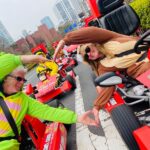
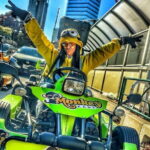
You’ll also get a very Tokyo kind of memory: yourself in costume, rolling through intersections and landmark areas. It’s not just sightseeing. It’s you participating in the city.
You can also read our reviews of more tours and experiences in Tokyo.
The costume setup: fun theme, but watch the rules
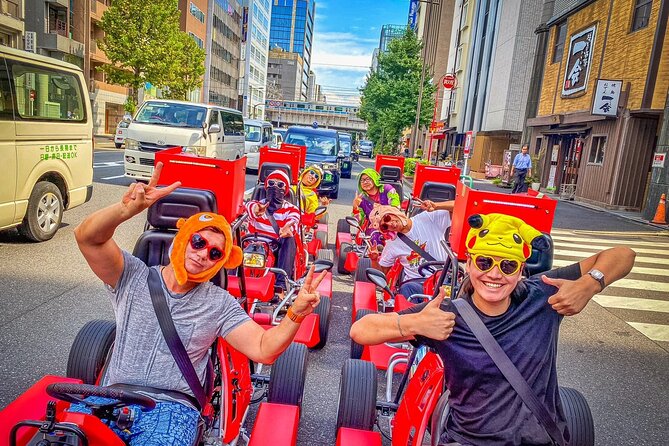
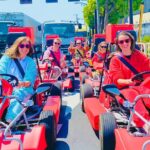
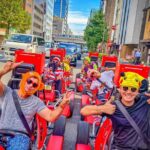
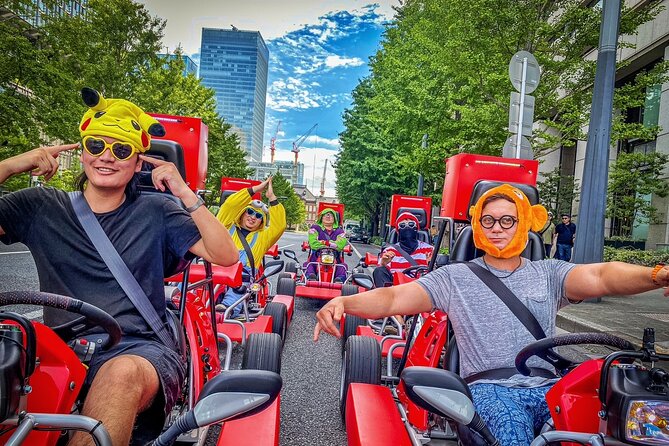
This tour includes costume rental and lets you ride dressed as a character. Riders describe the experience as feeling like you’re part of the setting, especially in Akihabara where anime and games culture is the whole atmosphere.
There are restrictions, though. You can’t use Mario- or Nintendo-themed costumes, and you also can’t wear clothing or items that suggest those characters because of copyright limits. It’s a good idea to plan a costume concept that fits the general anime/game vibe without stepping into that specific banned territory.
Practical bonus: some riders say they got help with keeping personal items secure (like phone/passport storage) so you aren’t balancing bags while you’re trying to enjoy the ride.
Price and value: what $61 really covers
At around $61 per person, this isn’t a low-cost activity, but it’s also not just a quick rental. The included items matter.
You get:
- Lead guide in a kart
- Kart rental fee
- Fuel surcharge
- Costume rental
- Taxes and handling fees
What you don’t get is just as important. You’ll pay extra for food and drinks, and full coverage insurance is listed as not included (there’s an optional ¥1,000.00 per person full coverage insurance option referenced in the details).
So the value story is: you’re paying for a guided street driving experience with the gear and fuel baked in. That’s why it tends to feel worth it compared to DIY go-kart attempts where you still need a route plan, photo moments, and someone to keep you from getting separated.
Tokyo Station stop: why the red-brick moment matters
The route starts at Tokyo Station’s red-brick Marunouchi Station building area. Even if you’ve seen Tokyo Station before, there’s something about it at street level that makes it feel more real than photos.
I like this first stop because it’s a clean “anchor” landmark. You get oriented fast, you know you’re in the right part of Tokyo, and the vibe shifts from tourist mode to ride mode.
A small drawback: you’ll need to be ready to move when the group is called. If you show up late, you might spend precious minutes trying to catch up—so aim to arrive early enough to feel calm during the pre-ride setup.
Ginza section: shopping streets, but from inside the action
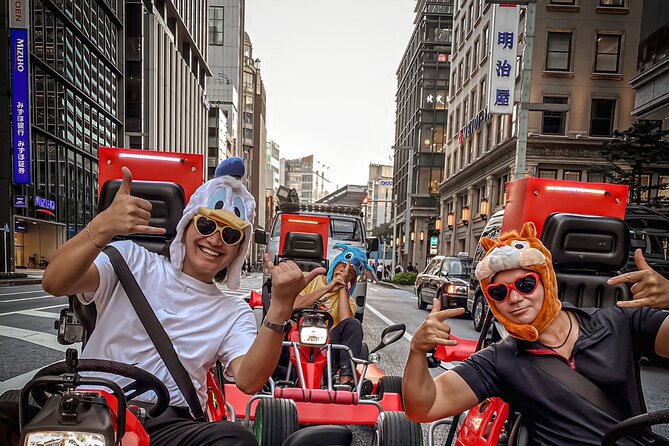
Next up is Ginza, known for department stores, boutiques, art galleries, restaurants, night clubs, and cafes. This stop works well because Ginza has that “Tokyo at full volume” feel, but the guide-led structure means you’re not trying to figure out where to go next.
From a rider-experience point of view, Ginza also gives you variety. You’re not only surrounded by Akihabara’s pop culture energy. You’re seeing a different side of Tokyo, with wider streets and a classic city-district feel.
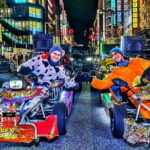
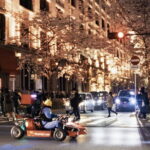
If you go at night, Ginza’s lighting and intersection moments tend to feel extra cinematic. Even riders who are skeptical at first usually say the pace and guidance make it easier than it sounds.


Akihabara streets: the anime-and-games payoff
Then you hit the Akihabara game and anime mecca. This is where the whole concept clicks. Tokyo isn’t just a backdrop—it’s part of the theme you dressed for.
What you should expect here is driving with constant city awareness. Akihabara can be intense for pedestrians, storefronts, and signage, but your lead guide is there to keep the group moving and reduce the “where do we go now” stress.
One detail that comes through strongly in rider feedback: the guides are often praised for clear instructions at lights. In other words, you aren’t just dropped into traffic and told good luck. You’re getting handled like a group while still feeling free to enjoy the ride.
How the guide actually helps (and why you won’t get lost)
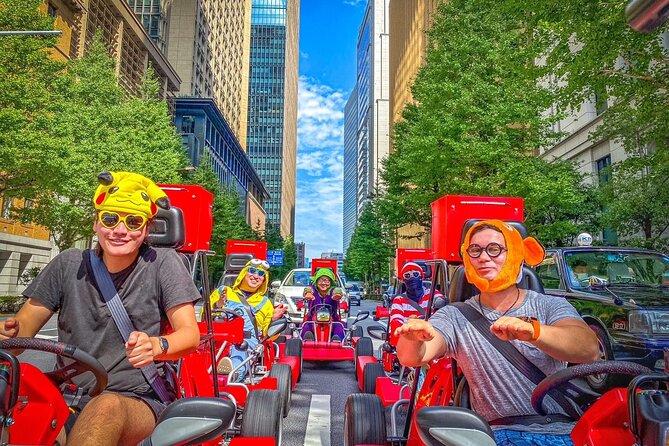
The tour is designed so you don’t have to navigate. You follow the lead driver, and the group stays together. With a maximum of 6 travelers, you’re less likely to drift apart than on bigger tours, and it’s easier for the guide to manage pacing.
This matters because Tokyo streets can be confusing even for confident walkers. Road layout, lane changes, and crowded blocks can be tough when you’re thinking about directions. The guide removes that mental load.
Riders also highlight photo help from guides. People mention guides taking lots of pictures so they don’t have to stop for every shot. That’s a big quality-of-life advantage: you keep driving while still ending up with usable photos.
Driving comfort: fun and safe, but plan for nerves
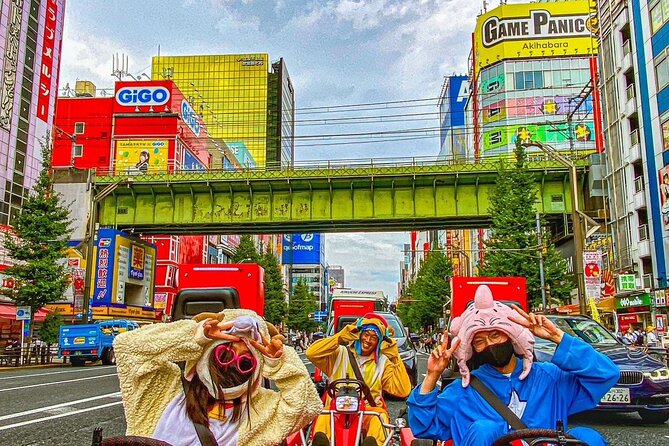
Go-karting in public streets is not the same as a theme park track. It will feel like real road conditions, and that’s exactly why it’s thrilling. It can also be a little scary at first.
Multiple riders say the safety briefing and first minutes can feel stressful, then smoother once they get the hang of it. My practical take: if you’re anxious, give yourself grace during the first stretch. The guide’s job is to help you settle, and the route timing often makes it manageable.
Also, the roads can vary in how easy they feel to drive. Some riders report roads were clear enough to navigate thanks to the guide, which is a good sign that the route is selected with beginners in mind. Still, don’t treat it like a video game—drive like it’s real because it is.
International Driving Permit: the make-or-break requirement
This is the part you can’t skip.
You’ll need an International Driving Permit (IDP) in the format of the 1949 Geneva Convention, issued by a government-authorized association. And you must carry the physical IDP and your physical passport.
There are exceptions mentioned for license-issuing countries. For example, licenses issued in Switzerland, Germany, France, Taiwan, Belgium, or Monaco may require a Japanese translation through the Japan Automobile Federation (JAF) rather than the IDP process described above. Also, drivers from countries not covered by the 1949 Geneva Convention (China, Indonesia, Mexico, Qatar, Saudi Arabia, etc.) are not permitted to drive in Japan under these rules.
Bottom line: check your home license situation before you book. This tour has a clear policy: no correct IDP, no driving.
Other practical driving rules:
- Minimum age is 18
- Karts are single-seaters only, so there’s no “ride along” option for non-drivers
- You must wear closed footwear; skirts or long dresses aren’t advised
- You should have moderate physical fitness (mostly to handle the activity comfortably)
Meeting point, timing, and choosing your best departure
You meet at Hulic Akihabara Building at Sotokanda, Chiyoda City (Sotokanda 4-chōme129). The tour ends back at the same meeting point.
Timing: the tour runs about 1 hour to 1 hour 30 minutes. There are flexible departure times, so you can pick what fits your day.
A small caution that shows up in rider feedback: there can be two meeting spots, so make sure you’re standing at the correct location when you arrive. Since the tour is small and time-based, being off by a few minutes can create stress.
What time should you choose? Many riders say doing it at night is best for the bright lights and a more relaxed feeling. Night also tends to mean different energy on the road, and several people mention less traffic tension. If you can pick, aim for evening.
What to bring (and what to leave for later)
You’ll want to bring:
- Physical IDP (or the required license + translation if you fall into the listed exception group)
- Physical passport
- Closed-toe shoes
- A charged phone only if you’re comfortable with what the site provides for storage
Riders mention the team may offer ways to secure valuables, like storage/lockers and keeping documents protected. Still, keep your expectations realistic: you’re driving a kart, so don’t bring fragile stuff you’ll worry about.
Food and drinks aren’t included, so plan to eat before or after. You’ll get plenty of activity during the ride, but there’s no mention of stops that replace a meal.
Who this tour suits best
This is for you if you want:
- A fast way to see Tokyo Station → Ginza → Akihabara
- A fun, character-dressed street experience with a guide
- A small-group adventure (max 6) rather than a big chaotic bus tour
It’s probably not ideal if:
- You don’t have the correct IDP situation handled
- You absolutely hate the idea of driving and want zero adrenaline
- You need a ride-along passenger option (because the karts are single-seaters)
Should you book the Official Street Go-Kart Tour – Akihabara?
Yes—if you can meet the driving requirements and you’re excited by the idea of seeing Tokyo in motion. The value comes from what’s included (guide, kart, fuel, costume) and from the fact that you’re guided through major landmarks without wrestling navigation.
I’d book it if your schedule allows night departures and you’re comfortable with a short safety briefing before you roll. If you’re anxious, go anyway, but mentally prepare for those first minutes where your brain tries to catch up.
Skip it only if the IDP rules don’t work for your license situation. That part is non-negotiable here, and you don’t want to gamble your plans.
FAQ
Do I need an International Driving Permit to drive the go-kart in Tokyo?
Yes. You need an International Driving Permit issued in the 1949 Geneva Convention format (physical permit required) and you must also carry your physical passport. If your country is one of the listed exceptions, you may need a Japanese translation via JAF.
What places does the tour cover?
You’ll pass and stop around Tokyo Station (Marunouchi area), Ginza (shopping and dining district), and Akihabara (anime and game area).
How long is the Akihabara street go-kart tour?
The duration is about 1 hour to 1 hour 30 minutes.
Is food or drinks included?
No. Food and drinks are not included.
Can I ride along if I don’t want to drive?
No. The karts are single-seaters only, so all participants must be able to drive.
What should I wear for the tour?
Wear closed footwear. Skirts or long dresses are not advised.