REVIEW · TOKYO
Shibuya: Tokyo Street Go-Kart Tour by Shibuya Annex
Book on GetYourGuide →Operated by Reservation Center · Bookable on GetYourGuide
Shibuya Crossing on wheels sounds unreal. This street go-kart tour turns one of Tokyo’s most filmed scenes into a real, hands-on ride, and I like that the experience pairs trained English-speaking guides with multiple passes through Shibuya Crossing from different directions. Second, you get a fun, camera-ready setup without a ton of hassle: free costume/accessories plus photo support so you leave with a story you can actually keep.
The main thing to consider is paperwork. To drive in Japan, you’ll need the right documents in physical form, and the rules are strict about which licenses qualify and what you must carry with you.
In This Review
- Key Points at a Glance
- First Check-In: Finding Street Kart on Shibuya’s Second Floor
- Your Legal Go-Kart Setup and What You Ride
- Dominating Shibuya Crossing: How the Route Feels
- Harajuku and Omotesando: Fashion Streets at Kart Speed
- Costumes, Photos, and the Memory File You’ll Actually Keep
- Safety Briefing That Takes the Edge Off
- Price and Value: Is $67 Worth It?
- Driving Documents in Japan: The IDP Rules That Can Stop You
- What to Wear and Bring: The Rules That Affect Your Fun
- Who This Tour Suits Best (and Who Should Skip It)
- Should You Book This Shibuya Street Go-Kart Tour?
- FAQ
- How long is the Shibuya Tokyo Street Go-Kart Tour?
- How many people are in the group?
- What do I need to drive in Japan?
- Are there footwear restrictions?
- What photo options are included?
- Is the guide English-speaking?
Key Points at a Glance
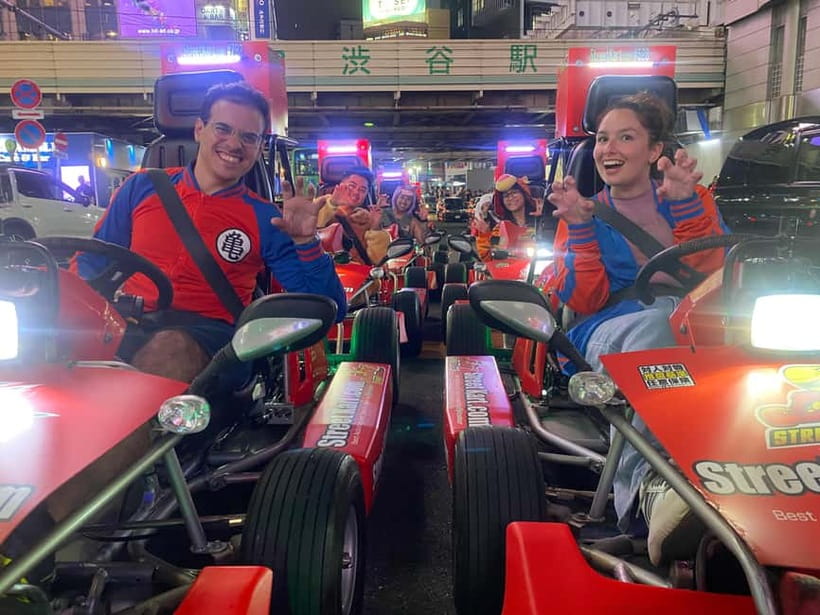
- Legal go-kart fun through Shibuya Crossing with repeated crossings from different directions
- Professionally trained English guides focused on safety and clear instructions
- Free costume/accessory rental so you look great while you roll through the busiest crosswalk vibe
- Photo support that saves you time because the guide takes pictures and shares the photo data
- Small group size (up to 6) for a more personal feel during a 1-hour experience
- Strict driving document requirements plus shoe rules you must follow to participate
First Check-In: Finding Street Kart on Shibuya’s Second Floor
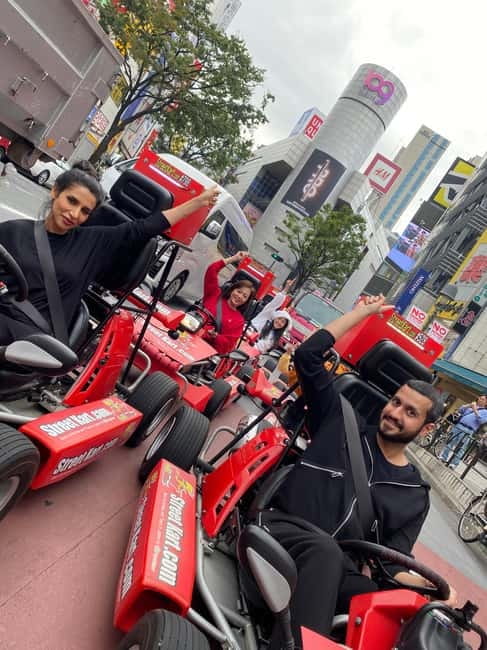
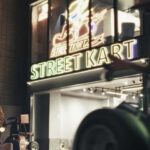
Check-in is part of the experience, just not the fun part. You’ll look for the large Street Kart logo in the window on the second floor of the building, with the brand name in neon lights directly underneath. Use the stairs or elevator to get up there.
If you want this to run smoothly, arrive with a little buffer. The tour is short—about 1 hour—so you don’t want to be rushed while you’re sorting shoes, documents, or getting the right headspace.
Also, after booking, Street Kart sends you key information by email within 24 hours. That’s helpful for planning what you’ll bring and how you’ll be ready to drive when your time slot starts.
You can also read our reviews of more tours and experiences in Tokyo.
Your Legal Go-Kart Setup and What You Ride
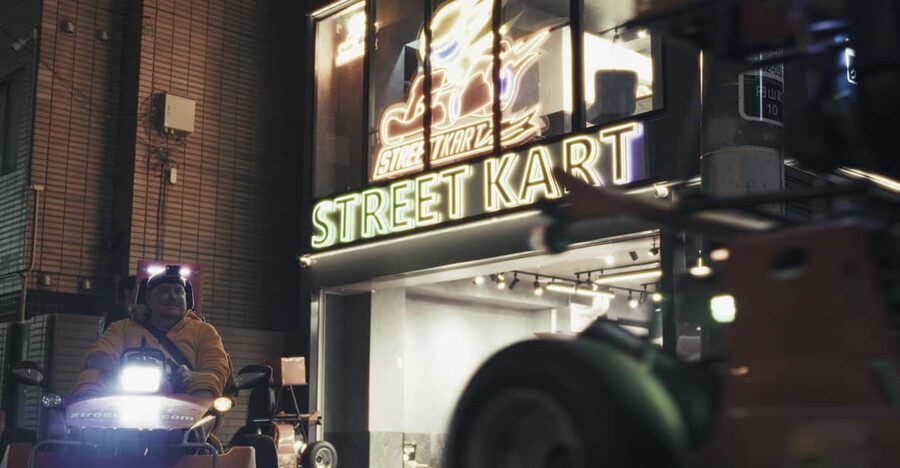
You’re driving a custom-made go-kart designed for this kind of street experience. You’ll start with a briefing (including a briefing video on road regulations and how to operate), then you’ll get direct instructions from your guide while you’re in your kart.
A nice detail is that the basics are handled for you. The tour includes the kart, gasoline, and an English-speaking guide on a kart, so you’re not figuring out the machine, route, or safety system on the fly.
And because this is a street-kart format, you’ll feel the difference right away compared to closed-course attractions. The streets have their own rhythm—traffic flow, pedestrian signals, and the constant “Tokyo is real” energy—so the guide’s instructions matter.
Dominating Shibuya Crossing: How the Route Feels
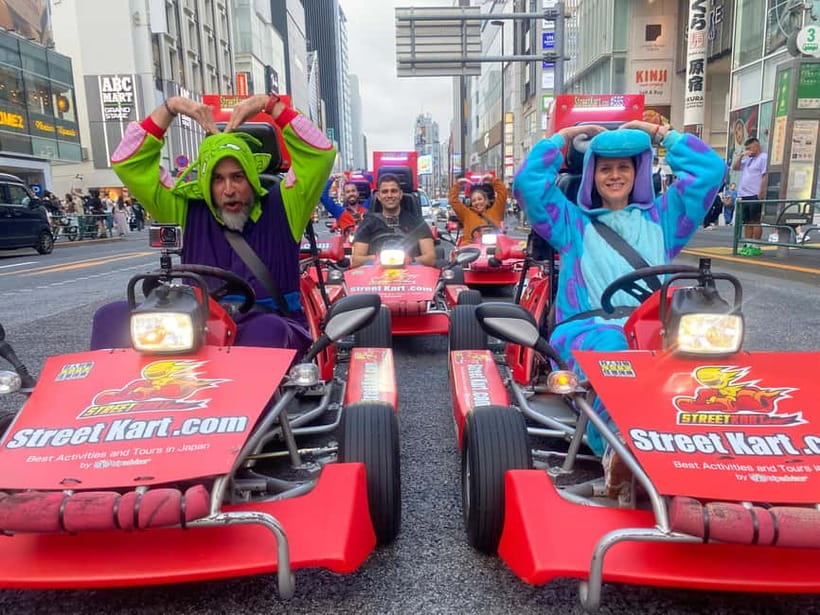
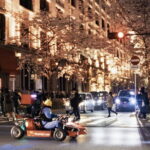
Here’s the headline: you get to drive through Shibuya Crossing, the famous multi-direction, heavy-foot-traffic intersection that you’ve probably seen in movies and clips. The tour builds the fun by having you drive through it multiple times from different directions, which changes how you perceive the scale and how the crossing “reads” from each approach.
The experience is designed to be both exciting and guided. Your professionally trained guide stays focused on keeping the ride safe while helping you time your kart movement through a place that feels intimidating even when you’re just standing nearby.
What makes this section worth it is repeat exposure. A single pass would be cool; multiple passes make it feel like you’re learning the flow, not just doing a photo stop. It’s also why those strict rules (documents and footwear) are such a big deal—this is a real street moment, not a toy version of it.
Harajuku and Omotesando: Fashion Streets at Kart Speed
After Shibuya, you head toward Harajuku and Omotesando, Tokyo’s fashion-center stretch. If Shibuya is the “everyone’s watching” scene, Harajuku and Omotesando feel more like the “everyone’s expressing” scene—shops, street style, and that clean, design-forward streetscape you only really get walking through.
Your guide leads the way for this portion too, so you’re not trying to follow turns while also processing what you’re seeing at kart speed. It’s a good balance: you get motion and energy, but you still have someone managing the route and the timing.
One practical consideration: the tour is only 1 hour, so you won’t have time to treat this like a long sightseeing drive. Think of it as a fast, high-impact way to cover key neighborhoods while you experience Tokyo from a totally different angle.
Costumes, Photos, and the Memory File You’ll Actually Keep
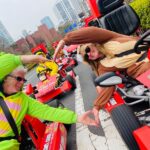
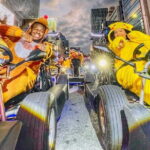
This is where the tour earns its hype. You can rent a free costume/accessory, which makes it easier to stand out—without you needing to bring anything but your documents. It also means you’re more likely to feel like part of Tokyo’s street scene rather than just passing through it.
Your guide takes photos during the ride and then provides the data of all photos taken at the end. That matters because it solves a common problem: you’re driving. You can’t be juggling a camera while also doing safety-minded driving in a busy area.
From real guide moments, you’ll likely get a photo-friendly experience with guides known for taking lots of pictures—names like Tomas, Stanley, and Cole show up in accounts of the ride. The consistent point is simple: they pay attention to the moments that look good, and they keep the experience fun without losing control of safety.
If you plan to add your own action camera, note that camera-related add-ons aren’t included (including action camera rental, micro-SD purchase fee, and camera mount rental fee).


Safety Briefing That Takes the Edge Off
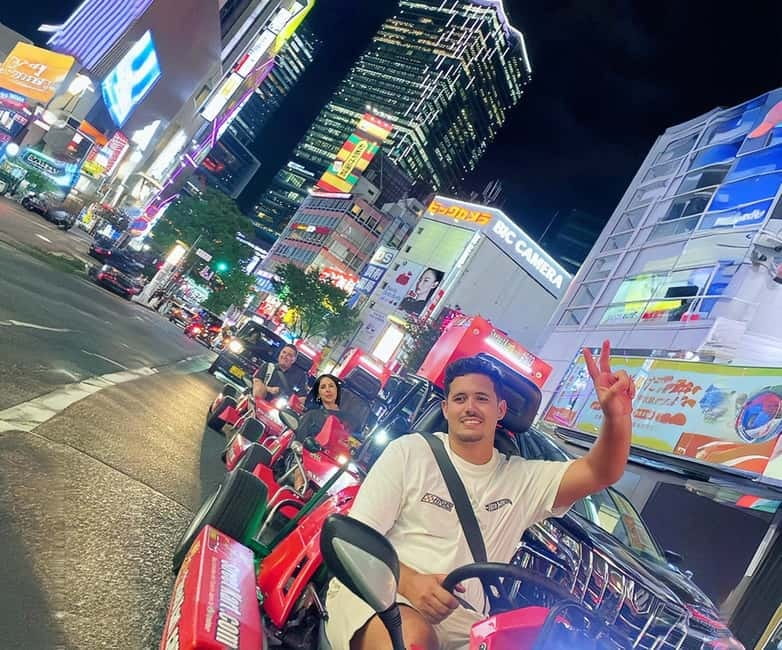
This is a “you’re driving in public” activity, so safety is not optional. You get a briefing video on road rules and how to operate, plus private and direct instructions from your guide before you start cruising.
The best part is that the guide stays in the flow with you. You’re not left to guess what to do at each intersection moment. The guide’s job is to keep you safe and make sure you understand how to handle the kart around pedestrians and traffic patterns.
You’ll also want to treat footwear rules seriously. The activity doesn’t allow high-heeled shoes, sandals or flip flops, or bare feet. That’s not just about comfort—it’s about control and safe movement in a street driving context.
Even if you’re an experienced driver, this is still a new environment. You’ll be entering intersections and crosswalk systems in Japan where behavior and signage can feel different from what you’re used to. The briefing helps you adapt fast.
Price and Value: Is $67 Worth It?
At $67 per person for an hour-long ride, the value mostly comes from what’s bundled. You’re not just paying for time on a kart—you’re paying for the whole package: kart rental, gasoline, an English-speaking guide, a safety briefing, a costume/accessory rental, and the photo data taken during your ride.
If you tried to recreate this on your own, the cost would likely rise fast. You’d still need the right documents, you’d need a place to rent a street-legal-style kart (and the staff to support you), and you’d miss the guide’s route and safety instruction that makes the Shibuya part feasible.
What’s not included is also important. If you want extra video equipment (like an action camera rental or a micro-SD/mount), you’ll pay additional fees. If you’re counting on getting every single photo shot you want, the built-in guide photo approach is included, but add-on camera gear won’t be.
So I see the price as fair if you want a high-impact Tokyo moment where your transportation, guidance, and photos are handled for you.
Driving Documents in Japan: The IDP Rules That Can Stop You
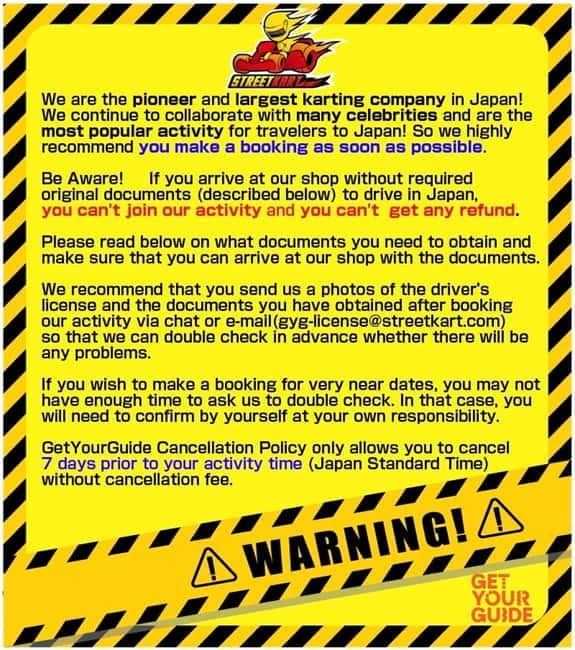
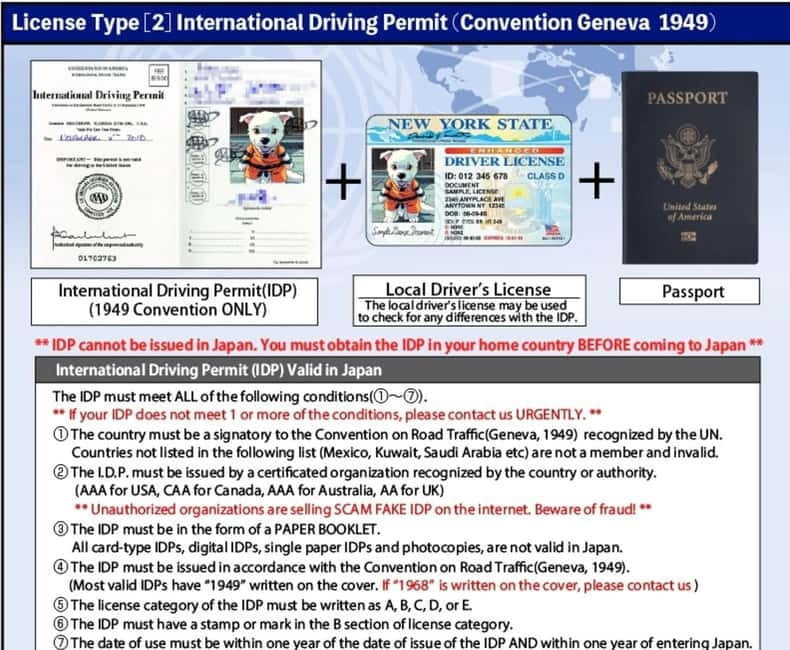
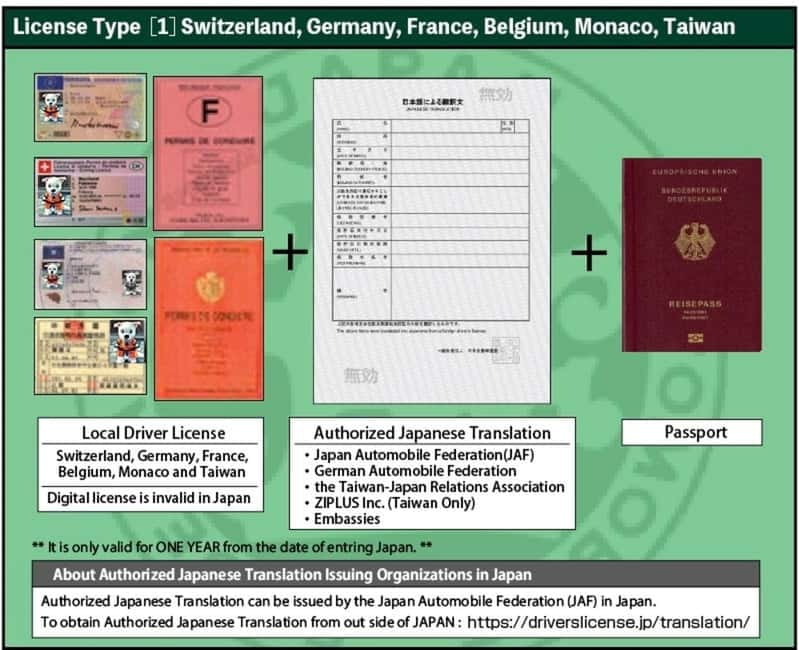
If you remember only one thing, make it this: you need the right physical driving documents to drive in Japan. An International Driving Permit (IDP) is required for most countries, and it must be issued as a booklet format compliant to the 1949 Geneva Convention.
Key points you should plan for now, not later:
- You must carry the physical IDP and your physical passport.
- A valid IDP can only be issued by the country that issued your domestic license.
- You cannot obtain it online while traveling.
- If your license is from Switzerland, Germany, France, Taiwan, Belgium, or Monaco, you’ll need a Japanese translation from the Japan Automobile Federation (JAF), not an IDP booklet.
- If your license is from a country not covered by the 1949 Geneva Convention (examples listed include China, Indonesia, Mexico, Qatar, Saudi Arabia, etc.), driving isn’t permitted.
This is the biggest potential snag. Even if you show up on time, you can’t improvise your way around document requirements. If you’re missing the right paperwork, you may not be able to participate.
What to Wear and Bring: The Rules That Affect Your Fun
You’ll want to pack smart for a driving activity where small details matter. The activity does not allow:
- High-heeled shoes
- Sandals or flip flops
- Bare feet
Think “secure, closed-toe footwear” so you can step comfortably and control the kart movements confidently.
Bring your passport and the correct physical IDP or domestic license plus official translation if your country falls under the JAF translation exception list. Since the requirements are strict, double-check before you leave home and again on the day.
Optional extras: if you’re tempted by action cameras, remember those costs aren’t included. If you already own your own action camera and setup, you might still need compatible mounts, so budget time to read what’s available and what costs extra.
Who This Tour Suits Best (and Who Should Skip It)
This tour is a great fit if you want an “only in Tokyo” driving moment and you like guided experiences that handle the risk and route planning for you. It’s also a strong choice for solo travelers because it’s small group (limited to 6 participants) and you’ll meet people while you get instructions together.
It’s also great for families in the adult range, since it’s designed for adults and teens are not allowed. The age limit is under 18 years not permitted.
On the flip side, it’s not suitable for people with a range of health and mobility concerns. The tour specifically isn’t for:
- Pregnant women
- People with back problems
- People with mobility impairments
- People with heart problems
- Wheelchair users
- People with respiratory issues
- People with epilepsy
- Visually impaired people
- People with recent surgeries
- People with low level of fitness
- People without a driver’s license
- People under 18
- People hearing-impaired
If any of those apply, skip it. Don’t “tough it out.” This is an active street driving experience.
Should You Book This Shibuya Street Go-Kart Tour?
Book it if you want a short, high-impact Tokyo activity that’s different from the usual walking-and-transit day. The combination of Shibuya Crossing passes, Harajuku/Omotesando cruising, free costume/accessory rental, and guide-taken photo data is a lot to get for $67.
Think twice if you’re not ready for the document rules. If your IDP paperwork isn’t lined up correctly in physical form, the experience becomes a non-starter. Also make sure you can follow the shoe rules and you feel comfortable driving in a public, busy crossing environment even with a guide.
If you can meet those requirements, this is one of the easiest ways to turn Shibuya from something you watch into something you do.
FAQ
How long is the Shibuya Tokyo Street Go-Kart Tour?
The tour runs for 1 hour.
How many people are in the group?
It’s a small group limited to 6 participants.
What do I need to drive in Japan?
You’ll need the required physical documents. For most countries, that means an International Driving Permit (IDP) booklet format compliant with the 1949 Geneva Convention, plus your physical passport. Some countries require a Japanese translation from JAF instead of an IDP.
Are there footwear restrictions?
Yes. High-heeled shoes, sandals or flip flops, and bare feet are not allowed.
What photo options are included?
Your guide takes photos and you receive the data of all photos taken at the end. Action camera rental and related items like micro-SD purchase and camera mounts are not included.
Is the guide English-speaking?
Yes. The tour includes an English-speaking guide.