REVIEW · FLORENCE
Florence: Uffizi Gallery Private Treasure Hunt for Families
Book on GetYourGuide →Operated by Florence Tours by Made of Tuscany · Bookable on GetYourGuide
Uffizi can feel like a maze. This private family treasure hunt turns it into a hands-on scavenger game with an expert guide and a clear trail through Florence’s art sights, ending inside the gallery.
I especially like the family-focused pacing—the guide keeps kids busy while parents learn real details. I also love that you hunt for specific visual clues, including Michelangelo’s Tondo Doni, plus fun symbolism in paintings you’ll recognize right away.
One thing to consider: on the first Sunday of each month, Uffizi entrance is free, but tickets can’t be reserved in advance, so entry isn’t guaranteed.
In This Review
- Key Things You’ll Notice on This Uffizi Family Treasure Hunt
- Why This Uffizi Tour Feels Different (and More Family-Friendly)
- Start at Neptune Fountain: Getting Your Bearings in Florence
- Piazza della Signoria: Where the City Talks Back Through Art
- Loggia dei Lanzi: Sculpture Clues You Can Actually See
- Inside Uffizi Gallery: The Treasure Hunt Portion That Makes It Stick
- Michelangelo’s Tondo Doni: A Hidden Sculpture Search for All Ages
- Botticelli and Caravaggio Details That Prompt Real Questions
- The Medici Thread: Seeing Patronage Up Close
- Where the Family Moment Lands: Portrait Time at the End
- Price and Value: Is $286.04 per Person Fair for Uffizi?
- Who This Tour Is Best For (and Who Might Want Something Else)
- When to Go: The First Sunday Free-Entry Catch
- Should You Book This Uffizi Family Treasure Hunt?
- FAQ
- Where does the tour start?
- How long is the experience?
- Is this a private tour?
- What’s included besides the guide?
- Which languages are available for the live guide?
- What should we bring to the tour?
- Is wheelchair access available?
- Does the tour include a family photo?
- What should I know about the first Sunday of the month?
Key Things You’ll Notice on This Uffizi Family Treasure Hunt
- Treasure-hunt clues built for kids, not just adults with patience
- Michelangelo’s Tondo Doni hidden sculpture search
- Caravaggio’s Medusa details up close, including what lurks inside her mouth
- Botticelli Annunciation puzzle about Mary’s bed and the one pillow
- A family portrait at the end to remember the day (and to give everyone a finish-line)
- Earphones for up to 8 people, so you hear the guide without shouting in crowds
Why This Uffizi Tour Feels Different (and More Family-Friendly)
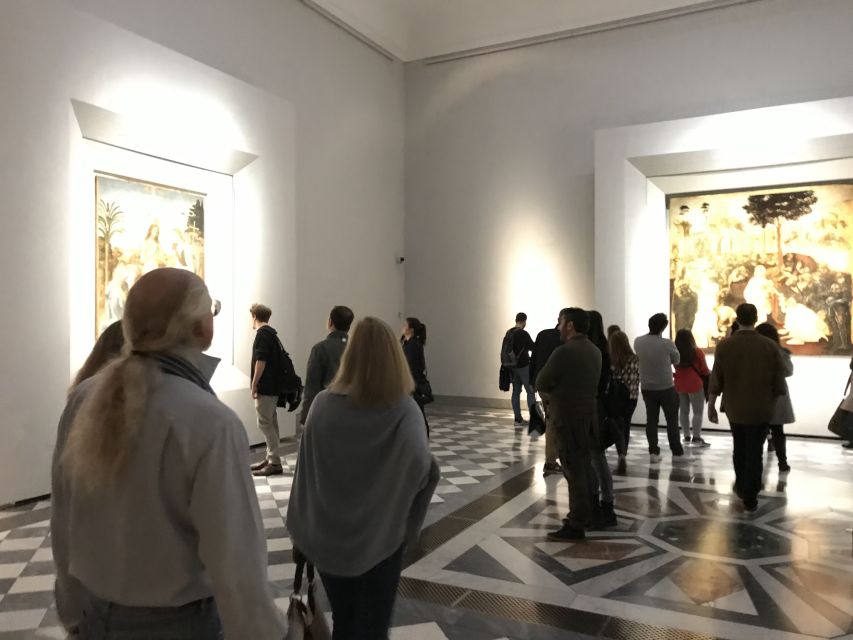
The Uffizi is one of Europe’s classic museum stops. That also means it can be overwhelming—long rooms, nonstop names, and foot traffic that never seems to slow down. What makes this experience work for families is the structure. You’re not just walking. You’re looking for answers.
The format is a guided “play and learn” treasure hunt, with a booklet where you jot down responses as you go. That little paper trail matters. It turns big museum moments into small missions your kids can complete, and it gives parents something concrete to watch for instead of trying to translate art in their heads on the fly.
You also get a private group setup, so the guide can adjust the pace to your family. And if your kids need frequent “new thing now” energy, this tour’s sequence helps. It moves from famous outdoor sculpture areas into the gallery, so you’re not stuck in one long indoor stretch with no change of scenery.
You can also read our reviews of more private tours in Florence


Start at Neptune Fountain: Getting Your Bearings in Florence
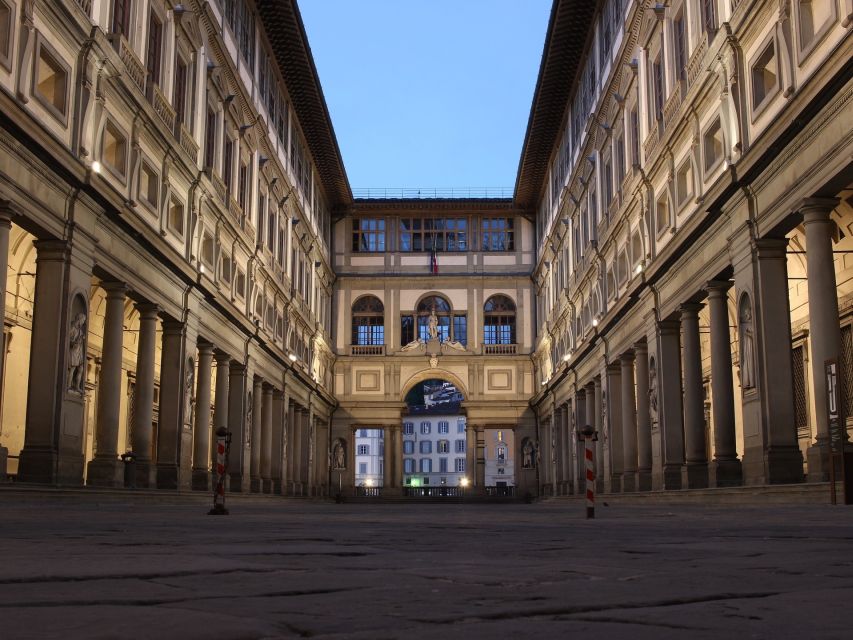
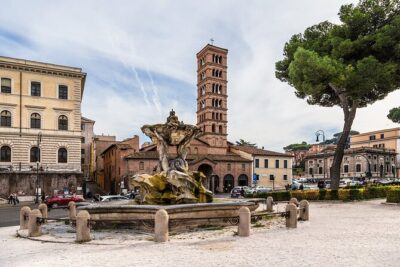
The tour begins at the Fontana del Nettuno (Neptune Fountain). It’s a smart first stop because it anchors you in the center of Florence, and it gives you a landmark to meet at without stress.
From there, the path leads you into the heart of the Renaissance power zone: civic spaces filled with sculpture and history. Even before you reach the Uffizi doors, you’re already in the kind of setting that shaped the art you came to see. In practice, that means your kids don’t just hear art names—they connect them to places around them.
This outdoor opener also helps the group get oriented before the gallery rules and crowds take over. You’ll have a clearer sense of direction once you step inside.
Piazza della Signoria: Where the City Talks Back Through Art
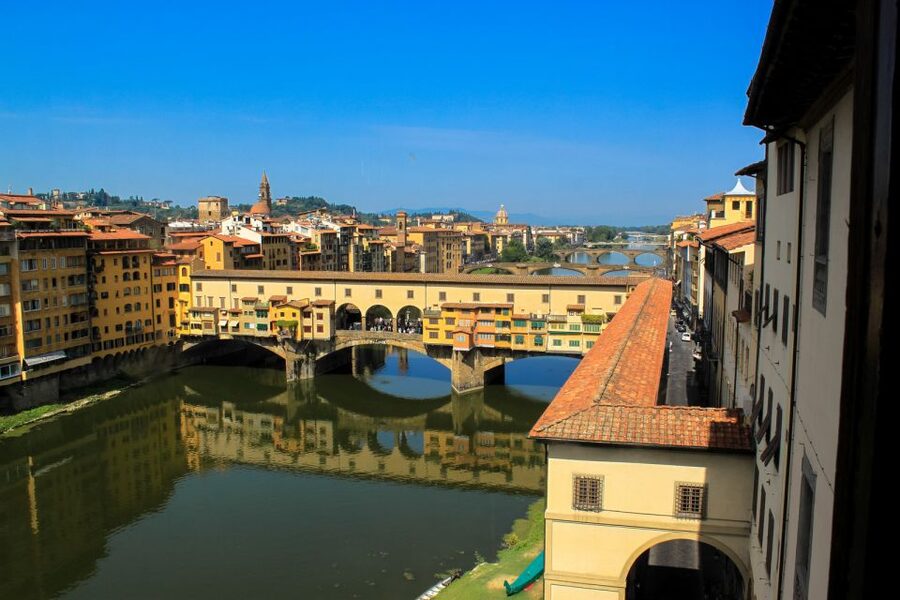
Next comes Piazza della Signoria with guided time. This square isn’t just pretty—it’s a statement. Renaissance Florence used public art like a message board: myth, power, politics, and prestige all wrapped into one space.
On this stop, the guide’s job is to set up what you’ll notice later. You’ll learn how symbols work in Renaissance art, and you’ll start spotting details the way an art historian does, but without the heavy textbook tone. For families, that’s the difference between boredom and curiosity.
A practical tip: keep an eye on what the guide points out. The best way to enjoy this kind of hunt is to treat the guide’s hints as part of the game. If you miss a clue outside, it can feel tougher when you’re inside looking for the corresponding image detail.
Loggia dei Lanzi: Sculpture Clues You Can Actually See
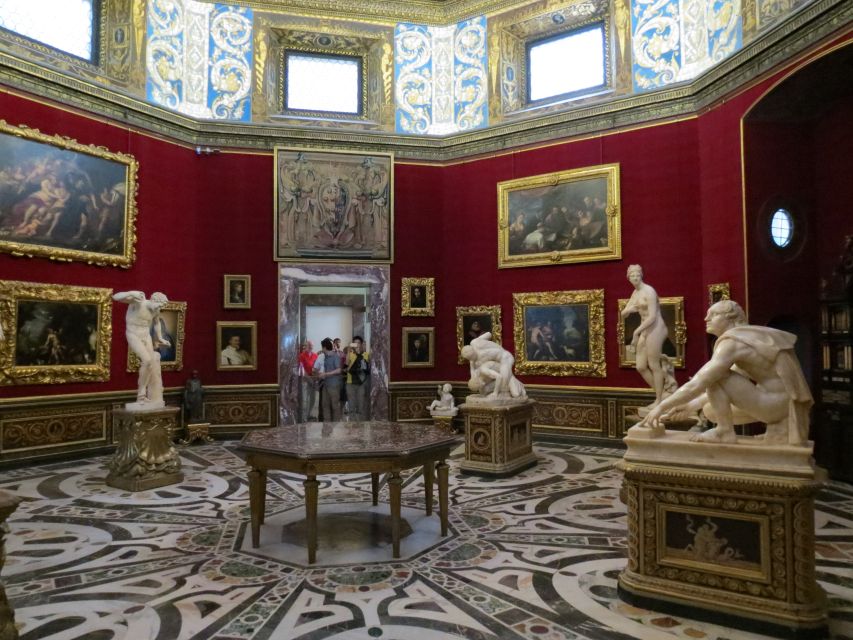
After Piazza della Signoria, you’ll visit the Loggia dei Lanzi. This is a great transition point because sculptures are easier for kids to “read” than paintings. They can look for shapes, poses, and story elements without feeling like the artwork is too abstract.
This stop also builds momentum. You’re learning the language of Renaissance sculpture and symbolism before you’re asked to hunt for hidden details inside one of the world’s most famous painting collections.
In other words, the tour doesn’t wait until you’re deep in the Uffizi to start training your eyes. It teaches you how to look, step by step.
Inside Uffizi Gallery: The Treasure Hunt Portion That Makes It Stick
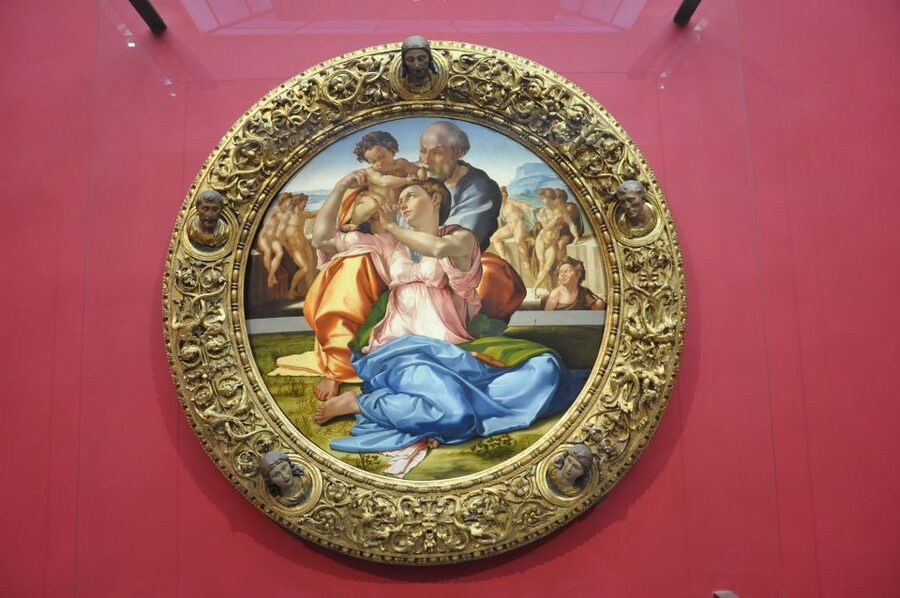
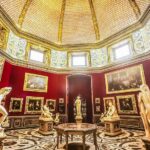
The main event is the Uffizi Gallery with a guided visit timed to last about three hours total (so the gallery experience isn’t rushed, but it also doesn’t drag). This is where the treasure-hunt idea becomes real.
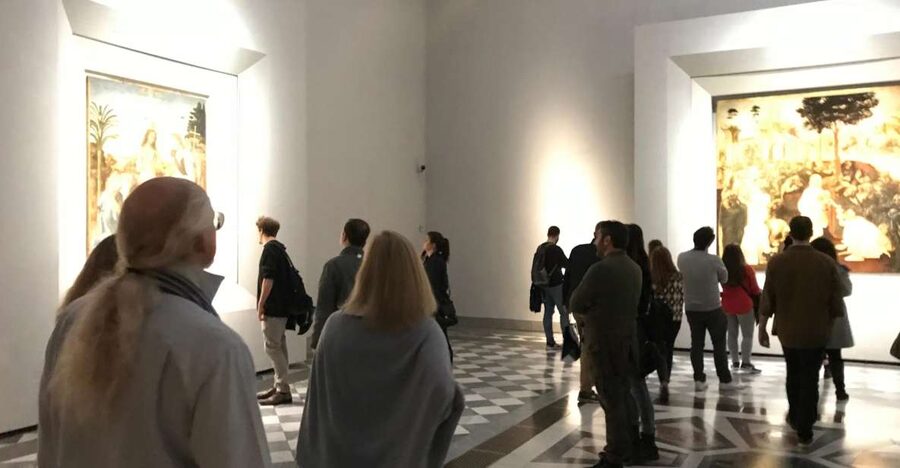
Your guide leads you through Renaissance masterpieces while you search for answers tied to specific works. The questions aren’t just trivia. They focus on visual symbols and odd details—things you’d probably miss if you were walking alone or trying to read wall labels.
You’ll also get help processing what you’re seeing. The tour includes myths and legends told by the guide, plus explanations of why certain details show up the way they do. For kids, that storytelling can make paintings feel like characters instead of static images.
You can also read our reviews of more museum experiences in Florence




Michelangelo’s Tondo Doni: A Hidden Sculpture Search for All Ages
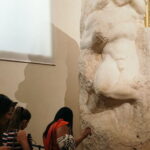
One of the tour highlights is hunting for hidden sculptures in Michelangelo’s Tondo Doni. This is exactly the kind of art moment that turns a museum into a game: the image becomes a puzzle, and the goal becomes “find the thing” rather than “admire quietly.”
If you’re traveling with younger kids, this is the stop that helps them participate with confidence. They’re not trying to understand every historical reference. They’re looking for specific elements the guide teaches them how to spot.
For adults, it’s still rewarding because it encourages careful viewing. You’ll notice aspects you’d likely overlook if you were just glancing and moving on.
Botticelli and Caravaggio Details That Prompt Real Questions
This tour leans into the fun oddities that make Renaissance paintings feel alive. You’ll look at Medici-related commissions up close and then get specific guided prompts that turn observation into learning.
A few examples of the kinds of questions you’ll be guided through:
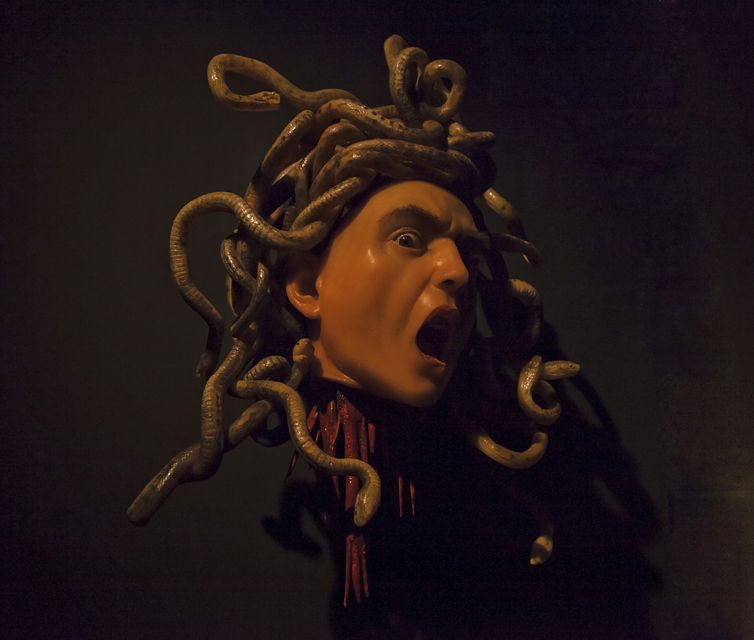
- Caravaggio’s Medusa: you’ll search for what lurks inside her mouth
- Symbol searches in Renaissance paintings: you’ll look for dogs, cats, flowers, and chairs, and consider what those details might mean
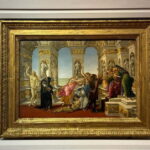
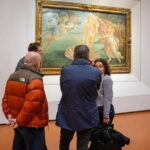
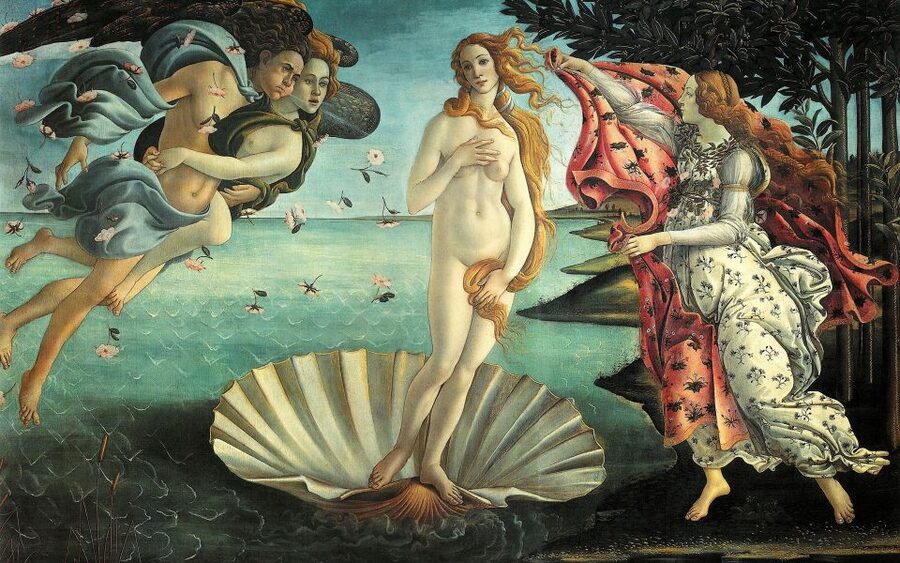
- Botticelli’s Annunciation: you’ll ponder why Mary’s bed has only one pillow
These aren’t random gimmicks. They push you to ask the real art questions: Why is that detail there? What does it suggest? How did the artist expect viewers to read the image?
And if you’ve ever felt like museum audio guides tell you what something is but not why it’s strange or interesting, this tour style gets you past that.
The Medici Thread: Seeing Patronage Up Close
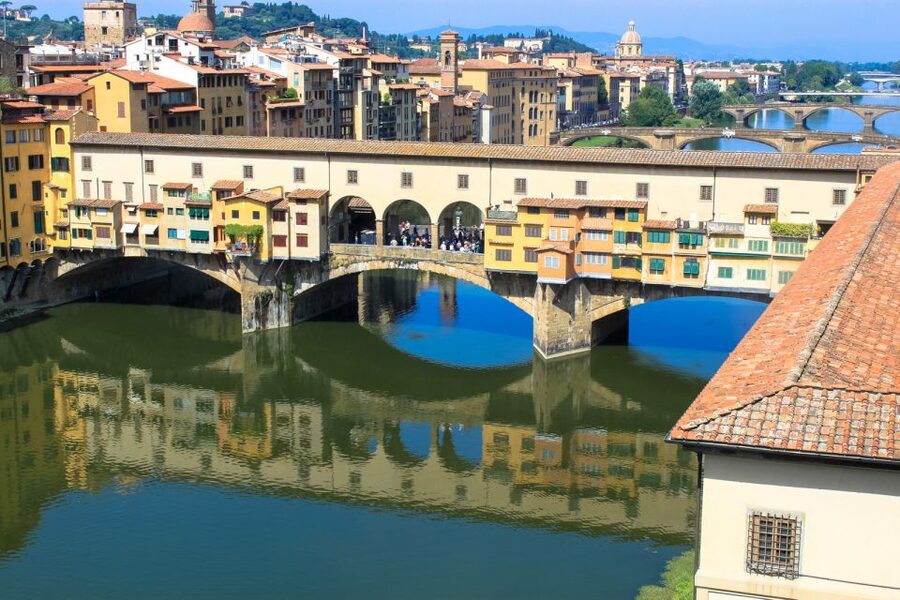
The tour also focuses on the Medici family’s commissions. That’s valuable because it connects art to the people who paid for it, the ideas they wanted to project, and the cultural theater of Renaissance Florence.
For families, the payoff is clarity. Instead of treating paintings as disconnected masterpieces, you start to see a pattern: patrons, symbols, storytelling, and public meaning.
For adults, it adds depth without requiring you to memorize names. The guide’s job is to keep the story moving while you solve the visual puzzle along the way.
Where the Family Moment Lands: Portrait Time at the End
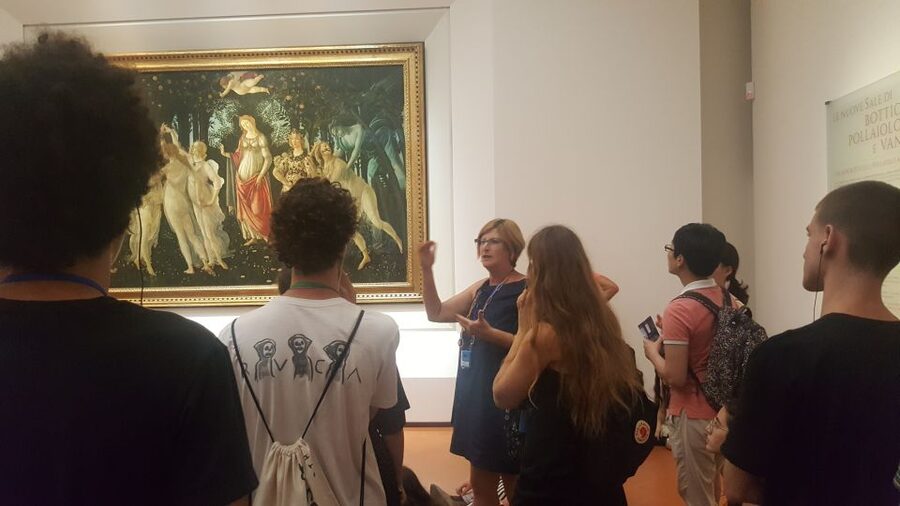
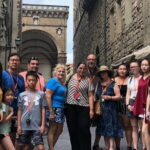
One practical, very family-friendly touch: you’ll get a family portrait at the end of your tour. This does two things.
First, it gives kids a clear finish line, which helps keep energy steady during a busy museum visit. Second, it’s a souvenir that isn’t just a photo in front of a landmark. It feels like a completion of the “hunt” experience.
If you’re traveling with multiple generations, this can also be a nice equalizer. Parents and kids both had roles in the tour, so everyone shares the same memory.
Price and Value: Is $286.04 per Person Fair for Uffizi?
At $286.04 per person, you’re paying for more than entry. You’re paying for a guided interactive experience built around your family’s attention span, plus included materials and a private group format.
Here’s how that price can make sense:
- Entrance ticket included means you don’t have to add another cost for basic admission.
- The guide doesn’t just explain art; you’re solving a clue-based booklet and responding to prompts.
- Earphones for up to 8 people help everyone hear clearly, which matters in the Uffizi’s busy spaces.
- Private group energy often means a smoother flow for families—less waiting, more “on-time” focus.
Is it the cheapest way into the Uffizi? No. But it’s one of the better ways to ensure your visit doesn’t turn into your kids wandering while you try to keep the peace and still read labels.
Who This Tour Is Best For (and Who Might Want Something Else)
This experience fits families who want:
- A guided art visit that doesn’t ignore kids
- A museum time window around three hours (enough to see real highlights without losing your entire day)
- A structured activity that encourages participation
It’s also a good choice if you’re the adult who likes learning, but not the adult who wants to spend hours researching first. The guide provides the context and the clue structure.
If you’re traveling with older teens who prefer total freedom, you might prefer a more self-guided Uffizi plan. But for most families with mixed ages, the hunt format makes the Uffizi feel manageable and fun.
When to Go: The First Sunday Free-Entry Catch
If you’re planning around the first Sunday of the month, note that entrance is free, but tickets can’t be reserved ahead of time, so entry isn’t guaranteed. That’s the main scheduling risk I’d plan around.
If your goal is certainty—especially with kids and a set time window—choose another day when reserved entry is straightforward.
Should You Book This Uffizi Family Treasure Hunt?
I’d book it if you want the Uffizi without the usual museum stress. The structure, clue searching, and guide-led explanations create a visit that feels like an activity instead of a long museum march.
I would skip it (or choose another format) if your priority is maximum time inside the gallery browsing at your own speed. This is designed to keep you moving and solving prompts, not to let you linger room-by-room for hours.
FAQ
Where does the tour start?
The tour starts at the Neptune Fountain (Fontana del Nettuno).
How long is the experience?
The experience lasts about 3 hours.
Is this a private tour?
Yes. It’s described as a private group.
What’s included besides the guide?
It includes an entrance ticket, an activity booklet for answers and a family picture, and earphones for up to 8 people.
Which languages are available for the live guide?
The guide is available in English, French, German, Spanish, Italian, and Russian.
What should we bring to the tour?
Bring a passport or ID card.
Is wheelchair access available?
Yes. The tour is wheelchair accessible.
Does the tour include a family photo?
Yes. You’ll get a family portrait at the end of the tour.
What should I know about the first Sunday of the month?
On the first Sunday of each month, entrance is free, but tickets can’t be reserved ahead of time, so entry isn’t guaranteed.