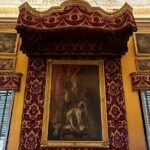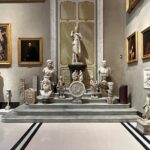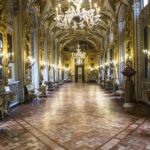
Baroque statues and paintings, with fewer headaches. This skip-the-line Borghese Gallery ticket gets you into one of Rome’s most concentrated art stops, then lets you move at your own speed. I especially like the chance to focus on the big names—Bernini, Caravaggio, Canova, Raphael—without getting stuck in a long queue. One thing to watch: the check-in can be a little confusing, and the audioguide setup may not be a simple handheld device.
What I like most is the pacing. You’re not forced to sprint from room to room, so you can linger in the areas that really grab you—like the Caravaggio room and the Bernini sculptures. The only drawback for some people is the tone: this experience tends to work best for adults and art lovers, not kids who need lots of active, hands-on energy.
And yes, there’s a reason to come for more than the paintings. After the gallery, you get time to stroll the Villa Borghese gardens and take in views over Piazza del Popolo. Just keep in mind the experience requires good weather, so plan a backup day if rain rolls in.
In This Review
- Key things to know before you go
- Skip-the-line at the Borghese: what you’re really buying
- Inside the museum: the art route that makes 2–3 hours feel right
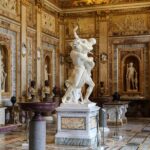
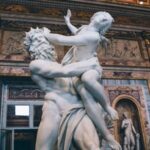
- Bernini’s drama: Apollo and Daphne, David, and the rest
- Caravaggio’s edge: David with the Head of Goliath and more
- Raphael’s quieter power: The Deposition and Lady with a Unicorn
- Canova and the wow factor: Pauline Bonaparte
- Other big-name artists you may spot as you wander
- Audioguide + self-paced timing: how to make the most of your 2–3 hours
- If you choose the guided option
- The Villa Borghese gardens: the payoff after the galleries
- Price and value: is $59.57 a smart move?
- Meeting the coordinator: where people get stuck (and how to avoid it)
- Who should book this Borghese skip-the-line ticket
- Should you book? My take
- FAQ
- Is this Borghese Gallery ticket available in English?
- How long does the Borghese Gallery visit take?
- What does the ticket include?
- Do I get a guided tour automatically?
- What’s the meeting point for the coordinator?
- Is the Borghese Gallery easy to reach?
- Do I need good weather?
- What if I need to cancel?
Key things to know before you go
- Skip-the-line entry helps you spend time inside the collection, not stuck outside.
- You’ll see major masterpiece clusters tied to specific artists and rooms (Bernini, Caravaggio, Raphael, Canova).
- Self-paced exploring is the main format, with an audioguide component in English.
- The Caravaggio room and famed sculpture groups like Apollo and Daphne and David are the big “don’t miss” stops.
- There’s time for Villa Borghese gardens, including viewpoints over Piazza del Popolo.
- Meeting the coordinator on-site matters; a few people reported getting momentarily thrown off by instructions or operator mix-ups.
Skip-the-line at the Borghese: what you’re really buying
At a glance, the ticket looks like “just admission.” In practice, you’re paying for two practical things: faster entry and a smoother start. Even one-sided reviews agree that the collection is worth it, but the real value is time. If you arrive when the lines are slow-moving, a fast-track ticket can turn a rushed visit into a comfortable one.
Price-wise, this isn’t a bargain in the way a neighborhood museum can be. Still, when the Borghese’s standard entry is sold out and queues can stretch, the math starts to make sense. One review even compared the base admission (about 16€) against the higher package price and argued the difference was mainly for speed. Whether you see it as a fair upgrade or a premium depends on how badly you want a specific time slot and how time-starved you are.
You also get an immediate “on the ground” helper: a coordinator meets you outside to provide entry tickets. That small service can save you from the common Rome problem of standing around wondering where the third-party desk actually is.
A few more Rome tours and experiences worth a look


Inside the museum: the art route that makes 2–3 hours feel right
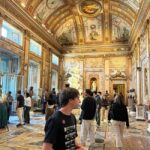
The Borghese Gallery is a museum you can feel in your legs. Even if you take it slow, the rooms don’t drag. The best strategy is to choose your must-sees first, then fill in the rest. With 2 to 3 hours, you can do that without rushing.
Here are the highlights you’ll want on your mental map:
Bernini’s drama: Apollo and Daphne, David, and the rest
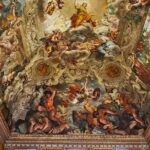
If you’re into baroque energy, Bernini is your anchor. Expect to run into his work repeatedly, not as a single stop but as part of the museum’s emotional rhythm. Famous pieces named in the tour description include:
- Apollo and Daphne
- David (the Bernini sculpture group is a major draw)
This is where the Borghese can feel almost theatrical. The figures look caught mid-motion, and your eyes keep wanting to follow the curls, hands, and turns. In a self-paced visit, this is where you’ll naturally slow down.
Caravaggio’s edge: David with the Head of Goliath and more
The Caravaggio room is one of the most intense parts of the collection. Named highlights include:
- David with the Head of Goliath
- Boy with a Basket of Fruit
Caravaggio is the reason a lot of art fans book the Borghese specifically. The contrast between dramatic faces and the quieter subject matter around it makes the rooms feel curated even though you’re essentially exploring a private collection turned public museum.
Also, if you choose a booking that includes a guided component, this is often the room where guides tend to bring the “why” into focus. One review specifically praised a guide for calling out story and motivation here.
Raphael’s quieter power: The Deposition and Lady with a Unicorn
Raphael adds a different mood—less theatrical muscle, more composure and clarity. The tour highlights include:
- The Deposition
- Lady with a Unicorn
These paintings are the kind where taking a few extra minutes matters. You don’t just look at them; you start noticing the relationships between figures and expressions. If you’re the type who likes details, Raphael is a great place to pause while the rest of your visit stays on track.
You can also read our reviews of more museum experiences in Rome

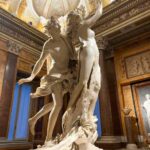

Canova and the wow factor: Pauline Bonaparte
For the sculpture lovers, Canova is a must. The tour description calls out:
- Pauline Bonaparte by Canova
This piece helps the Borghese avoid feeling stuck in one era. You get ancient and Renaissance/Baroque-era masterpieces in the same building, so your brain keeps re-calibrating what “masterpiece” looks like.
Other big-name artists you may spot as you wander
The description also mentions additional artists you might see while you move through the collection, including Titian. Your exact path depends on how you pace and what rooms you prioritize first, but the key point is that the gallery doesn’t feel like a single-artist museum. It’s more like a series of “you have to see this” moments.
Audioguide + self-paced timing: how to make the most of your 2–3 hours
This ticket is built for independent exploring. The structure is simple: you enter, then you choose what to focus on. The audioguide is meant to fill in context as you go.
One important real-world note: the experience is described as having an audioguide, but some people reported it wasn’t a classic handheld unit. Instead, they mentioned using an app to access the guide and pairing it with a scanning system like QR codes. If you book this, plan for a phone you’re comfortable charging and navigating. Bring a charged battery. If your phone is already at 30% when you arrive, you’re setting yourself up for frustration.
My practical tip: before you enter a room you really care about, take 60 seconds to confirm the audioguide is working. Then let it run while you look. That way, you’re not stopping and starting every few minutes.
If you choose the guided option
The package notes say a guided tour is included only if you select that option. Reviews include named guides like Dimitri (for an 11am–1pm slot) and Agnes, both praised for making the art feel alive. In particular:
- Dimitri was described as excellent for choosing the best works and keeping things enjoyable.
- Agnes was praised for explaining the stories and motivations behind works, with strong commentary in the Caravaggio room.
So if you can choose between “self-paced with audioguide” and “guided,” ask yourself what you want. If you enjoy lectures while walking, a good guide can turn famous names into real scenes. If you prefer quiet looking, self-paced is a great fit.
The Villa Borghese gardens: the payoff after the galleries
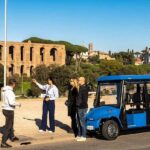
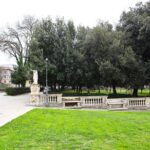
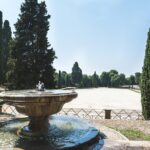
The Borghese isn’t only inside. The experience includes time to stroll the Villa Borghese gardens, with viewpoints over Piazza del Popolo.
This matters more than it sounds. Rome can feel like a constant parade of streets and noise. The garden section gives you a reset: space to breathe, a slower pace for photos, and a natural break after sitting with baroque intensity. It also gives your brain a different visual texture after dark paintings and dramatic sculpture lighting.
One more detail: since the experience requires good weather, the gardens may be the part you’re most annoyed to lose on a rainy day. If the forecast looks bad, consider booking with a flexible mindset.
Price and value: is $59.57 a smart move?
Let’s talk value in plain terms. This ticket costs $59.57 per person and runs about 2 to 3 hours. That’s not cheap for a museum visit, but you’re not paying for “a ticket.” You’re paying for:
- Fast-track entry
- An admission ticket included in the package
- A coordinator handoff for entry tickets
- An audioguide component in English
- The ability to explore at your pace
If you’re traveling during a peak season or you find the standard Borghese slots sold out, the fast-track value can go up fast. When time is scarce, paying extra is often cheaper than losing a whole day.
If your main goal is simply getting into the museum no matter what, then you might feel the price pinch. That’s why checking whether you can realistically get standard entry is part of deciding. For many people, this package is a practical fix for a sellout problem.
Meeting the coordinator: where people get stuck (and how to avoid it)
This is the part that can make or break your start.
The guidance says to meet your coordinator in front of the Borghese Gallery to receive entry tickets. The coordinator is described as wearing a blue and white uniform, waiting at the base of the steps on the right-hand side in front of the building.
Here’s the problem: one review described a chaotic check-in and confusion because a different operator fulfilled the tour. That’s not something you can fully control. But you can reduce the odds of stress by doing two things:
- Arrive early enough to slow down. Don’t show up at the exact minute and hope it all works.
- If you don’t spot the uniform quickly, stop searching and contact the provided customer service channel or number instead of roaming around.
Also, keep the meeting point description handy on your phone. In Rome, the difference between left and right-hand sides at an entrance can be a whole confusing circuit.
Who should book this Borghese skip-the-line ticket
This experience fits best if you:
- Want the fastest practical entry and a smooth start
- Like famous art but also want the option to slow down and actually see it
- Plan to spend real time with sculpture and painting, not just “check the box”
- Appreciate context, either from an English audioguide or from a selected guided option (when available)
If you’re bringing kids, be selective. One art-history-focused review suggested it’s not for children. That doesn’t mean you can’t bring them. It means you should expect more listening and less play.
If you’re traveling with limited time in Rome and the Borghese is on your must-see list, this ticket is a strong solution—especially when standard tickets are gone.
Should you book? My take
If the Borghese is a priority and you care about making the most of your visit time, I’d lean yes. The pairing of skip-the-line entry, a self-paced format, and the chance to hit top works like Bernini’s Apollo and Daphne and Caravaggio’s David with the Head of Goliath makes the experience feel efficient and focused.
Just go in with eyes open about two things: first, meeting the coordinator correctly is key, and the start may be a little chaotic depending on day-to-day operator changes. Second, the audioguide may be app-based, so bring a charged phone and expect to use QR or similar prompts.
FAQ
Is this Borghese Gallery ticket available in English?
Yes. The experience is offered in English.
How long does the Borghese Gallery visit take?
Plan for about 2 to 3 hours.
What does the ticket include?
It includes admission to the Borghese Gallery, all fees and taxes, a welcome service from a coordinator, and a guided tour only if you selected that option.
Do I get a guided tour automatically?
No. A guided tour is only included if you selected the guided tour option. Otherwise, you explore at your own pace.
What’s the meeting point for the coordinator?
Meet the coordinator in front of the Borghese Gallery to receive your entry tickets. The coordinator should be in a blue and white uniform, waiting at the base of the steps on the right-hand side.
Is the Borghese Gallery easy to reach?
Yes, it’s described as near public transportation.
Do I need good weather?
Yes. The experience requires good weather, and if it’s canceled due to poor weather you’ll be offered a different date or a full refund.
What if I need to cancel?
Free cancellation is available up to 24 hours in advance for a full refund.