REVIEW · WASHINGTON DC
National Archives + National Portrait Gallery Tour 6ppl Max
Book on GetYourGuide →Operated by Babylon Tours DC · Bookable on GetYourGuide
Founding documents and famous faces in one day. This small-group tour pairs the National Archives Rotunda with the Smithsonian Portraits in a way that actually helps it all make sense. I especially like the human storytelling around the Charters of Freedom and the chance to see major American art and presidential portraits with context instead of just passively looking.
The one thing to keep in mind is that the day runs on timed museum flow. If you’re hoping for a menu of every possible exhibit and side room, you may feel the limits of a guided highlights format, especially if crowds or noise affect what you can do.
In This Review
- Key takeaways before you go
- Entering the National Archives Rotunda: Charters of Freedom first
- Bill of Rights, Magna Carta 1297, and the citizenship storyline
- The break, the reset, and why it helps
- Smithsonian Portrait Gallery: Presidential Portrait Gallery plus American identity
- Art you’ll recognize: Cassatt, Hopper, Warhol, Rockwell
- Lunder Conservation Center peek: seeing art’s maintenance side
- Timing, lines, and the max-8 group feel
- Price and value: where $174 fits in
- Who should book (and who should think twice)
- Should you book this National Archives + National Portrait Gallery day?
- FAQ
- Where do I meet for the tour?
- How long is the full experience?
- Are ticket lines skipped at the National Archives?
- Do I get guided time at both museums?
- What do I need to bring?
- Are bags or luggage allowed?
- Is this tour private, or is it a group tour?
- Is the tour wheelchair accessible?
- Is food or drink included?
- What language is the tour in?
Key takeaways before you go
- Skip-the-line entry into the National Archives: you start with prioritized access instead of losing time at the start of the day.
- Charters of Freedom in the Rotunda: you get guided explanation where the documents are displayed.
- A citizenship theme from the Magna Carta to Rosa Parks: the tour connects legal ideas across centuries, not as trivia but as a storyline.
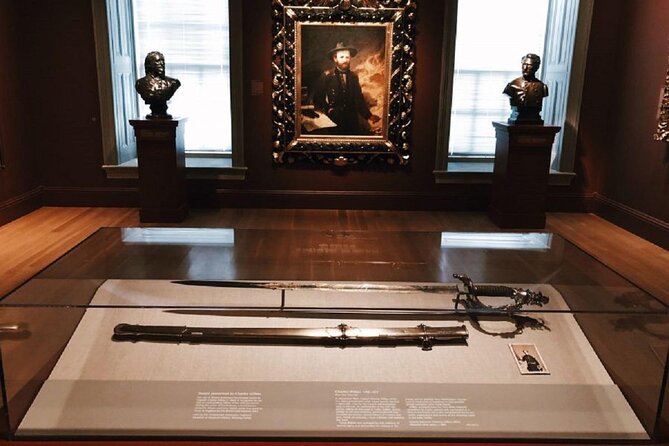
- Presidential Portraits plus Smithsonian American art: you’re not just seeing faces, you’re learning what they represent.
- You’ll see major artists in the mix: Mary Cassatt, Edward Hopper, Andy Warhol, and Norman Rockwell are called out in the route.
- Small group sizing (max 8): private-feel pacing, with enough time for questions when the group stays on track.
Entering the National Archives Rotunda: Charters of Freedom first
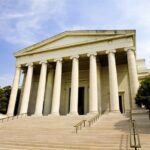
Your day starts at the bottom of the front stairs of the National Archives Building on Constitution Ave NW, which is about as classic a Washington DC kickoff as you can get. The big idea here is simple: you don’t begin with random facts. You begin with the setting that makes the documents feel real.
From the start, the tour is built around the handwritten Charters of Freedom housed in the Rotunda. That matters more than you might think. Seeing those pages under the right museum lighting is one thing. Having a guide explain the circumstances that brought the nation into existence while you’re standing in the space makes the documents feel like decisions people made, not just history you read later.
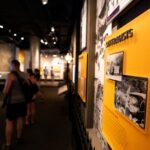
I also like that the tour is designed as a highlights loop for a building that can overwhelm you. The National Archives is enormous, and even with good signage, it’s easy to wander until you realize you’re not learning much. In a structured route, you get the big beats and the why behind them, in about a two-hour stretch.
One practical point: some rooms inside the archives have quiet or restricted areas where speaking may be limited. Your guide will tell you what’s allowed before you enter. That’s a good thing. It keeps the group from accidentally breaking rules and it helps you hear the guide when you’re in the right spaces.
You can also read our reviews of more museum experiences in Washington Dc

Bill of Rights, Magna Carta 1297, and the citizenship storyline
After the Rotunda, you head into the Rubenstein Gallery for a second layer of meaning: the philosophical foundations. One of the most memorable parts for many people is the Magna Carta connection. You’ll view a 1297 copy, and the guide frames it as a living idea about citizenship and rights—not only an old European document.
This is where the tour earns its “beyond the obvious” reputation. The tour doesn’t stop at saying these documents mattered. It connects the concept of citizenship to shifting definitions of who is included and what rights people are supposed to have. You’ll hear how the Declaration’s idea about unalienable rights feeds into later thinking, and you’ll see how legal and moral arguments evolve over time.
The tour also includes a citation to Rosa Parks. That detail is useful because it brings the conversation out of the founding era and into the later fight for civil rights. Instead of treating the story as one long parade of “great men,” you get a sense of how the United States keeps renegotiating who counts and why.
If you love argument-as-history—how ideas move from one document to another—you’ll probably enjoy this part the most. If your interest is mostly in artwork and portraits, you might still appreciate it, because it gives you a lens for understanding why portraiture and politics in Washington are so tightly linked.
The break, the reset, and why it helps
Between the big anchors—Rotunda and Portrait Gallery—you get a break built into the overall schedule. That’s not just a comfort thing. It’s strategic.
The National Archives portion is intense. You’re standing, listening, and processing legal language and competing ideas. Then you move into the Smithsonian museum environment where art is visual and emotional rather than legal and procedural. A gap helps you switch gears without feeling rushed, and it gives you time to grab something to eat on your own since food and drinks aren’t included.
I recommend you use the break to refresh water and plan your shoes for the next museum block. This day is long enough that you’ll feel it in your legs if you’re in unsupportive footwear.
Smithsonian Portrait Gallery: Presidential Portrait Gallery plus American identity
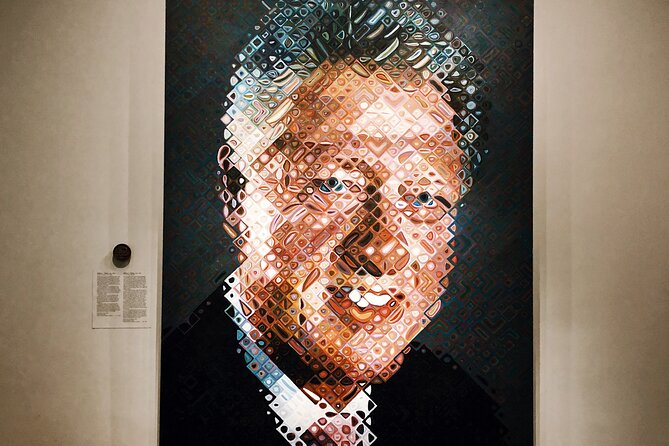
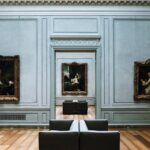
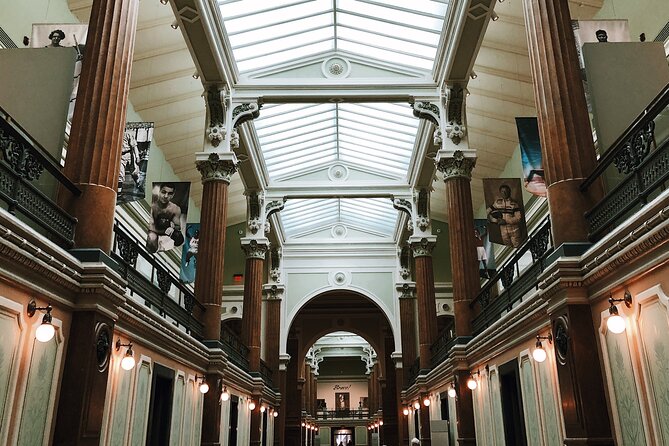
After the break, you move into the Smithsonian National Portrait Gallery and the Smithsonian American Art Museum space. The tour is built to guide you through areas that flow between the collections, which helps you avoid the common “I saw one room” museum problem.
You’ll spend time in Washington locals’ kind of downtime too: the Kogard Courtyard is one of the more relaxing spaces in downtown DC. It’s not an afterthought. It’s the moment where the tour shifts from lecture mode to reflection mode. You get to sit, take a breath, and let what you just learned about rights and citizenship sit in your brain before you go face-to-face with American leaders.
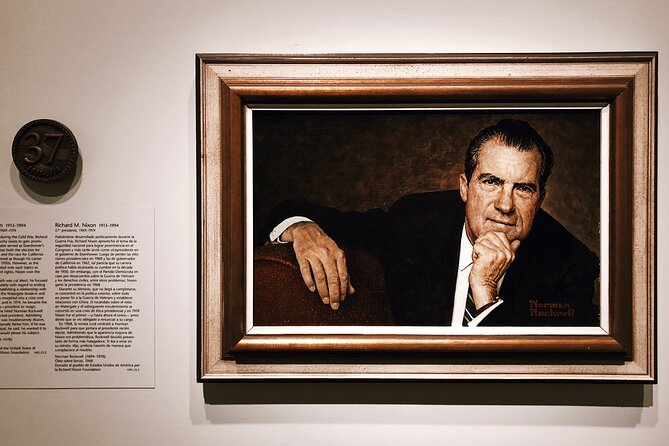
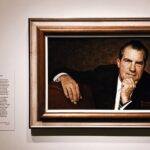
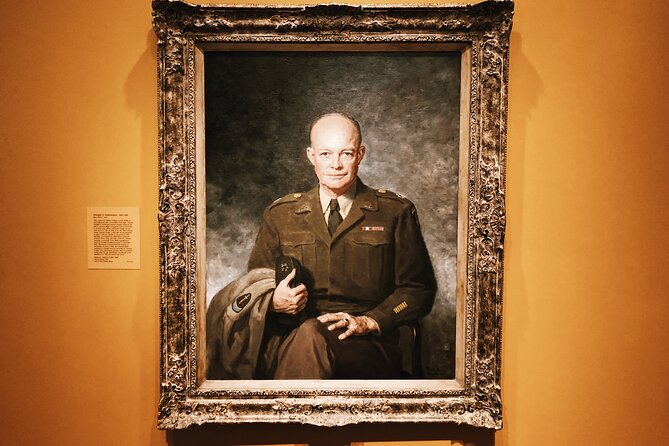
The main headline here is the Presidential Portrait Gallery. You’ll see those iconic faces, but the guide’s job is to give you stories around them. The tour doesn’t treat presidential portraiture as a static gallery of winners. It connects portraits to how the nation chooses to represent itself.
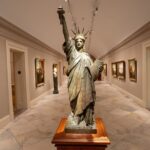
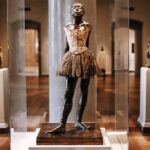
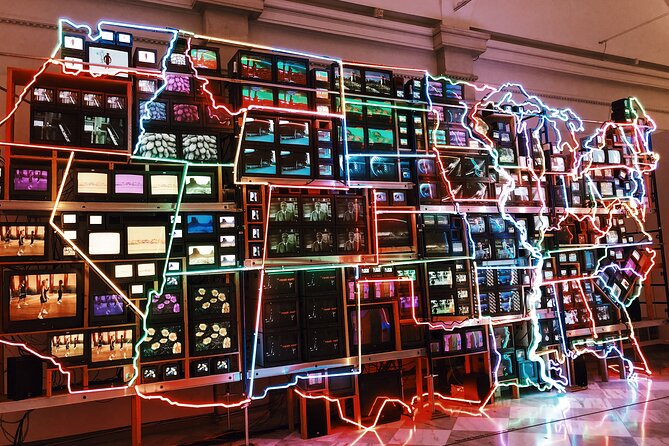
You’ll also encounter stories of other famous Americans in painting, sculpture, and video form. That variety is why this section works better than a simple “look at portraits” stop. Your brain gets multiple ways to process the same theme: who we celebrate, who gets remembered, and how visual culture supports political identity.
Art you’ll recognize: Cassatt, Hopper, Warhol, Rockwell
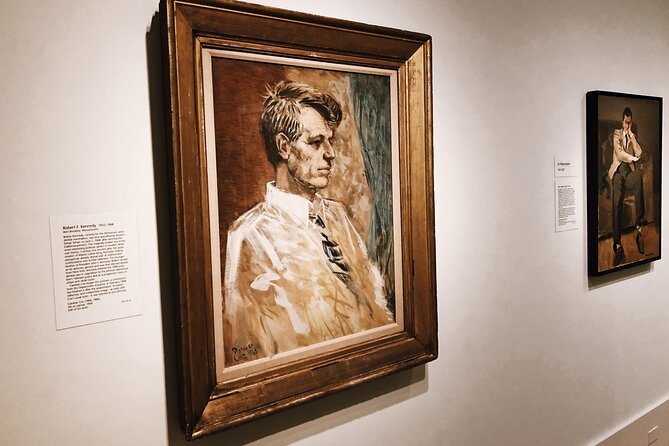
One reason I like this tour’s format is that it doesn’t pigeonhole you into pure political history. The Smithsonian portion is where art and public memory meet.
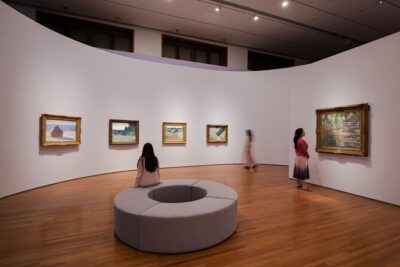
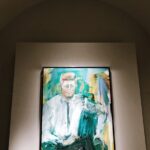
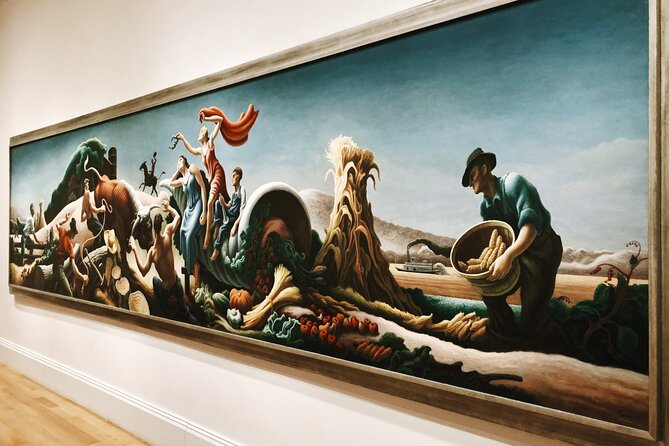
The highlights include works by major names such as Mary Cassatt, Edward Hopper, Andy Warhol, and Norman Rockwell. Even if you don’t know the specific pieces at first glance, your guide will point you toward what to look for and why each artist’s style matters in an American context.
That’s the value of a guided “highlights” approach in an art museum: you’re not trying to admire everything in one day. Instead, you’re seeing representative works that show how American identity gets drawn in different visual languages. Hopper’s realism can feel like it captures quiet tension. Warhol’s pop sensibility can hint at how fame gets manufactured. Rockwell can show you the comfort and contradictions of mainstream imagery. Cassatt helps broaden the story of who gets centered in art history.
If you love art but hate museum over-planning, you’ll likely appreciate that you don’t have to build an itinerary from scratch. You get a route that hits recognizable pillars and ties them back to the day’s theme.


Lunder Conservation Center peek: seeing art’s maintenance side
This tour includes time at the Luce Center for American art, with a chance to peek inside the labs of the Lunder Conservation Center. That part is small compared to the big-name galleries, but it’s the kind of stop that changes how you see museums.
Conservation labs show you that artworks don’t just exist. They’re cared for, protected, and sometimes restored. Even when you’re only getting a glimpse, it helps you understand why museum staff spend careers on preservation. It also gives you a break from looking at faces and historical documents all day.
This is one of the more distinctive elements in the overall experience. Most Washington tours skim the surface of museums. Here, you get a reminder that behind the scenes, there’s serious work making sure these pieces survive for the next visitor.
Timing, lines, and the max-8 group feel
The tour runs for about 330 minutes, with two major highlights segments of roughly two hours each. The rest of the time is transition, orientation, and that built-in reset between museums.
The skip-the-line benefit is especially important for the National Archives. That building can be a bottleneck. Starting with skip-the-ticket line access reduces the chance that you spend your best morning stuck in lines when your energy is highest.
Small group size is another real factor. This is a private or small-group experience with a maximum of 8 people. That means the guide can move at a pace that doesn’t feel like a cattle call, and you’re more likely to hear explanations clearly without competing for space.
One caution from real-world logistics: timed museum days can go sideways if groups get separated, sound carries poorly in certain rooms, or the crowd level surges. In one bad scenario, someone reported losing their guide and not being able to hear well, then leaving after only a partial experience. The practical lesson for you is to stay close to the guide at all times, and if you can’t hear, speak up immediately rather than waiting. Early fixes beat later frustration.
Price and value: where $174 fits in
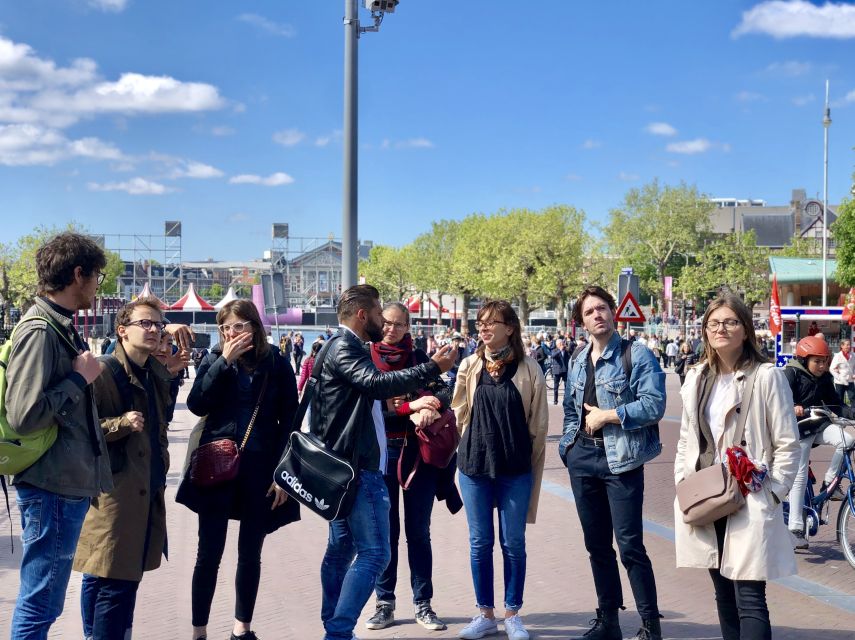
At $174 per person for a 5.5-hour guided day that covers two heavyweight Smithsonian experiences plus the National Archives, you’re paying for three things:
1) a focused guide who ties documents and art into one storyline,
2) reduced wasted time via skip-the-line entry at the National Archives,
3) small-group pacing and access that feels more personal than self-guided wandering.
Is it worth it? It depends on what you want from your DC day. If you love reading labels but hate lectures, you might decide you can do a lot on your own. If you’d rather understand why these items matter and how ideas connect across centuries, the guide’s narrative is the point, and the price is easier to justify.
This tour also avoids the biggest “self-guided problem” at these sites: picking what to ignore. With limited time, you can easily end up viewing random highlights. With the guide, the route is intentional, including the Magna Carta moment, the Rosa Parks citation detail, the Presidential Portrait focus, and then major art names.
Who should book (and who should think twice)
You’ll likely enjoy this tour if you:
- want a guided, theme-driven day across founding documents, citizenship, and portrait art
- prefer small groups and clear routing over solo wandering
- are excited by the idea of seeing both political history and major American artists in one schedule
Think twice if you:
- need the option for wheelchair use, since the tour is listed as not suitable for wheelchair users (if accessibility is a must, advise during booking to see what can be arranged)
- plan to carry large luggage, since luggage or large bags aren’t allowed through security
- expect every exhibit, including temporary exhibits, because temporary exhibits aren’t included in what you’ll see
Also, if you’re the type who really wants total control over your pace, highlights tours can feel confining. Still, for most people visiting DC, a structured route is exactly what makes the time worthwhile.
Should you book this National Archives + National Portrait Gallery day?
I’d book it if you want a guided highlights experience that connects the founding era to later civil rights and then carries that theme into American portraiture and major art. The combination is smart: you start with the documents in the Rotunda, you get the Magna Carta and citizenship storyline, then you pivot into faces of leaders and famous Americans through art and portraiture.
If you’re on the fence, here’s the quick test: if you’ll likely read labels and enjoy context, you’ll probably feel the value. If you mostly want to browse at your own pace and you’re comfortable building your own route, you might prefer going independently—since the tour’s “payoff” is in the guide’s narrative and the streamlined flow.
If you do book, come ready: bring a photo ID, wear comfortable shoes, and plan for long museum standing. Keep your group close to the guide, especially in busy areas, and you’ll get the best version of what this day is designed to be.
FAQ
Where do I meet for the tour?
Meet on the bottom of the front stairs of the National Archives Building on Constitution Ave. NW.
How long is the full experience?
The duration is 330 minutes, including the two guided highlights tours and breaks/transitions.
Are ticket lines skipped at the National Archives?
Yes. The tour includes skip-the-ticket line at the National Archives.
Do I get guided time at both museums?
Yes. You get a 2-hour highlights tour of the National Archives Building and a 2-hour highlights tour of the Portrait Gallery.
What do I need to bring?
Bring a passport or ID card.
Are bags or luggage allowed?
No luggage or large bags are allowed. You can bring a handbag or a small thin backpack.
Is this tour private, or is it a group tour?
It’s private or small group. The group size is no more than 8 people, and private options are available.
Is the tour wheelchair accessible?
The information provided lists the tour as not suitable for wheelchair users. If you need wheelchair access, you should advise during booking to confirm what can be arranged.
Is food or drink included?
No. Food or drink is not included.
What language is the tour in?
The tour is in English.