REVIEW · WASHINGTON DC
National Portrait Gallery & American Art Museum Guided Tour
Book on GetYourGuide →Operated by Babylon Tours DC · Bookable on GetYourGuide
Two museums, one brilliant building, one clear story. I especially love the Presidential Portrait collection, and the tour also lands on the Greensboro Lunch Counter moment that ties art to real history. The overall experience is easy to follow, but there is a moderate walking pace and strict bag rules, so plan light.
What makes this tour feel worth it is the way an art historian guide turns museum looking into something you can actually use. You’ll move from faces that built the country to images and paintings that shaped how Americans saw themselves. One possible drawback: some rooms have quiet or restricted speaking rules, so your group will have to keep voices down in certain spots.
In This Review
- Key Highlights You Should Not Miss
- Old Patent Office Building: Where Whitman’s Past Sets the Tone
- Meeting Your Guide and the Smart Way the Tour Unfolds
- National Portrait Gallery: Presidents and the Faces Behind Power
- From Daguerreotypes to the Early 20th Century: A Timeline You Can Feel
- American Art Museum: Cassatt, Hopper, Hockney, and Why “Icons” Aren’t Simple
- When a Portrait Feels Off: Learning the Story Behind the Looking
- WPA Photos and the Greensboro Lunch Counter: History You Can’t Ignore
- Price and Timing: Is $86 Worth 2.5 Hours?
- What to Bring and the Museum Rules That Affect Your Comfort
- Who This Tour Fits Best (and Who Might Skip It)
- Should You Book This Guided Tour?
- FAQ
- How long is the National Portrait Gallery & American Art Museum guided tour?
- How much does the tour cost?
- Where does the tour start and end?
- What’s included in the price?
- Is the tour available every day?
- What language is the tour in?
- Do I need to bring ID?
- Can I bring luggage or large bags?
- Is this tour suitable for wheelchair users?
- What happens if parts of the museum are closed or the opening is delayed?
Key Highlights You Should Not Miss
- Old Patent Office Building backstory: once a Civil War-era hospital where Walt Whitman helped injured soldiers
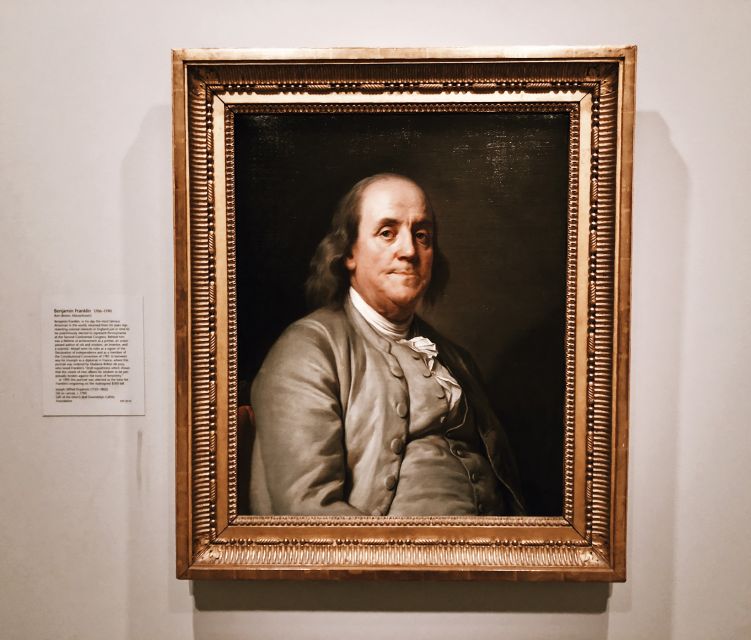
- Presidential Portraits: a guided sweep through famous leaders and the people around them
- American Art timeline: from early photography and daguerreotypes to Robber Barons and Suffragettes
- Major names, guided looking: Mary Cassatt, Edward Hopper, David Hockney, and Georgia O’Keeffe
- History meets art: WPA-era photographs from the Great Depression
- The Greensboro Lunch Counter: a concentrated Civil Rights Movement touch point
Old Patent Office Building: Where Whitman’s Past Sets the Tone
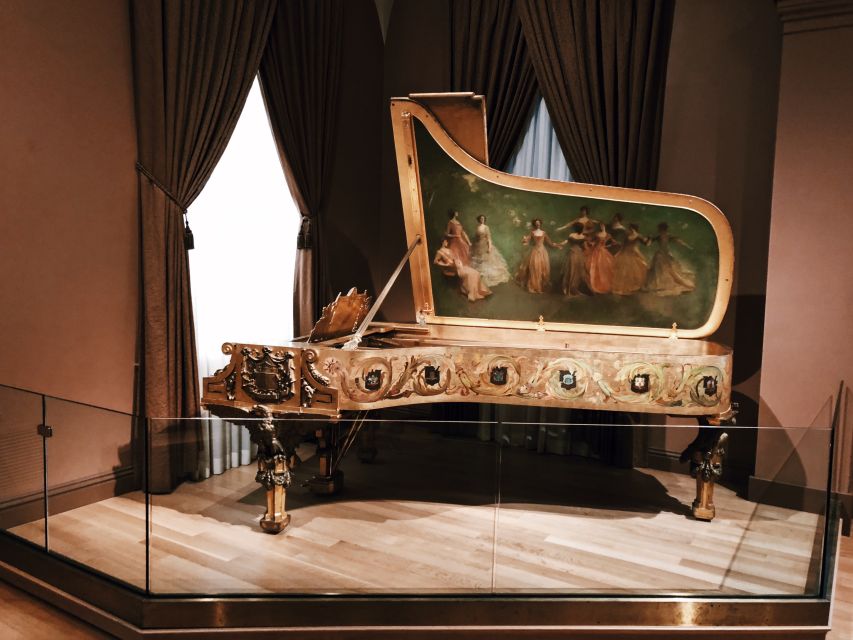
You start in a building that feels like it’s wearing two identities at once. The Old Patent Office Building has Civil War-era history in its bones, including the fact that poet Walt Whitman helped injured soldiers here. Today it hosts two major collections, so your first impression isn’t just architecture—it’s layers.
Then the museum idea clicks. This is a place where images tell stories, and the building’s own story makes you more alert to symbolism and context. Even if you’re not usually a museum person, you’ll likely find the setting helps you get your bearings fast.
You can also read our reviews of more guided tours in Washington Dc


Meeting Your Guide and the Smart Way the Tour Unfolds
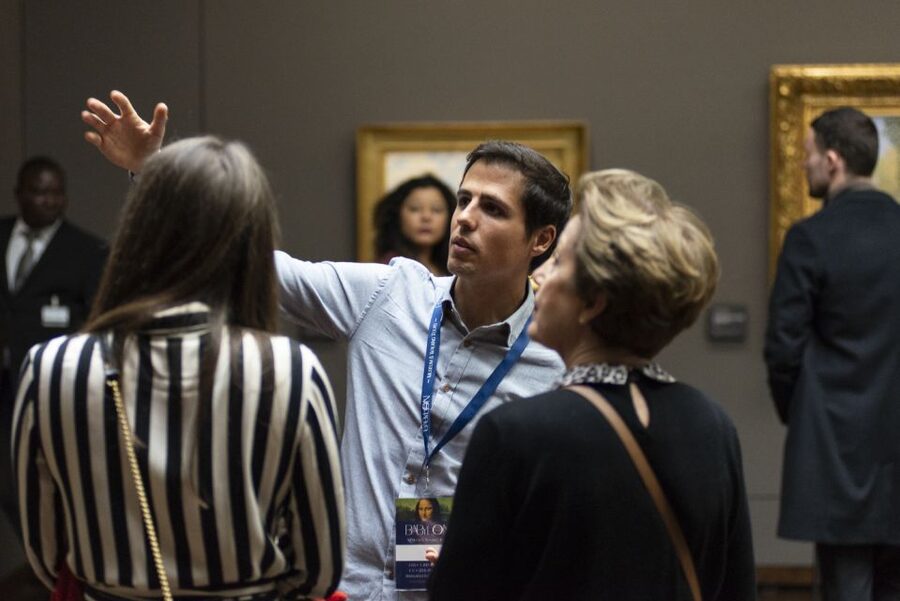
This is a guided highlights tour led by a professional art historian. That matters because you’re not just moving from label to label; you’re getting a plan for what to notice and why it matters. The tour is designed to cover the National Portrait Gallery and then continue into the American Art Museum, usually in about 2 to 2.5 hours.
Groups run as private or small group options, and it’s available daily. The “highlights” format is a good fit if you want strong introductions to two museums without needing to spend an entire day in each.
There’s also a practical rhythm to how you’ll experience it. You’ll see major works, but you’ll also get explanations meant to help you look at art more clearly—especially when something feels odd, uncomfortable, or hard to place.
National Portrait Gallery: Presidents and the Faces Behind Power
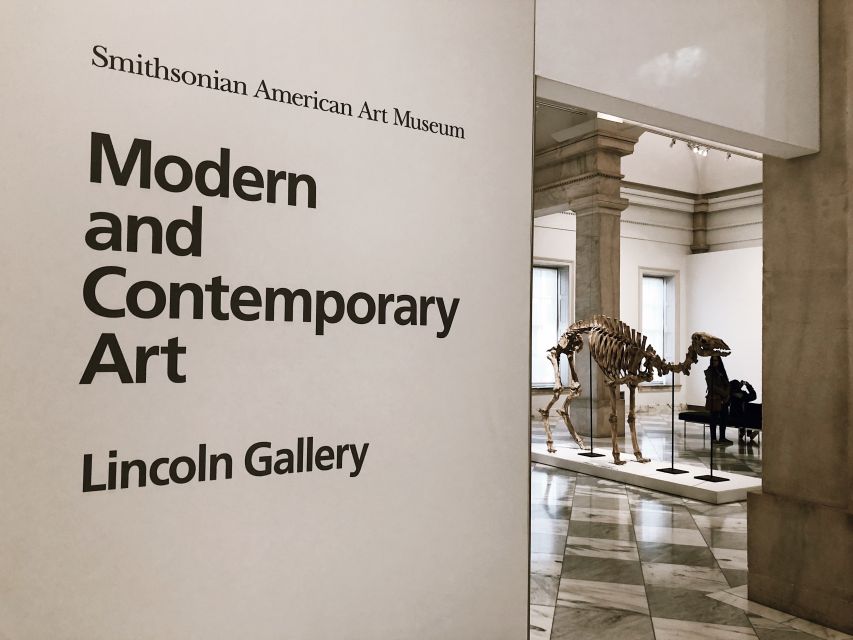
The National Portrait Gallery is built around people—who they were, what they did, and how their images helped shape national identity. A guided tour here is a fast way to understand that portraits aren’t only about faces. They’re about message, status, and the choices made about who deserves to be remembered.
You’ll spend time in the famous Presidential Portrait collection. That’s the obvious draw, but I like that the tour doesn’t stop at famous names. You also see other major figures tied to building the country, including military leaders of the Civil War such as Grant and Sherman.
If you enjoy seeing how “public” history gets packaged into images, this section will click. Portraits can feel distant until someone connects clothing, era, and presentation to what was happening at the time.
From Daguerreotypes to the Early 20th Century: A Timeline You Can Feel
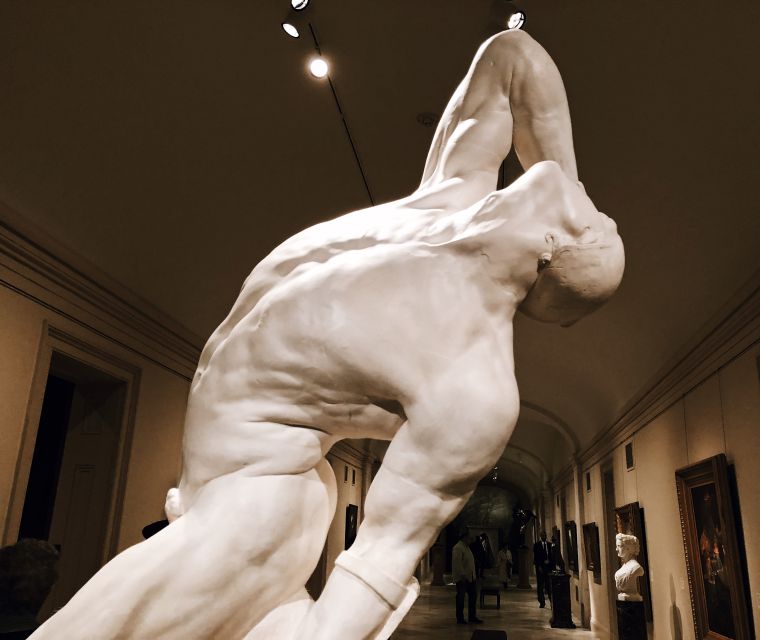
One of the most useful parts of the tour is the way it shows art moving through time, not as a list of dates but as a shift in how Americans documented themselves.
You’ll see 19th-century daguerreotypes and early photographs, which are a different kind of looking experience than painting. There’s something direct about early photography—people often look less “posed for performance” and more like they were caught at a specific moment in time.
Then the tour moves forward into the early 20th century, where the themes broaden. You’ll encounter Robber Barons and Suffragettes, which is a sharp reminder that art and portraiture weren’t just about leaders in government. They were also about power in business and power in social change.
This is where a good guide earns their spot. Instead of treating each portrait like a standalone object, the explanations help you see patterns: who gets depicted, how identity is framed, and why those choices matter.
American Art Museum: Cassatt, Hopper, Hockney, and Why “Icons” Aren’t Simple
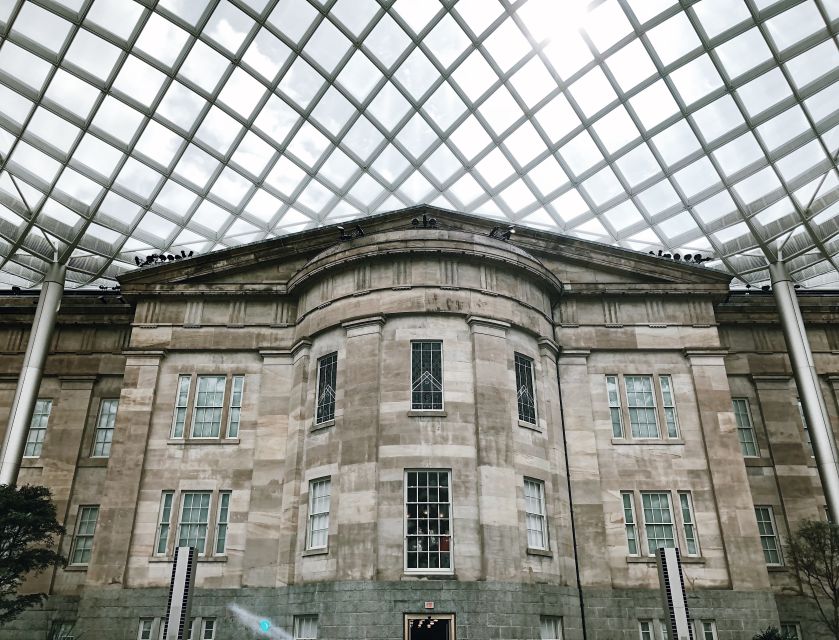
After the Portrait Gallery, you shift into the American Art Museum side of the experience. This is where the tone changes from “history in faces” to “history in images and styles.”
Mary Cassatt is a highlight here, and it makes sense because her work is closely tied to Impressionism and the way everyday scenes can carry emotional weight. From there you’ll also see major names like Edward Hopper and David Hockney, which gives you a jump across styles and generations.
Hopper’s scenes are famously about atmosphere, and a guide helps you notice what’s happening under the surface—light, isolation, timing, and mood. With David Hockney, the looking can be more playful, which is useful when you want to reset your brain after the density of portrait history.
And then Georgia O’Keeffe enters with her provocative flowers. Even if you don’t know much about her, you’ll likely understand why the guide prompts conversation. Her paintings can feel bold and personal at the same time, and the tour framing helps you slow down rather than skim past.
You can also read our reviews of more museum experiences in Washington Dc



When a Portrait Feels Off: Learning the Story Behind the Looking
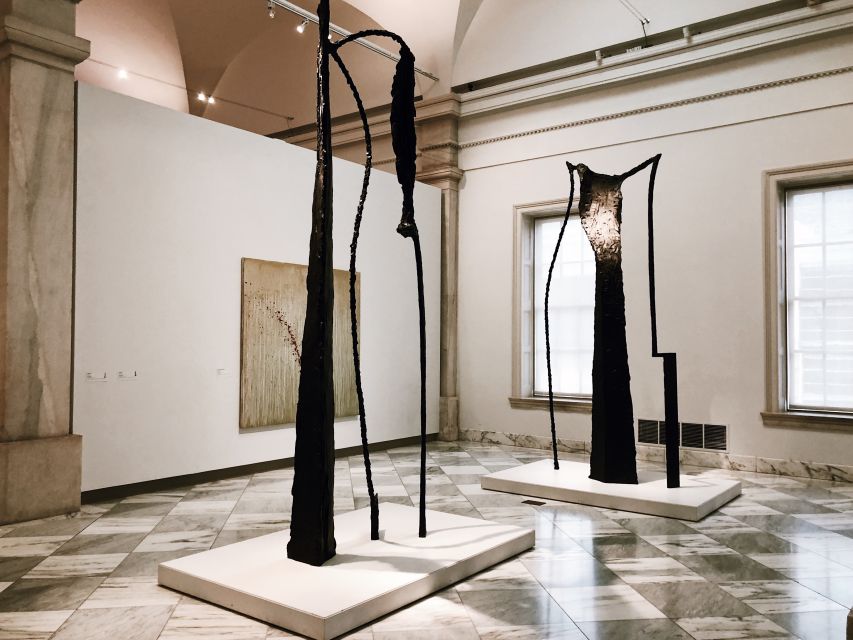
One of the tour’s best tricks is that it prepares you for works that might not feel instantly understandable. The tour description specifically points to a slightly odd portrait of former president Obama, and that’s exactly the kind of moment where having a guide changes everything.
When you’re left to your own devices, you might either skip over something unfamiliar or try to force it into your own expectations. With a guide, you get the “why this matters” layer—what the artist may be emphasizing and how the portrait sits in its cultural moment.
I like that this tour doesn’t only celebrate agreement. It makes space for confusion and uses it as a starting point for learning. By the end, you’re usually left with a better sense of how to interpret portrait choices and how style can carry meaning.
WPA Photos and the Greensboro Lunch Counter: History You Can’t Ignore
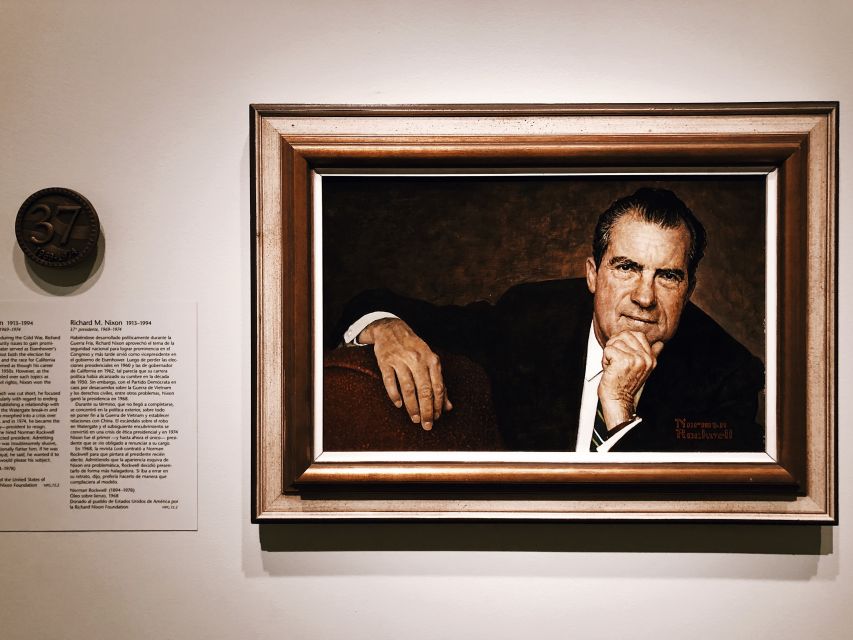
The tour includes two history-heavy anchors that make the experience feel grounded. In the American Art Museum section, you’ll look at WPA-era photographs connected to the Great Depression. Those images are described as helping define a nation during a time when people needed proof, documentation, and morale.
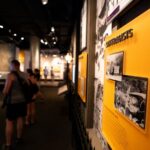
Then you get the Greensboro Lunch Counter as a Civil Rights Movement touch point. This is one of those museum moments that can feel bigger than the room you’re standing in. A tour guide is especially helpful here because it turns a single object into a doorway—how art and images become ways to remember struggles and victories.
This pairing works because it connects eras. You’re seeing how Americans were photographed and depicted during hardship and change, then how those visual memories shaped later understanding.
Price and Timing: Is $86 Worth 2.5 Hours?
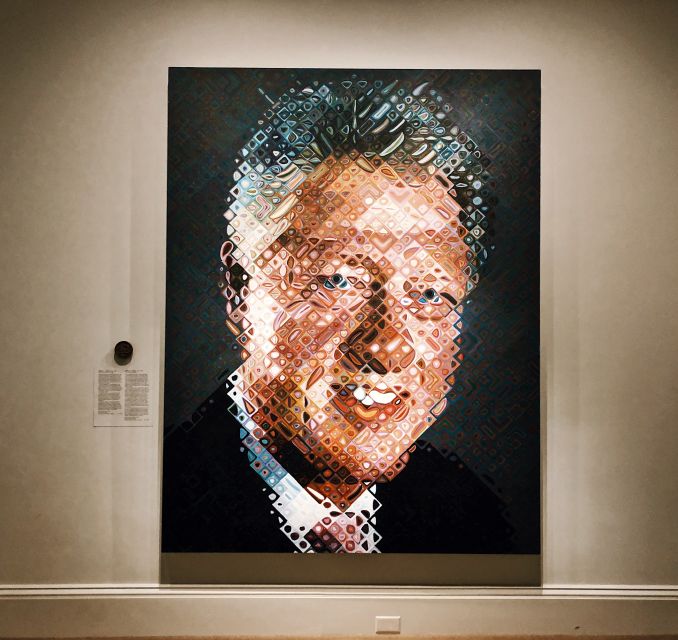
At $86 per person for around 2 to 2.5 hours, this tour sits in the middle of the “guided DC museum” range. What makes it good value isn’t only that it includes two museums. It’s that it includes a professional art historian guide who’s there to help you do something specific: look with purpose.
If you’ve ever spent time wandering museums solo, you know how easy it is to miss the story. In this format, you’re buying speed plus interpretation. That’s especially useful in two large collections where the sheer amount of work can otherwise make you feel like you’re just scrolling with your feet.
The “highlights” approach also fits real travel schedules. If you’re doing DC for a few days, this tour gives you strong coverage without swallowing half your vacation day.
What to Bring and the Museum Rules That Affect Your Comfort
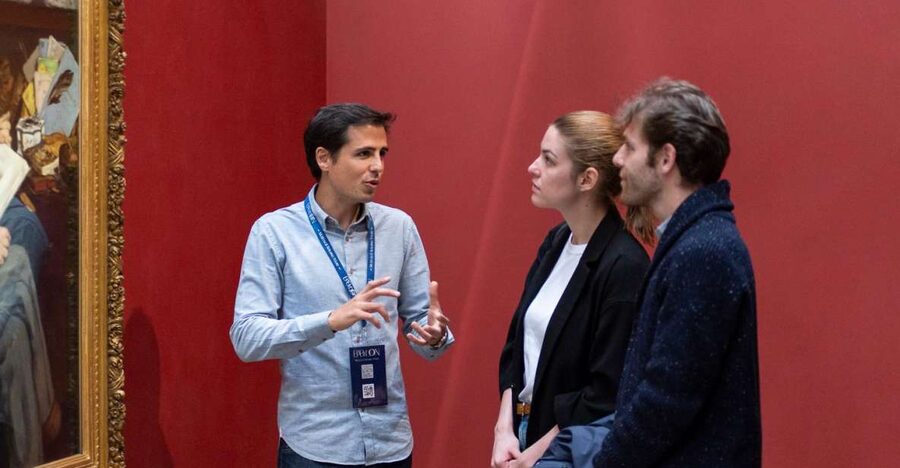
Plan to bring a passport or ID card. You’ll also want to travel light because luggage and large bags aren’t allowed, and there’s no luggage or coat storage included. Only handbags or small thin bag packs can go through security, so think small.
There’s also a moderate amount of walking. That’s usually manageable, but it’s not a sit-everywhere tour. Wear shoes that can handle museum walking and some standing time in galleries.
One more detail that can affect your experience: some rooms have rules requiring quiet or restricted right to speak inside. Your guide should let you know before entering those rooms, so you’re not caught off guard.
Finally, museums sometimes close specific rooms or operate with occasional changes. If a museum opening time is delayed by more than 1 hour from the tour starting time, you’ll be provided an appropriate alternative, but refunds or discounts aren’t available for those cases. In other words, it’s smart to arrive early and keep a flexible mindset.
Who This Tour Fits Best (and Who Might Skip It)
This tour is a great match if you want DC museum depth without over-planning. It also works well if you enjoy art history explanations that help you connect works to American identity—portraits, photographs, and major American painters.
It’s also ideal if you like structure. Two museums in one outing can feel overwhelming solo, but a guided highlights route gives you an arc: early photography and political figures lead into later artistic movements, then into more modern work and WPA-era photography.
One caution: it’s listed as not suitable for wheelchair users. At booking time, you can advise if you require a wheelchair accessible tour, but you should confirm your specific needs with the provider so you’re not surprised on the day.
Should You Book This Guided Tour?
I’d book it if you want the quickest way to get oriented in two of DC’s key art-and-history collections—especially if you care about how images reflect the country, not just how they look. The guide-led approach is the real selling point: you don’t just see famous works, you learn how to look at them with better questions.
Skip it if you prefer total freedom with no structure, or if you’re bringing bulky items that you’d need storage for. Also consider whether the moderate walking pace and occasional quiet-room rules fit your style.
If you’re aiming for a smart, story-driven DC museum block, this one delivers exactly that.
FAQ
How long is the National Portrait Gallery & American Art Museum guided tour?
The tour runs about 2 to 2.5 hours, with exact starting times depending on availability.
How much does the tour cost?
The price is $86 per person.
Where does the tour start and end?
The meeting point can vary depending on the option booked. The tour ends back at the meeting point.
What’s included in the price?
You get a professional art historian guide. Temporary exhibits are not included.
Is the tour available every day?
Yes, it is available daily.
What language is the tour in?
The tour is offered in English.
Do I need to bring ID?
Yes. Bring a valid passport or ID card.
Can I bring luggage or large bags?
No. Luggage or large bags are not allowed, and there is no luggage or coat storage provided. Only handbags or small thin bag packs are allowed through security.
Is this tour suitable for wheelchair users?
It is listed as not suitable for wheelchair users, though you can advise when booking if you require a wheelchair accessible tour.
What happens if parts of the museum are closed or the opening is delayed?
If museum openings are delayed by more than 1 hour from the tour starting time, guests are provided an appropriate alternative. Refunds or discounts aren’t available for those situations.