REVIEW · WASHINGTON DC
Washington DC Moonlight Tour by Electric Cart
Book on Viator →Operated by Intrepid Urban Adventures - USA · Bookable on Viator
DC glows differently after dark. This Washington DC Moonlight Tour by Electric Cart takes you across the National Mall by open-air eCruiser, so you get big views and better photos than you’ll get from a crowded bus. Two things I really like: the small-group feel on a max-7 cart, and the way the guide ties what you see to stories behind the monuments as the city lights up.
One drawback to plan for: it’s open to the weather. It runs year-round and goes rain or shine, and in colder months you’ll want real layers because the carts are not heated.
In This Review
- Key things that make this tour click
- Night Views Made Simple: The open-air eCruiser on the National Mall
- What you’ll see from the cart: Capitol to Memorial Row
- Stop-by-stop: National Law Enforcement Officers Memorial through Washington Monument
- Tidal Basin at night: Jefferson Memorial and MLK Jr’s Stone of Hope
- Lincoln Memorial, veterans memorials, and the White House photo run
- How long you really spend at sights (and what to expect close-up)
- Guides, sound, and comfort: the small stuff that changes the night
- Value at about $74.46: is the night cart worth it?
- Small-group vs private: who should choose what
- Should you book the Washington DC moonlight electric cart tour?
- FAQ
- How long is the Washington DC Moonlight Tour by Electric Cart?
- What time does the tour start and where do I meet?
- Is the tour offered year-round?
- Is the electric cart open-air?
- What are the main stops on the route?
- How many people can be on a cart?
- Is the tour small-group or can I book it privately?
- What language is the tour?
- Are site admission tickets included?
- What’s not included in the price?
Key things that make this tour click
- Open-air eCruiser views: photo angles are easier when you’re not staring through glass.
- Short, timed stops keep you moving and help you cover the Mall in about two hours.
- Best time for night lighting: Jefferson and MLK’s memorials glow softly from the Tidal Basin area.
- More time where it counts: Lincoln gets a longer stop than most other stops.
- You’ll get camera moments at multiple landmark clusters, not one long photo session.
- Guide energy matters: you’ll hear facts and context, and some guides bring extra visuals or handouts.
Night Views Made Simple: The open-air eCruiser on the National Mall
If your DC plan is heavy on museums and light on atmosphere, this tour is the fix. The National Mall is massive, and at night the monuments look calmer, more deliberate, and less chaotic. The open-air electric cart makes it easy to keep your head up, aim your camera, and actually enjoy the motion instead of getting stuck watching a screen.
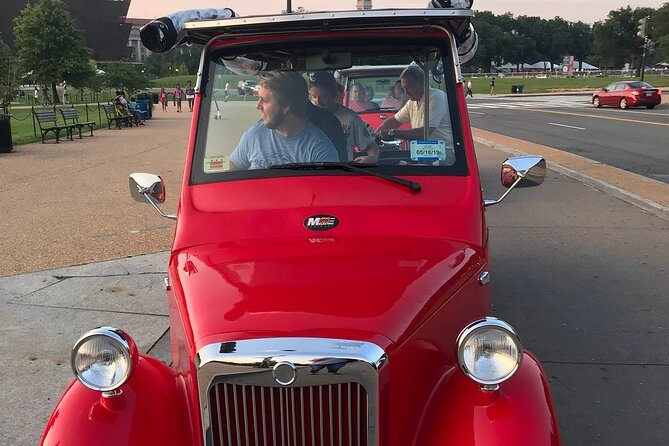
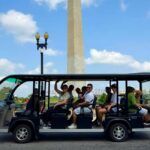
You’ll ride in an all-electric 7-passenger Red Roadster. There’s no engine drama and no fumes to worry about. The tradeoff is comfort: because it’s open-air, weather shows up fast. In December and other cold months, expect a chilly ride unless you dress like you mean it (layers, hat, gloves). In rain, you’ll still be out there, so bring something that keeps your clothes dry and your hands usable for photos.
The other big win is the pacing. Instead of one or two major stops, you get a ribbon of iconic sights across the Mall. That’s how you leave with a sense of DC’s layout, plus a story you can remember when you’re back in daylight.
You can also read our reviews of more tours and experiences in Washington DC.

What you’ll see from the cart: Capitol to Memorial Row
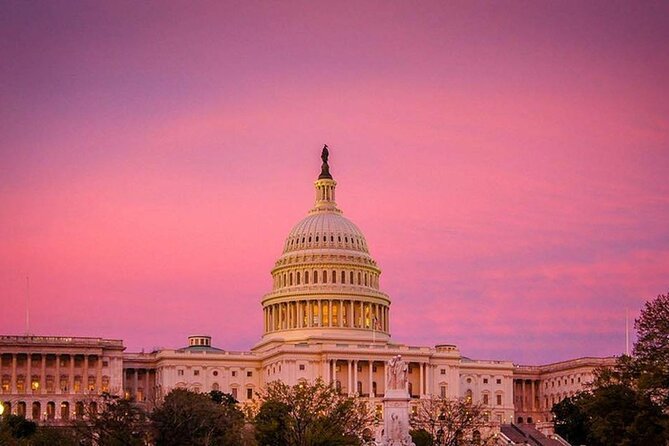
This is a monuments-and-history sweep focused on the heart of Washington: the Capitol area, the major museums along the Mall, and the memorial block that stretches toward Lincoln.
Here’s the kind of route you should expect the cart to cover:
- The Capitol dome from outside, with quick context on why it matters.
- Major Mall landmarks you’ll pass by in sequence, including the National Gallery of Art, the Natural History Museum (including dinosaur fossils and the Hope Diamond), and the Air and Space Museum (aircraft and spacecraft).
- American History highlights like the Star-Spangled Banner area and presidential artifacts, plus the striking Museum of African American History and Culture.
- Down the memorial spine: the Washington Monument, the Holocaust Memorial Museum area, then the Jefferson Memorial and the Martin Luther King Jr. Memorial with night lighting near the Tidal Basin.
- The memorial stops continue with Lincoln Memorial, then the Korean War Veterans Memorial, and the Vietnam Veterans Memorial.
- Then the tour runs past the White House and continues along Pennsylvania Avenue, with views near places like the Old Post Office Building, National Archives, and Navy Memorial.
One practical note: you won’t see every site at walking-gallery level up close. The longest time is reserved for the biggest photo-and-stand-still moments, especially Lincoln. Many of the museum stops are more “glance and learn” than “go inside and explore,” and that’s exactly what makes the timing work.
Stop-by-stop: National Law Enforcement Officers Memorial through Washington Monument

Your tour starts at 450 F St NW around 8:00 pm, and the clock matters because this route depends on night light and traffic patterns. Aim to arrive early—there’s an official start window, and you’ll want time to settle into the cart before you roll.
Stop 1: National Law Enforcement Officers Memorial (about 10 minutes)
This is a strong opening because it sets a reflective tone before you hit the louder landmark clusters. You’ll be outside, and it’s a good place to take your first night photos without rushing.
Stop 2: U.S. Capitol (about 5 minutes)
You get prime exterior views of the building and the famous dome. It’s not a long stop, so go into it ready to capture the angle you want. The guide’s role here is quick framing: what you’re looking at and why the Capitol is more than a pretty building.
Cruising the museum row along the Mall
This is where you start building your DC mental map. The cart passes:
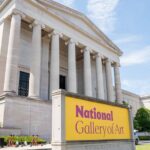
- National Gallery of Art’s neoclassical look.
- Natural History Museum’s iconic dome and the headline attractions people associate with the building.
- Air and Space Museum with aircraft and spacecraft history.
- American History Museum with presidential artifacts and the Star-Spangled Banner area.
- Museum of African American History and Culture as a major cultural stop you’ll recognize instantly from its prominence.
You’ll mainly be seeing these from the cart as you move, with the guide’s narration giving you a reason to care beyond the building facade.
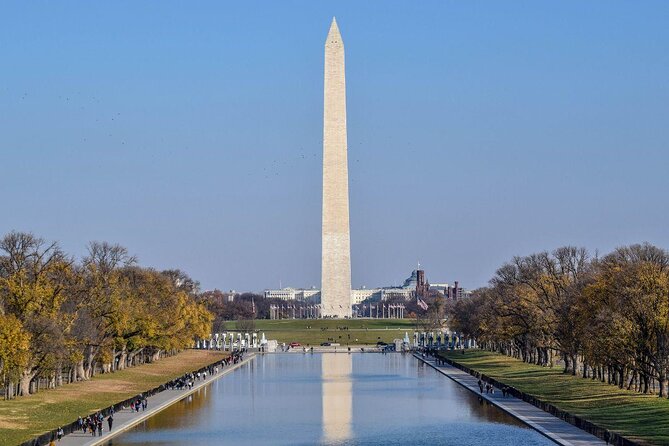
Stop 3: Washington Monument (about 5 minutes)
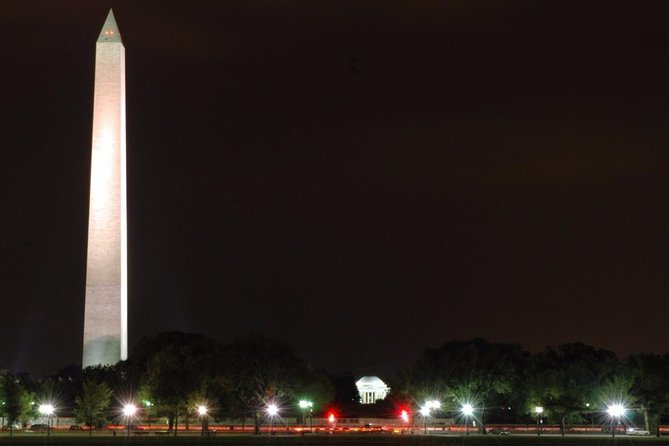
Night lighting makes the Washington Monument feel both cleaner and more distant. You’ll get enough time for photos and a key takeaway on leadership and legacy—then the tour keeps rolling.
If you like cities with structure, this segment is where the tour helps you “read” Washington. You’re not just collecting pictures; you’re learning the order of the Mall.
Tidal Basin at night: Jefferson Memorial and MLK Jr’s Stone of Hope
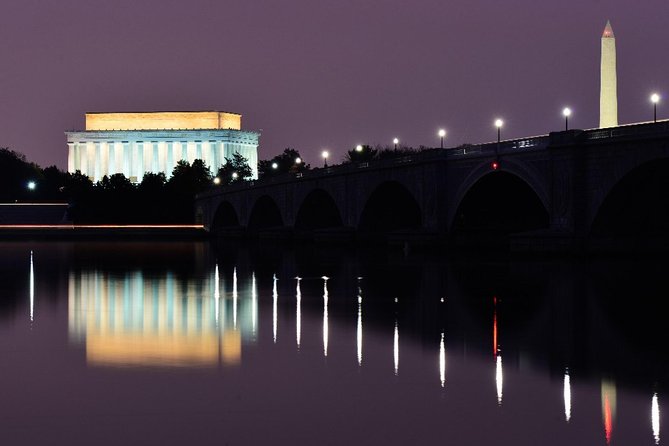
This is one of the best sections of the whole night. The lighting changes the feel of both memorials, and the cart position helps you see how the architecture sits in the space around the Tidal Basin area.
After the Holocaust Memorial Museum area, you’ll move through the major memorial block with floodlights emphasizing the stately structures. The guide points out how Jefferson and Martin Luther King Jr. are lit so they look calm, soft, and intentional.
Jefferson Memorial (viewing while cruising, plus night focus)
You may not get a long, close-up walk here. Some visitors have found the Jefferson moment feels more like a view from farther away than a true stop. My advice: treat Jefferson as a “watch for the photo angle” moment. If you’re hoping for a long stare-and-stand session, set that expectation before you go in.
Stop 4: Martin Luther King Jr. Memorial (about 10 minutes)
This is where you slow down more. You’ll see the Stone of Hope and the memorial’s design elements tied to justice, equality, and peaceful resistance. Night is the right time for this kind of space—it doesn’t feel like a rushed stop. It feels like a pause.
If you’re traveling with teens or first-timers, this is also where the tour usually lands best emotionally. The guide story can turn a landmark into something you can explain later.
Lincoln Memorial, veterans memorials, and the White House photo run
Lincoln is the big payoff stop.
Stop 5: Lincoln Memorial (about 30 minutes)
This is the longest scheduled stop on the night route. You get time to take photos, walk around the area, and absorb the scale. At night, those columns and the statue feel grand without being loud. If you care most about getting the best shots, plan your time here and don’t waste it waiting for perfect light that won’t show up. You’re already in the best light available for night photography.
Korean War Veterans Memorial (short stop while moving through the area)
You’ll see the lifelike soldier statues and the quiet mood they create. It’s brief, but it has weight. The cart keeps your momentum, and the guide frames the sacrifice behind the memorial design.
Stop 6: Vietnam Veterans Memorial (about 15 minutes)
Fifteen minutes sounds short, but it’s enough for the basics: take in the names, notice the design, and understand what you’re looking at. It’s also a good reset after Lincoln, because the experience shifts from monumental grandeur to stark remembrance.
Then: the White House and Pennsylvania Avenue
After the memorials, the cart heads toward the White House area and runs down Pennsylvania Avenue. This is where you’ll test your night camera skills for moving shots, plus the chance to recognize nearby civic landmarks like the Old Post Office Building, National Archives, and Navy Memorial areas.
One practical tip from experience-style guidance: if you end up in the rear or on a rear-facing seat, it can be harder to follow where the guide is pointing during stops and cruising. If you’re deciding what to do with your time and attention, pick the side and area that lets you keep your bearings and track the guide’s cues.


How long you really spend at sights (and what to expect close-up)
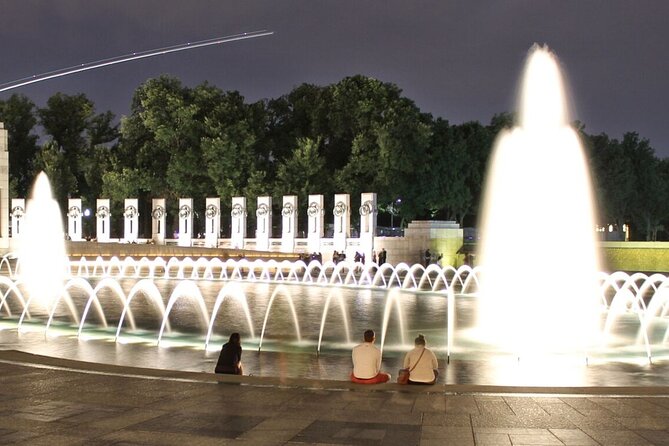
This tour is built around quick, smart stops. Here’s the reality check.
- The route covers a lot of ground across the National Mall in about 2 hours.
- Scheduled stop times are 10 minutes at the law enforcement memorial, 5 minutes at the Capitol, 5 minutes at the Washington Monument, 10 minutes at MLK Jr., 30 minutes at Lincoln, and 15 minutes at the Vietnam Veterans Memorial.
- Other major places—like the museums and some memorial areas—are mostly drive-by views plus short photo opportunities, not full walking tours.
So if your top priority is being up close everywhere, this is not the tour for that. If your priority is seeing the big hits at night and getting context while you travel between them, you’ll feel more satisfied.
In the cold months, the timing also means you don’t have to freeze for hours just waiting. The cart gets you to the next landmark without long gaps.
Guides, sound, and comfort: the small stuff that changes the night
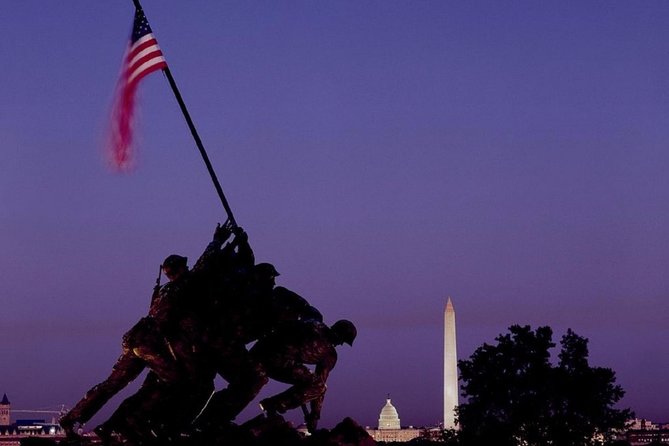
The guide is the engine of the experience. You’re not just watching monuments float by—you’re listening for the meaning behind the design.
The quality of narration varies by guide, but the pattern is consistent: the best guides bring extra visuals or extra organization. Some guides have used photo examples or handouts for buildings and symbols, which helps you connect what you’re seeing to what you’ll remember later. Names that have shown up in strong experiences include Joel, Lorenzo, Teddy, Amanda, Rich, Sam, Jose, Alex, Ron, Peter, Adam, and Alan. You can’t pick your guide ahead of time from the information you have here, but these names reflect the kinds of local-level narration that work well.
Comfort-wise, keep your expectations tied to the vehicle:
- The carts are open-air, so dress for the weather.
- In rain, the guide team may provide items like ponchos and help you keep going.
- Audio matters. If a microphone ever acts up, you’ll feel it immediately because the whole tour depends on narration over wheels and wind.
My practical rule: pack for the worst weather you might see, and plan your camera setup so you’re not fighting gloves and slippery straps.
Value at about $74.46: is the night cart worth it?
At $74.46 per person for roughly 2 hours, this tour can be good value if you fit one of these profiles:
- You want a first-timer orientation to the National Mall at night, without the stress of driving or mapping.
- You care about photo opportunities of illuminated monuments, especially Lincoln and MLK.
- You prefer a small group setup. The tour caps at 15 travelers, and each cart holds up to 7, so it feels less like a cattle call.
- You like guided context. In DC, you can walk the Mall on your own—but you’d miss the quick links between architecture and meaning.
It can be less cost-effective if you’re the type who needs long time at every stop. The time allocation favors the “see it all” plan, not the “camp out here” plan. Also, you should account for the fact that food and drinks are not included, so plan a snack strategy before or after.
Still, for a night slot at the start of a trip, it often functions like a shortcut to understanding DC. You come away with a mental map and a set of stories you can use for the rest of your days.
Small-group vs private: who should choose what
This tour offers small-group and private options, and that choice affects your experience.
Choose small-group if you want:
- The social energy of a mixed group
- A steady pace and a classic overview
- A better chance to meet other people who care about history and photos
Choose private if you want:
- More control over the pace
- More freedom for questions
- A cleaner experience if you have mobility or comfort needs tied to seating and timing
Either way, your cart is limited to 7 people, so expect a guided, structured feel rather than a free-form wandering tour.
Should you book the Washington DC moonlight electric cart tour?
Book it if you want an easy way to see the National Mall’s top monuments at night with real narration, and you like moving from highlight to highlight without stressing about transit. This is especially smart if Lincoln and MLK are high on your list.
Skip it (or go in with adjusted expectations) if you need long close-up time at every site, or if open-air weather would ruin your night. Dress for the cold, prepare for wind or rain, and be ready for some stops to be more about views than walking.
If you’re planning DC in a day or two, this tour is a strong early move. It helps you understand where everything sits, how the memorials connect, and why the lighting at night feels like a different city than daylight.
FAQ
How long is the Washington DC Moonlight Tour by Electric Cart?
The tour lasts about 2 hours.
What time does the tour start and where do I meet?
It starts at 8:00 pm and meets at 450 F St NW, Washington, DC 20001. The tour ends back at the meeting point.
Is the tour offered year-round?
Yes. It runs year-round.
Is the electric cart open-air?
Yes. It’s an open-air electric cart, and it is not heated.
What are the main stops on the route?
You’ll see the National Law Enforcement Officers Memorial, the U.S. Capitol, the Washington Monument area, the Holocaust Memorial Museum area, the Jefferson Memorial area, the Martin Luther King Jr. Memorial, the Lincoln Memorial, and the Vietnam Veterans Memorial, plus views of the White House and Pennsylvania Avenue landmarks.
How many people can be on a cart?
Each electric cart is limited to a maximum of 7 people.
Is the tour small-group or can I book it privately?
Both are available: a small-group experience and a private option for reserving an entire vehicle.
What language is the tour?
The tour is offered in English.
Are site admission tickets included?
Admission is listed as free for the stops shown in the schedule.
What’s not included in the price?
Food and drinks are not included, and tips/gratuities for your guide are not included.