REVIEW · TOKYO
Tokyo Architecture and Contemporary Art Walking Tour with a local guide
Book on Viator →Operated by アウテック · Bookable on Viator
Tokyo’s best design tour starts with a walk. This private architecture and contemporary art route pairs landmark buildings with everyday streets, led by a local guide who can steer you through the city without the usual herd. I love the small-group pace (up to 9) and the fact that you hit multiple design-heavy neighborhoods in one long outing. One consideration: you’ll spend a noticeable chunk of time moving underground on trains between stops, so wear your most comfortable shoes.
Guides for this tour can include people like Richie, Riley, and Masa—each described as friendly, responsive, and able to explain what you’re seeing in clear, practical terms (including modern design details). Pickup is offered, bottled water is provided, and you travel by public transport with the day’s rhythm kept under control instead of wandering around on your own.
Plan for a full 6 to 8 hours. On a route like this, it’s easy to rack up serious steps, so I’d treat it like an active city day, not a light stroll. If you hate crowds, you’ll still face busy areas—Tokyo isn’t a quiet museum—but you’ll have a plan and a guide to help you get the most from it.
In This Review
- Key things to know before you go
- Why this Tokyo architecture day feels smarter than solo wandering
- Ginza: where luxury storefronts meet serious modern lines
- Tokyo International Forum: Rafael Viñoly’s postmodern statement
- Roppongi: the art triangle area and why it works as a cluster
- Omotesando: fashion streets plus design brains behind the Prada flagship
- Takeshita Street: youth fashion culture and the built environment
- Shibuya Crossing: the busiest intersection you’ll experience with intent
- Daikanyama: calmer pace, boutiques, cafes, and Tsutaya energy
- How the guide changes the value (and not just the route)
- Price and what you actually get for $424.58 per group
- Timing, walking load, and what to pack
- Who should book this tour (and who might not love it)
- Should you book this Tokyo architecture and contemporary art walking tour?
- FAQ
- FAQ
- How long is the Tokyo architecture and contemporary art walking tour?
- How much does the tour cost?
- Is this tour private?
- Is pickup offered?
- Do I need to pay for entry tickets at the stops?
- Is there bottled water on the tour?
- What ticket format do I receive?
- What neighborhoods and landmarks are included?
- How does the tour handle transportation between places?
- Can I cancel for a full refund?
Key things to know before you go
- Small private group (up to 9): You get the benefits of a guided tour without waiting for a big crowd.
- A design hit-list across districts: You’ll cover Ginza, Roppongi, Omotesando, Takeshita Street, Shibuya, and Daikanyama.
- Public transport, lots of it: The routing uses trains heavily, including underground segments between neighborhoods.
- Practical comfort perks: bottled water is included, and you’ll use a mobile ticket.
- Stop admissions are free: the tour’s listed sights don’t require paid entry tickets.
- Multiple guide styles: people you’ll meet (like Richie, Riley, and Masa) are described as English-friendly and responsive.
Why this Tokyo architecture day feels smarter than solo wandering
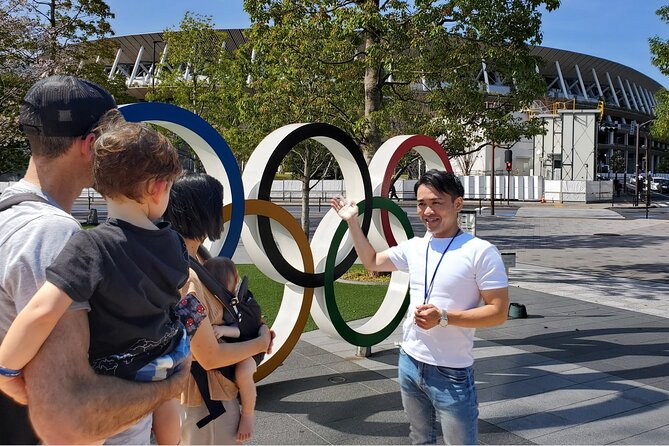
Tokyo’s modern design can be hard to “find” on your own. The city is built layer upon layer—big complexes, sleek storefronts, museum buildings, and then the street-level chaos that makes it all feel real. This tour solves the puzzle by stringing the best areas together with a timed route and an actual person explaining what matters.
I like that it’s not just exterior photo stops. You’re guided through a mix of famous architecture and the kind of design you feel in motion: the geometry of a major convention/art center, the brand-world around fashion streets, and the cultural signals of neighborhoods like Harajuku.
The other smart part is pacing. Because it’s private for your group, you can usually move at a comfortable speed, ask questions, and avoid the tug-of-war that happens on large bus-style tours.
You can also read our reviews of more walking tours in Tokyo
Ginza: where luxury storefronts meet serious modern lines
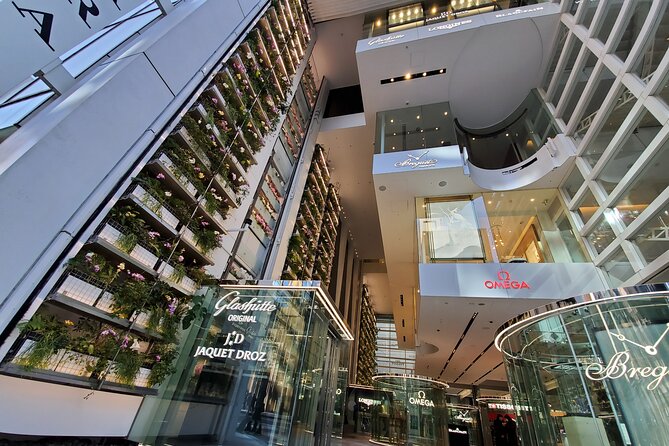
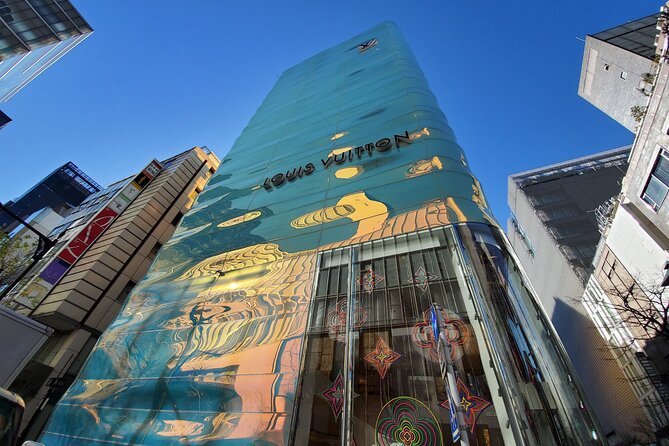
Ginza is Tokyo’s polished showcase district. It’s known for boutiques, intimate galleries, stylish shops, and architecture with an international feel. This stop is about an hour, which is a good window to absorb the vibe without getting stuck only in shopping mode.
What makes Ginza valuable on an architecture-and-art day is that you get a contrast. Tokyo’s flashy interiors and sleek facades here don’t feel random—they’re part of a broader city mindset where design, retail, and public space are tightly connected.
Practical tip: if you’re trying to enjoy both architecture and street life, keep your camera ready but don’t focus on only one building. In Ginza, the street itself is a design experience—signage, storefront spacing, and how pedestrians flow between crossings.
Tokyo International Forum: Rafael Viñoly’s postmodern statement
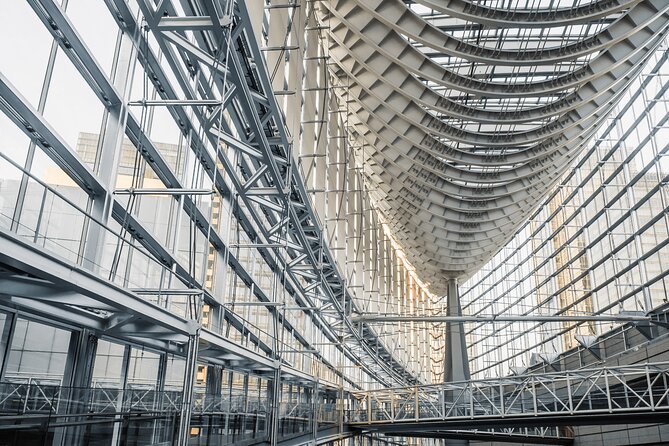
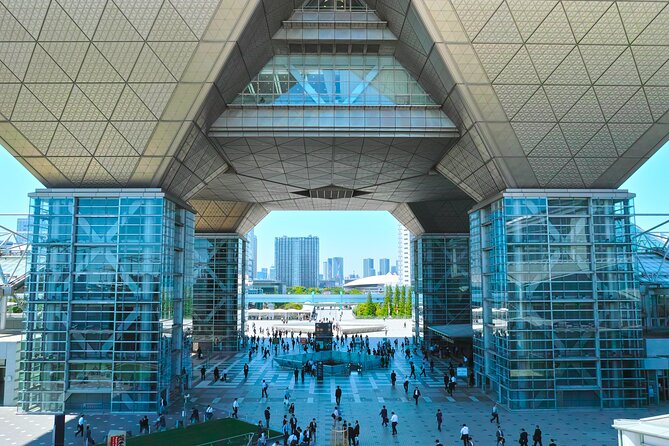
Next is the Tokyo International Forum, a major convention and art center designed by Uruguay-born American architect Rafael Viñoly. Even if you’re not an architecture nerd, you’ll likely notice how much this building speaks with its shape and presence.
This stop is short—around 15 minutes. That can feel quick, but the payoff is that you see the scale and intent without turning the day into one long “look up at the facade” exercise. For many people, it’s the kind of building where you can spot details fast if you know what to look for, and a guide helps you catch the points that make it more than just a big hall.
If you’re the type who likes to understand context, ask the guide what makes Viñoly’s approach stand out in Tokyo. The building is a bridge between art functions and civic visibility.
Roppongi: the art triangle area and why it works as a cluster
Roppongi is where contemporary art energy gets concentrated. The tour centers on the Art Triangle Roppongi—three major institutions: the National Art Center, the Mori Art Museum, and the Suntory Museum of Art.
This area is about a full hour. That matters because Roppongi doesn’t just show you one building; it lets you see an entire ecosystem of museums, galleries, and modern city planning. Even without deep museum time, you’re absorbing how institutions shape the neighborhood.
If you want a practical mindset: treat this portion like a way to orient yourself in Tokyo’s contemporary art geography. After this stop, you’ll know where to look later when you plan independent museum visits.
Also, Roppongi is a convenient “middle” point in the day. It’s not as chaotic as Shibuya at peak times, but it still has a strong urban buzz, and that makes it a good place to reset your eyes between fashion districts and the big intersection moment later.
Omotesando: fashion streets plus design brains behind the Prada flagship
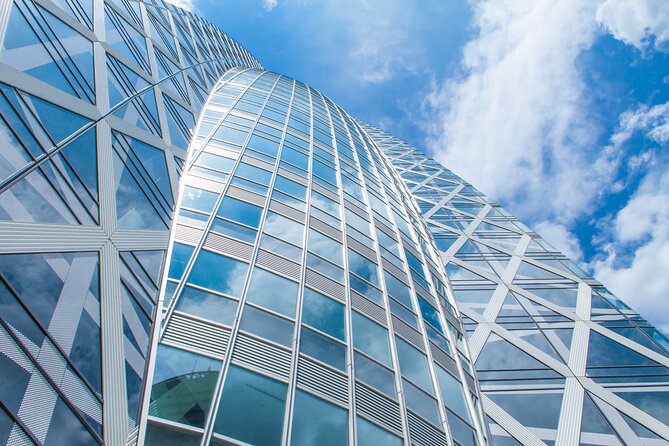
Omotesando is where high-end fashion meets architectural creativity. You’re looking at a stretch of stores and buildings where the architecture is almost part of the merchandising.
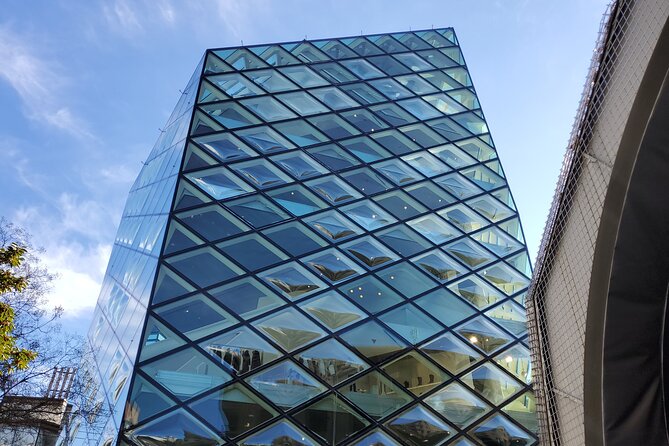
The tour highlights the Prada flagship store, created by the Swiss-based firm Herzog & de Meuron. That’s a huge deal for architecture lovers because Herzog & de Meuron are known for translating bold ideas into real urban experiences, not just drawings.
This stop runs about an hour. It gives you time to walk, compare what you’re seeing across facades, and understand how modern design language appears in commercial Tokyo.
Practical tip: if you’re more interested in architecture than shopping, you’ll still have a great time. You can treat this as an outdoor architecture lesson, then pop into a shop only if something truly catches you.
You can also read our reviews of more guided tours in Tokyo


Takeshita Street: youth fashion culture and the built environment
From Omotesando’s polished style, the tour moves to Takeshita Street in Harajuku. This area is famous for youth culture, with fashion that can look playful, loud, and visually experimental. The tour gives this stop about an hour.
Why it fits an architecture-and-art day: Takeshita Street isn’t about famous architects or award-winning museums. It’s about design that shows identity. Signage, storefront choices, and the way people use space are part of the culture you’re seeing.
If you’re sensitive to crowds, consider going with the mindset that this stop is for atmosphere. You don’t need to stay at maximum intensity the whole time; you can step back, watch the flow, then move along to catch the buildings and storefront rhythm.
Wear breathable layers. This is the part of the day where you’ll feel the human density, especially if you’re there near peak shopping hours.
Shibuya Crossing: the busiest intersection you’ll experience with intent
Shibuya Crossing is the showpiece moment. It’s described as the busiest intersection in the world, and in practice, it can make other famous squares feel oddly small by comparison.
You’ll spend about 30 minutes here. That’s enough time to understand how the street choreography works—how people move in waves when the signals change—and to get photos without losing half an hour to decision fatigue.
Here’s what to watch for: the architecture isn’t just the buildings around the crossing. It’s the system—how the crossings, sidewalks, and entrances funnel movement. A good guide can help you see those patterns quickly.
If you want a smoother experience, pause a little away from the densest photo point. You’ll often see the same movement with less stress, and you can still get strong shots.
Daikanyama: calmer pace, boutiques, cafes, and Tsutaya energy
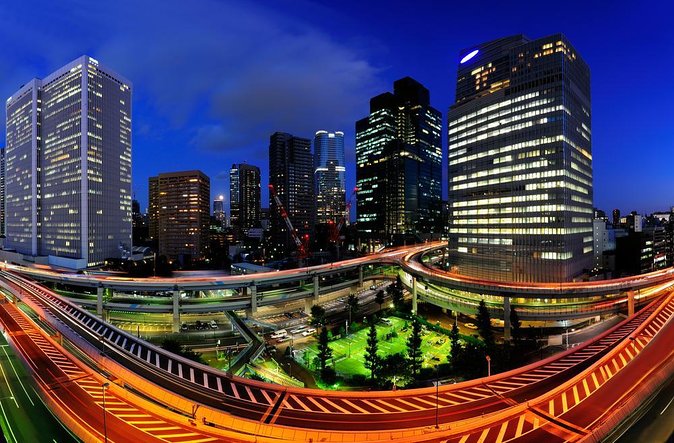
After the big intersection, Daikanyama feels like a soft landing. Daikanyama and the nearby Nakameguro area are known for boutiques and cafes, with a less hectic atmosphere than more famous shopping zones.
This stop is about an hour. It’s the portion where you can breathe a bit, notice how the streets look quieter, and still enjoy modern design in a more local-feeling setting. If you’ve got a sweet spot for independent stores and book culture, Tsutaya is specifically mentioned as part of this area.
I like that this ending-style stop doesn’t feel like the tour is trying to sell you something big. It feels more like you’re being shown Tokyo’s variety—high-profile design earlier, then a more relaxed neighborhood texture to close the loop.
How the guide changes the value (and not just the route)
This kind of tour lives or dies by the guide. In the feedback you’ll hear themes: guides were friendly, English-friendly, responsive to suggestions, and good at building a solid plan for the day.
Guides like Richie and Masa are described as delivering an itinerary that keeps the day moving, while Riley is described as particularly responsive and clear in English. That matters because architecture and design can be abstract if nobody frames it. A guide helps you translate what you’re seeing into something you can remember and reuse later when you explore on your own.
You should also know the tour uses a lot of trains, including underground segments. One trade-off people called out is that transit time can take up a fair amount of the day. If you want to cut down on that feeling, ask your guide about route variation, including whether bus or taxi segments might make sense for your group.
Price and what you actually get for $424.58 per group
This tour costs $424.58 per group, up to 9 people. That pricing can look steep if you compare it to a standard walking tour, but it’s a private, guided architecture day with a full route across major districts and a guide managing public transport.
The best value happens when you share the cost. If you fill the group capacity, the per-person cost drops dramatically versus booking just for two. Even without “perfect” group filling, you’re paying for time efficiency and interpretation—not just walking.
Also, admission tickets for the listed stops are described as free. That helps keep the day predictable, because you’re not stacking paid entry costs on top of the tour price.
My take: this is worth it when you want structure, explanations, and maximum exposure to Tokyo’s modern design without spending your holiday thinking about train routes.
Timing, walking load, and what to pack
The tour runs about 6 to 8 hours. In one described experience, people walked roughly 13,000 to 20,000 steps, depending on pace and how much extra time they took at each stop. That range sounds about right for a multi-district loop.
Bring:
- Comfortable walking shoes (non-negotiable)
- A light layer (air conditioning is real in train stations and museums)
- A small day bag for bottled water and phone access
The tour provides bottled water, so you don’t need to overpack just for hydration. Still, plan for a long day of movement, heat, and sun if the weather is warm.
If lunch matters to you, the route passes through areas where it’s easy to grab simple food like ramen. Keep your expectations flexible: this is about architecture and art, so quick meals that fit between transit legs work best.
Who should book this tour (and who might not love it)
Book this if:
- You want a planned architecture and contemporary art overview across Tokyo’s top design neighborhoods.
- You prefer private pacing over waiting on large group logistics.
- You like explanations tied to what you’re actually looking at, not just “photo and move on.”
Skip or reconsider if:
- You strongly dislike train travel and prefer only street-level walking.
- You want long museum time inside major institutions. The tour is built more around neighborhood and architectural viewing than full gallery marathons.
If you’re the type who loves cities best when you understand how the pieces fit together—institutions, retail districts, and public movement systems—this will click.
Should you book this Tokyo architecture and contemporary art walking tour?
I’d book it if you want maximum design coverage in one day with a guide who can frame what you’re seeing. The combination of big-name architecture stops (like Tokyo International Forum) and street-culture districts (like Takeshita Street and Shibuya) makes the day feel like Tokyo, not a themed bubble.
The only real reason to hesitate is transit time and the walking load. If you accept that this is a long active route—and you wear good shoes—you’ll get a lot of value from a private guide, bottled water, and a smart sequence of districts.
FAQ
FAQ
How long is the Tokyo architecture and contemporary art walking tour?
It’s approximately 6 to 8 hours.
How much does the tour cost?
The price is $424.58 per group, for up to 9 people.
Is this tour private?
Yes. Only your group participates.
Is pickup offered?
Pickup is offered.
Do I need to pay for entry tickets at the stops?
The tour’s listed stops show admission tickets as free.
Is there bottled water on the tour?
Yes, bottled water is provided.
What ticket format do I receive?
You get a mobile ticket.
What neighborhoods and landmarks are included?
Key stops include Ginza, Tokyo International Forum, Roppongi, Omotesando, Takeshita Street, Shibuya crossing, and Daikanyama.
How does the tour handle transportation between places?
You’ll travel using public transport.
Can I cancel for a full refund?
Yes. You can cancel up to 24 hours in advance for a full refund.