REVIEW · BERLIN
Berlin: Berlin Wall & East Side Gallery Walking Tour
Book on GetYourGuide →Operated by Real Berlin Tours @guidecris · Bookable on GetYourGuide
The Berlin Wall isn’t frozen in time here. This walk links Cold War history with the East Side Gallery street-art stories, plus photo help as you move through Friedrichshain-Kreuzberg. You’ll also cover key wall-related stops like the Berlin Wall Museum and the stretch of wall you can actually see today.
I love that the guide, Cristobal, uses art to explain politics in plain language, not just dates and facts. I also like that the tour is set up for photography moments, with concrete tips and practice spots along the way. One thing to consider: it’s not a wall-only march. You should expect a real balance between the wall, the museum context, and street art analysis, so plan your expectations if you want mainly wall history.
In This Review
- Key Highlights You’ll Actually Feel
- Why This Berlin Wall Plus Street Art Combo Works
- Price and Time: What $29 Gets You in 2 Hours
- Getting Ready: Shoes, Layers, and the Weather Reality
- Starting Point at East Side Bäckerei and How the Walk Sets the Tone
- Berlin Wall and Berlin Wall Museum: History You Can Frame
- East Side Gallery: The Largest Open-Air Gallery Read Like a Story
- Cengaver Katranci Memorial: A Human Thread in the Middle of History
- Oberbaumbrücke and Kreuzberg: Seeing the City’s Geography at Walking Pace
- Photography Tips That Don’t Feel Like a Lecture
- Neighborhood Food and Coffee Recommendations After the Walk
- Who Should Book This Tour (and Who Might Skip It)
- Should You Book This Berlin Wall & East Side Gallery Tour?
- FAQ
- How long is the Berlin Wall and East Side Gallery walking tour?
- How much does the tour cost?
- Where does the tour start?
- What language(s) is the guide available in?
- What places will we visit during the tour?
- Is the tour wheelchair accessible?
- What should I bring for the walking tour?
- Can I cancel for a full refund?
- Is there a pay later option?
- Is this tour suitable for everyone?
Key Highlights You’ll Actually Feel
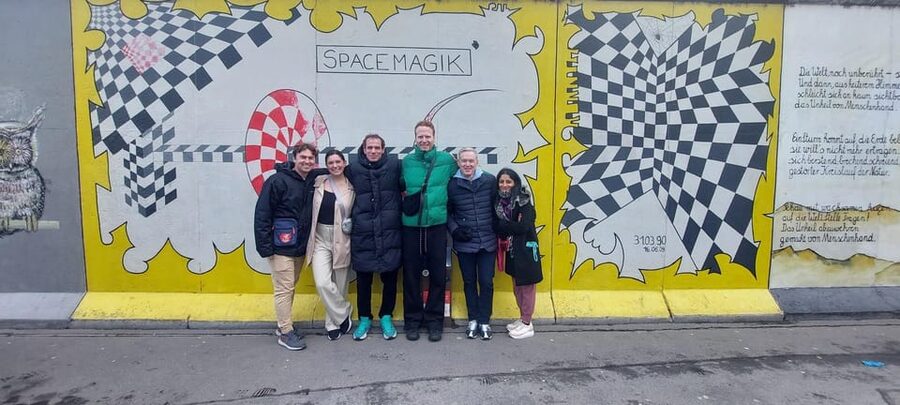
- Cold War context made visual: you connect the Wall to how people lived, watched, and resisted.
- East Side Gallery as an outdoor classroom: you’ll look at specific murals and what they signal.
- Street-art storytelling in Kreuzberg and Friedrichshain: the neighborhoods aren’t just scenery; they’re part of the point.
- Photo scenarios with practical tips: you get guidance on where and how to shoot as you walk.
- Human-scale stops beyond the famous section: Cengaver Katranci Memorial adds a real-life edge to the route.
- Oberbaumbrücke as a natural photo and orientation pause: a bridge stop that helps you understand the geography of the area.
Why This Berlin Wall Plus Street Art Combo Works
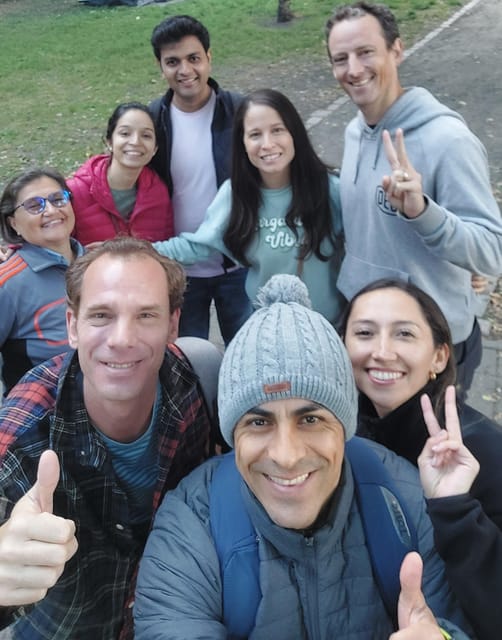
Berlin can feel like two cities: the historic one and the modern one. This tour puts those worlds in the same frame. The Wall shaped the city physically, but the street art shaped it emotionally after the Wall fell.
I like tours that don’t treat the Wall as a single event. Here, you’ll see how the Cold War story keeps echoing through art, architecture, and public space. Cristobal’s style is energetic and story-driven, with explanations that connect symbolism to what was happening in society.
The best part for many first-time visitors is how quickly you can build context. In two hours, you’ll understand why the Wall mattered, then you’ll understand why the East Side Gallery became the kind of open-air gallery people travel for. And because you’re walking through real neighborhoods, the experience doesn’t feel like a museum lecture.
You can also read our reviews of more walking tours in Berlin

Price and Time: What $29 Gets You in 2 Hours
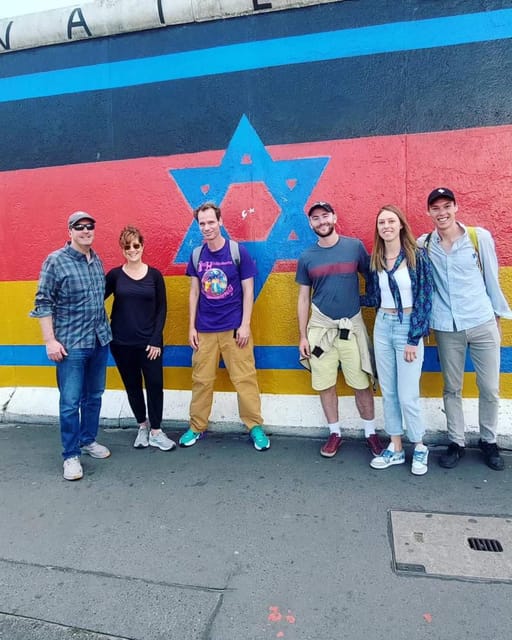
At $29 per person for a 2-hour walking tour, the value comes from the mix of major sites and guided interpretation. You’re not just ticking off landmarks; you’re getting the reason behind them—Cold War episodes paired with close reading of street-art work.
This kind of pricing works best if you want structure. If you’re the type who likes wandering on your own and reading signage, you can probably do some of this without a guide. But if you want the “why” behind the murals and the Wall’s ongoing meaning, a specialist guide turns the stops from sights into understanding.
The time is also realistic. You’ll have enough minutes at each key location to get grounded, without feeling like the route drags on. On cold days, the guide’s approach includes keeping the group comfortable and moving with purpose, which matters in Berlin winters.
Getting Ready: Shoes, Layers, and the Weather Reality
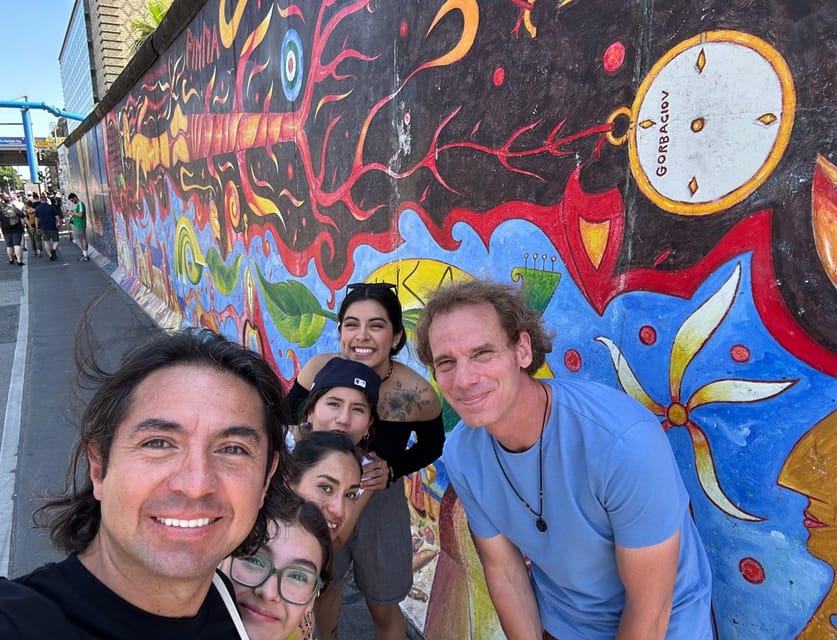
This is an outdoor walking experience, so your clothing choices do real work. Bring comfortable shoes, plus warm clothing and weather-appropriate layers. The tour guidance specifically calls out snow clothing and thermal clothing, and that’s not overkill in Berlin.
If you show up underdressed, you’ll spend your energy thinking about being cold instead of listening. I’d rather you arrive ready to stand still for photos and listen closely at the street-art stops.
A quick practical mindset: treat this like a winter city photoshoot. Wear layers you can move in, gloves you can tolerate taking on and off, and a hat if you get chilly easily. The tour pace still depends on the weather, and Berlin weather can change fast.
Starting Point at East Side Bäckerei and How the Walk Sets the Tone
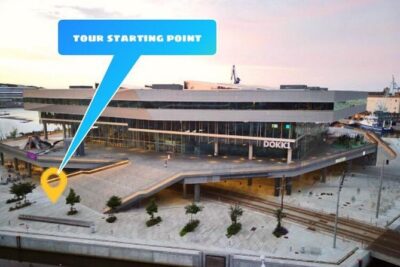
Depending on what you book, you’ll meet at one of the options tied to the area around East Side Bäckerei, Warschauer Str. 34-36. From there, the tour setup makes sense: you start in the neighborhood fabric, not at a random monument in isolation.
The first stretch in Friedrichshain-Kreuzberg gives you orientation. You’ll get a guided introduction before you hit the biggest visual anchor: the East Side Gallery. That early context matters because street art is easier to read when you know what came before it.
This is also where you get into the rhythm of how the guide teaches. Cristobal’s approach blends history, symbolism, and local perspective, so by the time you reach the wall art, you’re not just looking—you’re interpreting.
Berlin Wall and Berlin Wall Museum: History You Can Frame
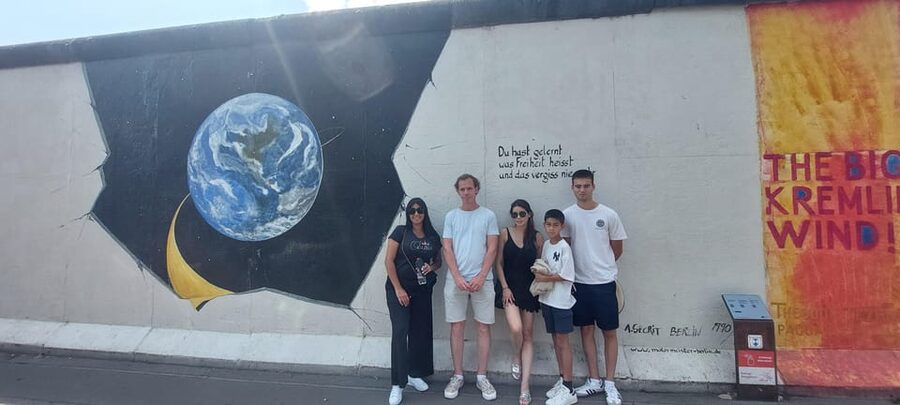
The Wall isn’t one straight timeline. It’s a system, a barrier, and a social reality that changed daily life. In this tour, you’ll visit Berlin Wall and the Berlin Wall Museum context, which helps you understand what you’re seeing beyond the most photographed sections.
What I like here is that the museum stop gives you scaffolding. Without it, the Wall can feel like a backdrop for photos. With it, you can connect the Cold War episodes to the physical structure and the human consequences.
A small practical consideration: museum context can take some of the time that some people expect to spend outdoors staring at murals. If you’re hoping for maximum time at the most famous wall paintings, keep in mind the route intentionally balances the Wall’s history with what happened after.
You can also read our reviews of more museum experiences in Berlin

East Side Gallery: The Largest Open-Air Gallery Read Like a Story
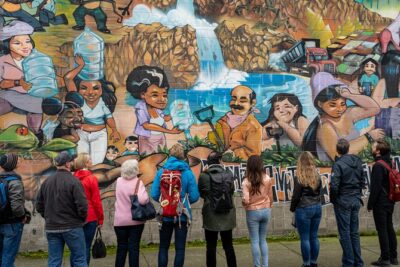
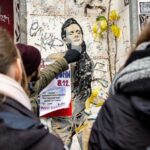
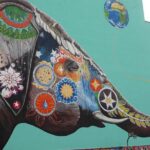
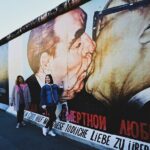
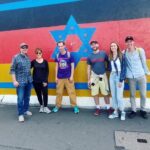
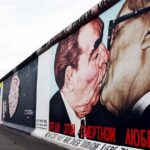
The East Side Gallery is the main attraction, and it earns that status. You’ll spend about one hour here, and the point isn’t just to see famous artwork. It’s to learn how the murals function as messages—political, emotional, and cultural.
Cristobal’s focus is on the art as a language. You’ll look at the work with attention to symbolism and the influences behind it. Multiple guides and visitors emphasize that the guide doesn’t just describe paintings; he explains how artists used imagery to respond to a turning point.
You’ll also get a clearer sense of why the Wall art became a public memory. The East Side Gallery works because it’s both a document of the past and a street-level commentary on change. Seeing it with context makes the whole stretch feel sharper and more meaningful.
For photography, this stop is where you’ll get the most chances. Plan on stopping often. The guidance includes learning how to frame shots with street art and older architecture in the background, so you’re not just snapping quickly—you’re building a shot.
Cengaver Katranci Memorial: A Human Thread in the Middle of History
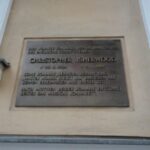
Along the route you’ll stop at the Cengaver Katranci Memorial. This is one of those moments that shifts the tone from architecture and politics into something more personal.
I like having a memorial stop in the middle of a tour like this. It keeps the Wall story from becoming purely abstract. Even without drowning the route in extra facts, this kind of stop adds weight and reminds you that the Wall era and its aftermath are about people, not just borders.
If you’re sensitive to heavier themes, give yourself a moment here to absorb quietly before moving back into street art and photos.
Oberbaumbrücke and Kreuzberg: Seeing the City’s Geography at Walking Pace
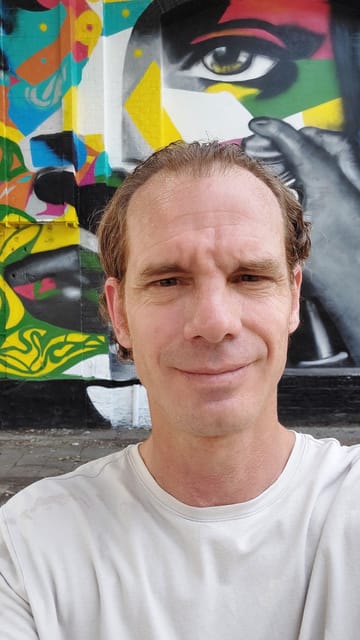
After the East Side Gallery, the walk continues toward Oberbaumbrücke and then into Kreuzberg. Oberbaumbrücke is a great stop for understanding where you are. Bridges in Berlin often feel like stage sets between neighborhoods, and this one helps you connect the route to the shape of the city.
You’ll get a guided pause here (about 20 minutes), which is useful if you want both photos and context. Then you’ll spend another short guided segment in Kreuzberg.
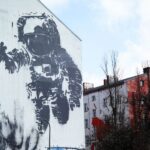
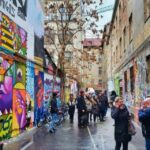
This part of the tour is where you start to feel the city’s layers. You’ll move from the open-air Wall art wall into streets where Berlin’s history and everyday life overlap. Even the way the neighborhoods look becomes part of the lesson: Berlin didn’t stop evolving after reunification.
Photography Tips That Don’t Feel Like a Lecture
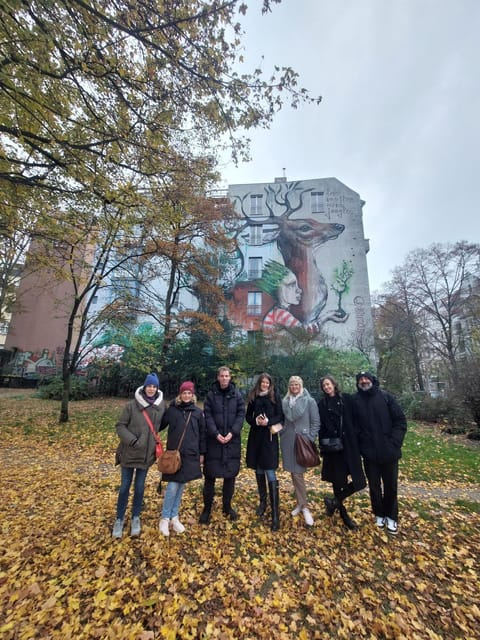
If you’re a photo person, this tour is set up for you. The experience includes photography scenarios and specific tips on how to shoot better. The guide even offers concrete photo moments at concrete places, meaning you’re not left guessing what to do with your camera.
You’ll get help balancing street art with architecture in the same frame. That’s harder than it sounds. Too much street art and the building details disappear; too much architecture and the murals become background. The guidance is meant to help you capture both.
Also, the tour is small enough to respond to real-time conditions. On cold days, the guide’s priorities include keeping you warm and still engaged. In other words, you can focus on taking photos without feeling rushed out of every spot.
If you want a practical takeaway: arrive with your camera settings already roughly figured out. The tour gives you direction, but it doesn’t pause Berlin for you.
Neighborhood Food and Coffee Recommendations After the Walk
One underrated part of good guides is what they recommend after. During or at the end, Cristobal shares tips for the best in the neighborhood—restaurants, other landmarks, and even shopping.
You’ll also likely want a warm drink after the street-level cold. There’s at least one strong mention from guests about finding excellent coffee at a local café right after the tour. I’m not promising a specific café name, but I will say this: do plan a stop for something hot afterward, because your legs and hands will thank you.
Who Should Book This Tour (and Who Might Skip It)
This is ideal if you’re one of these:
- You’re here for Berlin Wall history but also want street art meaning, not just sightseeing.
- You want to understand the East Side Gallery as more than famous images.
- You like practical photo guidance and would rather learn while walking than after reading online.
It’s also a strong fit for families and mixed-interest groups, because the stories can spark questions across ages. And because the guide answers questions during the walk, you can steer your curiosity.
But consider skipping if:
- You can’t speak good English or Spanish, since the guide speaks these languages.
- You have a physical problem like a broken foot, or you have hearing loss, since this walking tour doesn’t include a sign language interpreter.
- You’re over 95 years (this tour isn’t suitable for people over 95).
Should You Book This Berlin Wall & East Side Gallery Tour?
Book it if you want the Wall explained through art and street-level storytelling. The East Side Gallery portion alone is worth planning around, and the guide’s approach connects the Cold War story to the symbolism on the murals. Add the museum context and the neighborhood route, and you get a balanced, memorable way to see Berlin without wasting time.
Skip it if you mainly want a straight, wall-only experience with minimal art analysis. This walk gives real attention to murals, neighborhoods, and photography moments—so you’ll get the most out of it if you’re happy to split your time between history and street art.
If your goal is to leave Berlin seeing both the Wall and the city afterward with more clarity, this tour is a smart pick.
FAQ
How long is the Berlin Wall and East Side Gallery walking tour?
The tour lasts 2 hours.
How much does the tour cost?
The price is $29 per person.
Where does the tour start?
One listed start option is East Side Bäckerei, Warschauer Str. 34-36. The meeting point may vary depending on the option booked.
What language(s) is the guide available in?
The live guide speaks English and Spanish.
What places will we visit during the tour?
You’ll visit Berlin Wall, the Berlin Wall Museum, the East Side Gallery, the Cengaver Katranci Memorial, Oberbaumbrücke, plus parts of Kreuzberg, and you finish at Schlesisches Tor.
Is the tour wheelchair accessible?
Yes, it is listed as wheelchair accessible.
What should I bring for the walking tour?
Bring comfortable shoes and weather-appropriate clothing, including warm, snow, or thermal layers as needed.
Can I cancel for a full refund?
Yes. You can cancel up to 24 hours in advance for a full refund.
Is there a pay later option?
Yes. It offers Reserve now & pay later, meaning you can book your spot and pay nothing today.
Is this tour suitable for everyone?
No. It’s not suitable for people over 95 years, and it’s also not recommended if you have a physical problem like a broken foot or hearing loss. It also notes that you should be able to speak good English or Spanish.