REVIEW · BERLIN
Cold War, Berlin Wall, Spies and the East Side Gallery
Book on GetYourGuide →Operated by Insider Tour Berlin · Bookable on GetYourGuide
Concrete memories walk beside you. This 3-hour Cold War route strings together the Tränenpalast and remnants of the death strip, then finishes at the East Side Gallery’s graffiti wall.
I also love how the tour threads between everyday East Berlin and the big political set-pieces, with Alexanderplatz and Karl-Marx-Allee’s monumental socialist design on full display. One thing to plan for: you’ll need an AB public transport day pass to move between sites during the tour.
In This Review
- Key Stops Worth Knowing
- Cold War Berlin in 3 Hours: What This Walk Covers
- Meeting Outside Friedrichstraße: Easy Start, Clear Look
- Tränenpalast (Palace of Tears): Where Crossing Felt Like a Trap
- Alexanderplatz: Daily Life Under a Political Umbrella
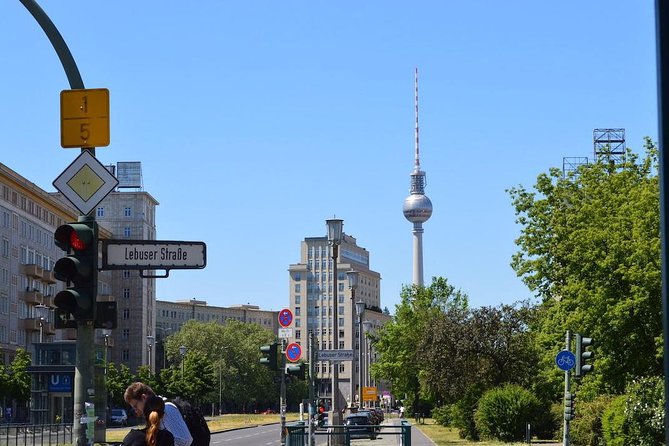
- Karl-Marx-Allee: Propaganda in Stone and Distance
- Friedrichshain and the Wall’s Real Neighborhood Context
- Berlin Wall and the Original Death Strip Area: The Harsh Geometry of Control
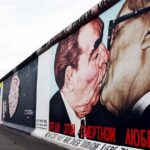
- East Side Gallery: Graffiti as the Wall’s New Language
- Transport Between Stops: Why the AB Day Pass Is Part of the Plan
- Price and Value: About $18 for Three Hours
- What to Bring (and What Can Ruin Your Day)
- Who Should Book This Tour
- Should You Book This Cold War, Berlin Wall Tour?
- FAQ
- How long is the Cold War, Berlin Wall, Spies and the East Side Gallery tour?
- Where do I meet the guide?
- What are the main stops on the tour?
- Do I need public transportation tickets?
- Are hotel pickup and drop-off included?
- Is the tour wheelchair accessible?
- What should I bring?
- Does the tour run in bad weather?
Key Stops Worth Knowing
- Tränenpalast (Palace of Tears): the emotional staging point for crossings and separation
- Alexanderplatz: a classic GDR-style hub where daily life still feels close
- Karl-Marx-Allee: giant architecture made for propaganda, not comfort
- Friedrichshain and Wall surroundings: how the neighborhood shapes what you see
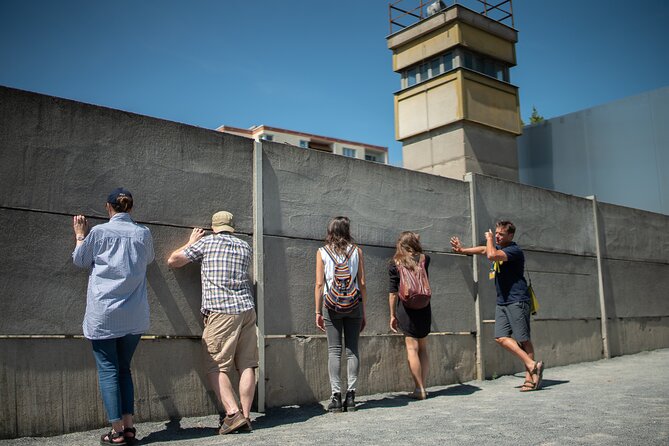
- Berlin Wall + original death strip area: the Cold War’s harsh geometry in real space
- East Side Gallery: the Wall’s visual afterlife, from division to public art
Cold War Berlin in 3 Hours: What This Walk Covers
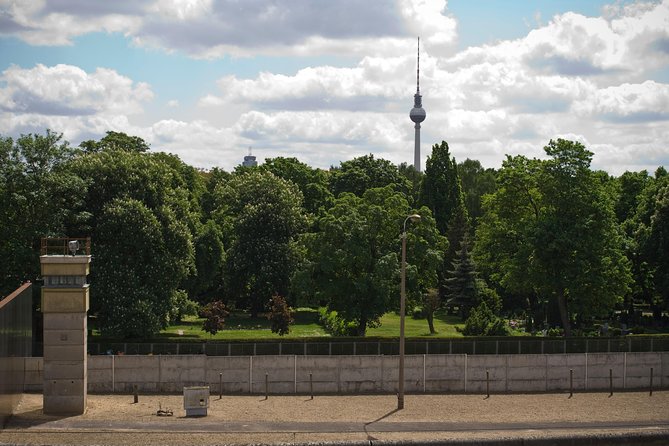
This is the kind of Berlin tour that feels like reading a story in the landscape—except the landscape is literal concrete, iron bars, and street corners where history happened fast. The route is built around the big themes of Cold War Berlin: surveillance, fear, and the stubborn hope of escape attempts.
What makes it work in just three hours is the balance of scales. You get sharp, specific sites tied to forced separation, and then you get the wider city context—boulevards, squares, and neighborhoods—so the Wall doesn’t feel like a random object. You walk away with a clearer map of how East and West weren’t just different politically. They were different in how people lived, moved, and even breathed.
You also get a guide-led explanation that matters more than facts alone. Many guides for this tour are known for story-first teaching—names that often come up include Paul, Xavier, Jamie g, Klaus, and Nikolai—and that storytelling style is what helps the facts stick.
You can also read our reviews of more museum experiences in Berlin


Meeting Outside Friedrichstraße: Easy Start, Clear Look
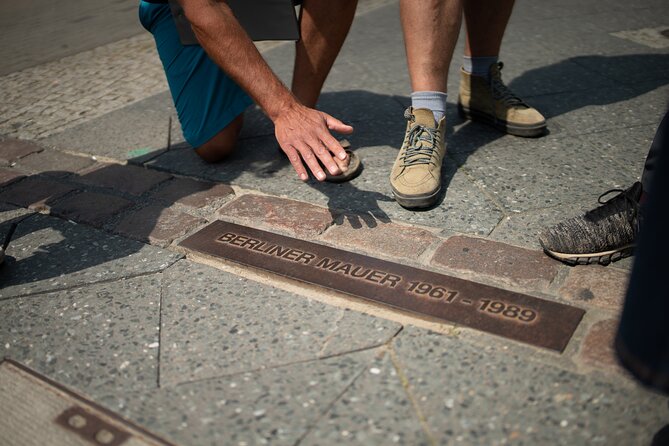
You meet the guide outside Friedrichstraße train station, on the square beside the Traenenpalast (Palace of Tears). The setup is designed to be easy: look for the guide with a yellow name badge holding a yellow umbrella.
This matters because Cold War-themed tours can draw big crowds at transit hubs. A clear meeting point keeps the group together and helps you start on time.
If you choose optional hotel pickup, you’re dropped at the Tourist Information at Brandenburg Gate, Pariser Platz 1, 10117 Berlin. You’ll then meet the guide there. Either way, you’re anchored near the heart of the story from the beginning.
Tränenpalast (Palace of Tears): Where Crossing Felt Like a Trap
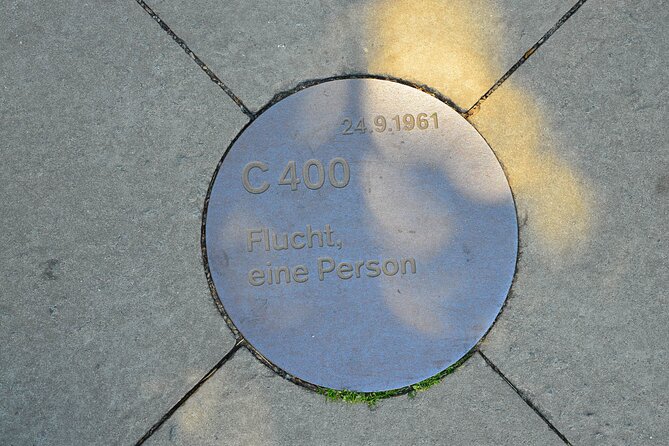
The tour starts by spending about 20 minutes at the Tränenpalast, the Palace of Tears. Even if you’ve heard the phrase before, being there shifts it from a dramatic title into something more grounded.
This stop works because it’s not just about the Wall itself. It’s about what separation did to individuals at the moment they tried to reunite, or failed. It also sets the tone for everything that follows: Cold War Berlin wasn’t only battles and broadcasts. It was families waiting, watching, and hoping for paperwork and permission to behave like luck.
If you like your history human-sized, this is where you’ll feel it most. And if you prefer the political angle, the guide’s framing usually connects this emotional reality to the machinery behind it—how control was enforced and why escapes became so dangerous.
Practical tip: bring your camera, but also take a minute to just look around. Places like this hit harder when you pause.
Alexanderplatz: Daily Life Under a Political Umbrella
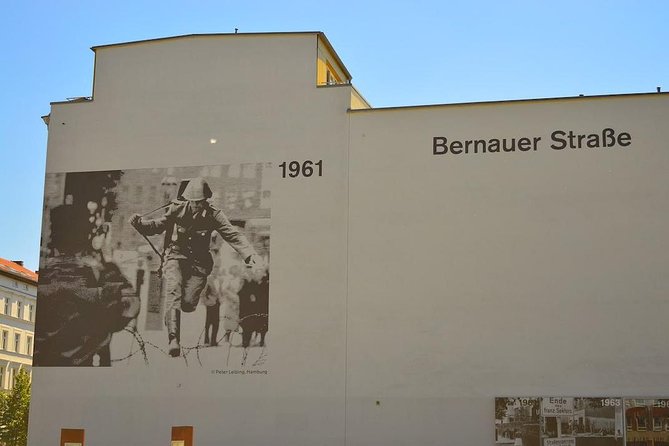
Next up is Alexanderplatz, another guided stop of about 20 minutes. This is where the tour widens the lens from crisis to routine.
Alexanderplatz is a familiar Berlin name to most people, but the tour helps you read it differently. Instead of just shops and transit connections, you see a major square that shaped how public life worked in the GDR. The architecture and the scale make a statement: order, visibility, and control in public space.
I like this stop because it gives you breathing room. After the weight of the Palace of Tears, you get a clearer sense of what everyday East Berlin could look like—so the Wall isn’t only a barrier. It’s also part of the daily backdrop.
If you’re the type who likes to ask questions, this is a good moment to do it. The guide can usually connect the square to the broader Cold War story in a way that keeps it from feeling abstract.
Karl-Marx-Allee: Propaganda in Stone and Distance
Then comes Karl-Marx-Allee, walked and explained for about 20 minutes. This boulevard is the kind of place where architecture behaves like messaging.
The tour’s focus here is the way buildings were designed to sell an idea. You’re taught to look for the signals in the monumental scale: the sense of grandeur meant to demonstrate power, stability, and ideology. It’s not subtle, which is exactly why it works as a teaching tool. You can point at shapes and say, that’s what the system wanted people to feel.
One downside to this stop is also one reason it’s memorable: it’s grand, which means it can be mentally tiring if the weather is hot or cold and you’re standing in exposed areas for photos. Comfortable clothes and good walking shoes help a lot.
But if you want to understand how regimes communicated without giving speeches every ten minutes, Karl-Marx-Allee is a must.

Friedrichshain and the Wall’s Real Neighborhood Context
After a short train move (a few minutes), you reach Friedrichshain for another guided portion. This section is about 20 minutes and helps you connect the Wall to the surrounding streets and local geography.
This is where the tour feels less like museum viewing and more like city reading. The Wall wasn’t floating out in the open as a single object. It ran through real neighborhoods, meaning daily routes, sightlines, and even the feeling of going home could be affected.
I like that the guide typically uses this stretch to explain why certain spots mattered for escape attempts and why watching could be part of the routine. You get the sense that fear could be both physical and psychological.
If you’re someone who likes “how people actually lived” details, this segment usually delivers.
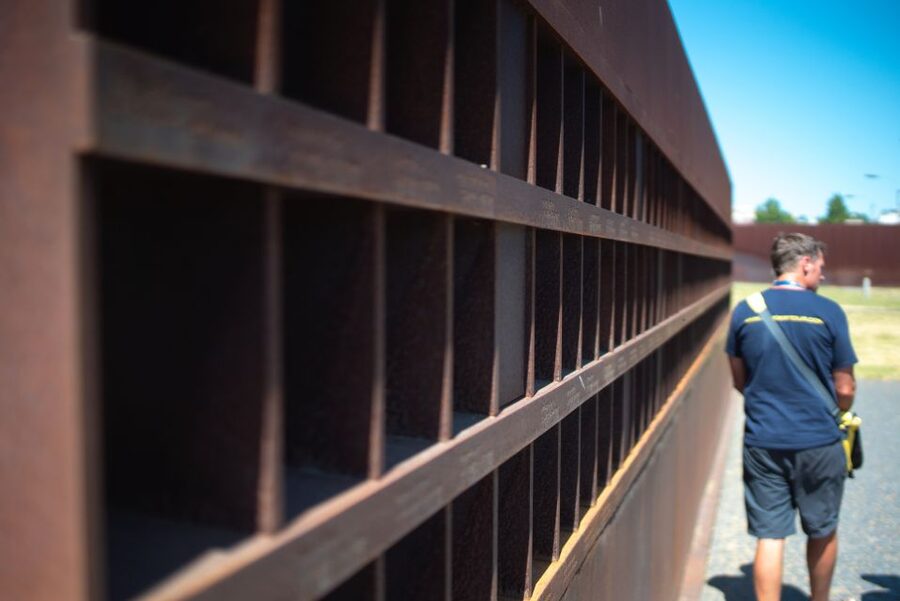
Berlin Wall and the Original Death Strip Area: The Harsh Geometry of Control
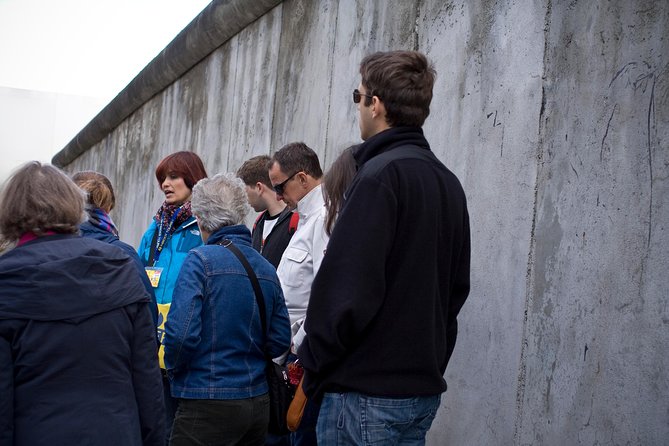
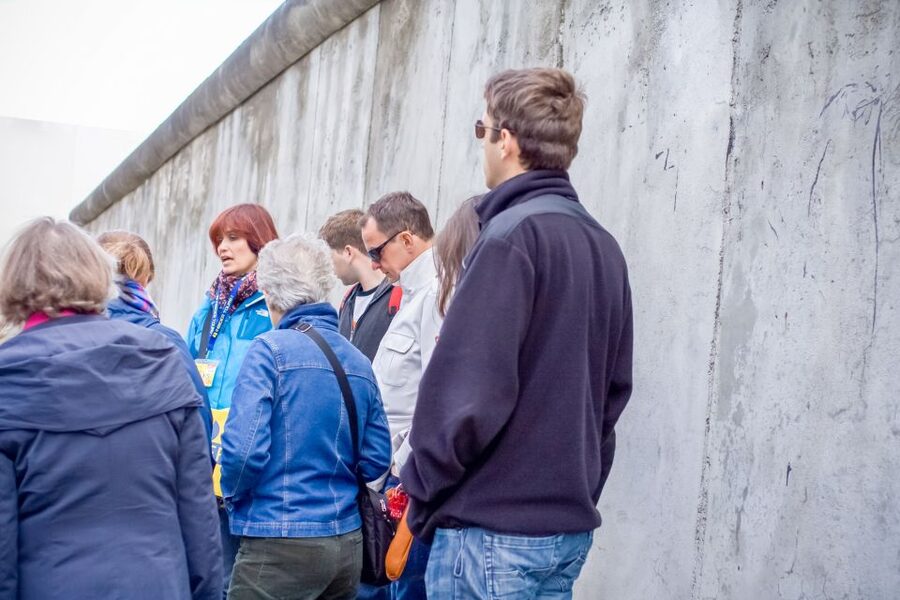
Now for the main event: the Berlin Wall section, including time around the original death strip area. The guided portion here is about 16 minutes, and it’s built to be focused.
Sixteen minutes sounds short until you realize what you’re looking at. The Wall and the death strip are about lines—distances, borders, and the way concrete and emptiness were used to control movement. The guide’s job is to translate what you see into what it meant: how people were constrained, how observation worked, and why attempts to cross were so risky.
This is also where you get the Stasi and informant angle explained in a way that connects to real fear, not just headlines. The idea isn’t to sensationalize. It’s to show how surveillance shaped behavior, including ordinary behavior.
You’ll want your camera here, but also keep room in your head for the emotional weight. This is one of those parts where your thoughts start doing the walking for you.
East Side Gallery: Graffiti as the Wall’s New Language
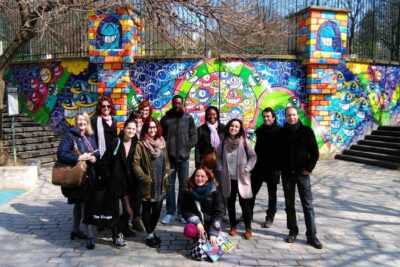
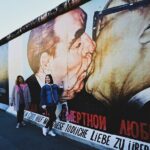
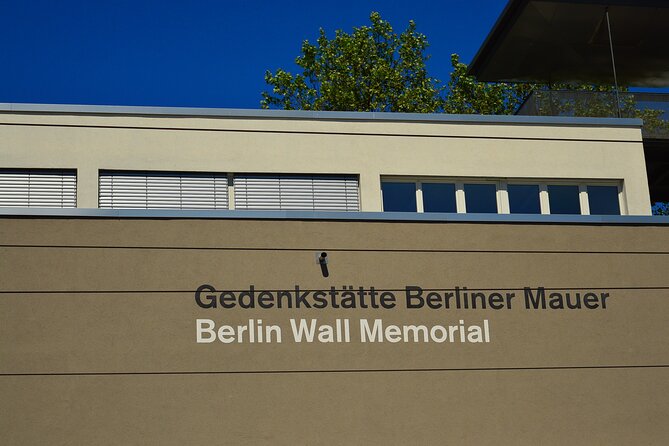
The tour finishes at the East Side Gallery, with about 20 minutes of guided time along the graffiti Wall. This is the transformation stop: the same barrier line becomes a public art gallery.
What I like here is the contrast. Before this, the route feels like systems and consequences. Here, the message becomes interpretation. The Wall gets re-told, re-painted, and re-owned by people who didn’t have that option when it was new.
The guide helps you read the murals in a Cold War-to-post-Cold-War frame, so you’re not only seeing art. You’re seeing how society processed the end of division.
If you want a satisfying emotional arc for the day, this ending delivers it. Even if you’re not an art person, the East Side Gallery gives you a tangible way to see how Berlin changed its story.
Transport Between Stops: Why the AB Day Pass Is Part of the Plan
This tour isn’t purely walking. You’ll move by train between sections—there are short transit connections built into the schedule.
That’s why the AB public transport day pass is required to travel between sites during the tour. The pass can be purchased the day of the tour with help from the on-site staff, so you’re not stranded searching for a ticket machine at the last second.
Plan for this mentally: the pace is designed around tight connections, and it keeps you from wasting time on long transfers. It’s also part of what makes the tour feel like a guided “route through Berlin,” not a slow stroll.
Price and Value: About $18 for Three Hours
At around $18 per person for three hours, this is strong value if you want curated meaning, not just photo stops.
Here’s why it’s worth it: the tour packs multiple high-impact sites into a short window—Tränenpalast, Alexanderplatz, Karl-Marx-Allee, the Berlin Wall death strip area, and the East Side Gallery—and you get a live guide to connect them. Without that guidance, you can still visit these places on your own, but you’re more likely to miss the “why this spot matters” details that make the story coherent.
Also, the guide format supports questions. A lot of the strongest tour experiences come from moments where you ask something and the guide explains a nuance you didn’t know you needed. The guides associated with this tour are often praised for Q-and-A energy and for keeping the group together even when weather or attention span gets unpredictable.
Two tradeoffs to weigh: it’s not a long sit-down museum experience, and the transport requires that day pass. If you prefer deep time at one site, you might feel a different kind of satisfaction elsewhere. If you want a clear route and fast context, this price-to-time ratio makes sense.
What to Bring (and What Can Ruin Your Day)
Bring comfortable shoes. You’re on your feet through major public spaces and along the Wall area, and Berlin weather has a way of turning a normal day into a long one.
Bring a camera—seriously. The stops are built for photos, but also for remembering details. And bring weather-appropriate clothing since the tour runs regardless of weather.
One more thing: alcohol and drugs are not allowed. It’s a serious history route, so keep it respectful and keep it clear-headed.
Who Should Book This Tour
This tour is a great fit if you want:
- a Wall-centered Cold War story without spending your whole day on transit,
- a guide-led explanation that helps you connect emotional sites (like Tränenpalast) to political mechanisms (surveillance and control),
- a route that balances “big city” stops with the Wall’s hardest reality.
It may be less ideal if you:
- hate walking or have limited stamina for a guided pace,
- want a slow, unsupervised museum-style experience at just one institution.
That said, the tour is wheelchair accessible, which makes it easier to plan around mobility needs than many Berlin walking tours.
Should You Book This Cold War, Berlin Wall Tour?
Yes—if you want the best version of Berlin’s Cold War story in a tight time window. The route hits the emotionally loaded Palace of Tears, the civic-political public spaces like Alexanderplatz, the propaganda architecture of Karl-Marx-Allee, the Wall’s brutal logic near the death strip area, and then the East Side Gallery as a hopeful counterpoint.
If you like learning from strong storytelling, you’ll probably enjoy the guide experience here. Guides tied to this tour are often praised for bringing the period to life, answering lots of questions, and pacing the group well—even in rough weather.
So my call: book it if you want clarity, context, and a walk that feels like a guided timeline. Then bring comfortable shoes, get your AB day pass ready, and let Berlin do what it does best—turn history into something you can still feel today.
FAQ
How long is the Cold War, Berlin Wall, Spies and the East Side Gallery tour?
It lasts about 3 hours.
Where do I meet the guide?
Meet outside Friedrichstraße train station, on the square beside the Traenenpalast (Palace of Tears). Look for the guide with a yellow name badge and a yellow umbrella.
What are the main stops on the tour?
You’ll visit Tränenpalast, Alexanderplatz, Karl-Marx-Allee, Friedrichshain, Berlin Wall (including the death strip area), and the East Side Gallery. The tour ends with drop-off at Bernauer Straße (two drop-off locations).
Do I need public transportation tickets?
Yes. You need an AB public transport day pass to travel between sites during the tour. You can purchase it on the day with help from the on-site staff.
Are hotel pickup and drop-off included?
Hotel pickup is optional, but hotel drop-off isn’t stated as included. If you use pickup, you’ll be dropped in front of the Tourist Information at Brandenburg Gate, Pariser Platz 1.
Is the tour wheelchair accessible?
Yes, the tour is wheelchair accessible.
What should I bring?
Bring comfortable shoes, a camera, and weather-appropriate clothing.
Does the tour run in bad weather?
Yes. The tour proceeds regardless of weather.