REVIEW · BERLIN
Berlin: City Street Art Guided Walking Tour
Book on GetYourGuide →Operated by Alternative Berlin Tours · Bookable on GetYourGuide
Berlin’s walls tell stories if you look. This 3-hour guided street art walking tour helps you read those stories across East and West Berlin, from well-known mural spots to quieter walls tucked away on side streets. I like the way guides such as Ben and Rob build each stop with backstories and social context, so the art feels less random and more intentional. I also love that you’re not just looking at images—you’re learning the language of tags, graffiti techniques, and why these messages land on the city’s surfaces.
One practical consideration: you may need an AB metro ticket depending on the route your guide chooses that day.
In This Review
- Key highlights you will feel in real time
- Where it starts: Smack Burger to first wall cues
- Reading Berlin’s walls across East and West
- Illegal graffiti and murals: the ethics and the explanations
- Friedrichshain and Kreuzberg: where the art feels lived-in
- The gallery stop: seeing what’s next, not only what’s past
- How the tour feels: humor, personal stories, and a small-group vibe
- Price and value: is $23 worth 3 hours of walking?
- What you’ll learn (and why it changes how you look at Berlin)
- Who should book this street art walk
- Should you book this Berlin street art guided walking tour?
Key highlights you will feel in real time

- Real street-art storytelling from guides like Ben and Rob, with jokes and clear explanations
- East and West Berlin mural spotting, including sites that feel tourist-famous and others that don’t
- Learning the difference between street art and graffiti, plus key terms and how the scene evolved
- Social commentary on the walls, explained through motivation and community, not just style
- A stop at an urban art gallery, showing what’s happening at the front of the movement
- A walk built for art-spotters, including illegal graffiti and murals you might not notice on your own
Where it starts: Smack Burger to first wall cues
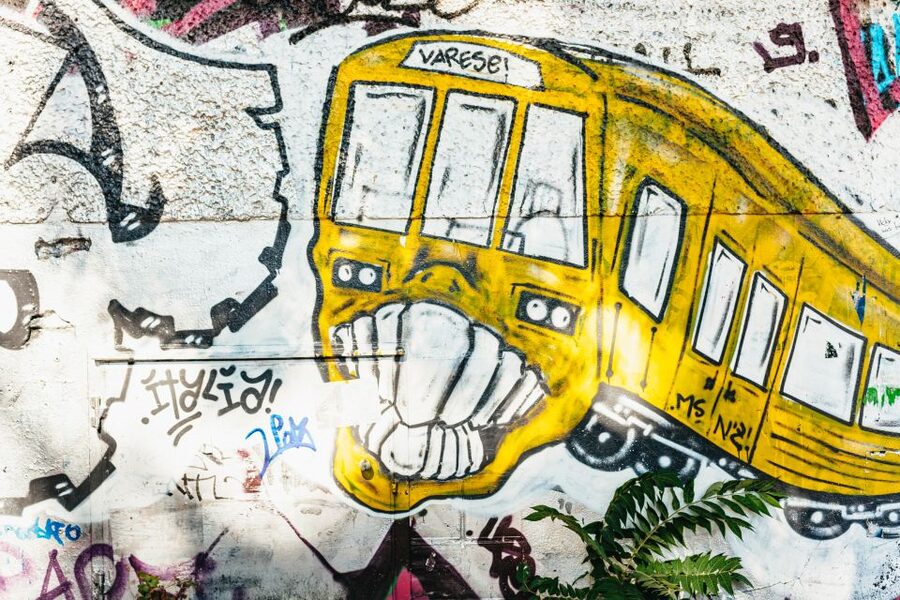
You meet your guide in front of Smack Burger, and the tour begins with that familiar feeling of Berlin street life: people moving through traffic, scooters cutting across bike lanes, and the city’s surfaces doing what they do best—collecting meaning. From the start, the guide sets you up to see more than paint. You’ll get terminology and quick context before you hit the first real “wait, look at that” mural.
This first stretch matters because street art can be easy to dismiss as either random decoration or vandalism. A good guide flips that switch fast. On this tour, you’re learning how writers and artists talk about their work, how style fits the scene, and why certain symbols, letters, and compositions show up where they do.
Practical tip: wear comfortable shoes. It’s a walking tour, and you’ll want your body to stay calm so your eyes can do the work.
You can also read our reviews of more walking tours in Berlin


Reading Berlin’s walls across East and West
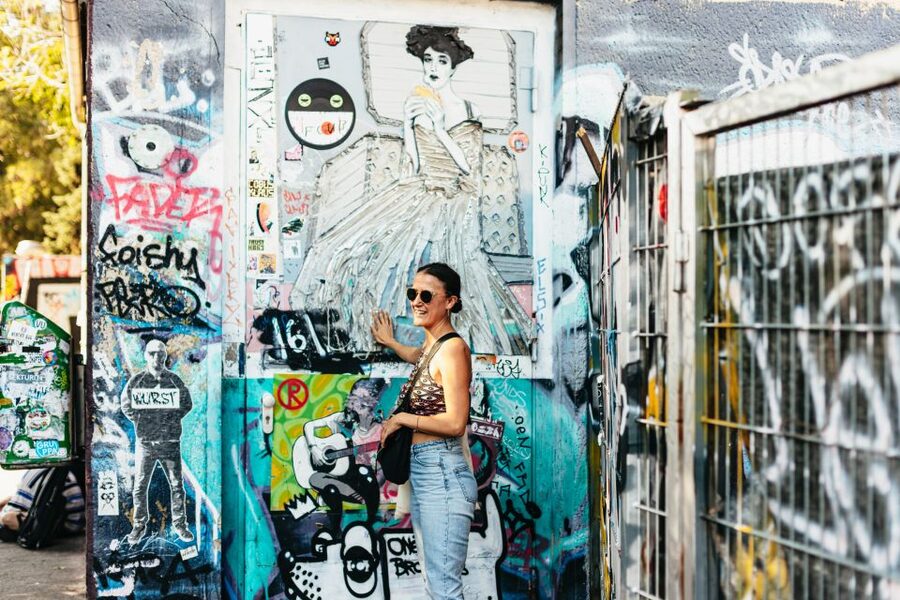
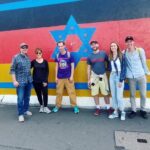
The core of the experience is how you see Berlin through its street art across both halves of the city. You’re taken to carefully selected sites that cover the range—from places people already photograph to murals and graffiti that feel more private, tucked into side streets. The tour’s value isn’t that it shows you lots of art. It’s that it helps you understand what the art is doing in the city.
Here’s what you’ll notice as the walk continues: the same wall can tell different stories depending on context. East vs West Berlin isn’t just geography; it shapes how the city’s history gets reflected in modern expression. Your guide connects murals to wider social commentary, so you’re not only admiring technique—you’re following the message, the timing, and the community around it.
If you’re expecting a tour that treats graffiti like a theme park, you may feel disappointed. This one leans toward interpretation and conversation. The guide’s job is to help you see how wall culture becomes public communication.
Illegal graffiti and murals: the ethics and the explanations

One of the tour’s strongest promises is that you’ll scout illegal graffiti and murals hidden throughout East and West Berlin. That can raise a natural question: are you watching wrongdoing? The way this is handled is through explanation. You’re not left to guess. The guide introduces terminology and the evolution of the scene, then ties individual pieces to motivations.
I like this approach because street art isn’t just about a pretty image. It can be about identity, visibility, and reaction to daily life. The tour focuses on the deeper meaning behind murals and the social commentary they carry. That turns the experience into something more thoughtful than sightseeing.
You may also find that the tour helps you stop using just two labels—good or bad. Instead, you start recognizing why an artist chooses a particular style, a particular spot, and a particular message. That shift is what makes the tour stick with you after you’ve gone back to your hotel.
Friedrichshain and Kreuzberg: where the art feels lived-in
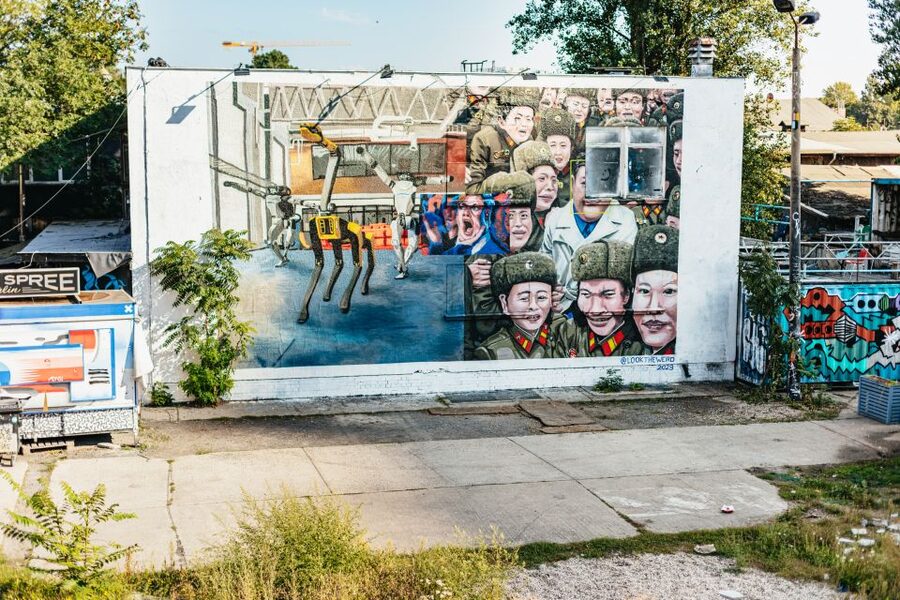
A big part of the tour happens on foot through areas that art lovers associate with wall culture—especially Friedrichshain and Kreuzberg. These neighborhoods can feel like Berlin’s street-art ecosystem: layers of tags, murals, posters, and newer additions stacked on top of older visual history.
What makes this section special is the mix of energy. You’ll walk through spots that feel familiar to visitors, but you’ll also get guided toward less obvious walls. That combination matters. If all you saw were the famous murals, you’d end up with the same photos as everyone else. If all you saw were truly obscure walls, you might miss the broader story of how the scene became what it is today.
Your guide’s job is to connect those dots while you walk. In reviews, people specifically call out how the guide shared backstories for tags and pieces, which is exactly what you want in this part of Berlin. When you know what you’re looking at, the area stops being just a visual backdrop and starts becoming a map of ideas.
Small note on enjoyment: if the weather turns unpleasant, plan to keep your attention on the storytelling. One review highlights that even in snow and cold, the guide kept interest with knowledge and personal anecdotes. If you’re the type who enjoys learning while moving, you’ll likely be fine.
The gallery stop: seeing what’s next, not only what’s past
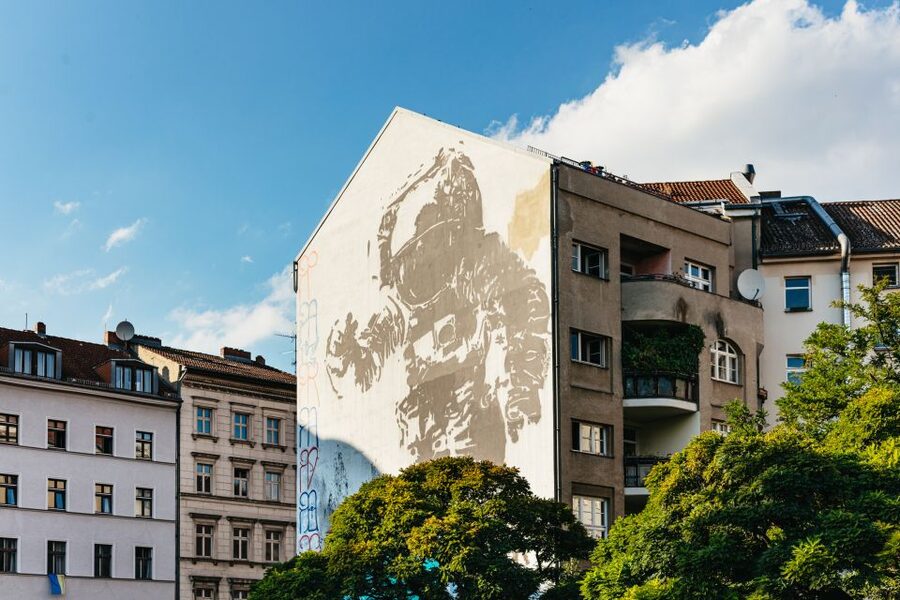
The walking portion doesn’t end with walls alone. The tour includes time at an urban art gallery—a place that helps you see the movement beyond street corners. This matters because street art exists in two worlds at once. It’s both public, unsanctioned expression and part of a broader art conversation.
On this stop, the emphasis is on what’s at the forefront of the movement. You’re essentially getting a bridge: how the ideas and techniques you saw outdoors connect to today’s scene. For anyone who only associates graffiti with legality issues or street-level shock value, this is a helpful correction. It shows that the community and the art language are evolving.
Even if you’re not a museum person, treat this gallery moment as part of the story, not as a separate attraction. The guide’s framing helps you connect techniques, themes, and community with what you see on paper and in curated spaces.


How the tour feels: humor, personal stories, and a small-group vibe
Across the reviews, a clear pattern appears: guides like Rob and Ben keep things engaging with humor and story. People mention that the guides include backstories for pieces, which is a big deal. Street art can be visually loud, but context is what turns it into communication you can actually understand.
Another detail that stands out is how personal the guides’ experience feels. Some reviews mention personal time with graffiti writing, and that kind of first-hand angle usually lands well on tours like this. Instead of a lecture, you get a conversation-style walk where you can ask questions and listen for clues as you move.
Group size isn’t explicitly listed in the core facts, but at least one review mentions a small group. If that matches your day’s tour, that’s a plus. Smaller groups tend to mean more back-and-forth, and it’s easier to keep the guide’s focus on your questions.
Price and value: is $23 worth 3 hours of walking?
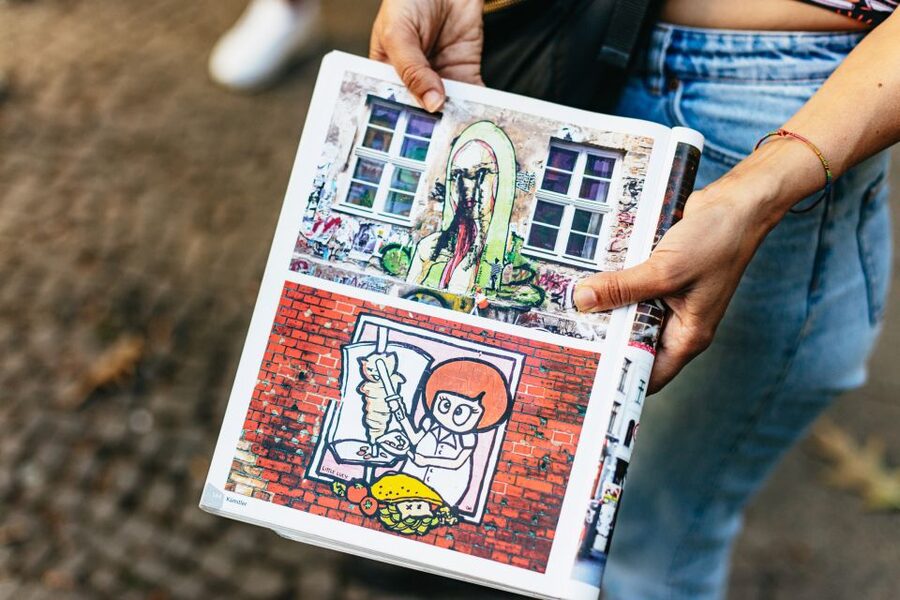
At $23 per person for a 3-hour English-language guided walking tour, this is priced like a value play—especially in a city where many neighborhood experiences cost more. The big reason it’s good value is what you get per hour: a live guide, walking time through key art areas, and interpretation of the meaning behind murals rather than just photo stops.
It’s also smart that the tour is built around learning. If you’re already curious about street art, the guide’s explanations can upgrade your entire Berlin week. You’ll likely start noticing tags and motifs on your own, because you’ll know what to look for and how to ask the right questions.
The only “cost” you should budget for is transport. An AB metro ticket might be required depending on the route. That ticket isn’t included, so factor it in if your day starts away from the meeting point. If you’re already in the area, you can keep your total spending low.
What you’ll learn (and why it changes how you look at Berlin)
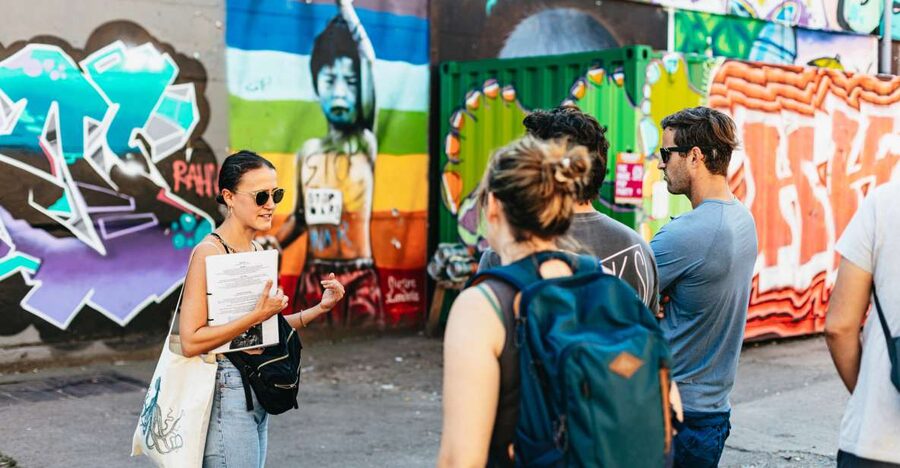
This tour is really about changing your reading skills. You’ll learn terminology and how the street art scene evolved, and you’ll hear what motivates graffiti and street artists. The point isn’t to turn you into an expert. It’s to help you appreciate the craft and the community around it.
Here are the most practical takeaways you can carry into the rest of your trip:
- You’ll get clearer on what separates graffiti from street art in how people use the terms.
- You’ll understand why some pieces are placed where they are, instead of assuming it’s random.
- You’ll start seeing murals as social commentary—messages shaped by their time and their audience.
- You’ll pick up the idea that walls become a community bulletin board, not just a canvas.
After a tour like this, you tend to look up more, stop more, and take fewer generic photos. That alone is worth the time if you care about authentic Berlin textures.
Who should book this street art walk
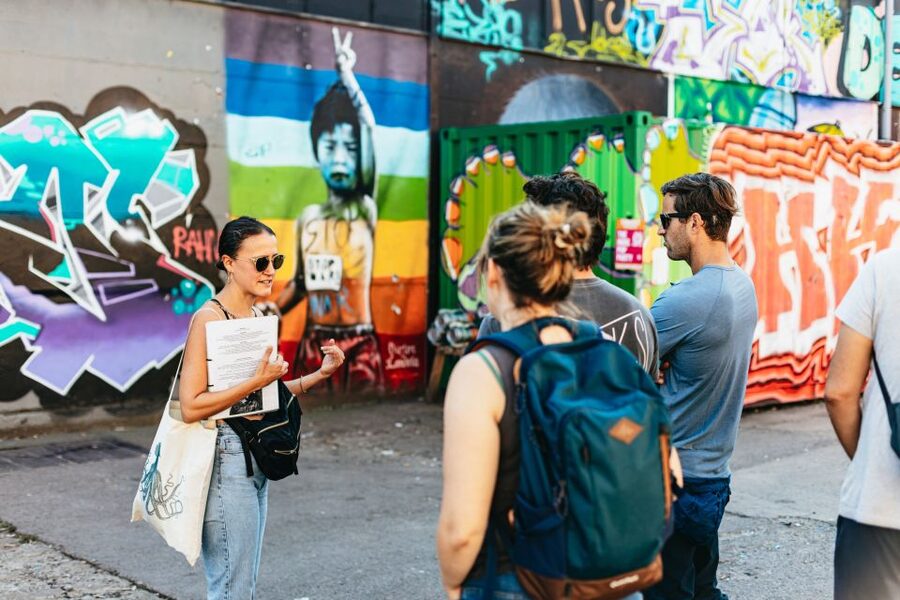
You’ll enjoy this tour most if you:
- Like street art enough to want the stories behind it
- Want Berlin neighborhood time, not a sit-down museum day
- Enjoy walking and learning on your feet
- Are curious about the difference between graffiti and street art
- Appreciate social commentary and community-driven creativity
You might be less interested if you want quick highlights with minimal explanation, or if you’re uncomfortable with seeing illegal graffiti as part of the real street-art world.
Also, it’s a good option for solo visitors who like meeting a guide and fellow art fans while still moving at a comfortable pace. One review specifically notes feeling safe as a solo female traveller, which is reassuring if that’s on your mind.
Should you book this Berlin street art guided walking tour?
If you want Berlin that feels specific—less touristy, more idea-driven—this is a strong pick. For $23, you’re paying for a live guide, meaningful context, and a route through areas that make street art feel like part of daily life. The guide-led explanations are the real value, especially if you want to understand what you’re seeing instead of just collecting photos.
Book it if you’re ready to walk for three hours, listen, and look closely. Consider it carefully if you don’t want the illegal-graffiti side of the scene, or if your schedule is very tight and you’re hoping for something shorter than the full 3 hours. The good news: the tour’s storytelling is repeatedly called out as the reason time flies.
If you’re comparing options, this one wins when your goal is to leave with a new way of seeing Berlin’s walls.