REVIEW · BERLIN
Berlin Street Art Walking Tour – Off The Grid
Book on Viator →Operated by Alternative Berlin Tours · Bookable on Viator
Street art in Berlin has a pulse. This Berlin Street Art Walking Tour (about 3 hours) takes you through Friedrichshain and Kreuzberg with a guide who can explain the meaning behind the walls, including political messaging and the skills artists use. I especially like how the pace is built around stopping to look closely, and how you get context for what you’re seeing instead of just snapping photos. One thing to plan for: you’ll rely on public transport partway through, so you should have the right metro ticket before you start.
A big plus is the vibe: you’ll spend time away from the usual sight-seeing routes and into working neighborhoods where street art actually fits the day-to-day life of Berlin. I also like that the tour is small (max 20) so you can ask questions and hear the guide’s stories clearly. The only drawback to keep in mind is that it can involve a lot of walking and some stairs, so good shoes matter.
In This Review
- Key highlights to look for
- Berlin Street Art Without the Usual Main-Strip Feel
- Friedrichshain and Kreuzberg: Where Street Art Talks Politics
- How the 3-Hour Rhythm Actually Works (and Why It Doesn’t Drag)
- Spotting the Difference: Street Art, Graffiti, and the Legal Line
- Commissioned Pieces and Why That Stop Changes Everything
- The Guides Matter: Rob, Ben, and Antonio’s Street-Level Storytelling
- Price and Value: What $24.20 Buys You in Berlin Time
- Where You Start, How You Move, and What to Bring
- Who This Tour Fits Best
- Should You Book This Berlin Street Art Tour?
- FAQ
- FAQ
- How long is the Berlin Street Art Walking Tour?
- Where does the tour start?
- Where does the tour end?
- What time does the tour start?
- Is the tour in English?
- What is included in the price?
- Do I need a public transport ticket?
- What should I bring?
- What happens if the weather is poor?
- How many people are in the group?
Key highlights to look for
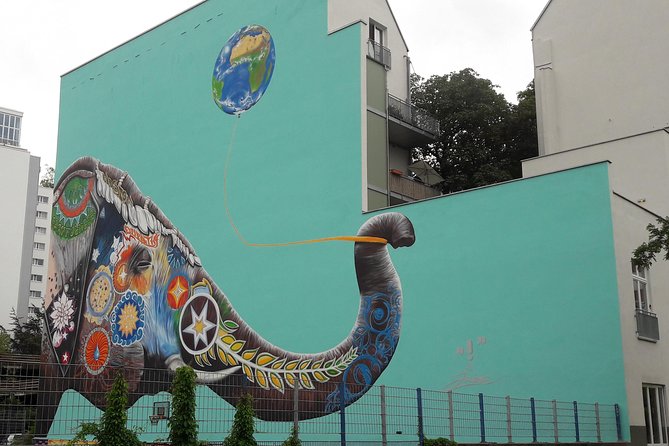
- Friedrichshain + Kreuzberg walls: a focused loop through two of Berlin’s most street-art-heavy neighborhoods
- Art you can read: political messages, legal context, and what separates street art from graffiti
- Commissioned urban artwork: a stop that looks beyond random tags and shows planned pieces
- Stops more than you walk: frequent pauses to discuss techniques and meanings
- Small-group feel: max 20 travelers, led by a local guide who keeps things lively
- Transport included, but you provide the ticket: you’ll use public transit during the tour
Berlin Street Art Without the Usual Main-Strip Feel
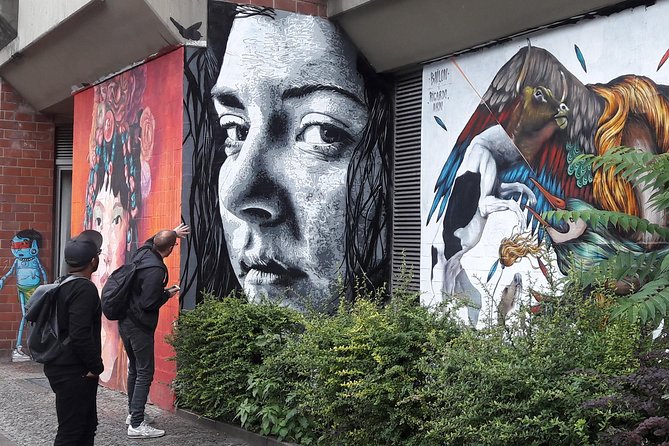
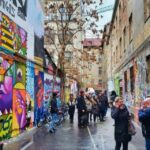
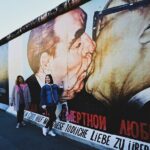
Berlin street art can be easy to reduce to a highlight wall or a single famous mural. This tour works differently. You’re walking through real neighborhoods where art shows up as part of the urban conversation, not as a staged attraction. The focus stays on “why this wall, why this message, and why this style,” so the city becomes easier to understand as you go.
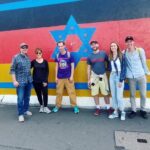
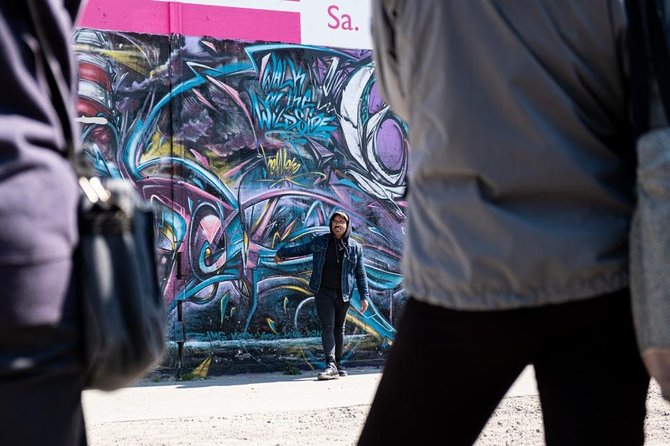
I like that the route is built around seeing and talking. The tour isn’t just a walk with a few quick comments. You stop often, and you get help noticing the details: lettering styles, paint layers, stencil or paste techniques, and the way artists communicate from street level.
There’s also a practical side to the experience. It’s about one afternoon—start at 1:00 pm and you’re done after roughly 3 hours—so you can fit it into a busy trip without losing a whole day.
You can also read our reviews of more walking tours in Berlin


Friedrichshain and Kreuzberg: Where Street Art Talks Politics
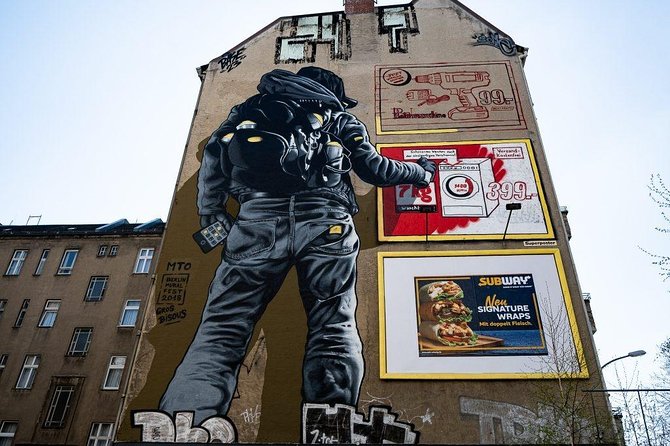
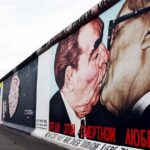
If you want the “Berlin” feeling—post-wall history, shifting culture, and strong opinions in public spaces—Friedrichshain and Kreuzberg are the right places to walk. On this tour, you’re not only looking at impressive visuals. You’re learning how murals and graffiti style can carry messaging: protest, identity, satire, or commentary on city life.
You’ll also hear about the street art scene as a living culture. Berlin’s walls aren’t just a gallery; they’re part of a local network where reputation, community rules, and risk all matter. That context changes how you interpret what you see. A piece that looked like just color starts to read like language.
One more thing I appreciate: you’re guided away from the most obvious tourist patterns. You still get your bearings fast, but you’re more likely to notice smaller neighborhood moments—the kind you might otherwise miss while moving between major attractions.
How the 3-Hour Rhythm Actually Works (and Why It Doesn’t Drag)
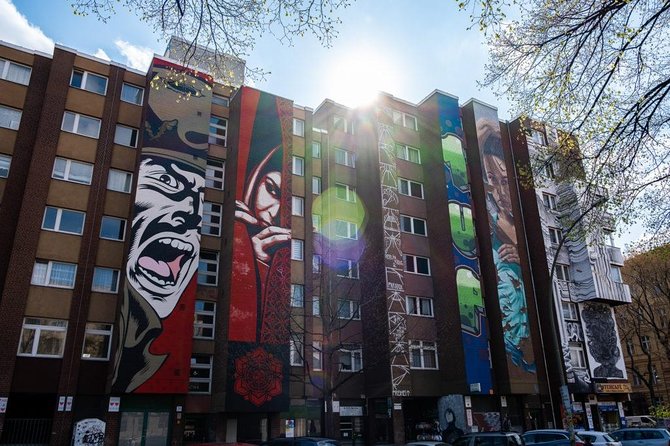
At first, 3 hours sounds like a long slog, especially when you hear the words walking tour. In practice, the structure helps. Reviews point out that the tour feels more like a series of short “look and learn” moments with breaks built in, rather than nonstop marching.
Expect:
- Frequent stopping to discuss the artwork you’re seeing
- Time to photograph when the guide pauses
- A small café break partway through, where you can grab coffee and use the restroom
That café stop is more than a nice perk. It gives you a reset so you can keep paying attention once you’re back outside. If you’re traveling solo or with teens, it also helps break the experience into chunks that feel manageable.
Transport is another part of the rhythm. You’ll use public transportation throughout the tour, and that can slightly shift pacing depending on what you’re walking between stops. It’s still designed to work smoothly, but it’s not a “stay on foot the entire time” style tour.
Spotting the Difference: Street Art, Graffiti, and the Legal Line
This is one of the best parts of the experience: you learn how to tell the difference between street art and graffiti, and why that matters. You’ll also get explanations of techniques and what artists risk to put up work. That combination—visual cues plus real-world context—makes the city’s street art start to feel less random.
The guide also covers the legal context of the movement. You’ll hear about norms in the scene, not just the art history. That matters because Berlin street art isn’t only about aesthetics. It’s also about tension: public space, permission, backlash, and the practical realities of making art where people live.
And you’ll learn how artists build meaning into their choices. Reviews mention the tour covers logistics around the movement too, not just the romantic version of “spray and go.” Once you know the constraints, the artwork looks more intentional—even when it’s rebellious.
Commissioned Pieces and Why That Stop Changes Everything
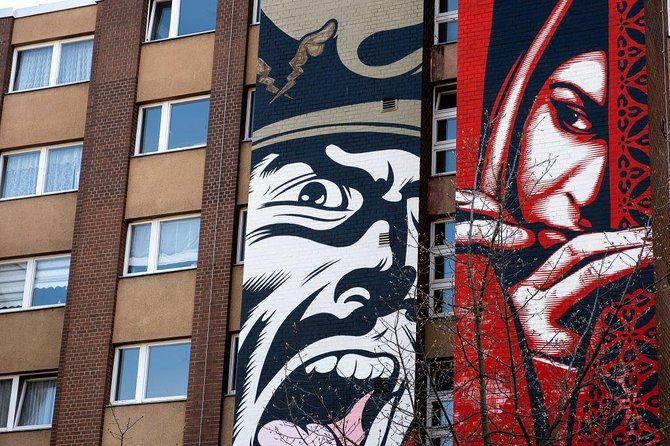
Many street art tours focus on the most famous wall. This one adds something valuable: a street art gallery stop that shows commissioned urban artwork. That gives you a wider view of what the movement can be.
Why it’s worth your time: commissioned work often reveals the skill and planning behind what you see outside. When you then return to the street-level murals and tags, you start noticing craft rather than just style. You can better understand how artists move between public walls and more formal display spaces.
It also helps you avoid a common misunderstanding: thinking street art is only about vandalism. This tour frames it as a visual language with technique, history, and strong community logic.
A few more Berlin tours and experiences worth a look


The Guides Matter: Rob, Ben, and Antonio’s Street-Level Storytelling
You’ll get a local guide, and the teaching style is a major reason this tour is so highly rated. Multiple guides are mentioned in the experience, including Rob, Ben, and Antonio (including Antonio Castello). What they have in common is not just knowledge, but energy. They bring the topic to life with anecdotes and humor while still staying on track.
What you’ll likely notice in the group:
- The guide explains history and techniques in plain language
- Questions are welcome between stops
- You get personal perspective because the guides are part of the scene
This isn’t “read a plaque” history. It’s more like listening to someone who knows the artists, the norms, and the backstory behind Berlin’s walls.
And yes, enthusiasm helps. If you’re the kind of traveler who worries you’ll be stuck listening without actually seeing much, this format is built to keep you engaged.
Price and Value: What $24.20 Buys You in Berlin Time
At $24.20 per person for about 3 hours, the value is strong—mostly because the tour is structured for learning. You’re not paying for transit alone or for someone to walk ahead. You’re paying for interpretation: how to read the art, how to understand the political messaging, and how to connect style to scene.
What you get:
- A local guide
- A professional guide
What that means for you: your time is tighter, but your understanding gets deeper. Instead of spending hours scanning murals without context, you get a framework quickly. That’s how a budget-friendly tour can still feel premium.
Small group size (max 20) also helps the value. You’re more likely to get answers tailored to what you’re noticing, not just to the group’s general interests.
Where You Start, How You Move, and What to Bring
Start point: Warschauer Str. 53, 10243 Berlin
Start time: 1:00 pm
End point: Wrangelkiez, finishing in Kreuzberg near the U1 line
Because you’ll use public transport during the tour, plan for transit from the beginning. Reviews also mention the need for an AB zone transport ticket may be required depending on the route. Don’t guess—have the correct ticket ready before you meet.
Bring:
- Good walking shoes (the walking adds up)
- An umbrella if rain is in the forecast
- A metro ticket for public transport during the tour
Good to know: confirmation is handled at booking time, and you’ll get a mobile ticket.
Also, because the tour depends on the day’s conditions, it requires decent weather. If conditions are poor, you’ll be offered another date or a full refund.
Who This Tour Fits Best
This tour is a great fit if you want more than pretty murals. You’ll enjoy it most if you like street-level learning: meaning, technique, and how culture shows up on sidewalks and building sides.
It’s also a solid choice if you’re traveling with teens or older kids. Reviews mention that a 15-year-old (and also adults in their 60s) had a great time, mainly because the guide keeps the conversation engaging while still teaching.
If you hate walking or have major mobility issues, you should consider the pace and the possibility of stairs. One lower-rated note suggests the tour may involve more stairs and transit segments than the description might make obvious, so it’s worth mentally preparing for that.
Should You Book This Berlin Street Art Tour?
Yes, I’d book it if your goal is to understand Berlin’s street art culture, not just collect photos. The tour’s strongest selling point is the guided reading of the walls: politics, techniques, legal context, and how street art functions in neighborhoods like Friedrichshain and Kreuzberg.
Book it especially if:
- You want a small-group experience (max 20)
- You prefer stopping and learning over rushing past murals
- You care about street art’s meaning and not just its look
- You like guides who bring humor and real street-scene stories
Only skip it if you know you’ll struggle with a walking-heavy afternoon or you don’t want to deal with public transport tickets. If that’s you, you’ll likely enjoy Berlin street art more by choosing a less transit-dependent option.
FAQ
FAQ
How long is the Berlin Street Art Walking Tour?
The tour lasts about 3 hours.
Where does the tour start?
It starts at Warschauer Str. 53, 10243 Berlin.
Where does the tour end?
It ends in Wrangelkiez in Friedrichshain-Kreuzberg, finishing in Kreuzberg close to the U1 line.
What time does the tour start?
The start time is 1:00 pm.
Is the tour in English?
Yes, it is offered in English.
What is included in the price?
The price includes a local guide and a professional guide.
Do I need a public transport ticket?
Yes. Public transport is used throughout the tour, and you should have a metro ticket. Depending on the route, you might need an AB zone ticket.
What should I bring?
Wear good walking shoes. If it’s raining, bring an umbrella.
What happens if the weather is poor?
This experience requires good weather. If it’s canceled due to poor weather, you’ll be offered a different date or a full refund.
How many people are in the group?
The tour has a maximum size of 20 travelers.