REVIEW · BERLIN
Berlin: Private Kreuzberg Street Art Walking Tour
Book on GetYourGuide →Operated by BG Tours · Bookable on GetYourGuide
Street art here has politics in its paint. This private Kreuzberg walking tour uses big murals and street corners to explain why graffiti became part art, part public voice. You also finish back where you started, making it easy to keep the rest of your day flexible.
I love the chance to see huge murals by international street artists in a real working neighborhood, not behind a ticket gate. I also like that the guide’s explanations can come from real street-art practice, including tips about technique—one guide named Tijmen is specifically mentioned for teaching skills while keeping things fun.
One possible drawback: the tour is only 2 hours, so if you want very academic, super-deep theory, your guide’s style matters. On a hot day, the timing and how long you linger can feel a bit tight.
In This Review
- Key Points You’ll Appreciate
- Kreuzberg Street Art Isn’t Just Decoration
- Finding Your Guide: Schlesisches Tor Meeting Point Made Easy
- Two Hours in Kreuzberg: What the Walk Feels Like
- Huge Murals: How to Look at Street Art Like a Local
- Kreuzberg’s History Behind the Walls
- Oberbaumbrücke: Classic Berlin Views With Contemporary Color
- Private Group Value: More Questions, Less Waiting
- Price and Value: When $200 per Group Works
- Practical Tips So You Enjoy the Walk
- Should You Book This Kreuzberg Street Art Walk?
- FAQ
- Where does the tour start?
- How long is the walking tour?
- What language is the guide?
- Is this tour private?
- How much does it cost?
- What’s included in the tour?
- Is the tour wheelchair accessible?
- What items are not allowed?
- Is there a cancellation option?
- Is there anything about late arrival?
Key Points You’ll Appreciate
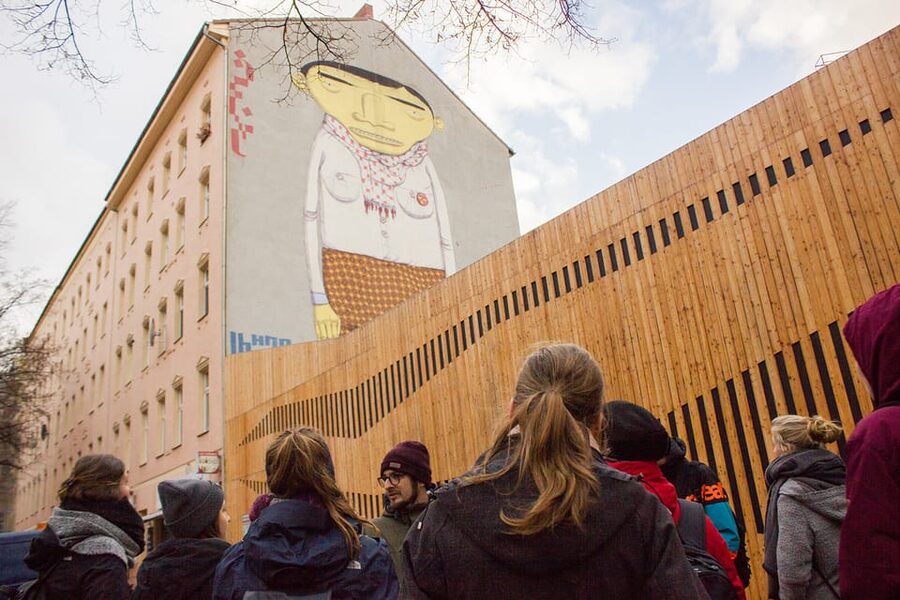
- International mural scale in Kreuzberg: expect wall-sized works you can actually take in on foot.
- First-hand street art perspective: guides who are or have been part of the graffiti scene can explain techniques.
- History tied to place: Kreuzberg’s squatters past and Turkish community influence how street art shows up.
- Oberbaumbrücke on the route: you mix classic Berlin views with contemporary street visuals.
- Private group format: better chances for questions and faster adjustment if you’re chasing photos or details.
- Simple start point: meet at U Schlesisches Tor, next to the elevator.
Kreuzberg Street Art Isn’t Just Decoration
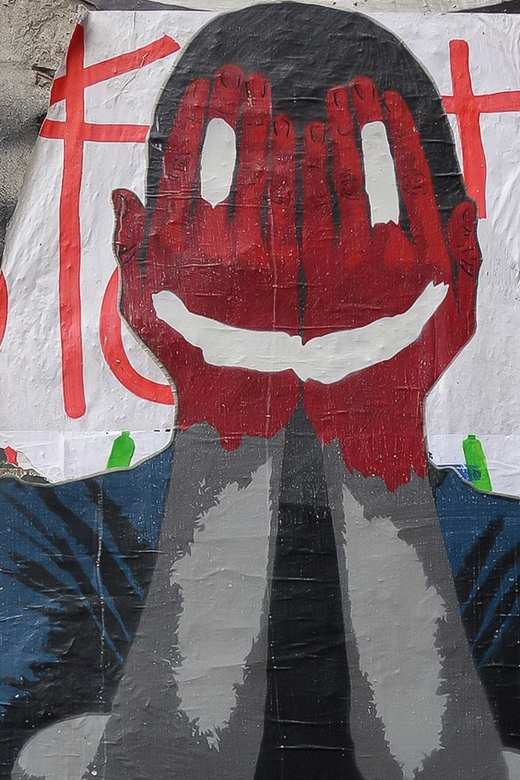
Kreuzberg is one of those Berlin neighborhoods where the city talks back. The street art you’ll see isn’t only about pretty color. It often points to power, identity, and who gets to use public space.
That’s the appeal of this tour. You’re not just stopping for photos and moving on. You’re walking through urban life and learning how graffiti became an open-air way to argue, remember, and create community.
I also like that the tour frames street art through Kreuzberg’s specific story: it was once home to squatters and the Turkish community, and later it became a nightlife magnet. That context changes how you read the walls. A tag or mural starts to feel less random and more intentional.
You can also read our reviews of more walking tours in Berlin


Finding Your Guide: Schlesisches Tor Meeting Point Made Easy
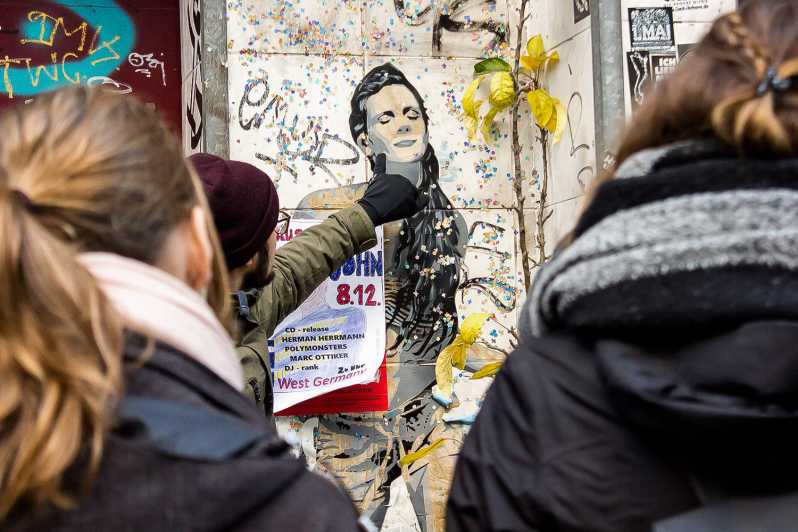
The tour begins at the exit of U Schlesisches Tor (U1, U3), right next to the elevator. That’s a handy detail because elevators reduce the stress of hauling yourself through underground stairs before a walk.
Plan to arrive on time. Late arrivals are not refunded, and it’s a small private-group format, so the guide likely keeps the route moving.
No big-bag chaos either. Luggage or large bags aren’t allowed, so keep your load light. A small daypack is fine, but don’t show up with anything that could slow the group down.
Two Hours in Kreuzberg: What the Walk Feels Like
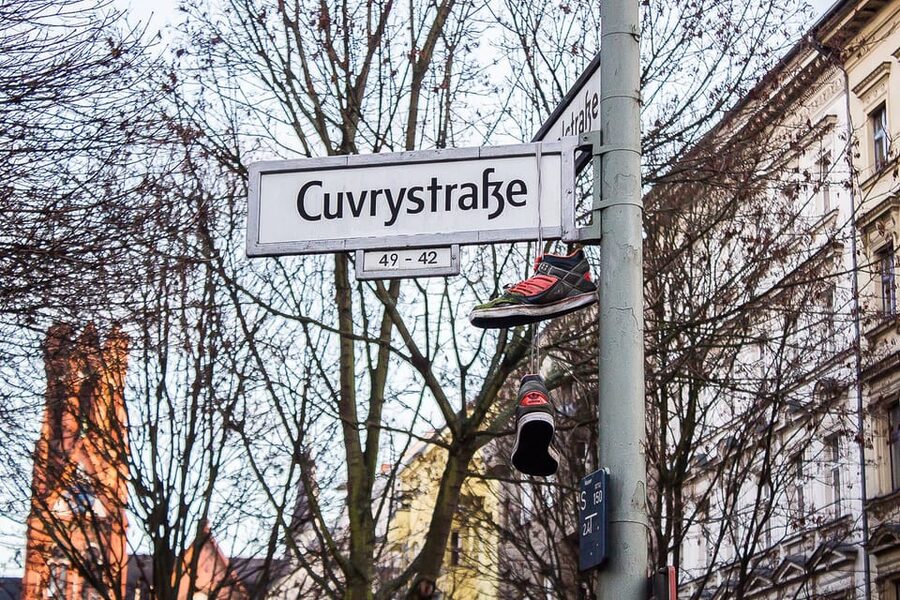
This is a straight-up walking tour, built around seeing street art as you move. You’ll spend roughly 2 hours in Kreuzberg with a live guide in English or German.
Along the way, you’ll get a mix of:
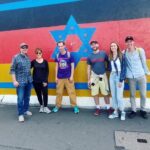
- large murals by well known international artists
- regular street-life scenes (cafés, bars, and restaurants)
- side-by-side context for the artworks, so you know what you’re looking at
The key is that the guide’s job is not only pointing. They’ll also explain the history and the politics behind graffiti and street art. When that clicks, you start noticing details you’d miss alone, like how styles communicate attitude and how placement can change meaning.
One practical note from the vibe of the tour: it may feel more photo-focused than museum-focused. You’ll see a lot visually, but you won’t sit for long periods. If you like action and walking, you’ll probably enjoy the pace.
Huge Murals: How to Look at Street Art Like a Local
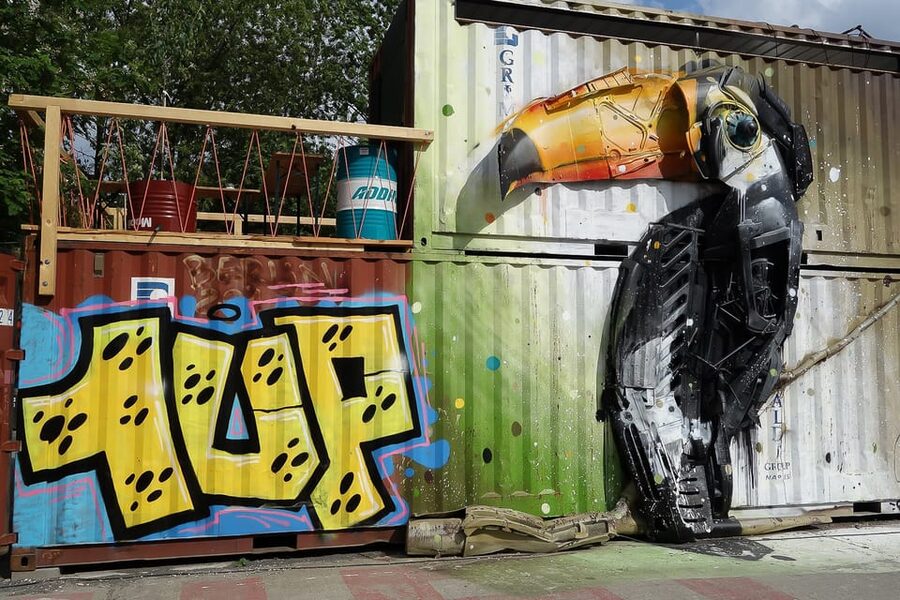
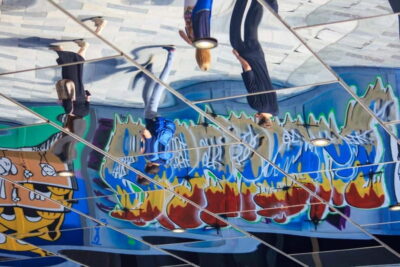
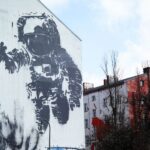
The highlights focus on big murals, and that choice matters. A small tag can be quick to spot. A wall-sized piece forces you to slow down just enough to read it.
Here’s what you’ll likely learn to do:
- notice how artists use scale and color to grab attention
- watch for visual storytelling, not just style
- understand why graffiti techniques and choices matter to the message
This is where the guide’s background can make a big difference. Some guides on this tour are described as being or having been part of the graffiti and street art scene. In one case, Tijmen is praised for showing graffiti and other street art and teaching techniques, which is exactly what makes mural viewing feel less like guessing.
If you’re the type who likes to ask questions, this tour’s format helps. In a private group, you can get answers tuned to what you actually want to know: materials, methods, meaning, or the scene in Berlin right now.
Kreuzberg’s History Behind the Walls
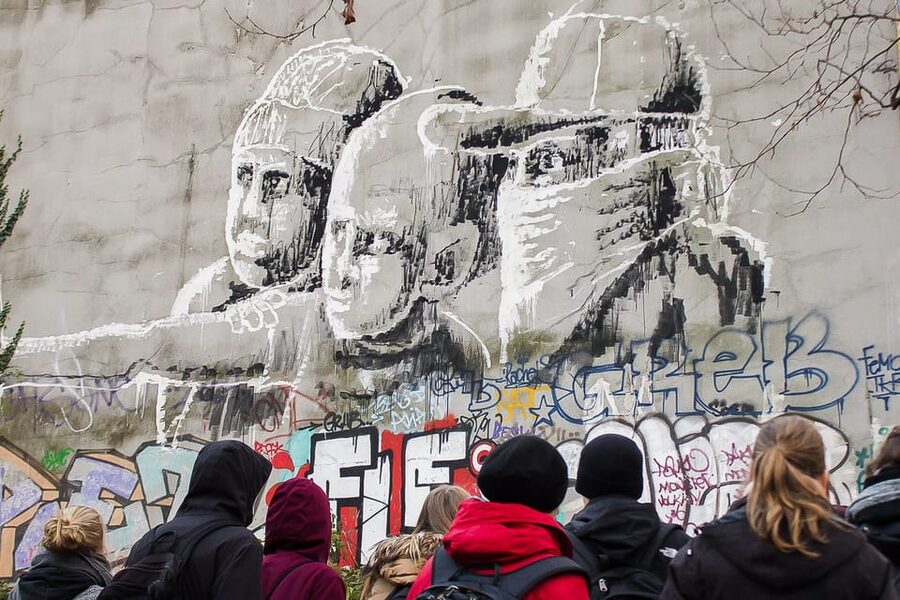
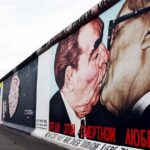
Street art can be noisy, but Kreuzberg gives it a clear storyline. The tour connects graffiti to the neighborhood’s historic and political dimensions, including its past with squatters and the Turkish community.
Why this matters: graffiti didn’t simply appear because artists had free time. It grew in a city shaped by political tension, social change, and public debate. When you understand that backdrop, you’ll read walls as commentary, not decoration.
The tour also explains how the area shifted into a hotspot on Berlin’s nightlife circuit. That change affects the street art too. A neighborhood that pulls in crowds tends to attract attention—both artistic and political.
I find this kind of context useful because Berlin can otherwise feel like a museum of history. Street art brings you back to the present. It’s a reminder that the city is still arguing with itself, just with spray cans and paint instead of speeches.
You can also read our reviews of more private tours in Berlin


Oberbaumbrücke: Classic Berlin Views With Contemporary Color
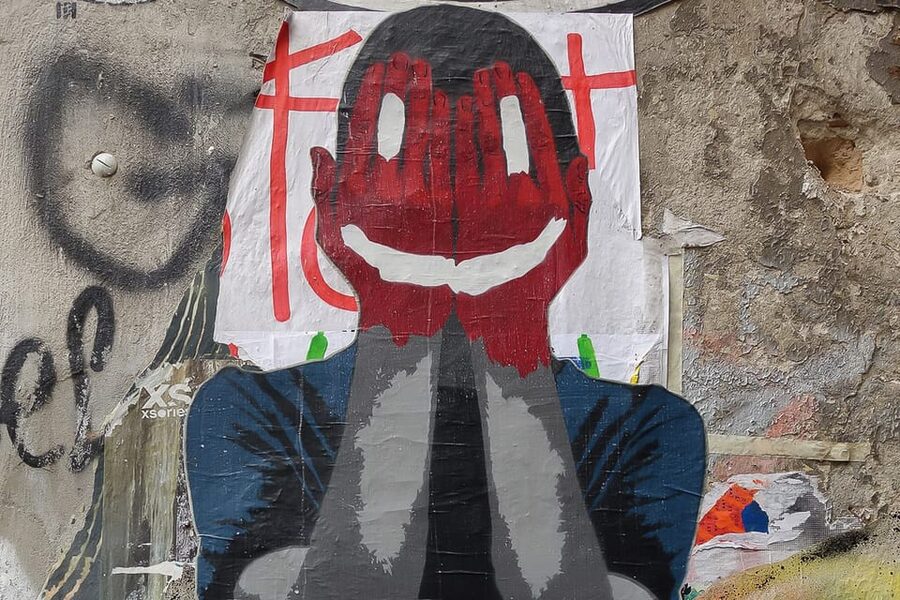
One tourist anchor you’ll walk along is Oberbaumbrücke, described as beautiful. Even if you already know the bridge from photos, seeing it as part of this route changes the mood.
Why? Because you’re moving from wall art and local street corners toward a more iconic Berlin sight. That contrast helps you zoom out. You get a sense of how Berlin’s identity—its architecture, rivers, and landmarks—meets newer forms of expression.
This is also a good moment for photos, since you’ll likely have a better sense of scale. Street art can look dramatic when paired with a major city backdrop.
Just keep your timing realistic. It’s still a walking tour, and you don’t want to spend so long shooting pics that you miss the guide’s explanation during other stops.
Private Group Value: More Questions, Less Waiting
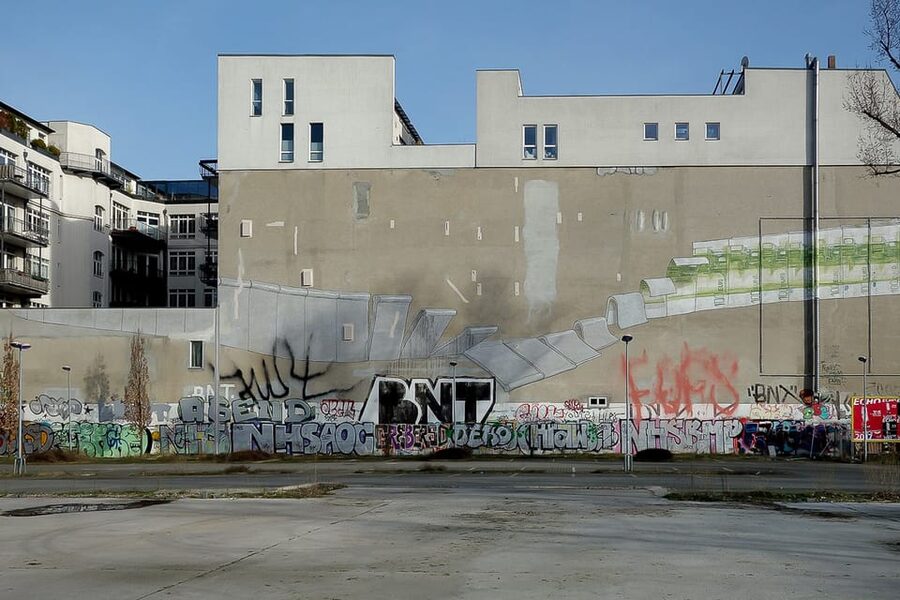
With private format, the biggest advantage is attention. You’re not competing with a large crowd for the guide’s focus.
That matters because street art questions vary a lot by person. You might care about:
- technique and how pieces are made
- political meaning and symbolism
- how Kreuzberg’s history shapes what appears on walls
- how to keep looking after the tour ends
A private group can handle those differences better. If someone wants extra time on a mural, the guide can often adjust the pace. If you want more background, you can ask.
There’s also a small realism check. Private doesn’t automatically mean perfect content. One person’s feedback flagged that the guide’s factual depth didn’t meet expectations. That’s not common across the rating, but it’s a reminder: for subject-heavy tours, you’re booking the guide as much as the route.
Price and Value: When $200 per Group Works
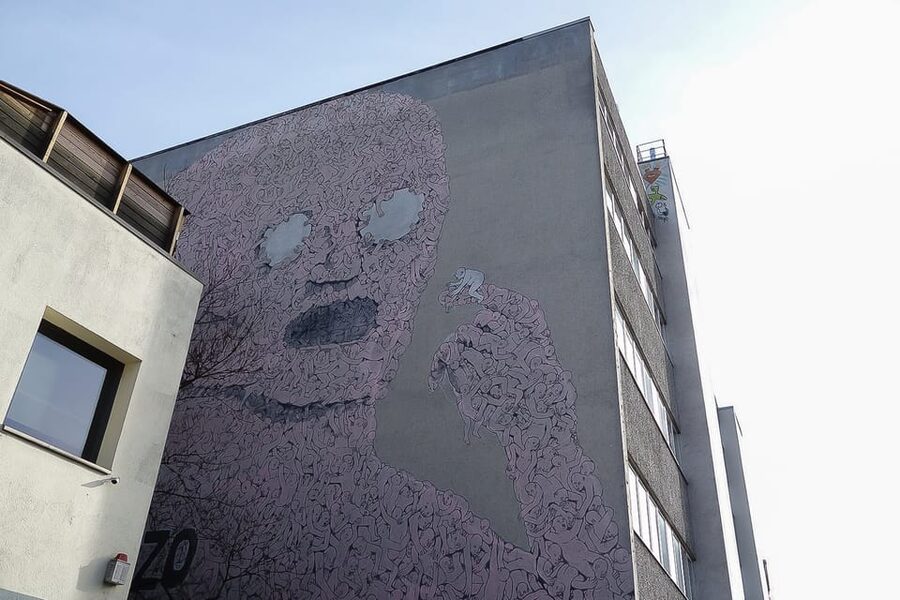
The price is listed at $200 per group up to 5, for a 2-hour walking tour. That pricing style usually means you’re not paying per person like a standard group tour—you’re paying for the guide and time.
So the value depends on how you travel:
- If you’re a couple or small group, it can feel reasonable because you’re splitting the cost.
- If you’re solo, it might feel expensive unless you strongly prefer private attention or you’re traveling with a friend you can pair up with.
What you’re really buying is guided interpretation plus street-level access. Street art is everywhere in Berlin, but having someone explain the politics, history, and techniques can transform what would be random graffiti viewing into something you actually understand.
Also, since luggage or large bags aren’t allowed, you’re likely walking light. That keeps the experience smooth, which is part of the value you’re paying for: fewer hassles, more time watching and learning.
Practical Tips So You Enjoy the Walk
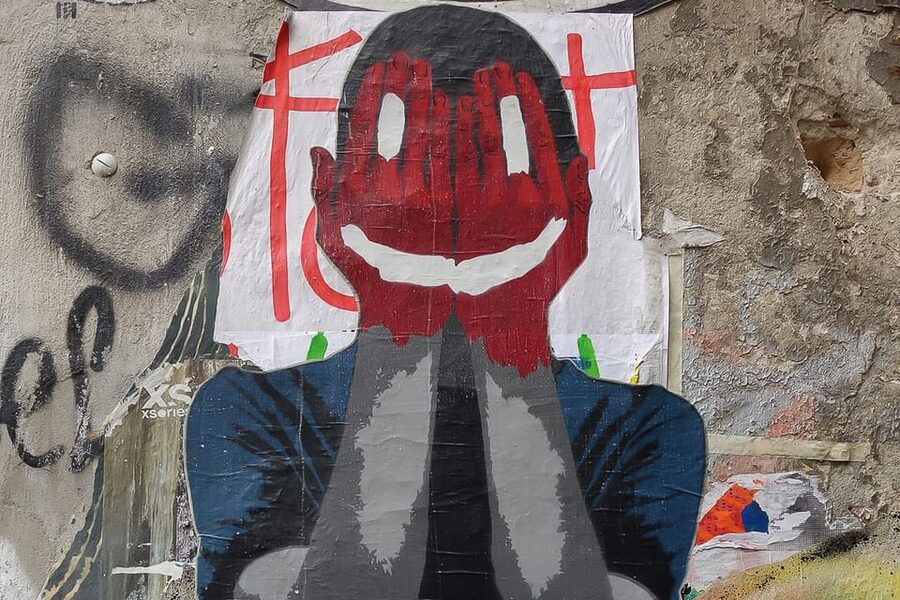
This tour is simple, but a few choices can make it better.
1) Wear good walking shoes
You’re on foot for two hours, and you’ll be moving between street corners and stops.
2) Keep your bag small
Luggage or large bags aren’t allowed, so don’t plan on storing anything bulky.
3) Come ready to talk
If the guide is giving first-hand technique context, the best experience happens when you ask questions. Even a basic question like what to look for in a piece can lead to a better understanding of the next mural.
4) Expect a pace shaped by weather
One review mentions length and heat. It’s smart to bring water and be ready for a route that moves unless the guide adjusts for comfort.
Should You Book This Kreuzberg Street Art Walk?
If you want more than a photo mission, this is the kind of tour that can pay off. You’ll see huge international murals, connect them to Kreuzberg’s history with squatters and the Turkish community, and end up walking by Oberbaumbrücke for a classic Berlin contrast.
Book it if:
- you like street art and want technique and meaning, not just locations
- you travel in a small group and like private guide attention
- you want a short, focused Berlin experience that fits into a busy day
Skip it or consider your expectations if:
- you want very academic, super-deep analysis and you’re picky about guide expertise
- you’re not a fan of walking and prefer seated, museum-style tours
If you do book, arrive at U Schlesisches Tor on time, travel light, and bring your curiosity. This is the kind of tour where looking closely can change everything you thought you knew about graffiti.
FAQ
Where does the tour start?
The meeting point is at the exit of the metro station Schlesisches Tor (Lines U1, U3), next to the elevator.
How long is the walking tour?
It lasts 2 hours.
What language is the guide?
The live tour guide is available in English and German.
Is this tour private?
Yes. It’s a private group tour.
How much does it cost?
The price is $200 per group for up to 5 people.
What’s included in the tour?
You get a 2-hour walking tour about street art, graffiti, cultural sites, and history.
Is the tour wheelchair accessible?
Yes, it is wheelchair accessible.
What items are not allowed?
Luggage or large bags are not allowed.
Is there a cancellation option?
Yes. Free cancellation is available up to 24 hours in advance for a full refund.
Is there anything about late arrival?
Late arrivals will not be refunded, so it’s important to arrive at the start point on time.