
REVIEW · RIO DE JANEIRO
Rio Street Art Tour
Book on Viator →Operated by Rio Street Art Tour · Bookable on Viator
Rio walls tell stories about real life.
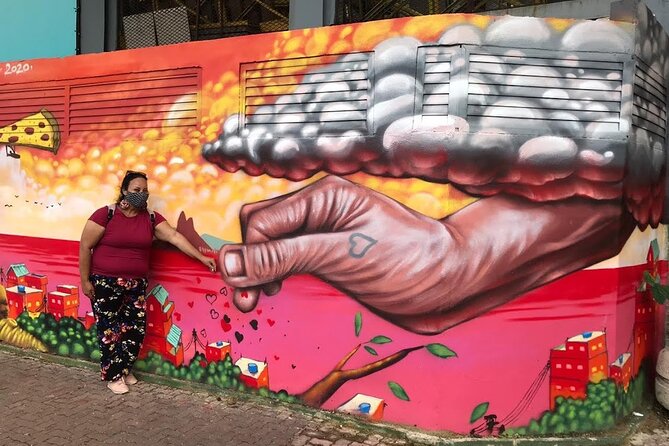
This Rio de Janeiro street art tour is a smart way to understand how folk art and street art shaped the neighborhoods you pass every day, with an expert local guide connecting the dots. You’ll move through multiple areas, not just one highlight, so you leave with a better feel for how Rio thinks visually—on buildings, in houses, and on the street.
Two things I really like: you get a small group (max 15), which makes it easier to ask questions and keep up with the story. And the guide, Nina, has a clear passion for the artists and current scenes, so the art feels personal instead of like random graffiti.
One consideration: the tour doesn’t include hotel pickup and drop-off, and it runs on a good-weather schedule—so you’ll want to plan your transit to the meeting point and stay flexible if conditions change.
In This Review
- Quick reasons this walk is worth your time
- Why street art is Rio’s real neighborhood language
- Meet Nina: the guide makes the art click
- Stop 1: Copacabana street art and the neighborhood’s visual rhythm
- Stop 2: Sao Joao Batista Cemetery and Selaron’s intimate homage
- Stop 3: Botafogo street art, neighborhood stories, and the metro-friendly finish
- Price and value: is $75 per person fair?
- Logistics that matter: meeting point, walking pace, and what to pack
- Who should book this Rio street art tour
- Should you book the Rio Street Art Tour?
- FAQ
- How long is the Rio Street Art Tour?
- How much does the tour cost?
- How many people are in the group?
- Where does the tour start and end?
- What are the main stops during the tour?
- Are there admission fees for the stops?
- Is this tour suitable for children?
- What is the weather requirement?
Quick reasons this walk is worth your time
- Small-group attention that keeps the pacing comfortable
- Nina’s artist-focused explanations, so you start spotting connections fast
- Copacabana murals and neighborhood context in the first stop
- Sao Joao Batista Cemetery with a choice to see Selaron’s intimate homage
- Botafogo ending in a lively area, with more art and local stories
- Free admission for the stops you visit on the itinerary
Why street art is Rio’s real neighborhood language
If you’ve only seen Rio from a lookout, you’ve missed the city’s daily conversation. Street art here isn’t just decoration. It’s community memory—sometimes political, sometimes personal, often both—and it shows up where people actually live, walk, and gather.
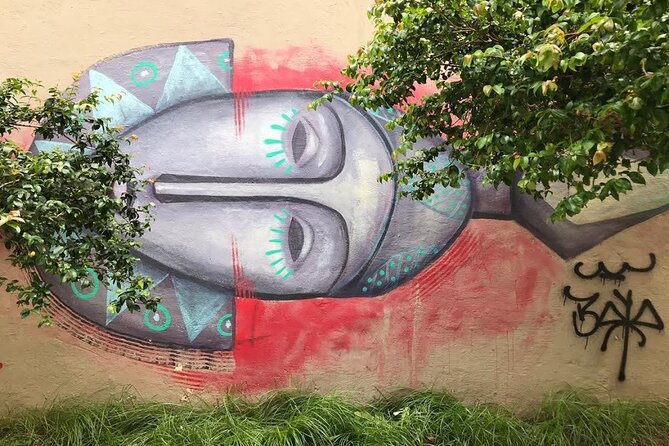
What I like about this tour’s approach is that it treats street art as culture, not just visuals. The guide frames what you see as part of a wider conversation that includes folk art and the way different neighborhoods absorb influences. That means you’re not just looking at images—you’re learning how and why that art found its place in Rio.
Also, the pacing matters. Four hours isn’t long enough to get tired and lost, but it’s enough to cover more than one vibe. You go from a famous beach area to a cemetery tribute and then to Botafogo’s art-forward streets. That sweep gives you contrast, which helps the story stick.
A few more Rio de Janeiro tours and experiences worth a look

Meet Nina: the guide makes the art click
The biggest factor in whether a street art tour feels flat or fascinating is the guide. This one is led by Nina, and she’s the reason so many people rate it a perfect score.
Here’s what you can expect in practice:
- She explains the stories behind the works and the artists, not just where a mural is located.
- She checks in to make sure you’re comfortable and staying energized.
- Her English is clear, so you’re not left guessing what you’re looking at.
- She’s happy to help you recognize artists as you move, which turns the whole walk into a kind of visual scavenger hunt—without turning it into a gimmick.
And because the group is capped at 15, you’re not stuck listening from the back. You get more chances to ask questions, and you’re less likely to lose track when the guide is pointing out small details.
Stop 1: Copacabana street art and the neighborhood’s visual rhythm
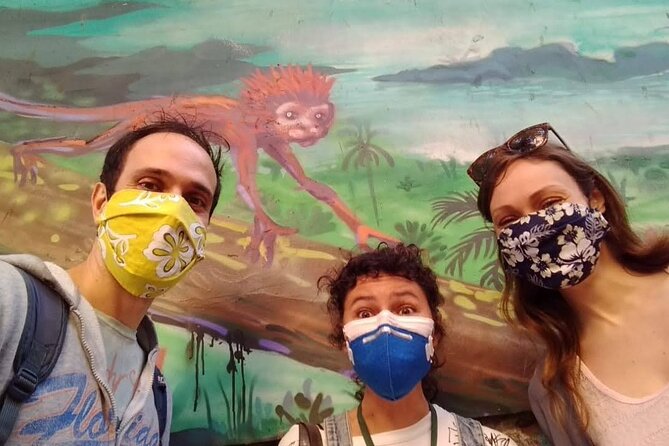
You start in Copacabana, meeting at Rua Siqueira Campos 96. This first leg lasts about 1 hour 30 minutes, and it’s designed to get your eyes working.
In Copacabana, the art tends to reflect the constant motion of a high-visibility neighborhood. You’ll see works around the area and hear how the street art scene connects to the city’s broader identity. The point isn’t to treat Copacabana as a single style. It’s more like a starting lens—how Rio’s walls can be public, expressive, and unmistakably local at the same time.
Practical note: Copacabana can feel busy, and you’ll likely be on your feet while your guide talks. I’d plan comfortable walking shoes and leave a bit of slack in your schedule so you’re not rushed before you start.
What you’ll get here
- A first look at how street art shows up across the neighborhood
- Context for how the city’s street scene works
- A foundation that makes the later stops easier to understand
Possible drawback
- If you’re hoping for long photo time at each exact wall, this is more of a guided story walk. You’ll want to pace yourself and bring your camera-ready mindset, not a full “stand and shoot for 20 minutes” expectation.
Stop 2: Sao Joao Batista Cemetery and Selaron’s intimate homage
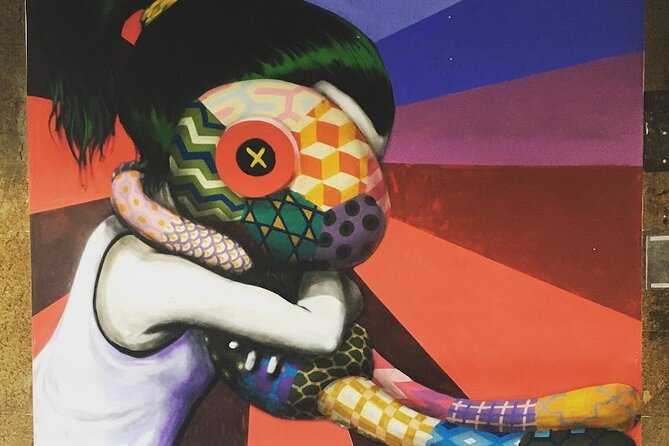
Next comes Sao Joao Batista Cemetery, where the tour runs for about 1 hour 10 minutes. This stop has a special option: you can choose to see an intimate homage to the Chilean artist Selaron at his eternal resting place.
This is the kind of stop that can change how you see the rest of the tour. Cemeteries are quiet, and they carry a different emotional register than busy street corners. When you add a street-art figure like Selaron into that setting, the meaning shifts—from bold public statements to something more personal and enduring.
Why this matters for your understanding:
- It shows how street art can become a lasting cultural mark, not just a temporary trend.
- It highlights the artist connection across borders, since Selaron is a Chilean artist but deeply tied to Rio’s visual world.
- It adds a respectful, human element to what you’ve been studying on streets and buildings.
How to approach it
- Move slowly and follow the guide’s cues. This isn’t the moment to rush for photos.
- If you choose to see Selaron’s tribute, keep it in your mind that the point is connection and context, not “checking a box.”
Possible drawback
- Cemetery stops can feel less exciting if you’re only in it for the loudest street scenes. If you like street art for its stories and meaning, this will land well.
Stop 3: Botafogo street art, neighborhood stories, and the metro-friendly finish
The final stop is Botafogo, lasting about 1 hour 20 minutes. This is where the tour shifts into a younger, busier neighborhood feel—one full of art and stories.
Botafogo can feel energetic in a different way than Copacabana. You’ll keep seeing street art, but the vibe is more local and current, the kind of place where art feels like part of daily life rather than a headline attraction. The guide ties what you’re seeing back into the cultural impact of the street art scene, so you get a sense of how the city’s walls reflect neighborhood identity.
The tour ends at Parcão da Nelson Mandela on R. Nelson Mandela 53-31, and you finish near another metro station. That last detail is surprisingly practical: after 4 hours of walking and focusing, it’s good to know you’re not stuck negotiating a far-away pickup.
What you’ll get here
- A second wave of street art, with different neighborhood energy
- More stories that connect artists, place, and the city’s broader cultural mindset
- A clean finish point near public transportation
Price and value: is $75 per person fair?
At $75 per person for about 4 hours, this tour sits in a mid-range spot for guided experiences in Rio. Here’s how I’d judge the value based on what’s included and how the tour is structured:
You get:
- A local guide (Nina)
- All activities on the itinerary
- Free admission at the stops listed
- A small group capped at 15, which you can feel in how the guide manages the walk
Not included:
- Hotel pickup/drop-off, so you’ll need to reach the meeting point yourself
- Alcoholic drinks (available to purchase)
So what makes it feel worth it for many people? It’s not only “you get to see murals.” You’re paying for interpretation—how to read the art, how to recognize artists and styles, and how to connect street art to the cultural impact on the city. Nina’s explanations and the art choices across different neighborhoods also mean the time doesn’t feel repetitive.
The one reason you might feel it’s not worth it is if you’re the type who wants to go deep into only one area for a long time, or if you want lots of free roaming with no structured context. This tour is guided and story-driven, with a set route.
My take: if you enjoy street art for meaning and local culture, $75 is reasonable. If you’re after a casual photo walk with zero interpretation, you might want something else.
Logistics that matter: meeting point, walking pace, and what to pack
You start at Rua Siqueira Campos 96 in Copacabana. You finish near metro at Parcão da Nelson Mandela in Botafogo.
Because the tour has no hotel pickup, you’ll want to do two simple things:
- Arrive a little early so you’re not late and stressed.
- Map the meeting point in advance. Copacabana has a lot going on, and it’s easy to land at the wrong nearby stop if you’re relying on guesswork.
What to pack (practical, not fancy):
- Comfortable shoes for walking on city streets
- Sun protection for daytime in Rio
- A light layer in case the weather shifts
- If you tend to get dry, plan for water breaks; the guide checks in on comfort
And one timing note: you’re on a route that moves between neighborhood zones. That makes the tour feel efficient, but it also means you shouldn’t plan to multitask with phones or long stops to the point where you fall behind.
Who should book this Rio street art tour
I think this tour is a great fit if:
- You want to see Rio through street art that explains the city
- You like guides who connect visuals to artists and context
- You prefer a small group over a crowded bus-and-photo lineup
It’s also a reasonable choice for many people because it’s designed for most travelers to participate, and children just need to be accompanied by an adult. Service animals are allowed, and the tour is near public transportation.
If you’re someone who hates walking, or you only want beach views and major landmarks with minimal explanation, this might feel like work. But if you want your Rio to have texture—literal and cultural—this is a strong bet.
Should you book the Rio Street Art Tour?
Book it if you want a guided street art walk that actually teaches you how to read what you’re seeing. The small group, the structured stops, and Nina’s art-and-artist storytelling are the core reasons this experience lands so well.
Skip it if your goal is mostly photos with no context, or if you’re counting on hotel pickup to handle your whole day. Also consider that it relies on good weather, so pick dates when conditions are favorable.
If street art interests you even a little, you’ll likely come away with a sharper eye for Rio—and a calmer sense of direction as the city reveals itself wall by wall.
FAQ
How long is the Rio Street Art Tour?
The tour runs for about 4 hours.
How much does the tour cost?
It costs $75.00 per person.
How many people are in the group?
The group size is capped at a maximum of 15 travelers.
Where does the tour start and end?
It starts at Rua Siqueira Campos, 96 in Copacabana. It ends at Parcão da Nelson Mandela on R. Nelson Mandela, 53-31 in Botafogo, near public transportation.
What are the main stops during the tour?
The stops are Copacabana, Sao Joao Batista Cemetery (with an option related to Selaron), and Botafogo.
Are there admission fees for the stops?
The admission ticket for the listed activities/stops is free.
Is this tour suitable for children?
Children must be accompanied by an adult.
What is the weather requirement?
This experience requires good weather. If it’s canceled due to poor weather, you’ll be offered a different date or a full refund.