REVIEW · RIO DE JANEIRO
Rio Street Art Tour
Book on Viator →Operated by Guia Wellington/Berimbautour · Bookable on Viator
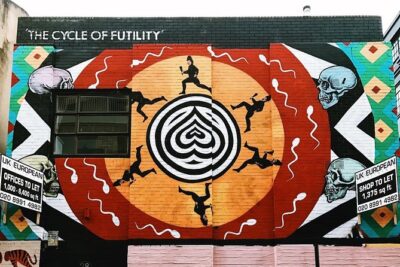
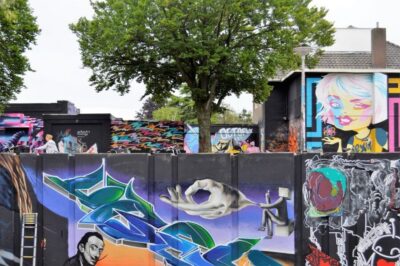
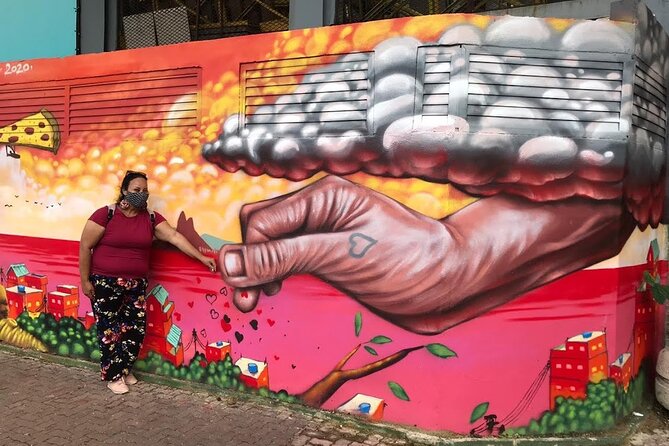
Street art in Rio is not just decoration. This 3-hour Rio Street Art Tour turns murals into a simple, human map of the city, with guide Wellington guiding you through neighborhoods you’d likely skip on your own. You’ll move by subway and VLT (tram), then finish at the area tied to the world’s largest graffiti mural.
I especially love how the tour explains the meaning behind the artwork without turning it into a lecture. And I like the mix of big landmarks (like Escadaria Selarón and Cinelândia) with street-level details you can actually spot while you walk.
One thing to keep in mind: you’ll cover a fair amount of walking and steps, so plan for the weather and bring comfortable shoes. The experience also requires good weather, so rain can change the plan.
In This Review
- Key Highlights You’ll Care About
- Turning Murals Into a Rio Map: What Makes This Tour Work
- Meeting at the Municipal Theater and Getting Your Bearings Fast
- Boulevard Olímpico and Glória: First Legal Graffiti to Museu do Amanhã
- Escadaria Selarón: Why Rio’s Rainbow Stairs Matter Beyond Photos
- Cinelândia: Libraries, a Main Theater, and a Public-Tram Reset
- Olympic Boulevard: Museums Nearby and Why the Route Is Smart
- Porto Maravilha Finish: The World’s Largest Mural and the Afro-Brazilian Angle
- How Wellington Turns Street Art Into Stories You Can Repeat
- Price and Time: Is $68.61 for 3 Hours a Good Deal?
- Who Should Book This Rio Street Art Tour
- Should You Book This Tour or DIY It?
- FAQ
- Where does the Rio Street Art Tour start?
- How long is the tour?
- Is this tour private?
- What transport do you use during the tour?
- Are there ticket costs for the stops?
- Who is the guide?
- What happens if the weather is bad?
- Can I cancel and get a full refund?
- What’s the most likely ending area?
Key Highlights You’ll Care About
- Wellington’s story-first approach connects murals to culture, politics, and everyday Rio life
- Subway + VLT riding keeps you moving like a local, not stuck in one bus stop
- Escadaria Selarón with real context beyond the rainbow staircase photo
- Cinelândia landmarks and central Rio architecture show up along the route
- Porto Maravilha finish at the large-scale mural area (plus Afro-Brazilian context)
- Private tour for your group makes it feel personal, even if you’re solo
Turning Murals Into a Rio Map: What Makes This Tour Work
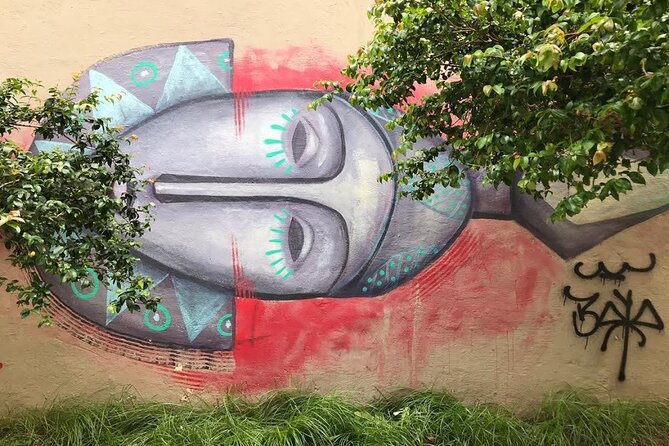
Rio street art can look like pure color at first. This tour helps you read it like a city conversation. You’re not just collecting photos—you’re learning why certain walls, symbols, and faces show up where they do.
What makes it click is the way Wellington links the art to place. You’ll hear about the neighborhood context—architecture, public spaces, and the political or cultural angles reflected in the murals—while keeping the tone friendly and fun. Several stops are also framed as stepping-stones across Rio, so the tour feels like you’re gradually widening your view.
For you, the payoff is clarity. After 3 hours, you’ll know what to look for on your next walk, and which areas are worth a second pass. And if you want a more local vibe, the route leans that way; you’re not locked into the usual checklist only.
A few more Rio de Janeiro tours and experiences worth a look

Meeting at the Municipal Theater and Getting Your Bearings Fast
The tour starts at the Municipal Theater of Rio de Janeiro, Praça Floriano, S/N, Centro. It’s a practical meeting point: central, easy to find, and close to public transportation. That matters because part of the experience is moving through the city the way people actually do.
Before long, you’re taking the subway to the Glória area. Then you switch to the VLT in the middle of the route, which is a smart pacing choice. It breaks up walking, and it gives you a better sense of distance between neighborhoods—things you can’t judge well from maps alone.
Because this is a private tour with only your group, you can ask questions without feeling rushed. If you’re traveling solo, this setup can feel like you’ve hired a friend with a deep Rio brain.
Boulevard Olímpico and Glória: First Legal Graffiti to Museu do Amanhã
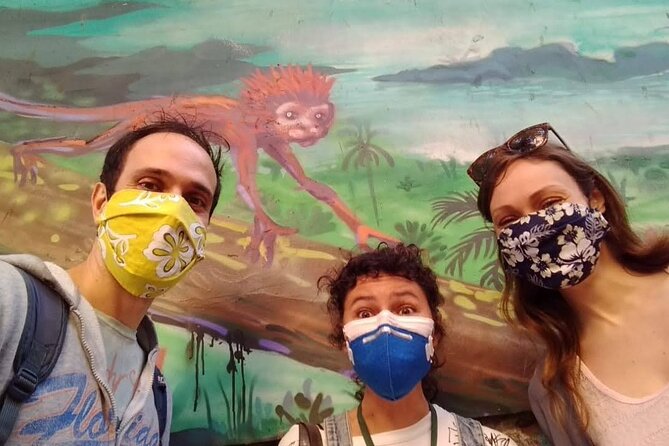
Your first stop is the Boulevard Olímpico area in Glória. The big idea here is the origin story: you start by contemplating the first legalized graffiti in Rio. That instantly reframes street art. It’s not only about tagging or style—it’s about permission, power, and what a city chooses to recognize.
From there, you’ll also notice European architectural influence around Rio as you move through the area. It’s a useful pairing because it helps you see how street art sits next to older urban layers. You’re training your eyes to spot contrast: old facades versus newer visual language.
Then the tour passes by iconic points (including the Selaron Staircase area) while you travel onward. You take the VLT to the etinia panel—described as the largest graffiti mural in the world—and the day ends by the Museu do Amanhã area (Museum of Tomorrow). Admission tickets for the included stops are listed as free, so you can spend your time watching and listening rather than budgeting entry fees.
A practical note: with a short stop like this (about 20 minutes listed), the goal is orientation and context. If you love photos, you’ll want to move quickly to the best angles instead of trying to inspect every detail like a museum. Comfortable shoes help, too.
Escadaria Selarón: Why Rio’s Rainbow Stairs Matter Beyond Photos
Escadaria Selarón is the classic rainbow staircase, and it’s also listed as the city’s third most visited tourist spot. That kind of popularity can sometimes drain the magic. Here, it doesn’t—because the tour treats the stairs like a story, not just a backdrop.
You’ll spend about 20 minutes focusing on the staircase. The value isn’t only what you see. It’s what Wellington explains about what the mural work is doing in the space: who it represents, why it’s shaped the way it is, and how street art can turn everyday infrastructure into something symbolic.
This stop is also where you’ll feel the balance of tourist energy and local meaning. Yes, it’s busy. But the context helps you move from “nice colors” to “oh, I get why this became important.”
Drawback to plan for: the stairs are stairs. Even if you don’t climb far, the area includes foot traffic and steps. If you’re prone to fatigue, keep your pace steady and don’t linger too long at the hardest angles.
Cinelândia: Libraries, a Main Theater, and a Public-Tram Reset
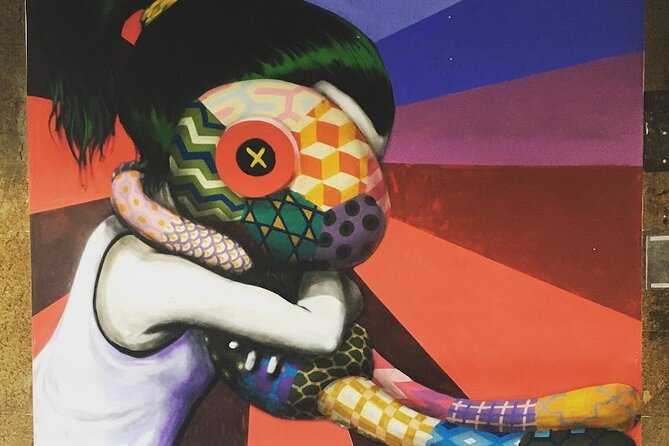
Next comes Cinelândia. This is a very different vibe from the mural-heavy stops: you’re looking at the central cultural core with main libraries and the main theater of the city. It’s a good reminder that Rio’s art culture isn’t only street-level.
You’ll have about 30 minutes here. Then you take the VLT to the Olympic Boulevard. I like this part because it forces a rhythm change. You go from close-up mural reading to big-picture architecture and civic buildings. Then you transition again with public transit.
For you, the “how” matters. Learning to ride the VLT during the tour helps you later repeat the route on your own, or at least understand which areas are closer than they look. That turns the tour into more than sightseeing—it becomes practical navigation.
If you’re hoping for nonstop street art in every minute: this stop is more architecture and landmarks than walls. Still, it supports the tour’s theme—art, in Rio, lives in multiple public forms.
Olympic Boulevard: Museums Nearby and Why the Route Is Smart
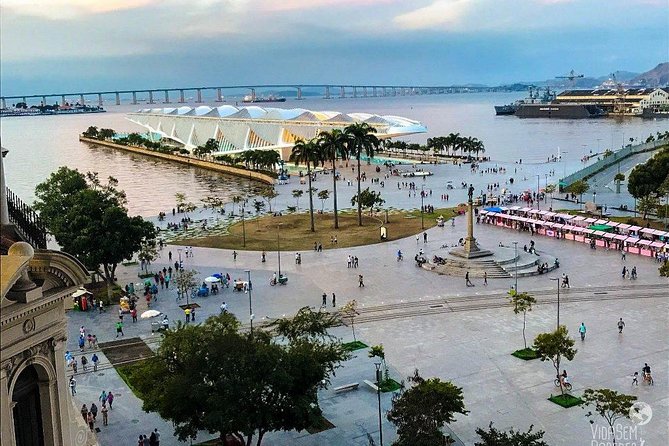
The Olympic Boulevard stop is described as a hub for the city’s main museums. You get about 30 minutes at this point, which makes it more of a transition and viewing window than a full museum morning.
That’s not a flaw. It’s smart tour design. The tour wants you to move between neighborhoods and ideas, not get stuck trying to cram too much inside institutions. If a museum catches your eye, you can come back later with your own time plan.
This stop also fits the tour’s overall pacing. After Glória and the staircase, you’re already walking with purpose. Then you get another short segment to reset your brain—see the museum district energy, then continue toward the final mural finish.
Bring water. Even when the route is manageable, Rio heat can do its own schedule. One review specifically suggests carrying a bottle, and I agree: it’s the simplest way to keep the tour comfortable.
Porto Maravilha Finish: The World’s Largest Mural and the Afro-Brazilian Angle
You finish in Porto Maravilha, where you meet the largest graffiti mural in the world (again, that etinia panel is referenced in the tour narrative). This is the “slow down and look” part: you have about an hour, which is enough time to actually take it in.
Porto Maravilha also comes with cultural context. The tour frames this mural area with a connection to enslaved Africans and broader Afro-Brazilian history. That’s a key part of the tour’s value. You’ll see how street art can function like public memory—recording pain, identity, resilience, and community in big, impossible-to-ignore scale.
If you want to go deeper, ask Wellington about the Little Africa angle. In one version of the experience, the guide also talked about the social and political issues tied to specific works in this area. You’re not stuck with generic facts—you can get focused discussion tied to the murals around you.
One practical thought: because you end in Porto Maravilha and the listed end is a different location, plan your next step in advance. Have a rough idea of where you’ll go after. But the upside is real: finishing here makes it easier to continue your day in a creative district rather than heading straight back to the hotel.
How Wellington Turns Street Art Into Stories You Can Repeat
The standout from the whole experience is Wellington himself. Across the feedback, the same themes show up: he explains the significance of the murals with historical and political context, and he keeps it fun. He also speaks excellent English, and he even gives you openings to practice Portuguese if you want.
That matters because street art is easy to misunderstand. Without context, you can miss the point and only get aesthetics. Wellington’s approach helps you notice symbols, names, themes, and references—and then explains how those details relate to Rio’s culture.
A second reason this tour works is the way he connects the art to what you’re seeing right now. You’re moving through neighborhoods while you learn. That reduces that annoying travel feeling where you hear a fact, then lose the thread five minutes later.
If you enjoy dialogue, you’ll likely have a good time. Several mentions highlight that the guide is approachable and answers questions naturally. And because it’s private, you can tailor your interest—more architecture, more political meaning, or more “how do I navigate Rio like this later?”
Price and Time: Is $68.61 for 3 Hours a Good Deal?
At $68.61 per person for about 3 hours, this is not a budget bargain—but it also doesn’t feel overpriced for what you get. The tour is private, it includes multiple major stops across different Rio areas, and it’s built around public transit plus walking.
The value piece is context. If you’re paying to see murals only, you could probably DIY your way to at least a couple of famous spots. But you’re also paying for interpretation: how the guide frames the history, politics, and architecture around each work so it becomes understandable.
Also, the stops list admission as free. That’s a quiet money-saver in a city where paid entries can add up quickly. You can spend your time on explanations instead of lining up for ticketed museums during your limited hours.
One more value factor: the tour runs well even if you’re short on time. A 3-hour “street art intro” is a format that works for first-timers. It gets you oriented fast and leaves you with ideas about what to explore next.
Who Should Book This Rio Street Art Tour
This tour is a strong fit if you want Rio to make sense quickly. If you’re the type who likes to understand why things are the way they are—especially through murals, public art, and city design—you’ll enjoy this.
It also works for:
- Solo travelers who want a private guide and a city lesson without the awkwardness of group tours
- Friends traveling together who want history and culture without boring pacing
- Families who prefer a structured route but still want local texture
What might not be ideal:
- If you want zero walking and zero stairs, this route may feel tiring. The itinerary includes walking segments and the staircase area is not flat.
- If you dislike crowds entirely, note that major spots like Escadaria Selarón can be busy.
Weather is another factor. The experience requires good weather, so check the forecast and plan flexible timing if you’re visiting in a rainy window.
Should You Book This Tour or DIY It?
I’d book it if you’re coming to Rio for the first time or if you only have a limited number of hours. The biggest reason: street art here is connected to identity and power, and Wellington makes those connections clear while you’re actually in the streets.
Skip it only if your goal is purely photos and you don’t care about meaning. In that case, you might be happier grabbing a guide to one landmark and spending the rest of the day doing your own exploring.
For most people, the decision is easy. You get a private route across multiple neighborhoods, you learn what you’re seeing, and you end with a memorable mural finish in Porto Maravilha. That’s a lot of return for a few hours.
FAQ
Where does the Rio Street Art Tour start?
The tour starts at the Municipal Theater of Rio de Janeiro (Praça Floriano, S/N – Centro, Rio de Janeiro – RJ, 20031-050, Brazil).
How long is the tour?
The duration is about 3 hours (approx.).
Is this tour private?
Yes. It’s a private tour/activity, and only your group participates.
What transport do you use during the tour?
You’ll use public transportation during the route, including the subway and the VLT (tram), plus walking between stops.
Are there ticket costs for the stops?
The listed stops have admission tickets marked as free (including Boulevard Olímpico, Escadaria Selarón, Cinelândia, Olympic Boulevard, and Porto Maravilha finishes).
Who is the guide?
The experience provider is Guia Wellington/Berimbautour, and Wellington is the guide named in the experience feedback.
What happens if the weather is bad?
This experience requires good weather. If it’s canceled due to poor weather, you’ll be offered a different date or a full refund.
Can I cancel and get a full refund?
Yes. Free cancellation is available up to 24 hours in advance of the experience for a full refund.
What’s the most likely ending area?
The tour ends in a different location, and the tour finish is described as being in Porto Maravilha near the world’s largest graffiti mural.