REVIEW · ROME
Doria Pamphilj Gallery Entry Ticket and Audio Guide
Book on GetYourGuide →Operated by Golden Ticket SRL · Bookable on GetYourGuide
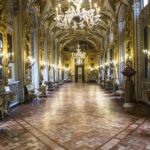
You can feel the power of this palace. The Doria Pamphilj Gallery pairs a quiet, family-style visit with a useful audio guide, plus major-name art like Velázquez and Caravaggio in rooms that still look like they did centuries ago.
I especially love how the audio guide gives you story context, not just titles. I also love walking through originally decorated rooms with a private-collection vibe instead of a big, loud museum. One consideration: if you’re craving a live guide to answer questions, this experience is strictly self-guided.
You’ll be inside the Doria Pamphilj Palace on Via del Corso, with the collection shaped over time—built in the 1500s and expanded under Pope Innocent X Pamphilj in the 1600s. Plan on about 2 hours, and treat it like a “slow Rome” pause: pick a few key works, then let the audio guide connect them.
And yes, it’s worth bringing your ID, because you’ll need it at security.
In This Review
- Key things to know before you go
- Entering Doria Pamphilj Palace feels like stepping into private Rome
- Tickets, timing, and how to handle logistics at Via del Corso
- Your audio guide is the difference between seeing and understanding
- The must-see masterpieces you’ll likely focus on
- Velázquez: Portrait of Pope Innocent X
- Caravaggio: Rest on the Flight into Egypt and Penitent Magdalene
- Raphael: Holy Family with St. John the Baptist
- Titian: Portrait of Andrea Doria and Danae
- Brueghel and Bernini: don’t skip the supporting cast
- Why 400+ works still feel manageable in 2 hours
- What you’ll get inside: gallery access, audio guide, and major-name art
- Price and value: is $35 worth it?
- Practical tips for a smooth, low-stress visit
- Who this works best for (and who should pick something else)
- Should you book this Doria Pamphilj Gallery audio-entry?
- FAQ
- How much does the Doria Pamphilj Gallery entry ticket with audio guide cost?
- How long is the visit?
- Is there a meeting point?
- Where is the entrance located?
- What do I receive with the ticket?
- Are there private rooms included?
- Do I get a live tour guide?
- What ID do I need to bring?
- Can I bring pets, food, or drinks?
- Is flash photography allowed?
- Is free cancellation available?
Key things to know before you go
- Audio guide focus: You get built-in storytelling for the artworks and the Doria Pamphilj family.
- 400+ works in period rooms: You see a lot of art without losing the sense of being in a historic home.
- Big masters, well placed: Expect major names such as Velázquez, Caravaggio, Raphael, Titian, and Bernini.
- 2-hour planning sweet spot: Long enough to enjoy multiple rooms, not so long you’ll get museum-fatigue.
- No live guide: You guide yourself; the audio does the talking.
- No private rooms: You’ll access the main gallery areas, not areas marked as private.
Entering Doria Pamphilj Palace feels like stepping into private Rome
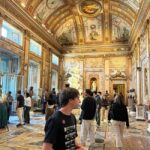
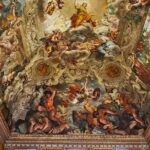
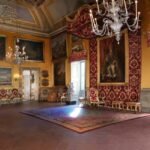
Doria Pamphilj is the kind of collection that reminds you why Rome works. Not everything has to be a giant, crowded circuit to feel special. You’re walking through a palace that was built in the 16th century and then expanded during the 17th century under Pope Innocent X Pamphilj. That matters because the setting isn’t just a backdrop—it’s part of how the art lands.
What you’ll like most is the tone: intimate and family-owned in spirit. It’s not pretending to be a theme park. It’s closer to visiting a carefully maintained home where the art is treated like it belongs there. The atmosphere helps you slow down, look longer, and connect titles to meaning.
I also like that the visit is structured around story. Your audio guide isn’t just reading a label. It’s meant to explain who’s who—artists, patrons, and the people tied to the collection—so you don’t leave feeling like you saw a list.
A few more Rome tours and experiences worth a look


Tickets, timing, and how to handle logistics at Via del Corso
This is a straightforward experience logistically, because there’s no meeting point. You’ll get your entry tickets by email before your visit. When you arrive, you’ll show the ticket at the entrance security.
Go directly to the main entrance at Via del Corso, 305, 00186 Rome. Don’t plan to find a staff member waving you over. Think of it like: arrive, show your ticket, then go inside and start listening.
Time-wise, you’re looking at about 2 hours. That’s a key value point. Big galleries can eat half a day and leave you numb. Here, you can actually absorb. You won’t sprint past everything just because you’re tired.
Also, the activity includes skip the ticket line. That’s practical in Rome. If you’ve ever lost time waiting outside a museum, you know why this matters.
Your audio guide is the difference between seeing and understanding
For me, the audio guide is the heart of this visit. Without it, you could still enjoy the paintings and sculptures. But you’d miss a lot of the “why.” With it, the collection becomes more like a narrative—how patrons collected, how taste evolved, and how artists built their reputations.
Expect the audio to cover:
- The story of the Doria Pamphilj family and how their collection formed
- Context for major works, including what’s happening in the scene and why it mattered
- Connections across artists, eras, and even personal moments linked to the family and their world
One reason this works is that you’re spending time in rooms that keep their original feel. You’re not separating the art from its setting. So when the audio guide tells you something about the art, it lands in the space where it was meant to be seen.
If you’re the type who always reads labels, you’ll still enjoy the guide—because it adds the human layer. And if you normally skip labels, the audio gives you a comfortable way in. The overall feedback for this experience highlights that the explanations are detailed and engaging, and that the guide makes the visit feel more authentic.
The must-see masterpieces you’ll likely focus on
This collection is packed with famous names, and you don’t need to be an art scholar to appreciate them. Here are the key works you should plan around, since the highlights are specifically called out in what’s included.
Velázquez: Portrait of Pope Innocent X
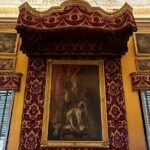
If you only pause for one portrait, make it this one. Velázquez’s Portrait of Pope Innocent X is the kind of painting that hits you in the chest—authority in paint, and a real sense of presence. Portraiture like this isn’t casual. It’s about power, image, and who gets to project control.
In a palace context, that portrait feels even more meaningful because Pope Innocent X Pamphilj is tied to the palace’s expansion history. You’re seeing leadership reflected in the very story of the building.
You can also read our reviews of more guided tours in Rome

Caravaggio: Rest on the Flight into Egypt and Penitent Magdalene
Caravaggio is always a good idea in Rome, and this gallery gives you a couple of strong examples.
- Rest on the Flight into Egypt: Caravaggio’s scenes tend to feel like they’re happening right now. The dramatic calm in a moment like this is part of his magic—sacred subject matter rendered with the intensity of real life.
- Penitent Magdalene: With a subject like Penitent Magdalene, Caravaggio’s realism and emotional focus do the heavy lifting. It’s the kind of work where you benefit from slowing your pace so the expressions and gestures can land.
If you’ve only seen Caravaggio in crowded museum rooms, you might be surprised by how different it feels here. The setting supports quiet attention.
Raphael: Holy Family with St. John the Baptist
Raphael offers a contrast in mood and style. If Caravaggio pulls you into tension and realism, Raphael often feels more balanced and composed. Holy Family with St. John the Baptist is the kind of painting that rewards steady looking—faces, gestures, and the sense of harmony.
This is also a smart checkpoint work. After Caravaggio’s intensity, Raphael can feel like a breath. That contrast is exactly why having multiple masters in one visit works so well.
Titian: Portrait of Andrea Doria and Danae
Titian brings flair and weight. Two standout included works cover different sides of his talent:
- Portrait of Andrea Doria: Another portrait of power, but with Titian’s signature sense of presence and style. It’s the maritime connection of a name like Andrea Doria, translated into paint.
- Danae: A mythological subject that’s often less about plot and more about mood. If you pay attention to posture and atmosphere, it’s easier to see why this subject has attracted artists for centuries.
Brueghel and Bernini: don’t skip the supporting cast
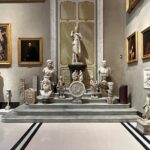
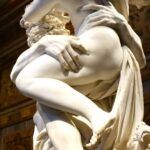
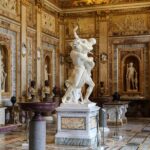
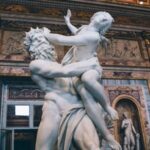
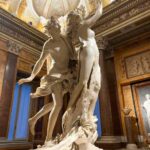
Not every famous name here is only painting. The included collection also lists Bernini busts and sculptures. That’s important because it changes how you experience the gallery—your eyes shift from painted stories to sculpted emotion and physical presence.
And Brueghel is mentioned among the artists you’ll encounter. Even when you’re not sure what to look for, the audio guide can help you understand what makes the work special, which saves time and frustration.
Why 400+ works still feel manageable in 2 hours
You might think 400+ works would be overwhelming. It can be, in big museums where you’re forced into a sprint. Here, the pacing is different because you’re visiting a palace interior with preserved room character. That helps you feel the space, not just the objects.
So instead of trying to “do” everything, you can do this better:
- Pick 3–5 works to focus on with full attention (like the portraits and Caravaggio highlights).
- Use the audio guide to catch the story threads for other works you pass.
- Let the room atmosphere guide where you stop. If a room feels quiet, you’ll naturally take your time.
This is a good plan for you if you:
- Want a high-quality art visit without spending a whole day in lines and crowds
- Like the idea of private collection energy
- Enjoy learning context through narration rather than reading every label
It’s less ideal if you want lots of active interaction, because there’s no live tour guide included.
What you’ll get inside: gallery access, audio guide, and major-name art
Included in your ticket:
- Entry to the Doria Pamphilj Gallery
- Audio guide
- Access to 400 works of art displayed in the rooms
The included notes also call out specific examples across the collection: Velázquez, Caravaggio, Raphael, Titian, Brueghel, and Bernini (including busts and sculptures). So even if you’re not a hardcore museum regular, you’re not guessing whether the highlights are worth it.
Not included:
- Live tour guide
- Access to private rooms
That’s a useful distinction. The gallery is the main event, but you’re not being promised hidden behind-the-scenes spaces. If you love the idea of going beyond public rooms, adjust your expectations.
Price and value: is $35 worth it?
At $35 per person for about 2 hours, this is priced like a serious museum visit, not a bargain. But the value comes from two things you can actually feel during the experience.
First, you get entry plus an audio guide built around the collection’s story. That’s not just convenience. It turns your time into understanding, which is where art visits tend to either succeed or disappoint.
Second, you’re getting major artists in a palace setting with rooms preserving their original atmosphere. That’s a rare combination. In Rome, many places either deliver scale or intimacy, but not both. Here, you can see famous works without losing the sense that you’re in a real historical home.
Also worth noting: the experience has an average rating of 4.7 based on 12 reviews. That’s a decent signal that the format works for people—especially the audio guide part.
So is it worth it? For most art-loving visitors who want value through context and atmosphere, yes.
Practical tips for a smooth, low-stress visit
A few rules and habits can make the experience feel effortless.
- Bring your passport or ID card. A copy is accepted.
- Expect security checks at the entrance. Have your ticket email ready to show.
- Don’t plan to eat or drink inside. Food and drinks aren’t allowed.
- Skip any flash habit. Flash photography isn’t allowed.
- Leave pets at home. Pets aren’t allowed.
Then there’s the smarter part: how to listen.
Use the audio guide like a flashlight, not like a lecture you can’t stop. When you approach one of the big works—especially Velázquez’s Pope Innocent X or Caravaggio’s scenes—turn up your attention and slow down. When you’re passing smaller pieces, let the guide keep you oriented without overthinking.
This is a Rome experience where your best souvenir is how you felt looking at the works, not how many you checked off.
Who this works best for (and who should pick something else)
This ticket-and-audio format is ideal for you if:
- You like art history context, but you don’t need a live lecturer
- You want to spend time in historic rooms rather than only modern galleries
- You’re planning a day in central Rome and want a compact, high-quality stop around 2 hours
- You enjoy self-paced visits at your own tempo
It may be less ideal if:
- You strongly prefer a live guide who can answer questions on the spot
- You only want the fastest possible highlight tour and aren’t interested in story context
- You’re hoping for access to private rooms, since those aren’t included
Should you book this Doria Pamphilj Gallery audio-entry?
I’d book it if you want a Roman art visit that feels human in scale and story-driven. For $35 and about 2 hours, you’re paying for access to a palace collection plus an audio guide that explains the artworks and the Doria Pamphilj family behind them. That combination is exactly how you get real value instead of just moving from room to room.
Book it if you love the idea of seeing Velázquez, Caravaggio, Raphael, and Titian in a setting tied to their era. Book it if you want a calmer alternative to the largest museums.
Skip it if you need a live guide for questions or you’re specifically chasing private-room access.
If your schedule gives you two hours and you want your Rome day to include art with context, this is one of the smarter ways to do it.
FAQ
How much does the Doria Pamphilj Gallery entry ticket with audio guide cost?
It’s listed at $35 per person.
How long is the visit?
The experience is designed for about 2 hours.
Is there a meeting point?
No. There’s no meeting point. Your tickets are sent to you by email before you visit.
Where is the entrance located?
Go to the main entrance at Via del Corso, 305, 00186 Rome, Italy.
What do I receive with the ticket?
You get access to the Doria Pamphilj Gallery plus an audio guide.
Are there private rooms included?
No. Access to private rooms is not included.
Do I get a live tour guide?
No. There is no live tour guide included.
What ID do I need to bring?
Bring your passport or ID card. A copy is accepted.
Can I bring pets, food, or drinks?
No. Pets aren’t allowed, and food and drinks are not allowed.
Is flash photography allowed?
No. Flash photography is not allowed.
Is free cancellation available?
Yes. You can cancel up to 24 hours in advance for a full refund.