REVIEW · ROME
Guided Tour to the Doria Pamphilj Gallery, Rome
Book on GetYourGuide →Operated by E-xplora Tour · Bookable on GetYourGuide
A private collection in a family palace sounds fancy, but it works in real life. I love how the tour lines you up for the Doria Pamphilj Gallery itself, plus you get big-name paintings like Caravaggio and Velázquez without the usual museum chaos. One thing to consider: the pace is brisk and the visit is not set up for mobility issues.
In just 2 hours, you’ll move through opulent rooms with golden tones, silk-draped spaces, and frescoed corridors, while a live guide explains who owned these halls and why the art matters. You’ll also use a separate entrance to skip the line, then finish in a calm courtyard with a café and a bookshop for downtime.
In This Review
- Key things that make this tour worth your time
- Entering the Doria Pamphilj Gallery: private art, not the usual crowds
- Meeting at Fontana del Facchino and starting with less friction
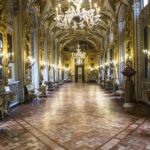
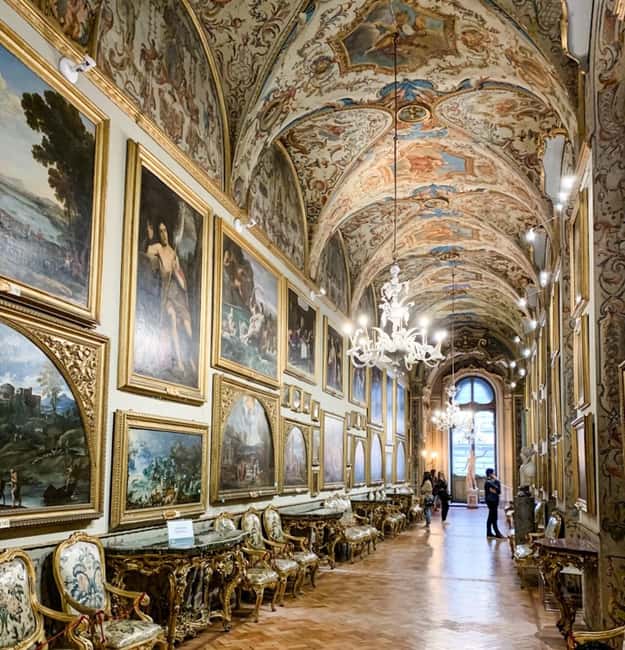
- The palace route: golden halls, silk-draped rooms, and frescoed corridors
- Caravaggio in the spotlight: moments you can actually study
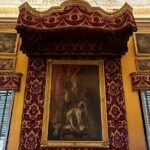
- Velázquez and Pope Innocent X: the portrait you remember
- Beyond the big names: Titian, Bernini, Raphael, and Flemish masters
- The courtyard café and bookshop: a calm landing spot
- What you’re really paying for: value in a 2-hour, guided, private setting
- Who this tour fits best (and who might want a different plan)
- Should you book the Doria Pamphilj Gallery tour?
- FAQ
- How long is the Doria Pamphilj Gallery guided tour?
- Where do I meet for the tour?
- What is included in the price?
- Are tickets timed or flexible?
- What language is the live guide offered in?
- What should I bring, and what is not allowed?
Key things that make this tour worth your time
- Skip-the-line entry through a separate entrance, so you start art time faster
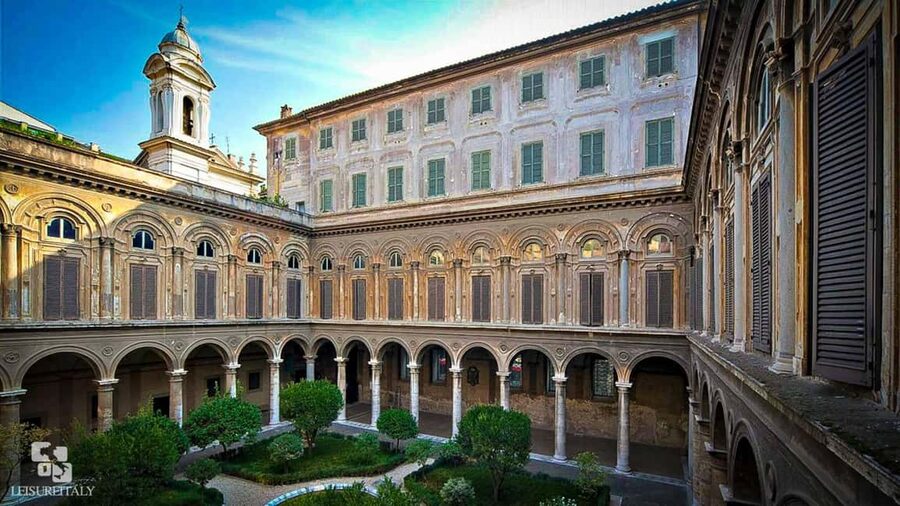
- Largest private art collection in Rome, housed in a palace still owned by the Doria Pamphilj family
- Caravaggio set pieces you can actually see up close, including Rest on the Flight into Egypt and Penitent Magdalen
- Velázquez’s Pope Innocent X, one of the most famous oil portraits associated with his work
- Opulent palace details like glittering chandeliers, golden halls, and frescoed corridors
- Courtyard payoff with a café and bookshop to help you decompress after the gallery rooms
Entering the Doria Pamphilj Gallery: private art, not the usual crowds
If you’ve done Rome’s big-ticket museums already, you know the feeling: you spend more time steering around people than looking at paintings. This is a different setup. The Doria Pamphilj Gallery is a private collection in a real aristocratic palace, still in the family’s ownership, so the mood is calmer and more contained than what you get in larger public museums.
The tour’s value is how it shifts your attention. Instead of treating the visit like a checklist, the guide connects the rooms to the art—who lived here, what popes and princes were doing in those spaces, and how the collection reflects power and taste across generations. That context matters, because many of these masterpieces are famous, but the way you read them changes when you understand the setting.
Plan on comfortable shoes. This is walking through palace rooms, with floors that can feel uneven depending on the layout, and you’ll want your feet ready for a smooth 2-hour circuit.
You can also read our reviews of more guided tours in Rome
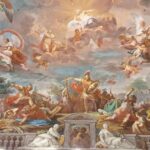
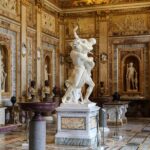
Meeting at Fontana del Facchino and starting with less friction
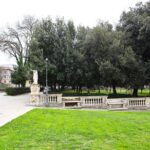
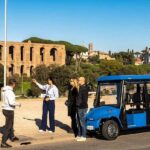
Your meeting point is practical: meet staff in front of the Fontana del Facchino on Via Lata (00186 Rome RM). The team holds a flag with E-xplora written on it, so you can spot them quickly and avoid that awkward guessing game near the fountain.
Then comes a big quality-of-life detail: you use a separate entrance to skip the line. That doesn’t mean you’re rushing through everything. It just means you’re not stuck outside waiting while the main queue moves.
Why this matters in Rome: galleries and palaces can be slow to process at the start. Cutting the wait helps you spend more of your limited time actually inside, looking and listening.
The palace route: golden halls, silk-draped rooms, and frescoed corridors
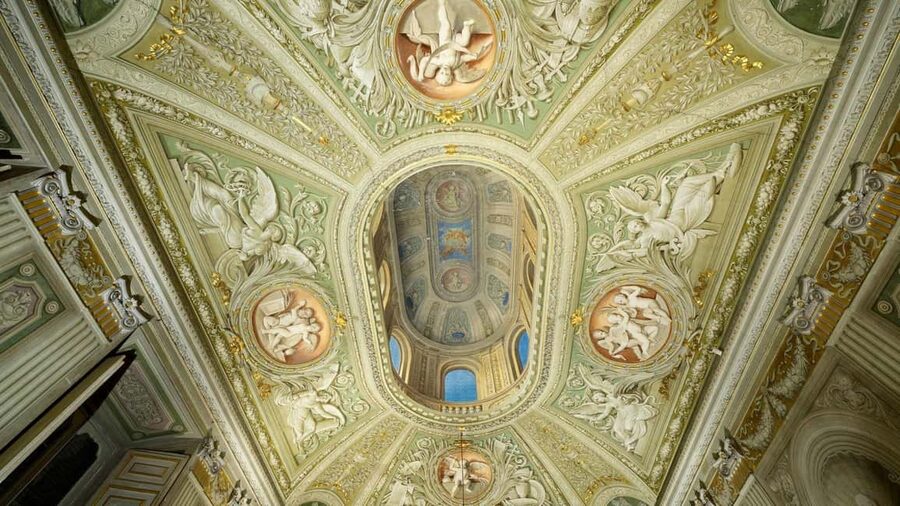
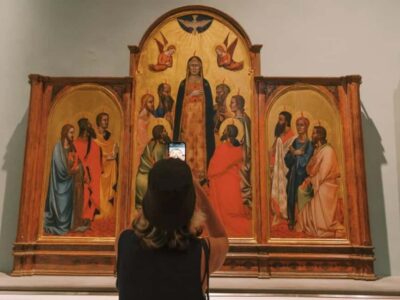
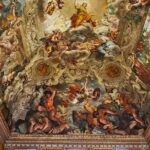
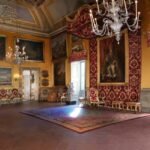
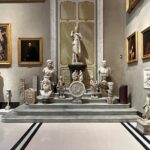
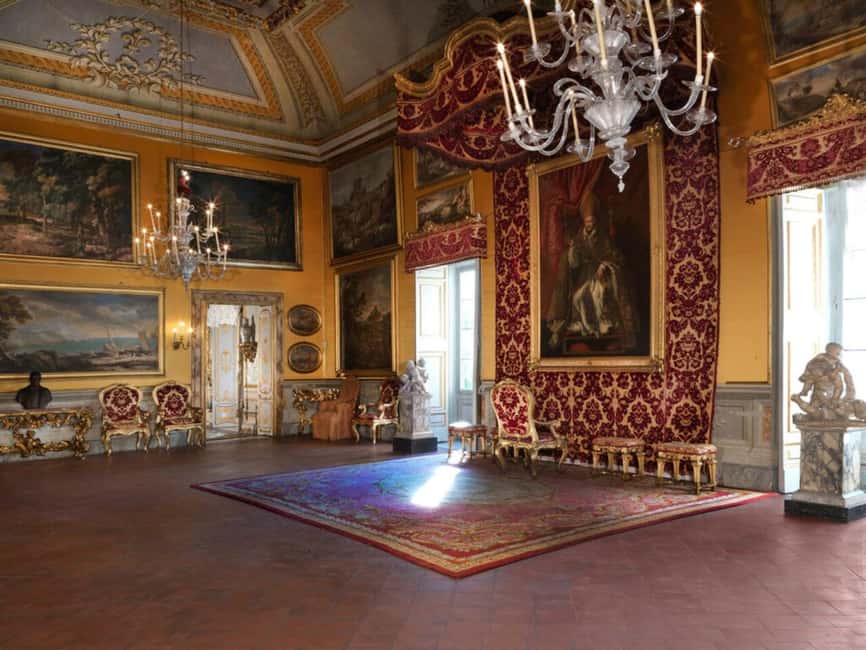
Once you’re inside, the tour is built around the palace experience—because the building is part of the artwork. You’ll pass through opulent spaces described as golden halls and silk-draped drawing rooms, plus frescoed corridors that guide you from one scene to the next.
The palace itself is from the 1500s, and the tour leans into what that means: this isn’t a building that was meant to be museum-white and neutral. It was designed for people who wanted an impressive stage—someone’s world of ceremonies, visitors, status, and power.
A good guided route is never just about decoration, though. As you walk, the guide shares stories about the Doria Pamphilj family and the broader swirl of popes and princes tied to this place. That’s how the art stops feeling like isolated masterpieces on walls and starts feeling like part of a coherent living environment.
Caravaggio in the spotlight: moments you can actually study
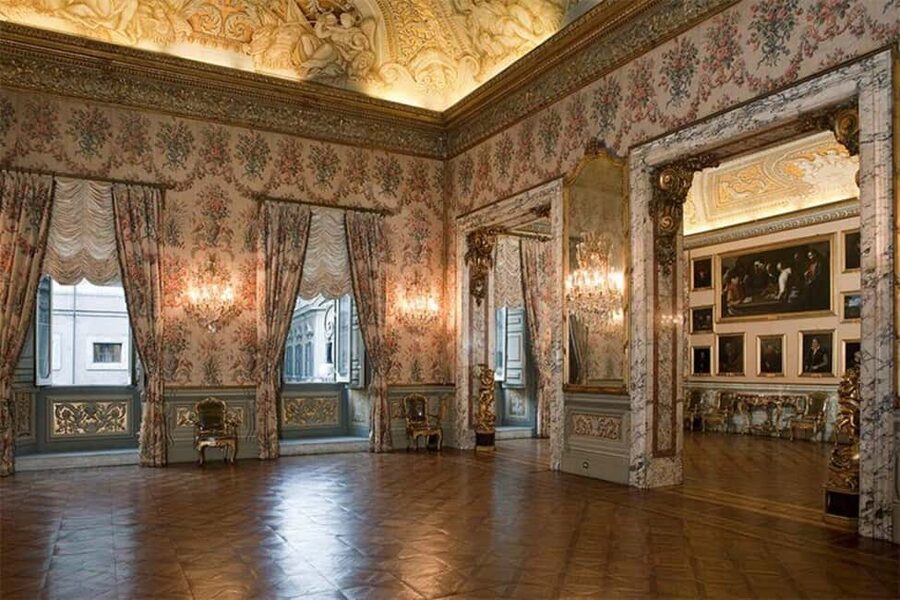
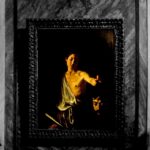
Caravaggio is one of those artists where seeing a painting in a big gallery can feel like watching a legend from across the room. Here, the tour is specifically structured so you can focus on key works.
You’ll spend time with Caravaggio pieces including:
- Rest on the Flight into Egypt
- Penitent Magdalen
What I like about this approach for your planning: it’s not a random “Caravaggio section.” The tour highlights specific works, so you can look longer and ask better questions. In a short visit, you’ll get more out of targeted stops than trying to catch everything.
Also, this palace setting changes the vibe. You’re not only seeing Caravaggio’s dramatic scenes; you’re seeing how that kind of intensity sat inside aristocratic rooms. The guide’s job is to help you notice the small things that make Caravaggio hit—light, emotion, and the way the figures seem to pull you into the moment.
Velázquez and Pope Innocent X: the portrait you remember
If you’re picking one painting to chase in this collection, make it Velázquez’s portrait of Pope Innocent X. The tour treats it as a centerpiece and an oil portrait considered among the greatest of all time.
Even if you’ve read about the portrait before, I recommend letting the guide point out what makes it work. These portraits aren’t just faces; they’re political statements and personality studies. The guide will connect the sitter’s role to the dramatic presence that Velázquez created.
In practical terms, this is the part of the tour where your brain goes quiet in a good way. You stop scanning. You start looking.
And that’s why this gallery visit often feels more satisfying than bigger museum days: the tour time funnels you toward moments with real payoff.
You can also read our reviews of more museum experiences in Rome

Beyond the big names: Titian, Bernini, Raphael, and Flemish masters
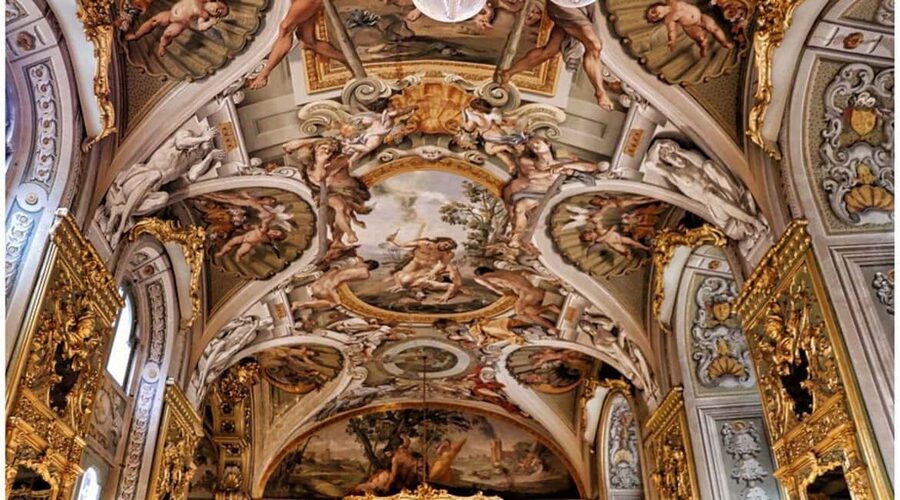
The Doria Pamphilj collection doesn’t run only on two famous names. Expect the guide to bring other masters into the story, including Titian, Bernini, and Raphael, along with works by Flemish masters.
Here’s how that helps you as a visitor: you’ll see a range of styles and priorities—different approaches to paint, character, and drama—while still staying inside a unified palace setting. Instead of bouncing across unrelated sections in a huge museum, the tour creates a narrative flow.
And the guide’s commentary is the glue. They share insights about the works and the palace history at the same time, so you’re not just memorizing facts. You’re building a sense of why this collection was formed and how it gained meaning over time.
This is also where you benefit from a strong guide. One guide named Alessandra has been highlighted for being especially attentive and kind, with strong knowledge of the Palazzo and the artworks. Even if you don’t get her specifically, it’s a clue about the tour’s standard: the experience is meant to be explained clearly, not just shown quickly.
The courtyard café and bookshop: a calm landing spot
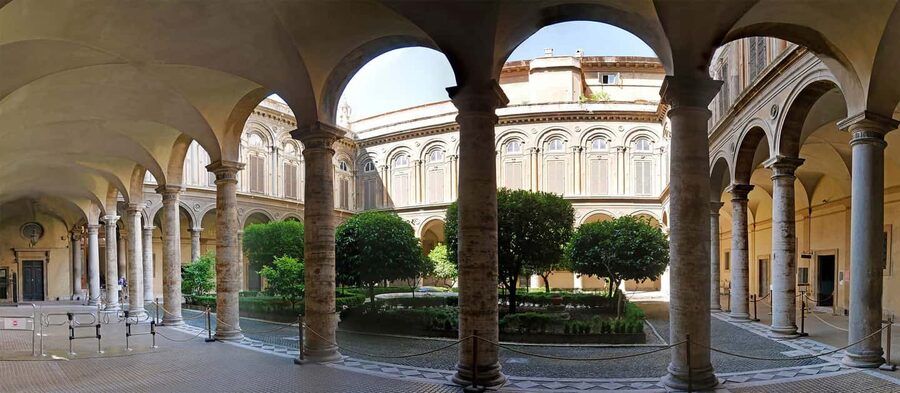
After the gallery rooms, you end in the courtyard with a café and bookshop. This is a smart finish because it gives you a pause after concentrated looking. You’re not rushed out the door into the street immediately.
Food and drinks at the café aren’t included, and the bookshop is optional—so you control how long you linger. I like this kind of ending in Rome: it turns the visit from a sprint into something you can actually let sink in.
If you’re planning your day, this courtyard stop also helps you avoid the common problem of doing one “must-see” and then feeling too wired to do anything else. Take a break, check your photos, and decide what’s next.
What you’re really paying for: value in a 2-hour, guided, private setting
At $87 per person for a 2-hour tour, the price isn’t a bargain-by-volume deal. It is, however, a value buy when you factor in what you’re getting.
Here’s the value math that matters:
- You’re paying for a live guide who connects art and palace history
- You’re paying to access a private art collection rather than a huge public museum
- You’re paying for skip-the-line entry to start quickly
- You get a curated set of highlights rather than wandering randomly
If your Rome days are packed, this kind of guided focus can be more cost-effective than spending extra time getting oriented inside a large museum. You trade a bit of freedom for clarity and pace—which is exactly what works well in a short visit.
The downside is the trade-off you should expect: this is not a self-paced meander where you can spend an hour on one room. The structure is the point.
Who this tour fits best (and who might want a different plan)
This tour is a great match if you:
- want major masterpieces like Caravaggio and Velázquez, not a scattered overview
- enjoy when someone explains art in relation to place and power
- want a calmer art setting away from city crowds
- prefer a guided route in a palace environment to wandering on your own
It may not be the best fit if:
- you need a slow, fully self-paced museum experience
- you have mobility limitations, since it’s noted as not suitable for people with mobility impairments
- you want food included or a long rest period (the café is there, but drinks and food aren’t included)
If you like your Rome days structured but not stressful, this hits a sweet spot.
Should you book the Doria Pamphilj Gallery tour?
I’d book it if you care about quality looking time and you want your art time to feel focused. The mix of a private collection, a palace you can walk through, and highlighted works like Caravaggio’s Rest on the Flight into Egypt, Penitent Magdalen, and Velázquez’s Pope Innocent X makes the 2 hours feel like a concentrated win.
Skip it if you’re chasing maximum freedom or you’re planning a very long, unguided museum day where you want to spend as long as you want on every single room.
If you’re somewhere in the middle—short on time, strong interest in art—this is a smart add to your Rome schedule.
FAQ
How long is the Doria Pamphilj Gallery guided tour?
The tour lasts about 2 hours.
Where do I meet for the tour?
Meet your staff in front of the Fontana del Facchino on Via Lata, 00186 Rome RM. The team will be holding a flag with E-xplora written on it.
What is included in the price?
The price includes a guided tour, access to the private art collection, and viewing of highlights such as Caravaggio works and Velázquez’s portrait of Pope Innocent X, plus commentary about other artists like Titian, Bernini, Raphael, and Flemish masters. You also end with access to the courtyard café and bookshop area.
Are tickets timed or flexible?
You can check availability for starting times, and you can reserve and pay later.
What language is the live guide offered in?
The live tour guide is available in English, Spanish, and Italian.
What should I bring, and what is not allowed?
Bring comfortable shoes. Weapons or sharp objects aren’t allowed, and alcohol and drugs are not allowed.