REVIEW · LONDON
National Gallery Tour in Spanish
Book on Viator →Operated by Tour Londres · Bookable on Viator
Two and a half hours of European art magic. This National Gallery tour in Spanish strings together major works from 1250 to the early 20th century, explained with care by a live guide, so you don’t just look—you understand what you’re seeing. Expect famous names like Jan van Eyck, Botticelli, Leonardo da Vinci, Velázquez, Ticiano, and Van Gogh.
I especially like that you get a tight set of poster-famous paintings—The Arnolfini Marriage, Venus and Mars, The Virgin of the Rocks, The Venus in the Mirror, and the Sunflowers—so the time feels focused. I also love the small group size (up to 20) and that you’ll be walking with a real guide in Spanish, not stuck with a screen or headset.
One consideration: there’s no audio guide or wireless system included, so you’ll want to stay close to the guide and pay attention as the group moves.
In This Review
- Key things to know before you go
- Inside the National Gallery Highlights in Spanish
- The route that covers 1250 to the early 1900s
- What you’ll see at each famous painting (and why it’s worth your time)
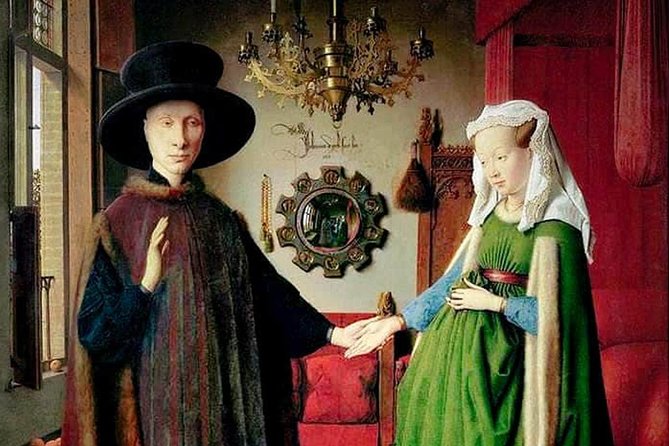
- Jan van Eyck: The Arnolfini Marriage
- Botticelli: Venus and Mars
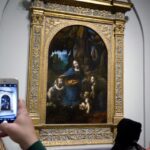
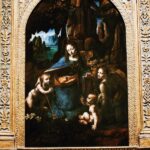
- Leonardo da Vinci: The Virgin of the Rocks
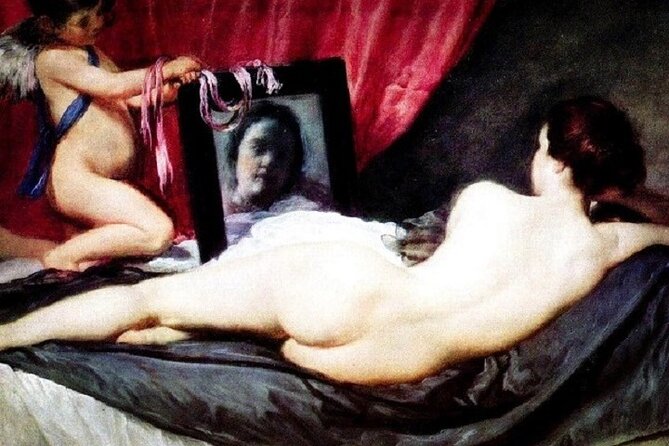
- Velázquez: The Venus in the Mirror
- Vincent van Gogh: The Sunflowers
- Why the live Spanish guide changes the whole experience
- The 4:00 pm meeting point and how to plan your timing
- Price and value: what $25.98 really buys you
- Who this tour is best for (and who should think twice)
- Should you book this National Gallery tour in Spanish?
- FAQ
- What is the tour duration?
- What time does the tour start?
- Where do we meet?
- Where does the tour end?
- Is the tour in Spanish?
- What is included in the price?
- Is an audio guide included?
- Is there a wireless system?
- How big is the group?
- What paintings are included?
- Can I cancel for free?
Key things to know before you go
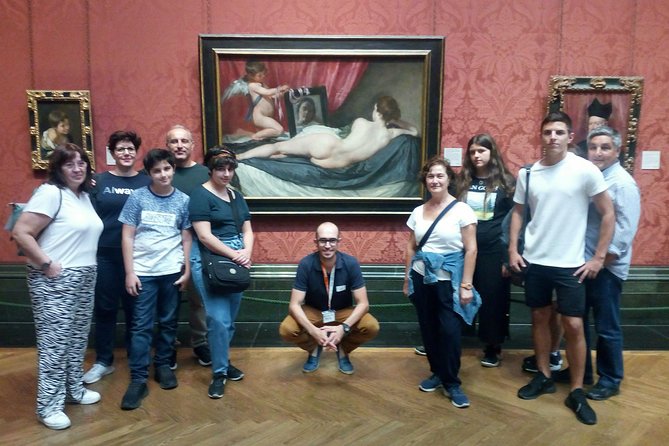
- Spanish guide + museum tickets included: You’re paying for the experience, not just entry.
- A highlight route across centuries: 1250 to the early 1900s, with major schools in between.
- Big names, big moments: Expect works like Van Eyck, Botticelli, Leonardo, Velázquez, and Van Gogh.
- Small group (max 20): Easier to follow and to hear the guide.
- No wireless audio: You can’t wander off far and still catch the explanations.
- Mobile ticket: Handy for a smooth check-in.
Inside the National Gallery Highlights in Spanish
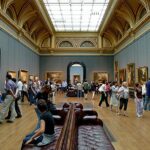
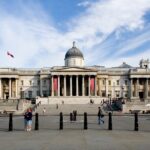
The National Gallery is one of London’s big-hitters. It’s often described as the second most important and visited museum in the UK, and that reputation comes from one thing: the painting collection is built for people who like to look closely—and for people who want someone else to help them look better.
This tour is designed for that. In about 2 hours 30 minutes, you’re not meant to see everything. You’re meant to see the kind of works that act like signposts through European art history. And because it’s in Spanish, the guide’s explanations give you a structure you can carry with you even after you leave the gallery.
That matters because art museums can be overwhelming fast. Hundreds of frames. Different styles. Different ways artists used light, symbols, and composition. A highlight route doesn’t replace slow wandering. It gives you a mental map so later, when you return (or when you study paintings online), the connections make more sense.
You can also read our reviews of more museum experiences in London


The route that covers 1250 to the early 1900s
The tour’s core promise is range: European art from 1250 to the beginning of the 20th century. That’s a huge span, and the challenge is choosing what to focus on.
Here’s what you can expect in terms of headline works. You’ll see major pieces such as:
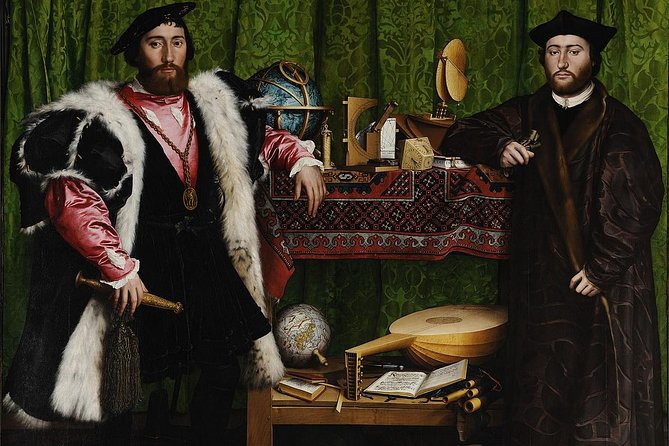
- The Arnolfini Marriage by Jan van Eyck
- Venus and Mars by Botticelli
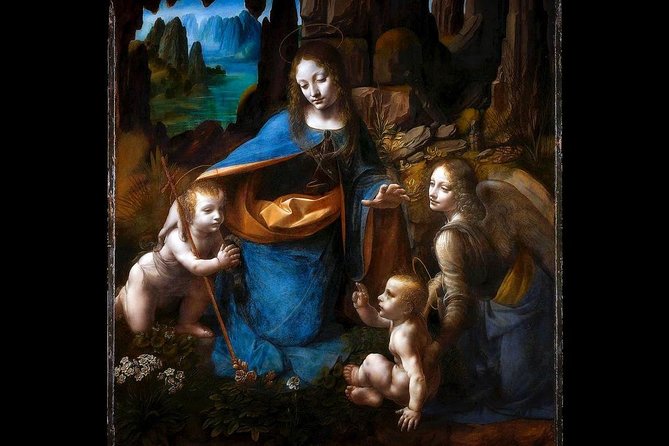
- The Virgin of the Rocks by Leonardo da Vinci
- The Venus in the Mirror by Velázquez
- The Sunflowers by Vincent van Gogh
- plus additional highlights chosen by the guide
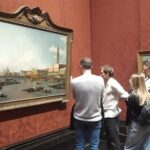
Even if you already recognize a few of these names, a Spanish guide helps you notice what’s going on inside the painting. You’ll also start understanding how the meaning shifts across time. Early Renaissance painting tends to emphasize observation and symbolism. The High Renaissance brings more balance and idealized form. Later periods lean into drama, motion, and psychological intensity.
And since the tour is paced for a group of up to 20, it’s built so you can actually connect the dots. You won’t get lost in the middle of the collection.
What you’ll see at each famous painting (and why it’s worth your time)
Let’s talk about why these specific works are such strong choices for a short tour. These are not just famous titles; each one is a “teaching painting.” It trains your eye.
Jan van Eyck: The Arnolfini Marriage
Van Eyck is famous for close detail and a kind of almost stubborn realism. In The Arnolfini Marriage, the point isn’t only that it depicts a ceremony—it’s that it includes layers of meaning in the way objects, people, and reflections interact.
In a guided Spanish visit, you’ll likely focus on how artists used fine detail to suggest status and intention. This kind of painting rewards people who like to slow down mentally, even if they can’t physically slow down in a two-and-a-half-hour tour.
Botticelli: Venus and Mars
Venus and Mars is mythological, but it’s also about mood. It’s not a battlefield scene in the straightforward sense. It’s more like a story about love, tension, and the choreography of bodies.
A good guide will connect the myth to the artistic choices: how the figures are arranged, how the moment feels like it’s suspended, and how the symbolism works when you stop treating mythology as background noise. In short, it turns a famous subject into something you can decode.


Leonardo da Vinci: The Virgin of the Rocks
The Virgin of the Rocks is one of those Leonardo paintings that makes you rethink what “composition” means. You don’t just see figures—you see a carefully planned relationship between people, landscape, and light.
If you’ve ever wondered why Leonardo’s works feel so psychologically controlled, this is the kind of piece that helps. The tour format usually gives you a way to read the scene without needing an art history degree. And that’s a huge value in a Spanish tour: you get clarity in the language you came for.
Velázquez: The Venus in the Mirror
The Venus in the Mirror is clever in a way that feels modern. Mirrors create distance and complexity, and the painting plays with gaze—who is looking, what is being reflected, and what that says about perception.
This is a strong stop if you like paintings that act like puzzles. A guide’s explanations in Spanish help you follow the logic instead of guessing. You’ll end up understanding why the mirror matters, not just that it’s there.
Vincent van Gogh: The Sunflowers
The Sunflowers are famous for a reason: the color and the paint handling make emotion feel immediate. But they’re also about repetition, setting a mood, and turning observation into attitude.
In a guided setting, you’ll likely get help connecting the visible surface (the flowers, the stems, the way pigment behaves) to the idea behind the work. That turns a “pretty painting” into something you can talk about without sounding like you read a caption and stopped there.
Why the live Spanish guide changes the whole experience
A lot of people assume museum tours are mostly about knowing facts. Facts matter, but the bigger win is how a live guide helps you see.
Here, the guide is included, and it’s in Spanish. That means you’re not just hearing art history—you’re practicing how Spanish sounds in real-life conversation about culture. It’s also a practical way to learn: you can ask yourself questions while you walk, then get answers on the spot.
One more point that I think matters: because the tour doesn’t include an audio guide or any wireless system, the success of the tour depends on staying close enough to hear. That’s not a problem if you’re the type who enjoys listening and keeping pace. It does mean you should avoid hanging back with your phone out.
From the feedback, the guides are a major part of what makes the experience enjoyable. Names like Juan Carlos, Damián, Mario, Belén, and María show up in praise for clear, engaging explanations. Even if you don’t have the same guide, that pattern tells you the company invests in teaching, not just logistics.
The 4:00 pm meeting point and how to plan your timing
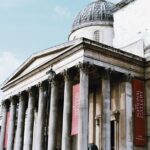
This tour starts at 4:00 pm. The meeting point is the National Gallery Shop at The National Gallery, London WC2N 5DN, UK, and it ends back at the same place.
That end-back detail is quietly helpful. You’re not left trying to find your way through one part of the museum to another, or guessing where the group disperses. It’s also friendly if you have dinner plans later. You can treat the tour like a strong block of time and then reset afterward without stress.
Because the tour is around 2 hours 30 minutes, you’ll finish in the early evening window. If you’re planning your day, you’ll want to pace the rest of your sightseeing around that. Don’t stack something demanding right before the start—give yourself a little breathing room so you arrive ready to listen.
Also, the tour is near public transportation. If you’re coming from elsewhere in London, it’s a good sign you won’t need a complicated journey to make the 4 pm start.
Price and value: what $25.98 really buys you
At $25.98 per person, the big value is that you’re not just paying for entry. The tour includes:
- Museum tickets
- A guide in Spanish
So instead of buying a ticket and then hoping you’ll figure out your own Spanish-friendly art explanations, you get both in one package.
You also get free cancellation, which reduces risk if your plans shift. (You still should cancel in time if you change your mind—more on timing in the FAQ.)
Finally, there’s the group size limit: up to 20 travelers. Smaller groups usually make it easier for a guide to keep attention and for you to hear without fighting the noise.
The only real cost here is your attention. No headset means you’ll want to stay engaged. If you like drifting off to your own thoughts, you may feel slightly constrained. If you like being guided, this setup is a smart match.
Who this tour is best for (and who should think twice)
This tour is ideal if:
- you want Spanish explanations rather than English-only signage
- you want the quickest route to major paintings without getting stuck in decision fatigue
- you like structure—someone tells you where to look and why, then you can enjoy what you see
- you prefer small-group energy over solo wandering
It might be less ideal if:
- you’re hard of hearing or you dislike group listening environments (because there’s no wireless system included)
- you want to linger for long stretches in front of one painting without being moved along
- your Spanish is still very beginner-level and you struggle with spoken explanation at pace
In plain terms: it’s not a slow art-study seminar. It’s a guided highlights experience that makes the museum feel usable.
Should you book this National Gallery tour in Spanish?
If you want the National Gallery to make sense fast, I’d book it. The combination of tickets + a Spanish guide and a compact route through landmark works like Van Eyck, Botticelli, Leonardo, Velázquez, and Van Gogh is strong value for the time you have.
I’d especially recommend it if you’re the kind of traveler who likes to learn while you walk. You’ll come away with a cleaner mental timeline of European art and a better sense of how the paintings talk to each other across centuries.
If you already know you prefer quiet solo time, or if you depend on audio support, then you might prefer a self-guided visit. But for most people—especially Spanish-speaking visitors or Spanish learners—this is one of the easiest ways to get real value out of the National Gallery without spending the whole day just figuring out where to start.
FAQ
What is the tour duration?
It lasts about 2 hours 30 minutes.
What time does the tour start?
The start time is 4:00 pm.
Where do we meet?
You meet at the National Gallery Shop at The National Gallery, London WC2N 5DN, UK.
Where does the tour end?
It ends back at the meeting point.
Is the tour in Spanish?
Yes, the included guide provides the tour in Spanish.
What is included in the price?
Included are museum tickets and a guide in Spanish, plus free cancellation.
Is an audio guide included?
No, an audio guide is not included.
Is there a wireless system?
No, a wireless system is not included.
How big is the group?
The tour has a maximum of 20 travelers.
What paintings are included?
The tour includes works such as The Arnolfini Marriage (Jan van Eyck), Venus and Mars (Botticelli), The Virgin of the Rocks (Leonardo da Vinci), The Venus in the Mirror (Velázquez), and The Sunflowers (Vincent van Gogh), plus more.
Can I cancel for free?
Yes. You can cancel up to 24 hours in advance for a full refund.