REVIEW · LONDON
British Museum & National Gallery of London Semi-Private 8ppl Max
Book on Viator →Operated by Babylon Tours London · Bookable on Viator
Two world-famous museums, one smart route. This semi-private combo pairs the British Museum and the National Gallery in about 5.5 hours, so you get context (not just crowd-surfing) across art and artifacts spanning thousands of years. I like that the group stays small (up to eight), which makes it easier to hear your guide and ask questions. I also love the focus on iconic works like the Rosetta Stone, plus a few compelling sidetracks that make the day feel more like a story than a checklist. The main drawback: it’s a lot of ground in one sitting, so you’ll want a moderate walking pace and plan to keep your expectations realistic.
Your guide starts you off near the British Museum, then you move into a curated highlight run through both collections, with a break for lunch (own expense) before heading to Trafalgar Square for the National Gallery. Guides named Stephanie, Becky, Matilda, Jamie, Jake, Craig, Luis, Elisha, Andy, and Kathy come up again and again for strong storytelling—especially the way they connect objects to the world around them, not just their dates.
If you want a slow museum day with long pauses in a single room, this won’t feel like that. But if you want smart coverage, clear wayfinding, and museum heads-up before your feet wear out, it’s a very solid use of limited time in London.
In This Review
- Key things that make this tour worth your time
- Why this British Museum + National Gallery combo works in one day
- British Museum highlights: 2.5 hours of real human history
- The Rosetta Stone, Lewis Chessmen, and Katebet: what your guide helps you notice
- National Gallery in 2.5 hours: turning famous paintings into clear ideas
- Pacing, lunch break, and how not to feel rushed
- Small group size: why eight people can feel like a private class
- Price and value: what $201.01 buys you
- Who should book (and who should reconsider)
- Practical tips: meeting point, phones, and museum rules that matter
- Should you book this British Museum & National Gallery semi-private combo?
- FAQ
- How many people are in the semi-private group?
- How long is the tour?
- Where does the tour start and end?
- Do I need to buy museum tickets?
- Is lunch included in the tour price?
- Does the tour include hotel pickup or drop-off?
- Is the tour wheelchair accessible?
Key things that make this tour worth your time
- Max 8 guests keeps it personal enough to actually listen and ask questions.
- Two museum icons in one day: the Rosetta Stone, Lewis Chessmen, Van Eyck’s Arnolfini Portrait, and Van Gogh’s Sunflowers.
- 6,000-year British Museum sweep with a guide who explains why objects mattered when they were made.
- National Gallery focus on European painting from the 13th–19th centuries, including masters like Rembrandt, Vermeer, Seurat, Botticelli, Monet, and more.
- Admission ticket is free for the museums; what you’re really paying for is expert guidance and time-saving routing.
Why this British Museum + National Gallery combo works in one day
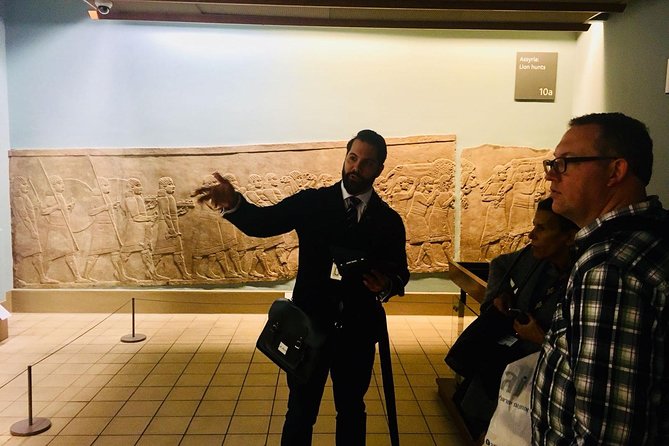
London’s museums can feel like they go on forever. The trick is not trying to “see everything,” but choosing a route that helps your brain organize what you’re looking at. This tour does that by pairing two heavy-hitters with a clear arc: human history and artifacts first, then the evolution of European painting.
In the British Museum, you’re working with objects made for specific cultures—rituals, power, trade, everyday life—so your guide’s job is to translate that context into something you can spot and understand quickly. Then, at the National Gallery, the focus shifts to how artists built meaning with composition, light, technique, and subject matter. If you like the idea of learning how different periods think, this pairing makes a lot of sense.
The small group size matters more than it sounds. When you’re inside museums with loud footsteps and constant movement, a tour with 8 people can still feel conversational. That’s when questions actually help your understanding instead of getting swallowed by the crowd.
You can also read our reviews of more private tours in London

British Museum highlights: 2.5 hours of real human history
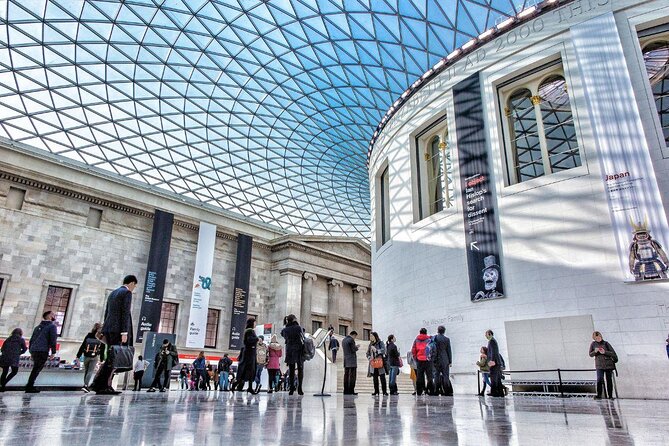
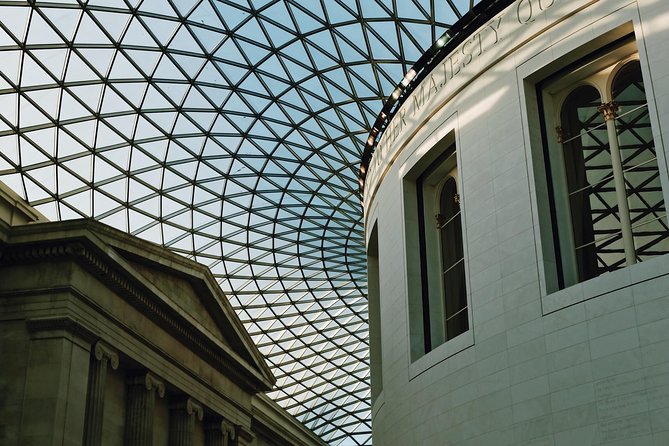
You meet your guide near the British Museum at 10:00 am, and then you set off through a carefully chosen run of galleries. The British Museum’s scale is the obvious issue—there are so many rooms that a first-timer can end up sprinting past the most important things. This tour solves that with a guided “greatest hits + key stories” route, designed to get you oriented without feeling lost.
Expect the British Museum to cover the long view: objects spanning roughly 6,000 years of human history. You’ll see items that feel totally different from one another—Samurai armor on one end of the timeline and Assyrian lion hunting reliefs on the other—so you quickly get the sense that the museum isn’t just about Britain. It’s a global collection that reflects trade, conquest, belief systems, and craftsmanship across continents.
Two things stand out here:
- Your guide turns landmark objects into understandable narratives, not just impressive facts.
- You get just enough time on the major pieces while still learning what makes the lesser-known selections interesting.
One practical note: the British Museum security rules mean no large bags or suitcases. Expect only handbags or small, thin bag packs to make it through. If you’re traveling light, you’ll stay happy. If you’re not, plan for extra friction.
The Rosetta Stone, Lewis Chessmen, and Katebet: what your guide helps you notice
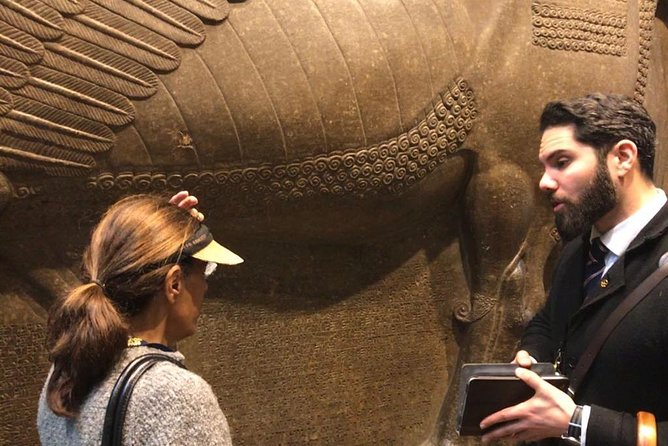
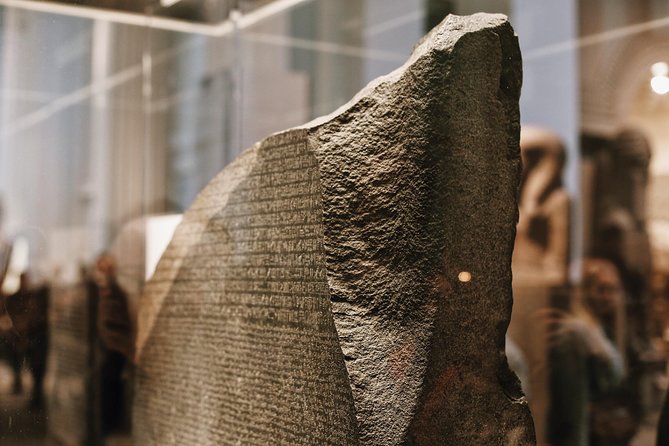
The British Museum portion includes standout items that most people recognize by name but don’t always understand in context. You’ll see the Rosetta Stone—famously the key to interpreting Egyptian hieroglyphs—and your guide will frame it as an artifact of communication across languages and power, not just an early tech breakthrough.
You’ll also get the Lewis Chessmen, which can look like neat medieval artifacts until someone explains why they matter: how they reflect culture, skill, and the worlds that produced them. And there’s the Mummy of Katebet, an example of how the museum’s collections aren’t only about art or politics, but also about human life, belief, and what people wanted to preserve.
A big part of the value here is the way the guide points out what to watch for while you’re standing in front of the object. Instead of you guessing what the details mean, you learn how symbols, materials, and design choices connect to what the object was for. That’s the difference between seeing something and actually understanding it.
One more detail that can make the experience smoother: there are rooms in the museum where speaking is restricted or quiet rules are followed. Your guide should explain these ahead of time so you don’t have to figure out museum etiquette on the fly.
National Gallery in 2.5 hours: turning famous paintings into clear ideas
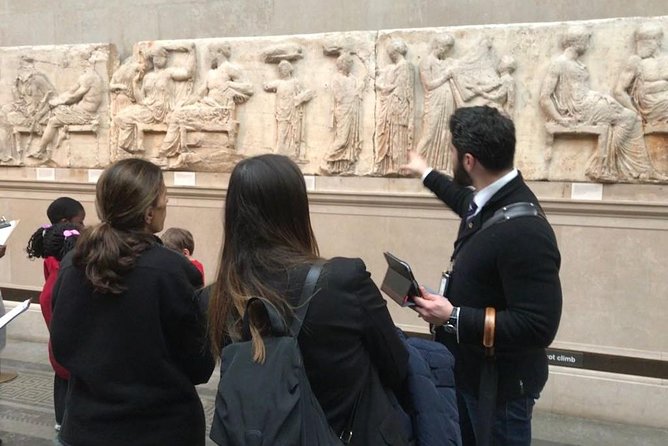
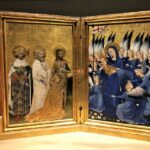
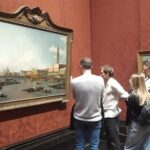
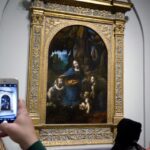
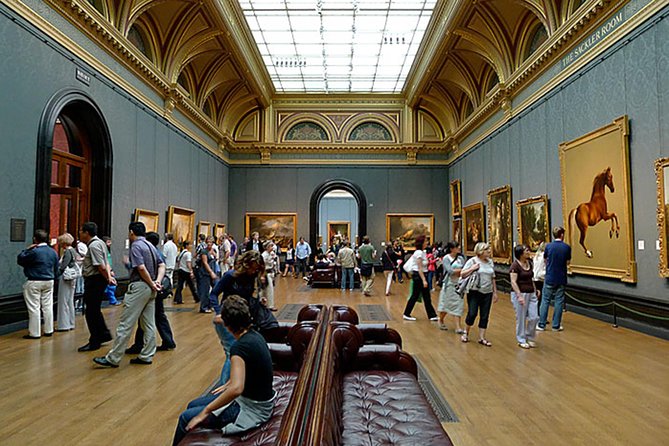
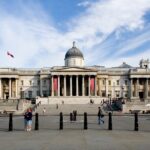
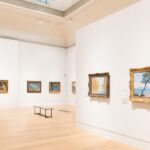
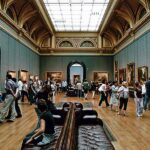
After your morning at the British Museum, you break for lunch on your own, then reconvene with your guide for the National Gallery visit in Trafalgar Square. The National Gallery is a painting museum, but it’s still huge in terms of art time span: it houses over 2,300 paintings across European genres from the 13th to the 19th centuries.
Your guide starts with the bigger picture—what kind of painting you’re looking at, why these artists were famous, and how styles and techniques changed over time. Then you move through a highlight-focused tour of works by major masters. If names like da Vinci, Botticelli, Monet, Rembrandt, or Vermeer sound familiar but vague, this is where the tour tends to click, because your guide connects the painting to the “how” and “why” behind it.
The National Gallery highlights you should be prepared to see include:
- Jan van Eyck’s Arnolfini Portrait (painted in 1434), a famous depiction of a Bruges merchant and his wife.
- Vincent van Gogh’s Sunflowers (one of four paintings of the flowers, painted in 1888).
- Plus works and artists your guide likely folds into the route, including Rembrandt, Vermeer, and Seurat.
If you’re the type who stands in front of a painting and thinks, I know I should be looking at something specific, this tour helps. It doesn’t just say what a painting is. It gives you a lens for seeing: composition choices, subject details, and the artistic techniques that make these works more than just famous images.
One extra reality check: museum renovations and room changes can happen, and collections can vary across the year. When that happens, a strong guide adjusts so you still hit the key moments.
Pacing, lunch break, and how not to feel rushed
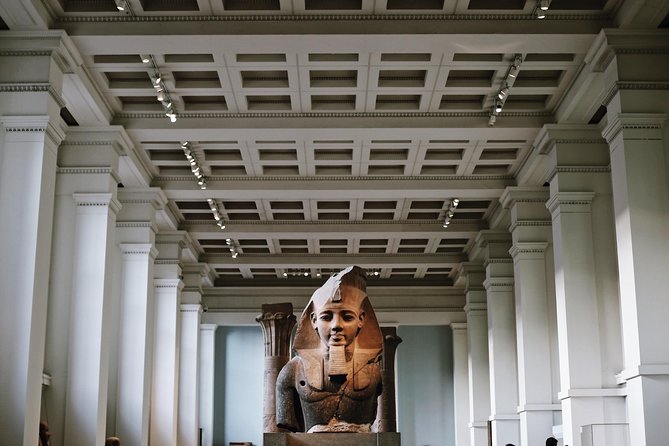
This experience runs about 5 hours 30 minutes total, which includes the lunch break. The museum-to-museum shift is half the challenge: you’re switching from artifacts and archaeology to painting and art history, and your brain needs a reset.
The tour includes a break for lunch, but lunch itself is not included. That’s good news if you like choosing where and what to eat, but it also means you’ll want to plan your timing. If you wait too long, you can lose time hunting for a place that works for your pace.
Also keep in mind the general rule: even with a guide, you can’t slow down every famous room. This tour is designed to prioritize the highlights so you leave with a coherent sense of what you saw. That’s why it works well for first-timers, and also why it can frustrate people who want to camp out in front of one artwork for a long time.
On timing: it starts at 10:00 am and ends at the National Gallery (Trafalgar Square). No hotel pickup or drop-off is included, so you’ll either walk from nearby transit or use a taxi/rideshare to get there and get out efficiently.
You can also read our reviews of more museum experiences in London



Small group size: why eight people can feel like a private class
“Semi-private” here means group size never exceeds eight. In practice, that changes the feel of the tour. You can actually hear your guide inside busy galleries. You’re less likely to be forced into the back of a line where you can’t see what the guide is pointing at. And you can ask simple questions without turning the visit into a classroom interruption.
This is where many guides tend to shine. Across the different guide names credited in people’s experiences—like Stephanie, Becky, Matilda, Jamie, and Craig—common themes show up: guiding you to the main pieces quickly, adding context that makes the objects click, and staying flexible when the museum environment shifts.
That last point matters. Even when a tour is well planned, museums change. You might hit temporary restrictions, security lines, or altered access within rooms. A group of eight is easier to manage through these bumps without losing the whole day.
Price and value: what $201.01 buys you
At $201.01 per person for about 5.5 hours, you’re paying for a guide-led experience across two museums. The museums’ admission ticket is free for this tour, so you’re not paying entry fees on top of everything else.
That makes the cost easier to justify if:
- You only have one half-day window in London.
- You don’t want to spend that time planning routes and figuring out what to prioritize.
- You like learning from a person who explains context and technique while you’re standing right there.
It’s not the cheapest option if you’re the type who loves wandering and reading placards for hours. But if you’d otherwise bounce between museums without a plan, this usually feels like better value than trying to DIY and accidentally missing the most meaningful parts.
A quick decision rule: if you’re likely to spend time getting oriented on your own, the guided routing often wins. If you’re the confident museum wanderer who already knows your must-sees, you might get similar satisfaction going independently—just with less guidance.
Who should book (and who should reconsider)
This tour is a great match if you:
- Want to cover two of London’s biggest museum draws in one day.
- Appreciate learning history through artifacts and art through technique and meaning.
- Prefer small-group movement over large-group chaos.
- Enjoy meeting your guide’s selection of “highlights” plus a few extra points that make the day feel richer.
It’s not a great fit if you:
- Need wheelchair access or have walking disabilities, since the tour is not available for wheelchair users or those with walking disabilities per the tour notes.
- Want a slow pace with lots of free time in galleries. This is a structured highlights route, not an open-ended museum day.
- Have big bag baggage. Large bags and suitcases aren’t allowed inside, so you’ll want a bag that passes security comfortably.
If you’re traveling with kids, the tour notes don’t specify ages, but some guide experiences in the wild mention patience with children. Still, because it covers a lot of space in one day, it can be best for older kids who can handle museum walking and attention spans.
Practical tips: meeting point, phones, and museum rules that matter
You’ll meet your guide at the British Museum near Stop W (London WC1B 3BP) at 10:00 am, then finish at the National Gallery near Trafalgar Square (London WC2N 5DN). Since hotel pickup and drop-off aren’t included, plan how you’ll get between those points.
One detail that’s easy to overlook: you’re required to provide a mobile phone number (with country code). That’s about staying in touch, so have that ready at booking.
Before you go, keep these logistics in mind:
- Museum security may slow lines, and skip-the-line access isn’t guaranteed.
- Dress appropriately for entry at sites you’re visiting.
- Expect that some rooms inside the British Museum have quiet or restricted speaking rules.
- Temporary exhibitions aren’t included, and what you see can vary over the year.
Also, this tour tends to book fairly far out (on average about 63 days ahead). If your dates are fixed, it’s smart to lock it in early.
Should you book this British Museum & National Gallery semi-private combo?
Book it if you want a guided, high-impact London museum day that balances human history and European painting without wasting time figuring out what to see first. The small group cap, the clear spotlight on major works like the Rosetta Stone and the Arnolfini Portrait, and the way guides explain context all make this feel like good use of limited vacation hours.
Skip it if you’d rather spend a full day in one museum at your own pace, or if mobility limitations make a long, structured walk difficult.
FAQ
How many people are in the semi-private group?
The tour is semi-private with a maximum group size of eight travelers.
How long is the tour?
The total duration is about 5 hours 30 minutes, including a lunch break.
Where does the tour start and end?
It starts at the British Museum near Stop W (London WC1B 3BP) and ends at the National Gallery at Trafalgar Square (London WC2N 5DN).
Do I need to buy museum tickets?
Museum admission tickets are free for this tour, and the price covers the guided experience.
Is lunch included in the tour price?
No. There is a break for lunch, but lunch is not included. You’ll buy your own lunch during the break.
Does the tour include hotel pickup or drop-off?
No. Hotel pickup or drop-off is not included. The tour notes suggest using Uber or taxi.
Is the tour wheelchair accessible?
No. The tour is not available for those with walking disabilities or using a wheelchair.