REVIEW · LONDON
London: The Courtauld Gallery at Somerset House Entry Ticket
Book on GetYourGuide →Operated by The Courtauld · Bookable on GetYourGuide
London’s art feels surprisingly close here. The Courtauld Gallery at Somerset House is a slick way to see major works without hopping between multiple museums, and I really like the Somerset House setting for how it frames the visit. I also like being face-to-face with big hitters like A Bar at the Folies Bergère and Self-Portrait with Bandaged Ear in rooms built for looking.
You’ll start with the Impressionist and Post-Impressionist strengths in the LVMH Great Room, then move upward to the Blavatnik Fine Rooms for Renaissance to 18th-century art. The experience is nicely staged: you can follow the story of art through centuries, while still getting those name-recognition moments like Botticelli’s The Trinity with Saints and the dramatic Descent From the Cross by Rubens.
One consideration: the ticket covers the Courtauld permanent collection only, so if you’re hoping to see temporary exhibitions running during your dates, plan for that separately.
In This Review
- Quick hits before you go
- Walking into Somerset House for your Courtauld stop
- The LVMH Great Room: where the Impressionists make the first move
- Manet and Van Gogh: two styles, two kinds of attention
- The UK strength you’ll notice: Cézanne
- Going upstairs to the Blavatnik Fine Rooms
- Botticelli’s Trinity: the ethereal highlight
- Cranach and Rubens: Adam and Eve meets dramatic stakes
- Bruegel’s Landscape with a flight into Egypt
- The Ruddock Family Gallery: Medieval and early Renaissance focus
- 20th-century art and the Bloomsbury Group shift
- Price and value: is $16 worth it?
- How to plan your one-day route without feeling rushed
- Practical notes that help your visit go smoother
- Should you book the Courtauld Gallery ticket?
- FAQ
- Where is the Courtauld Gallery?
- How much does the ticket cost?
- How long is the ticket valid for?
- What does the ticket include?
- Are temporary exhibitions included?
- Is there an audio guide, and what language is it in?
- Is the Courtauld Gallery wheelchair accessible?
- Can I cancel for a refund?
- Can I reserve now and pay later?
Quick hits before you go
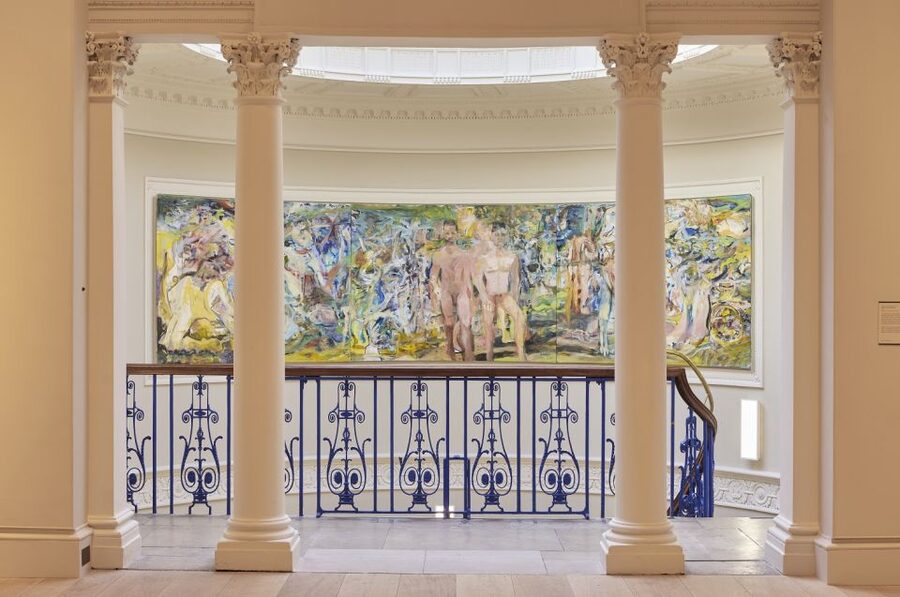
- LVMH Great Room focus: Impressionist and Post-Impressionist masterpieces, including key works tied to Manet, Van Gogh, Cézanne, and more
- Blavatnik Fine Rooms (2nd floor): Renaissance to 18th-century art in a dedicated suite of rooms
- Iconic religious art moment: Botticelli’s The Trinity with Saints is the kind of work that rewards slow looking
- Renaissance power players: Lucas Cranach’s Adam and Eve and Rubens’ The Descent From the Cross sit in the same upstairs world
- Medieval to early Renaissance flow: the Ruddock Family Gallery helps you connect earlier styles to later ones
- 20th-century and the Bloomsbury Group: later art galleries shift the mood and keep the visit from feeling stuck in the past
Walking into Somerset House for your Courtauld stop
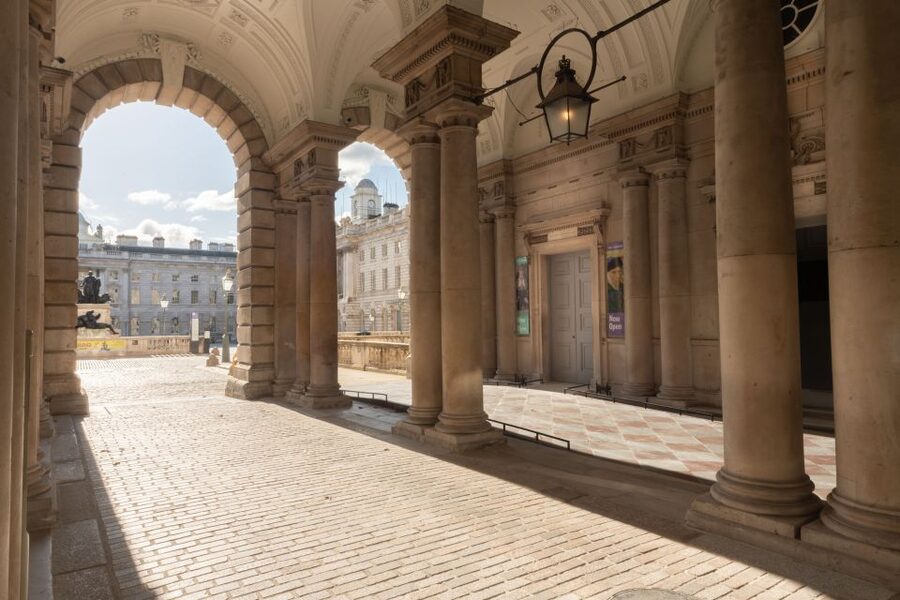
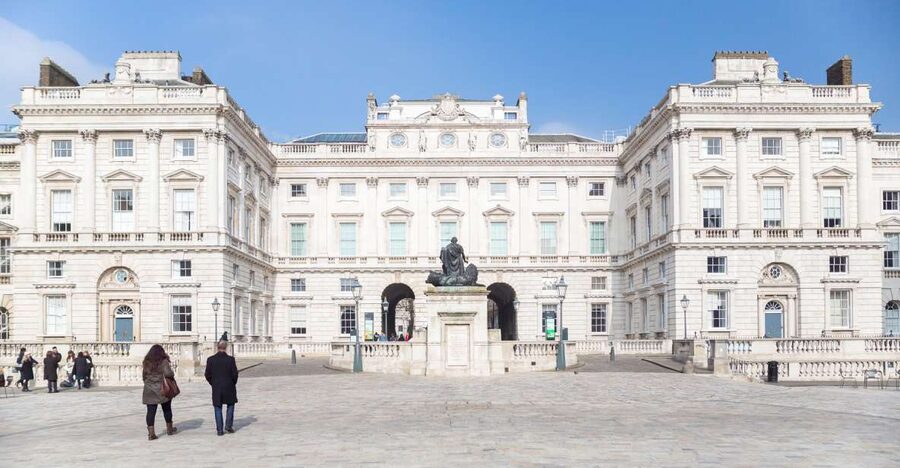
The Courtauld Gallery is inside Somerset House, so you’re not just entering a museum—you’re stepping into a larger complex with that classic London feel of busy exterior space giving way to calmer rooms inside. That matters because it changes the tempo. You can arrive, get oriented fast, and then spend your energy on art instead of navigating a maze.
If you want an efficient visit, this setup helps. Somerset House is easy to spot in your day plan: you know you’re going to one address, one gallery, and one ticket that gets you into the Courtauld’s permanent collection.
And since this experience includes an English audio guide, you don’t have to rely on a live guide to connect the dots. In practice, that means you can move at your own speed—slow where you want, quick where you don’t.
A few more London tours and experiences worth a look


The LVMH Great Room: where the Impressionists make the first move
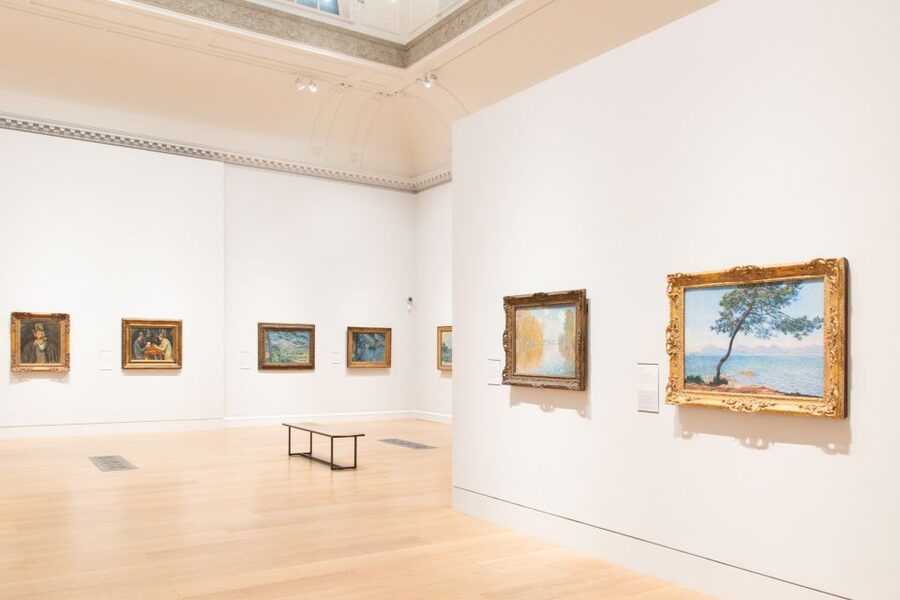
The visit kicks off with the Impressionist and Post-Impressionist highlights in the LVMH Great Room. This is a smart choice of entry point because it gives you immediate momentum. Instead of starting with background information or early art you might not be ready for, you start with artists whose fame still lands—Manet, Van Gogh, Cézanne—so you feel oriented by the time you move to earlier centuries.
This room is where the Courtauld shows its real calling card: the kind of collection that lets you compare styles without needing a lecture. You’ll get to see works that sit at key crossroads—where color, brushwork, and modern subject matter are changing what painting can do.
Manet and Van Gogh: two styles, two kinds of attention
Two works that strongly anchor your experience are A Bar at the Folies Bergère by Manet and Self-Portrait with Bandaged Ear by Van Gogh. You’ll feel the difference right away.
Manet’s scene (A Bar at the Folies Bergère) brings you into that Parisian theater atmosphere people always associate with the era. Even if you don’t know the backstory, you can still enjoy the way the painting plays with presence—who is looking, what’s in focus, and how the room feels like it has its own mood.
Van Gogh’s Self-Portrait with Bandaged Ear is a different kind of experience: less about crowds and spectacle, more about personality on a very human scale. It’s the sort of work that makes you pause, because you’re not just looking at technique—you’re looking at a person.
The UK strength you’ll notice: Cézanne
The Courtauld also has a UK treasure trove of Cézanne works. That matters because Cézanne is one of the painters who bridges the worlds. He’s the link between earlier traditions and later breakthroughs, so seeing him here helps the rest of the collection click. When you then move toward Renaissance and older art upstairs, you get a sense of the long chain of influence.
Going upstairs to the Blavatnik Fine Rooms
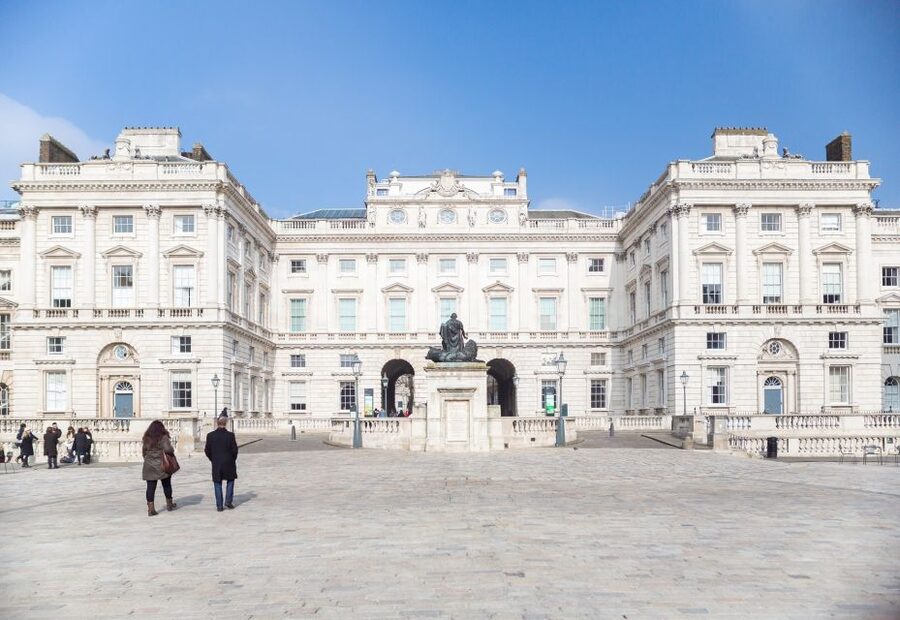
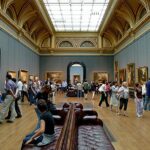
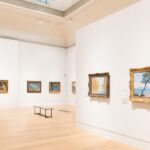
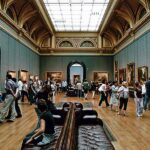
Once you’ve taken in the Impressionist punch downstairs, you move to the Blavatnik Fine Rooms on the second floor. This is where the gallery shifts gears into Renaissance to 18th-century art. The physical layout and the change in eras do something practical for your brain: it keeps you from treating the Courtauld like one big room full of paintings. You feel the sequence.
In other words, you’re not just viewing art—you’re walking through art history in manageable chunks. That’s especially helpful if you only have one day to spare.
You can also read our reviews of more museum experiences in London

Botticelli’s Trinity: the ethereal highlight
One of the most memorable stops in the upstairs rooms is Botticelli’s The Trinity with Saints. This is exactly the kind of work that’s worth your full attention, because Renaissance religious paintings aren’t only about religion—they’re also about beauty, composition, and symbolism. You’ll likely find yourself looking at details longer than you expect, just because the painting rewards that kind of patience.
If you’re the kind of visitor who tends to rush, give this one a deliberate slowdown. With work like this, the payoff comes from letting your eyes adjust and then noticing how the whole image is constructed.
Cranach and Rubens: Adam and Eve meets dramatic stakes
Two other upstairs anchors are Lucas Cranach’s Adam and Eve and Rubens’ The Descent From the Cross. Put them in the same part of the day and you get a useful comparison.
Cranach’s Adam and Eve connects to early Renaissance subject matter, with an emphasis on the way figures and ideas are arranged visually. Rubens’ The Descent From the Cross is heavier and more dramatic, and you’ll likely feel that right away in the energy of the scene. Having both in the same upstairs route lets you feel how “great religious art” can mean very different emotional temperatures.
Bruegel’s Landscape with a flight into Egypt
Another listed highlight is Pieter Bruegel the Elder’s Landscape with a flight into Egypt. Even though it’s part of a painting title, it’s a good reminder that this part of the collection isn’t only about grand human figures. It’s also about how artists build atmosphere through setting, storytelling within the scene, and careful detail.
If landscapes are literally your thing, this is a great moment to let your eyes roam within the composition rather than jumping to just the main characters.
The Ruddock Family Gallery: Medieval and early Renaissance focus
After the Renaissance-and-beyond room experience, the Ruddock Family Gallery brings you into Medieval and Early Renaissance art. This portion helps fill the “in-between” space many people miss when they jump straight from medieval art to the famous Renaissance names.
What I like about this segment is the way it makes later works easier to understand. You see earlier visual logic—how artists organize space, how symbolism works, and how certain themes evolve. Even if you’re not memorizing dates, you start to recognize patterns of style.
This also helps you pace your visit. If you’ve been spending time with big Renaissance names upstairs, the Medieval to early Renaissance section is a good reset. It’s a different way of looking and a different kind of reward.
20th-century art and the Bloomsbury Group shift
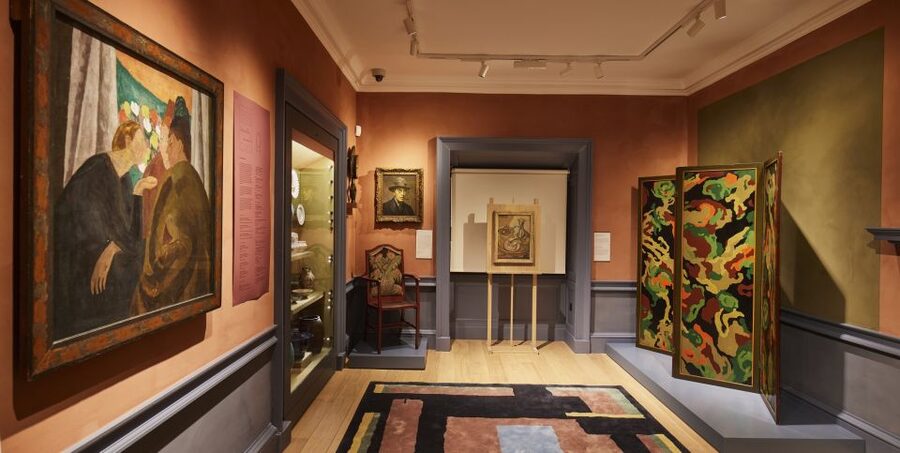
Toward the later section of the collection, you’ll find galleries dedicated to 20th-century art and the Bloomsbury Group, with displays that change over time. This is one of the reasons I think the Courtauld works well for one-day visits: the museum doesn’t trap you in one era.
The Bloomsbury Group focus connects art to a broader cultural moment. Even without going deep on literary history, you’ll likely notice how the later galleries shift the mood—more modern concerns, different approaches to form, and a sense that art is responding to a changed world.
If you like having your visit end with movement and change, the 20th-century rooms are a good place to finish your loop. They bring you back to the idea that art history isn’t just a march—it’s a set of different conversations happening at once.
Price and value: is $16 worth it?
At $16 per person, the Courtauld ticket lands in a sweet spot for London. The key is that this price is for the permanent collection entry ticket. That means you’re paying for access to the works that define the Courtauld’s identity—Impressionist and Post-Impressionist masterpieces downstairs, and Renaissance and early art upstairs.
Is it value for someone who only cares about today’s temporary exhibitions? Not really, because temporary exhibitions aren’t included. But if you want to see specific masterpieces—the Manet, Van Gogh, Botticelli, Cranach, Rubens, and Bruegel names listed in the experience—this ticket makes sense.
Also, the audio guide included in English helps stretch your visit quality. It’s not just entry; it’s entry plus a tool for turning looking into understanding.
If you’re deciding whether to add this to a London itinerary, I’d treat it as a “masterpieces first” stop. At that price point, it’s hard to justify skipping unless Renaissance or 20th-century art isn’t your thing at all.
How to plan your one-day route without feeling rushed
You’re doing a lot of eras in one visit, so the practical goal is to avoid wandering aimlessly. Here’s how I’d approach it using the Courtauld’s structure.
Start downstairs in the LVMH Great Room with the Impressionist and Post-Impressionist highlights. Once you’ve seen the Manet and Van Gogh anchors, you’ll feel more confident moving into older periods.
Then go upstairs to the Blavatnik Fine Rooms for Renaissance to 18th century. Spend your time there on the works that are most “sticky,” especially The Trinity with Saints. That one often rewards a slower pace more than visitors expect.
After that, route toward the Ruddock Family Gallery for Medieval and Early Renaissance art. It’s the section that helps connect what you’ve seen, so don’t treat it like a detour.
Finally, finish with the 20th-century art and Bloomsbury Group area, where the changing displays help keep your attention from getting stuck in one style.
If you only have enough energy for a “highlights tour,” you can still make it work: pick the LVMH Great Room anchor works first, then spend more time upstairs rather than trying to do equal time everywhere.
Practical notes that help your visit go smoother
A few small details matter because they affect how relaxed you feel in the galleries.
- The audio guide is included and in English, so you can plan to use it without needing to hunt for extra rentals.
- The host or greeter is English speaking, which can help if you need orientation inside Somerset House.
- The site is wheelchair accessible, which is good to know for step-free planning.
And because this is a permanent collection ticket, you’re mostly dealing with works that are always there. That’s helpful: you don’t have to gamble on “what’s on” during your exact travel dates—your main payoff is built in.
Should you book the Courtauld Gallery ticket?
Yes, I think you should book this if you want a one-stop museum experience that moves through major art eras in a structured way. The Courtauld’s strength is in how it pairs famous names with a serious permanent collection—Manet and Van Gogh downstairs, Renaissance giants upstairs, plus Medieval and early Renaissance context and a 20th-century ending.
Book it if:
- you care about seeing specific masterpiece works like Botticelli’s The Trinity with Saints and Manet’s A Bar at the Folies Bergère
- you want a museum day that feels organized rather than overwhelming
- you appreciate a clear route through art history
Skip or reconsider if:
- temporary exhibitions are the main reason you visit museums, because those aren’t included with this ticket
With an overall rating of 4.6 and a straightforward permanent-collection focus, this is a solid use of your time in London—especially if you like art that rewards careful looking as much as big-name recognition.
FAQ
Where is the Courtauld Gallery?
The Courtauld Gallery is located within Somerset House.
How much does the ticket cost?
The entry ticket price is listed as $16 per person.
How long is the ticket valid for?
The ticket is valid for 1 day. You’ll want to check availability to see starting times.
What does the ticket include?
Your ticket includes entry to the Courtauld Gallery permanent collection.
Are temporary exhibitions included?
No. Temporary exhibitions are not included with this ticket.
Is there an audio guide, and what language is it in?
Yes. An audio guide is included, and it’s in English.
Is the Courtauld Gallery wheelchair accessible?
Yes. The experience is listed as wheelchair accessible.
Can I cancel for a refund?
Free cancellation is available up to 24 hours in advance for a full refund.
Can I reserve now and pay later?
Yes. The listing offers a reserve now & pay later option, where you pay nothing today.