REVIEW · LONDON
Women in art – National Gallery
Book on GetYourGuide →Operated by BestTours · Bookable on GetYourGuide
Women in art can feel like a niche topic. But here it’s organized, specific, and actually fun to look at. This guided stop at the National Gallery turns Women in Art into a clear story you can follow across centuries, and I especially liked how the guide (including Katya, when available) keeps the paintings vivid and easy to understand. You’ll also get a rare, focused look at major works you could easily walk past.
The main thing to consider: the tour is only 1.5 hours, so it’s not about seeing the whole museum. It’s about seeing the highlighted masterpieces properly, and moving on—fast enough that you’ll want to come with questions ready.
In This Review
- Key Highlights You’ll Care About
- Getting Oriented at the National Gallery Start Point
- How the Women in Art Theme Changes What You Notice
- Leonardo’s Madonna of the Rocks: When Women Become the Focus
- Michelangelo’s The Entombment: Grief, Presence, and Women’s Role in the Scene
- Raphael’s St Catherine: Saintly Identity and Visual Storytelling
- Rubens’ The Judgement of Paris: Myth, Choice, and Female Influence
- Van Gogh’s Sunflowers: How Later Art Keeps the Conversation Going
- What You Really Get in 1.5 Hours (and What You Don’t)
- The Guide Factor: Why Katya’s Style Gets Named
- Price and Value for a Private Group Up to 6
- Who This Tour Suits Best
- Should You Book the Women in Art Tour at the National Gallery?
- FAQ
- How long is the Women in Art tour at the National Gallery?
- Where do we meet for the tour?
- Is the tour private or group-based?
- What languages are available?
- Is the tour wheelchair accessible?
- Is there an age limit?
- How many people can be in a group?
Key Highlights You’ll Care About
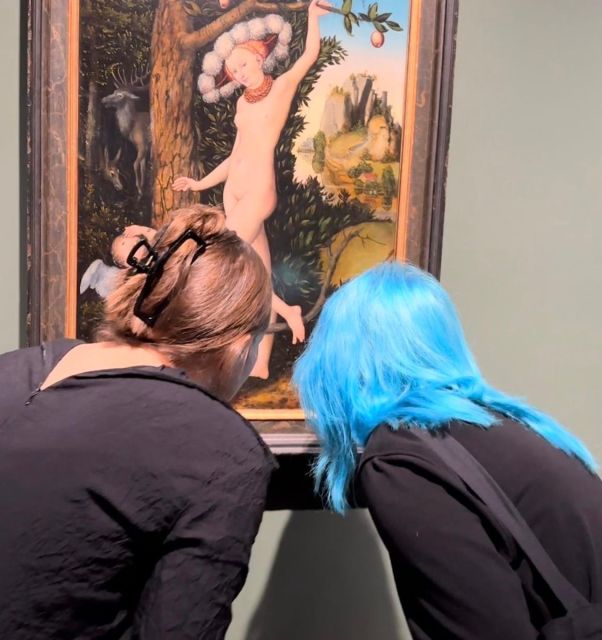
- A tight, themed route through five landmark paintings, so you don’t waste time guessing what to look for
- Stop-and-explain guidance that makes symbolism and context click without heavy jargon
- Katya-style storytelling: lively pacing, strong answers, and links to what you notice today
- Women in different roles—sacred, mythic, saintly, and emotional—shown through famous artists
- Private group experience with English or Russian options, tailored to your pace
- Wheelchair accessible, and the tour finishes back at the meeting point
Getting Oriented at the National Gallery Start Point
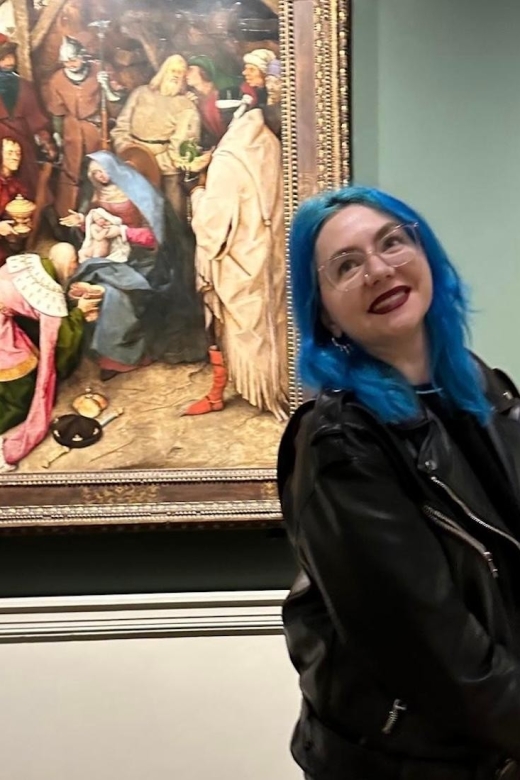
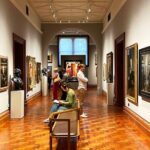
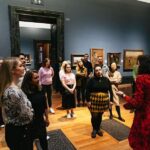
Your tour begins in front of the National Gallery. That matters because the building’s front area is your cue to settle quickly, meet your guide, and get moving before the museum flow changes.
Punctuality is key here. The organizers keep the end time in mind, and if your group is genuinely enjoying a location or moving slowly, the guide adjusts the route so you still cover the planned content. In other words: you get flexibility, but you don’t get an endless tour.
If anything comes up—late arrival, confusion about where to meet—make sure you have the active contact telephone number provided with your booking so you can reach the guide fast. Save it before you head out.
You can also read our reviews of more museum experiences in London


How the Women in Art Theme Changes What You Notice
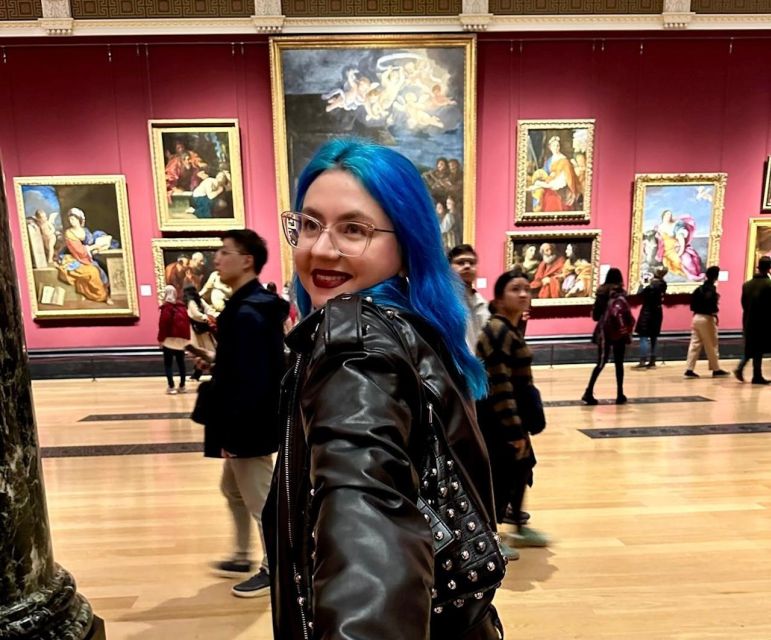
What I like about a tour like this is that it gives you a viewing lens instead of a random checklist. You’re not only learning titles and dates. You’re learning how women appear in art—and what those depictions communicate about belief, power, attention, and emotion.
The tour’s angle is broad across eras: from Renaissance religious imagery to myth and allegory, then forward to how later artists shaped what viewers think matters. That theme is useful because it turns art history into a set of questions you can carry through the gallery: Who is centered? Who is judged, praised, or feared? Who is symbolic, and who is human?
And because the experience is private, you’re more likely to ask questions that match your interests—composition, symbolism, or why these images were made the way they were.
Leonardo’s Madonna of the Rocks: When Women Become the Focus
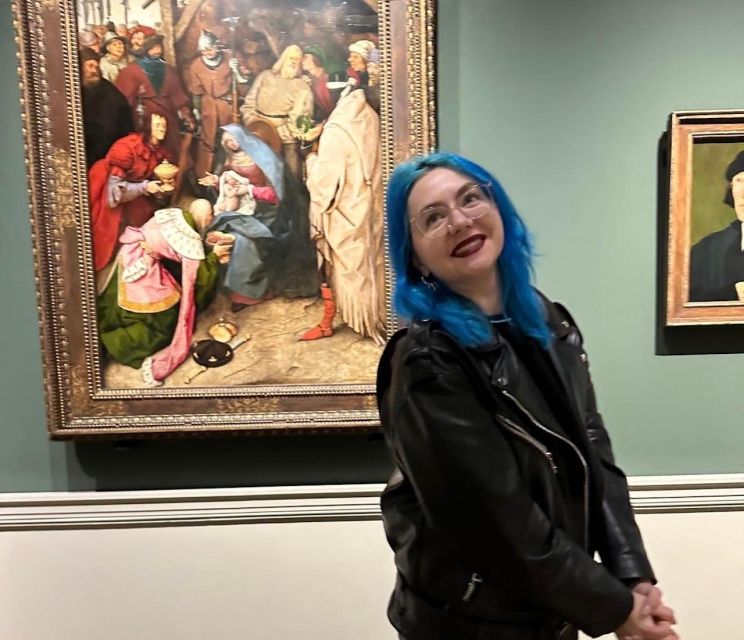
One of the headline works is Leonardo da Vinci’s Madonna of the Rocks. Even if you’ve seen Leonardo in textbooks, this is the kind of painting that rewards looking slowly once someone points out what matters.
In a Women in Art themed tour, this kind of Madonna artwork is more than religious background. It becomes a study in how femininity was presented as divine, reassuring, and meaningful—an image meant to be contemplated, not just glanced at.
Expect your guide to guide your eye. Instead of telling you what to feel, you’ll likely be asked to notice how the arrangement draws attention toward the women at the heart of the scene, and how that shapes the emotional tone of the whole work. It’s a good first stop because it sets the tour’s language: careful looking plus clear context.
Michelangelo’s The Entombment: Grief, Presence, and Women’s Role in the Scene
Next up is Michelangelo’s The Entombment. Here the tour’s theme shifts. Women in this kind of biblical narrative are often linked to grief, witness, and human emotion—roles that can be easy to miss if you only focus on the most obvious figures.
This is where I like a guided tour over self-guided browsing. Without help, you may admire the drama and scale and leave it at that. With a guide, you’re encouraged to notice where attention lands, how expressions and posture communicate feeling, and what that means for how women are portrayed within the larger story.
Even within one 1.5-hour experience, stopping at a work like this adds weight. It helps you understand that women in art aren’t only symbols of purity or mythic ideals. They can also be the emotional engine of a scene.
Raphael’s St Catherine: Saintly Identity and Visual Storytelling
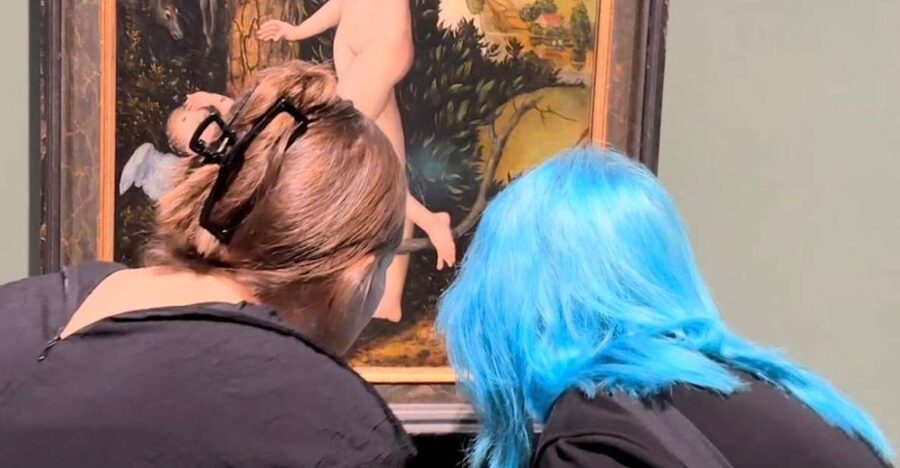
You’ll also spend time with Raphael’s St Catherine. A saint portrait sounds straightforward, but in practice it’s a great example of how art builds identity through visual signals—attributes, gesture, and how the subject is framed.
In a Women in Art tour, this kind of work is valuable because it shows how women could be presented as strong moral figures, not only as background characters. It’s a chance to look at the difference between someone being depicted as an ideal and someone being depicted as a recognized figure with a distinct role.
I also like how saint imagery tends to create a conversation between viewer and subject. You can feel what the artist wants you to pay attention to, and your guide’s job is to make that readable without turning it into a lecture.





Rubens’ The Judgement of Paris: Myth, Choice, and Female Influence
Rubens’ The Judgement of Paris brings the theme into mythology. In myth-based art, women aren’t only emotional anchors—they become forces in a story about choice and consequence.
This is a painting where the Women in Art lens matters. Myth gives artists permission to make women symbol-heavy: desirable, persuasive, judged, compared. It’s not just about who stands where. It’s about what the scene suggests regarding power and desire.
With a good guide, you’ll learn to look past the surface drama and notice what each figure represents in the broader moral or storytelling framework. That’s the kind of shift that makes a thematic tour worth it—you’re learning how to read the painting, not just admire it.
Van Gogh’s Sunflowers: How Later Art Keeps the Conversation Going
To close, the tour includes Van Gogh’s Sunflowers. This one can feel like a curveball if you expect every highlight to show women directly. But that’s where the tour’s theme becomes useful: it’s not only about women as the only visible subjects. It’s also about how art became connected with values, attention, and the kinds of meanings society assigned to subjects and settings.
Sunflowers are about color and presence, yes. But in a Women in Art context, a guide can help you notice how later art participates in cultural conversations—who is seen, what is valued, and how viewers are directed to respond.
Even if you’re not a diehard Van Gogh fan, I find it satisfying when a tour ends with an artwork that reminds you the theme doesn’t stop at Renaissance religion or Baroque myth. It continues, just with different signals.
What You Really Get in 1.5 Hours (and What You Don’t)
This experience is designed as a private group tour lasting 1.5 hours. That duration is perfect if you want depth on a small set of works without turning your museum day into a marathon.
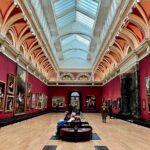
Here’s the trade-off: you won’t see every gallery or every masterpiece the National Gallery holds. You’ll see five major highlights and connect them through the Women in Art theme. For many people, that’s the right choice. It’s better to leave with a handful of paintings you understand than to leave with a long list you can’t remember.
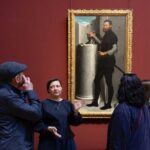
You also get a live guide. Your guide can answer questions, and the best version of this tour is the one where the paintings feel alive because someone can explain what’s going on and why it matters.
The Guide Factor: Why Katya’s Style Gets Named
One thing that comes through strongly is the guide quality. The standout example is Katya, praised for captivating delivery and detailed answers. The paintings weren’t presented as static museum objects. They were described with context in a way that makes you look closer.
If you care about interaction—asking something and getting a thoughtful reply—this tour is built for that. It’s a private group, so the tone can be more conversational than a big group walk-through.
Also note the languages offered: English and Russian. That’s useful if you want the explanation in a language you’re comfortable with, especially when you’re discussing symbolism and story.
Price and Value for a Private Group Up to 6
The price is $404.10 per group for up to 6 people, for 1.5 hours. On paper, that can sound high until you do the simple math.
- If your group is full (6 people), that’s about $67 per person.
- If it’s just 2–3 people, the per-person cost rises—but you still pay for a dedicated guide and a themed route instead of splitting a larger-group fare.
In value terms, what you’re buying is focus: a guide-led interpretation of five major works plus the Women in Art perspective connecting them. If you enjoy turning art into something you can actually talk about afterward, this is the kind of tour that can feel worth it even for shorter time in London.
Who This Tour Suits Best
This tour fits well if you:
- like theme-based museum visits
- want clear explanations without a heavy pace
- enjoy asking questions at paintings
- appreciate women’s representation across different periods and styles
It’s not suitable for children under 6, so plan accordingly if you’re traveling with little ones. For adults and older teens who can handle a short, art-focused session, it’s a strong option.
And if you’re a first-time National Gallery visitor, this tour works as a smart starting point. It gives you a framework so the museum doesn’t feel like a random wall of famous names.
Should You Book the Women in Art Tour at the National Gallery?
I’d book it if you want an organized, guided way to understand how women are portrayed across art history—and you don’t need to see everything in one day. The best part is the guide-led clarity: the tour turns the paintings into stories you can follow, and the focus on women’s roles gives your visit meaning beyond looking.
Skip it if your priority is broad gallery coverage or if you dislike museum pacing. In 1.5 hours, you’re choosing depth over breadth.
FAQ
How long is the Women in Art tour at the National Gallery?
The tour lasts about 1.5 hours.
Where do we meet for the tour?
Meet in front of the National Gallery.
Is the tour private or group-based?
It’s a private group tour.
What languages are available?
The live guide is available in English and Russian.
Is the tour wheelchair accessible?
Yes, the tour is wheelchair accessible.
Is there an age limit?
It’s not suitable for children under 6 years old.
How many people can be in a group?
The price is listed per group up to 6 people.