REVIEW · LONDON
London: MOCO- Modern & Contemporary Art Museum Entry Ticket
Book on GetYourGuide →Operated by Moco Museum London · Bookable on GetYourGuide
London has a way of surprising you. In one visit to MOCO Museum, street-art and pop icons share the same walls, and it works. I like that the collection leans on original works (not copies or lookalikes), and I like that you can use the free audio guide to make sense of what you’re seeing. One catch: the souvenir shop can feel pricey, based on what I’ve heard from visitors.
If you’re curious about modern and contemporary art but don’t always know where to start, MOCO is a friendly entry point. The museum is organized across three floors, with named sections like Moco Masters, Moco Contemporary Masters, and a digital-art section downstairs, plus a headline temporary exhibition space. The museum is also wheelchair accessible, which matters if you need an easier route through the building.
Plan on about 1.5 hours. You’ll have enough time to move through each floor at a steady pace, read the info plaques, and still stop for a closer look. The only obvious thing to prep: you’ll need your own headphones for the audio guide, and you can’t bring pets or oversize luggage.
In This Review
- Key things to know before you go
- First impressions inside MOCO Museum London
- Moco Masters: where the big-name modern art starts clicking
- Moco Contemporary Masters: modern and street culture in the same breath
- Banksy at MOCO: what’s special about the Pest Control authorization
- Robbie Williams Radical Honesty: a music icon’s art side
- Moco Immersive Digital Artworks downstairs: tech as a pause, not a distraction
- Timing your visit for a smooth 1.5 hours
- Price and value: what $22.76 buys you in real terms
- Who should book MOCO Museum London?
- Should you book this MOCO Museum ticket?
- FAQ
- How long does the MOCO Museum London ticket visit take?
- What’s included with the entry ticket?
- Do I need headphones for the audio guide?
- Is MOCO Museum London wheelchair accessible?
- Are pets or oversize luggage allowed?
- Can I cancel for a refund?
Key things to know before you go

- Three floors, named sections help you navigate fast and build a clear picture.
- Banksy works are displayed under the only official authorization entity named by the museum: Pest Control.
- Robbie Williams Radical Honesty is a brand-new for 2025 solo exhibition with sculpture works debuting in the UK.
- Moco Immersive Digital Artworks adds a tech-and-art break from the classic gallery format.
- Free audio guide (bring headphones) is included in the ticket and available in multiple languages.
- Plenty of close viewing plus information plaques makes it easier to read the art, not just look at it.
First impressions inside MOCO Museum London
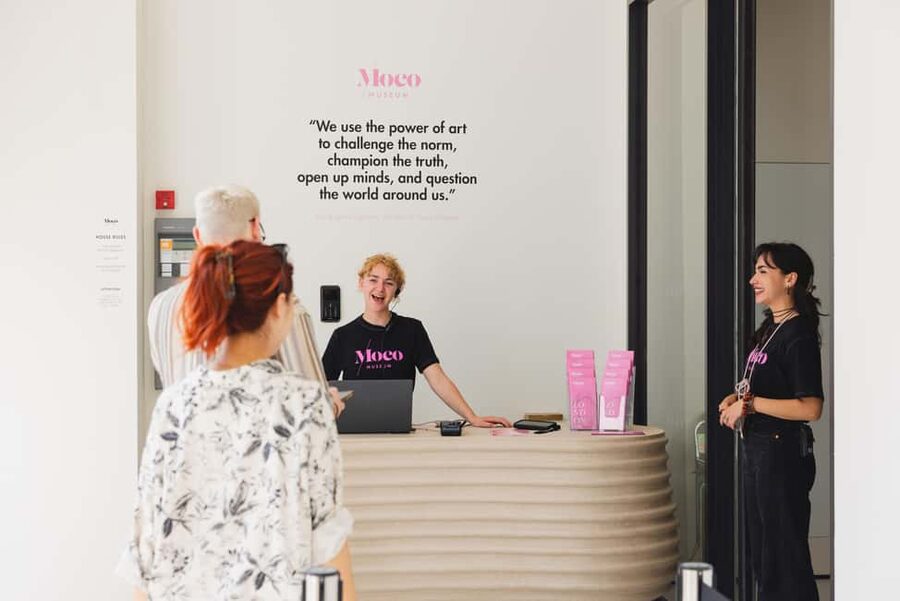
MOCO Museum London is built for people who want impact without a long research project. You start at the ticket desk inside the museum, then head into exhibition space that’s split into clear zones. That layout is a big deal in a city where you might only have one shot at a museum.
The vibe is modern and straightforward: you can walk at your own speed, stop when something grabs you, and move on when it doesn’t. The museum also makes it easier to focus by giving you a place for your bag/jacket—visitors note it’s free—so you’re not juggling stuff while you’re trying to read small details on labels.
Two things help you get more out of the experience. First, there are information plaques that add context without turning it into a lecture. Second, the free audio guide gives you another layer, and it’s offered in several languages, so you can stick to your comfort zone.
If you’re the type who likes to know what’s next, you’ll appreciate the structure: Moco Masters for the heavy hitters, Moco Contemporary Masters for modern/urban/pop culture connections, and a separate area for digital artworks.
A few more London tours and experiences worth a look



Moco Masters: where the big-name modern art starts clicking
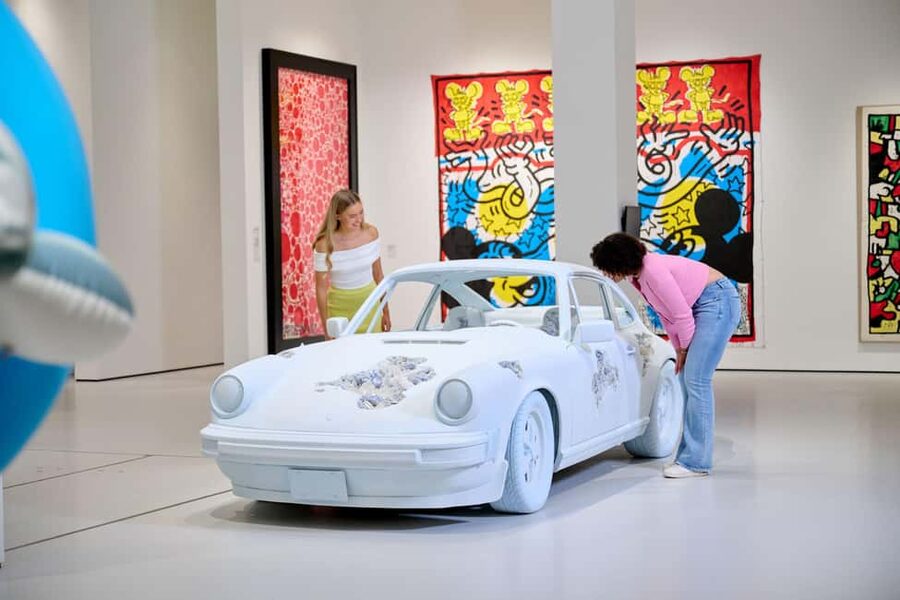
The top-floor zone, Moco Masters, is where the museum groups world-renowned artists under one roof. This is the part that helps the museum feel like more than a spotlight-gallery. You’re not just seeing famous names—you’re seeing how their styles and cultural impact overlap.
This section includes major figures such as Andy Warhol, Jean-Michel Basquiat, Yayoi Kusama, Keith Haring, Damien Hirst, Jeff Koons, Tom Wesselman, and Pablo Picasso. Even if you only recognize a couple of these names, the section is still useful because it nudges you to notice what changes across decades: bold color, iconic imagery, pop culture references, and ideas about fame, power, and identity.
What I like about this floor for practical museum-goers is the balance. You’re not forced into a “like it or leave it” mood. The works are close enough for real looking, and the plaques help you connect the dots. If you’ve ever felt modern art is too abstract, this setup can gently change that feeling by giving you a starting point.
One small consideration: because the lineup includes some of the most recognizable modern icons, you might feel a bit of pressure to “get it right.” Don’t. The goal here is to spend 10–20 seconds reading the label, then just look at the work long enough for your eye to adjust.
Moco Contemporary Masters: modern and street culture in the same breath
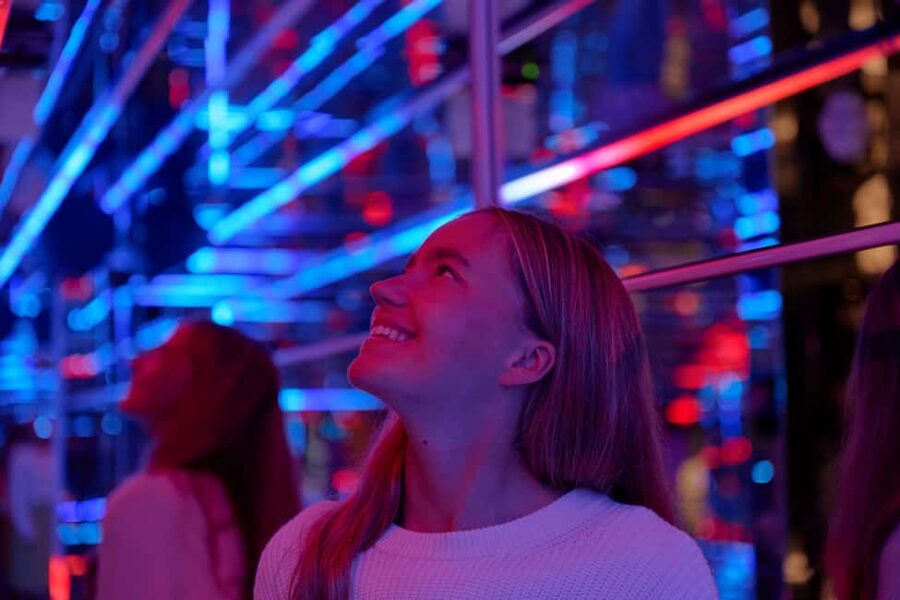
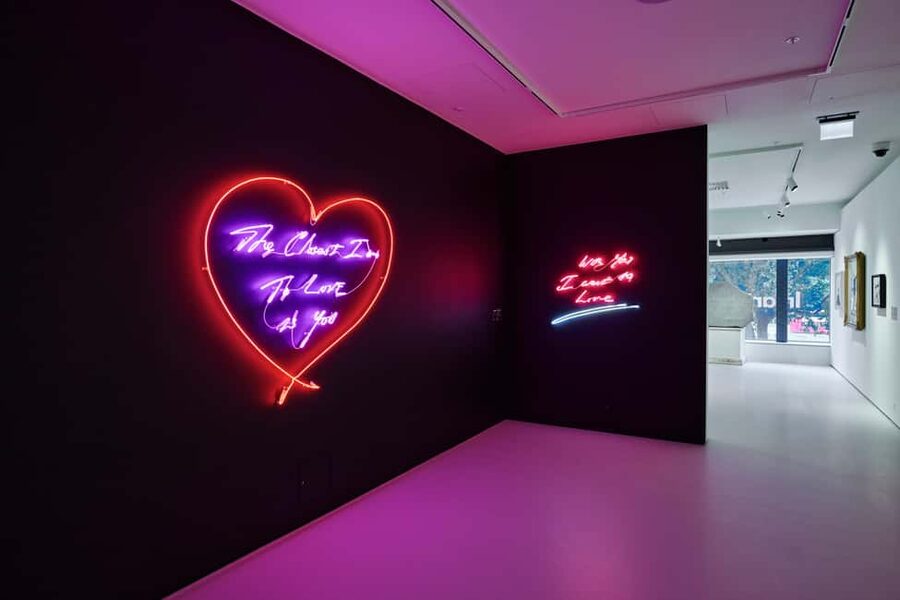
On the next level, Moco Contemporary Masters shifts from the broader “master” framing into a more contemporary voice. You’ll see works ranging from artists like Tracey Emin to street-art-influenced figures such as KAWS. This is where MOCO tends to feel most relevant to people who’ve grown up with modern visuals—posters, cartoons, pop design, social media images.
The payoff is that the museum doesn’t treat street art like a side quest. It treats it as part of the broader contemporary conversation. You can walk through and notice how the same themes—identity, repetition, mass imagery, and cultural commentary—show up across very different art styles.
This floor also helps you understand why the museum is built this way. It makes it easy to compare. You’ll often spot a jump from “gallery art” to “culture art” without needing to switch museums or change your mindset mid-day.
For best results, slow down just enough to read the labels before you form an opinion. The museum is good at giving you the story behind the artworks and how they influence culture and society. That makes the experience feel less like looking at pictures and more like learning the language behind them.
Banksy at MOCO: what’s special about the Pest Control authorization
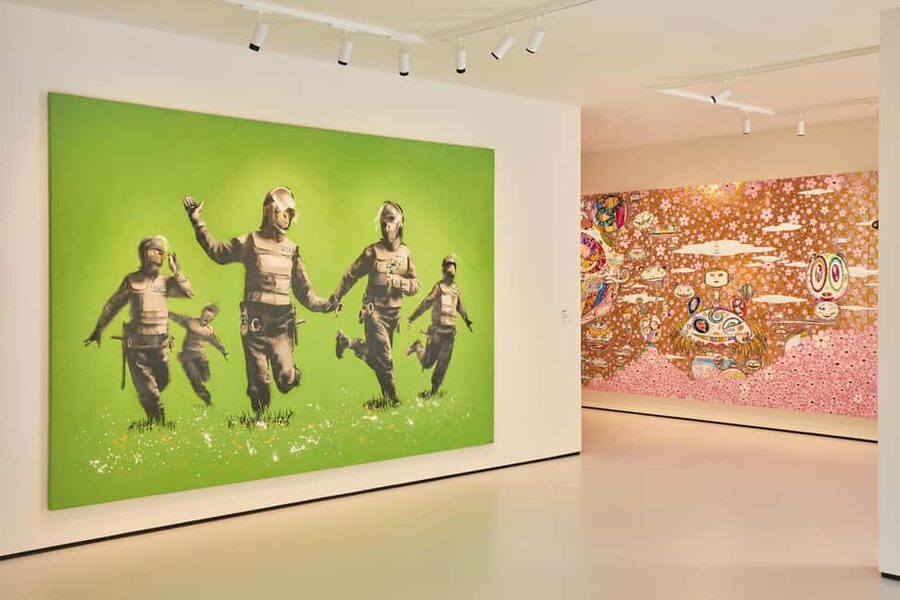
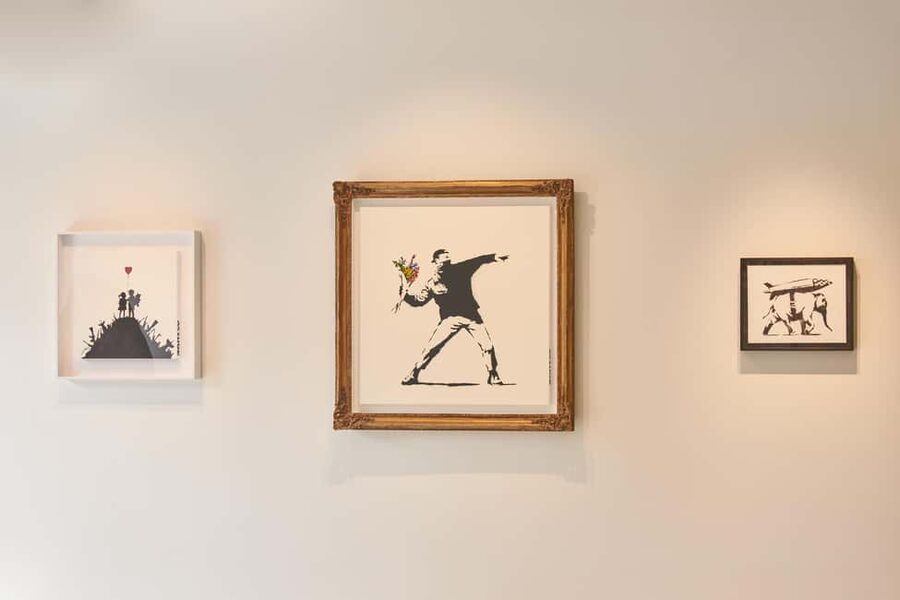
MOCO includes a dedicated Banksy homage, and it’s presented in a way that’s more structured than you might expect from street-art displays. The museum says the works shown are authorized by Pest Control, the only official entity that authorizes Banksy’s work. That detail matters, because it signals the museum is treating these pieces with an official, traceable approach.
You can see recognizable works listed by the museum such as Girl with balloon, Love is in the air, and Battle at Beanfield. Seeing them inside a museum setting changes how you experience them. Outdoors, street art can feel like it’s happening to you. Indoors, it feels like you’re studying a message that has survived long enough to be framed.
What’s also useful is that the museum’s information plaques help you understand the story behind the art. That makes it easier to connect a piece to the cultural moment it came from, instead of just reacting to the imagery.
One practical note: Banksy is a magnet for people. Even if MOCO feels roomy overall, you may still want to plan a calmer moment for the Banksy section—especially if you prefer quieter looking.
Robbie Williams Radical Honesty: a music icon’s art side
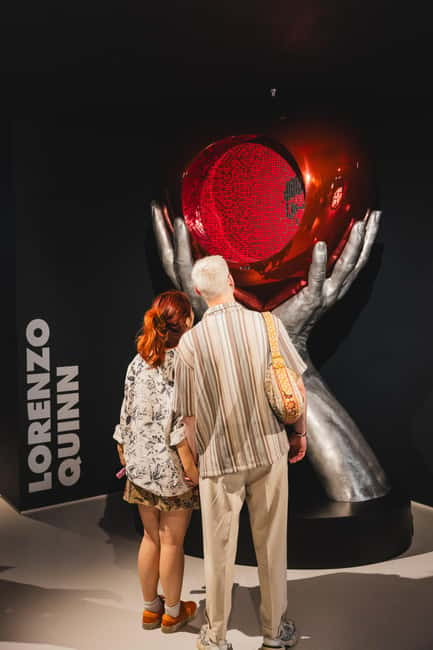
The headline temporary exhibition is Robbie Williams: Radical Honesty. According to the museum, it’s a brand-new for 2025 solo exhibition, marking the third chapter of his journey with the museum. The exhibition focuses on sculpture works, and it’s described as debuting his latest sculpture collection in the UK for the first time.
This section is interesting even if you’re not deeply into contemporary art, because it’s rooted in a recognizable personality and a clear theme: his personal journey with mental health. The museum also mentions his recently released collection Pride and Self-Prejudice, tying the exhibition themes to the broader story of his work.
Visitors who care about pop culture and art crossover tend to rate this part highly because it can change how you see the artist. If you only know the name from music charts, this is one of the easier ways to get meaning from the art without feeling lost.
A fair consideration: if you’re strictly there for classic modern masters, you might spend more time on that and less on the temporary exhibition. But if you’re open to how art can express personal struggles and emotional themes, Radical Honesty can be the most memorable room in the building.
You can also read our reviews of more museum experiences in London


Moco Immersive Digital Artworks downstairs: tech as a pause, not a distraction
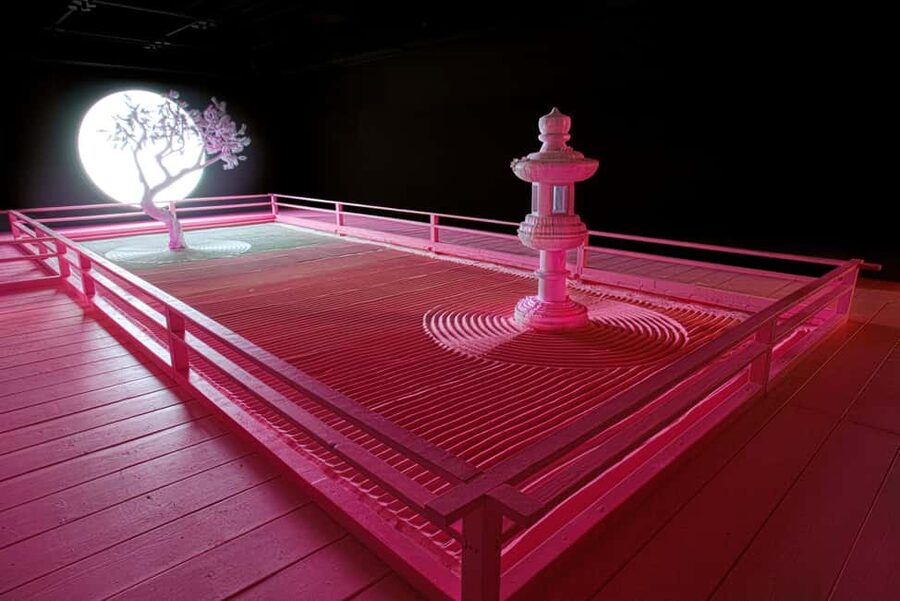
Down on the lower ground floor, MOCO shifts to Moco Immersive Digital Artworks. This part is a break from traditional canvas-and-frame art, and it helps reset your brain after two floors of major names.
The museum lists artists including Pilar Zeta, Andrés Reisinger, and Six N. Five, plus a British sculptor, Anthony James, whose work was recently featured in the Netflix hit Glass Onion starring Daniel Craig. If you like pop references in art—film, design, modern media—this section is the kind of bridge between museum culture and contemporary entertainment.
What I like about putting digital art in the middle of the day like this is that it gives you variety. You can see how artistic ideas travel from painting and sculpture into screens and modern formats. It also makes the experience feel more like a current-day art stop, not just a historic-art museum.
Don’t expect it to replace the rest of the museum. Instead, think of it as a tempo change: you’ll get something visually different, then you can go back upstairs and process what you’ve seen through a different lens.
Timing your visit for a smooth 1.5 hours
MOCO’s ticket is designed for about 1.5 hours, and that’s a workable amount of time if you pace yourself. For most people, that means:
- Move through each major floor once
- Stop for closer looking on the works that pull you in
- Read the plaques on the pieces you care about most
If you’re short on time, prioritize based on your interests. Banksy and the temporary exhibition are the two biggest “anchor stops,” and the audio guide can help you pick up what you’d otherwise miss on quick passes. If you tend to get overwhelmed by too many big names, focus on fewer artists but spend more time with them.
Also note what’s allowed. The museum doesn’t allow food and drinks, pets, or oversize luggage. If you’re planning a long day in London, you’ll want to eat before you go, and keep your bag light.
Small comfort wins matter in London. Free bag/jacket storage helps you roam without friction. And because the museum provides a free audio guide but asks you to bring your own headphones, pack a simple wired or wireless pair so you’re not stuck deciding whether to buy something on-site.
Price and value: what $22.76 buys you in real terms
The ticket price is about $22.76 per person, and the value depends on how you like to experience art.
You’re paying for three things:
- Entrance plus access to all exhibitions in one visit
- A strong range of names, from modern masters to street-culture influence
- A free audio guide across multiple languages, which makes the art easier to interpret
If you’re the kind of museum-goer who reads labels and uses audio, MOCO can feel like a good deal because you’re getting context, not just sightlines. The three-floor structure also helps you cover a lot without getting stuck in one room for hours.
If you’re more casual—quick photos, quick stops—then the value hinges on whether the temporary exhibition grabs you. In that case, Radical Honesty can make the ticket feel worth it on its own, even if you spend less time with every master.
One warning from visitor feedback: the souvenir shop prices can run high. If you want a print or memorabilia, set a small budget before you browse so you don’t get pulled in by impulse.
Who should book MOCO Museum London?
You should book this entry ticket if you want an art experience that’s approachable, well organized, and built around major names and current themes. It works especially well for:
- First-timers to modern art who want context as you go
- People who like pop culture meeting fine art (Warhol to Banksy to Robbie Williams)
- Visitors who enjoy a mix of traditional artworks and digital formats
It may be less satisfying if you want a deep, slow museum journey that spends a long time on one artist or one movement. MOCO’s strength is variety and momentum. You get a lot of art ideas in a short, guided-by-space visit.
Should you book this MOCO Museum ticket?
Yes—with one condition: go with a plan. Pick your top targets before you arrive. If Banksy and Robbie Williams Radical Honesty are on your list, you’ll likely feel you got your money’s worth even in 1.5 hours. If you’re going mainly for modern masters, focus on a few key artists and read their plaques so the big names don’t blur together.
Bring headphones, keep your day schedule realistic, and treat the museum like a structured sampler that still lets you linger on the art that hits you.
FAQ
How long does the MOCO Museum London ticket visit take?
The experience is set for about 1.5 hours, and you can check availability to see starting times.
What’s included with the entry ticket?
Your ticket includes museum entrance, access to all exhibitions, and a free audio guide in English, Dutch, Spanish, German, French, and Italian.
Do I need headphones for the audio guide?
Yes. The audio guide is included, but you’re asked to bring your own headphones.
Is MOCO Museum London wheelchair accessible?
Yes, the museum is wheelchair accessible.
Are pets or oversize luggage allowed?
No. Pets and oversize luggage are not allowed.
Can I cancel for a refund?
Yes. There is free cancellation up to 24 hours in advance for a full refund.
If you tell me when you’re visiting (month and time of day), I can suggest an ideal order to hit Banksy, the Robbie Williams exhibition, and the digital room without feeling rushed.