REVIEW · LONDON
London: National Gallery Guided Tour with Priority Entrance
Book on GetYourGuide →Operated by BEST TOURS LONDON LTD · Bookable on GetYourGuide
Two hours can change how you see London art. This National Gallery tour strings together the big masterpieces and the stories behind them, with priority entrance that helps you get moving fast.
I especially like two things: the guide’s focus on technique and symbolism, and the fact that the group is small enough to ask questions without feeling rushed. One possible drawback is that with a tight 2-hour format, you will be seeing highlights, not lingering on every favorite painting.
In This Review
- Key things to know before you go
- A 2-hour art sprint through the National Gallery’s best hits
- Priority entrance at the Sainsbury Wing: how to avoid the early hassle
- How the tour moves: Renaissance to Industry, then Impressionism and Van Gogh
- Stop-by-stop highlights: what you’ll actually see and learn
- Leonardo and the Renaissance realism that feels human
- Michelangelo’s surviving easel painting: The Entombment
- Turner and the Industrial Revolution in Rain, Steam and Speed
- Monet’s light in The Water-Lily Pond
- Seurat’s bold color logic in Bathers at Asnières
- Van Gogh and brushstrokes that refuse to be quiet
- Your guide’s role: technique, symbolism, and question time
- Price and value: why $21 can be a smart museum shortcut
- Practical tips that make the tour smoother
- Who this National Gallery priority tour fits best
- Should you book this National Gallery guided tour?
- FAQ
- Where do I meet the guide?
- How long is the National Gallery guided tour?
- How big is the group?
- Which artists and artworks are included?
- What should I bring, and is flash photography allowed?
- Is the tour suitable for people with mobility impairments?
- How do I get my tickets?
- What time should I arrive?
Key things to know before you go
- Priority entrance through express security helps you start your gallery time sooner.
- Small group size (up to 10) means your guide can actually answer questions.
- A chronological sweep moves through Renaissance, 18th/19th-century works, then Impressionism and beyond.
- Stop selection is practical: major name artists are paired with clear explanation of what you’re looking at.
- Interactive pace encourages you to share interpretations, not just watch quietly.
- Meeting point is very specific: enter via Sainsbury Wing, then wait after security by the glass wall.
A 2-hour art sprint through the National Gallery’s best hits
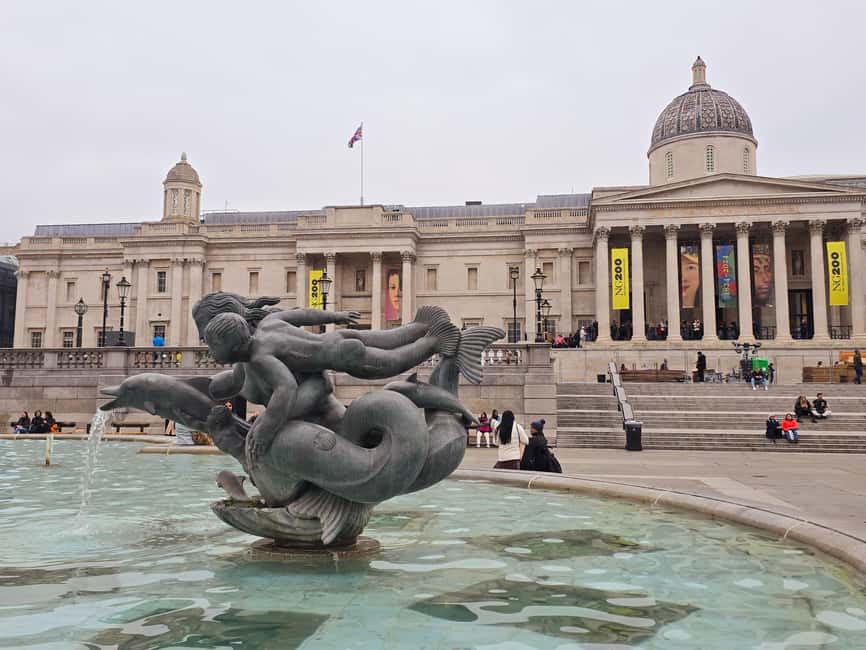
The National Gallery is one of those London museums where you can wander for hours and still not know what you missed. This tour is built to fix that problem with a focused route and an expert guide guiding your eyes, not just your feet.
I like that the tour is designed for beginners and art lovers at the same time. You get big-name paintings, yes, but you also get the sort of context that makes the images feel less like homework and more like a conversation.
And because it’s only two hours, you won’t feel trapped. You leave with a clearer sense of how European painting changed over centuries, and you can then choose what to revisit on your own.
You can also read our reviews of more guided tours in London


Priority entrance at the Sainsbury Wing: how to avoid the early hassle
London museums have a way of slowing you down at the start. Here, the key advantage is express security paired with priority entrance, so you spend less time in lines and more time looking at art.
Your meeting point is also very concrete, which I appreciate when I’m trying to stay on schedule. Enter via the Sainsbury Wing, then head after security. Look for the meeting spot on the right-hand side by the glass wall, where your guide will be waiting 5 to 10 minutes early with a yellow flag.
Also note the museum timing reality: the tour starts on time, and you won’t be able to join later. I recommend arriving about 15 minutes early so you have breathing room for security and finding the group.
How the tour moves: Renaissance to Industry, then Impressionism and Van Gogh
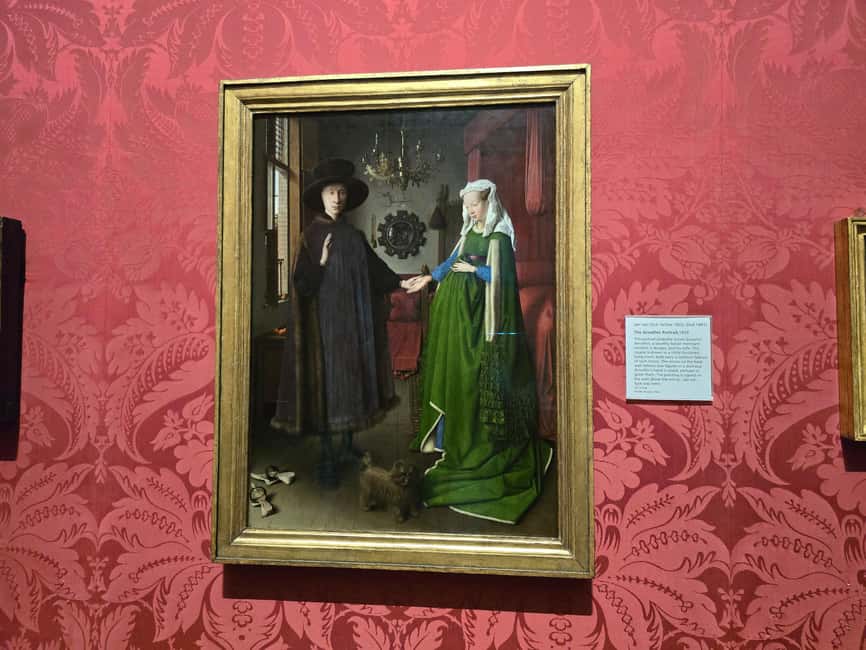
This tour has a smart flow. It doesn’t treat each painting like a random postcard. Instead, it walks you through shifts in style and ideas, almost like reading a visual timeline.
You start with the Renaissance mood: controlled compositions, religious storytelling, and realism that aims to persuade. Then the route jumps forward to the era of industry and modern life, where artists start playing with light, speed, and atmosphere.
After that, you move into Impressionism and related styles, where the paintwork itself becomes part of the message. The ending leans into Vincent van Gogh’s emotional energy, where brushstrokes stop being invisible and start doing the talking.
That structure matters because it trains your eye. You start noticing not only what’s in the painting, but how the artist’s choices changed from era to era.
Stop-by-stop highlights: what you’ll actually see and learn
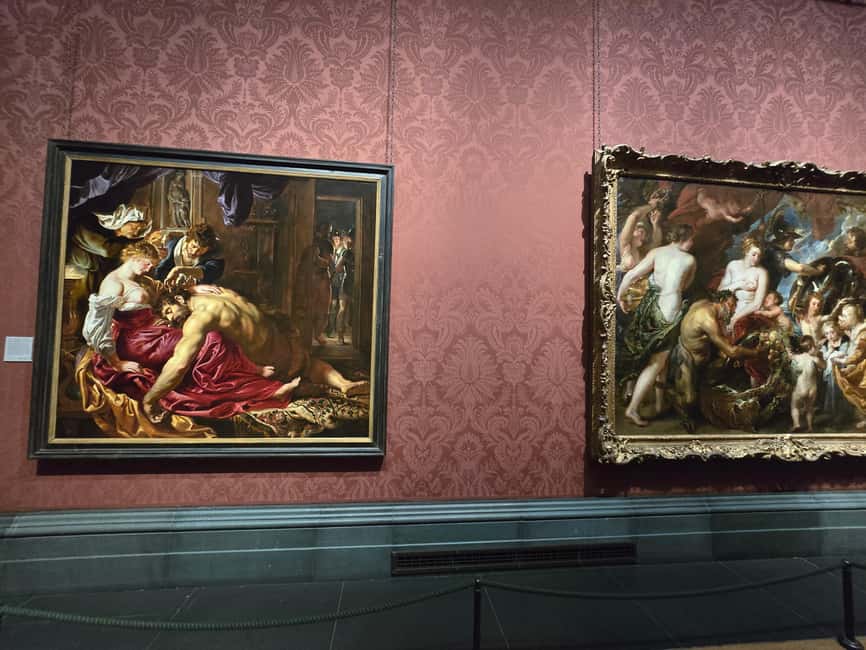
You won’t get a full encyclopedia of the National Gallery in two hours. You will, however, get a high-impact set of works that show major turning points in European art.
Leonardo and the Renaissance realism that feels human
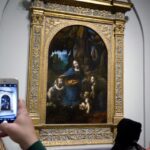
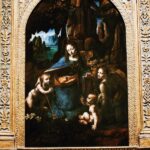
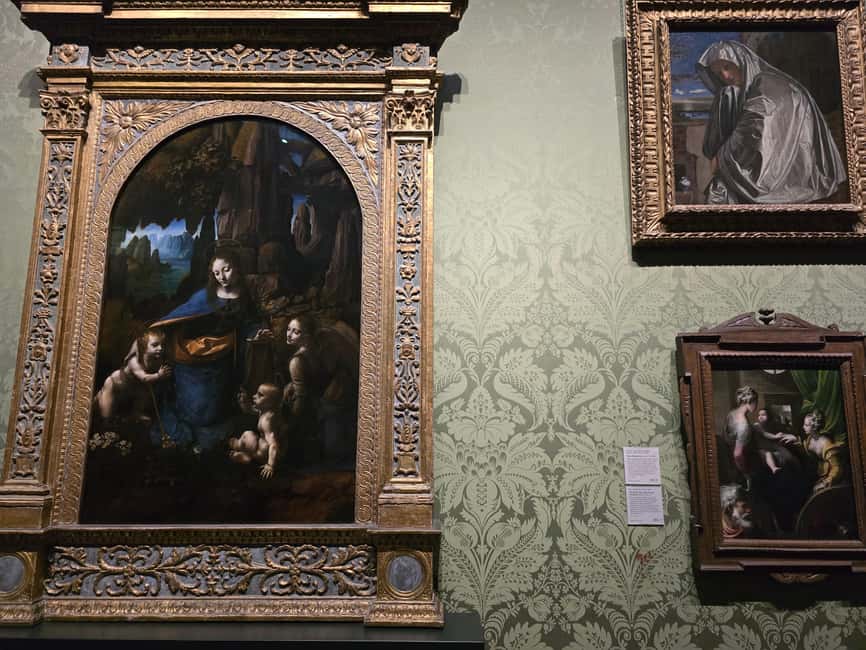
One of the early anchor works is Leonardo da Vinci’s The Virgin of the Rocks. The guide focuses on what you’re seeing beneath the surface: how figures are shaped to feel real, and how symbolism supports the religious story.
Even if you think you already understand religious art, this kind of explanation changes your scan. Instead of only looking for faces and halos, you learn what to track: gesture, light, and how the composition guides your attention.
You can also read our reviews of more museum experiences in London


Michelangelo’s surviving easel painting: The Entombment
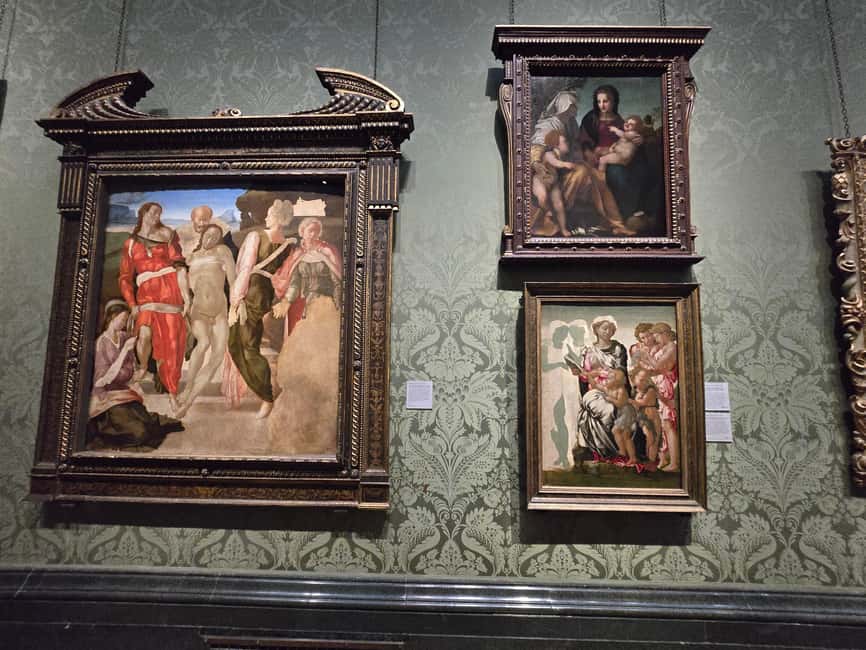
Next comes Michelangelo’s The Entombment, described on the tour as his only surviving easel painting. That detail is a clue to why this stop is special. You’re not only seeing a scene; you’re seeing a rare window into how Michelangelo handled a format used for more portable works.
This is a good moment for you to slow down a bit mentally. The guide’s commentary helps you connect human anatomy and emotion to the painting’s purpose, not treat it like a frozen tableau.
Turner and the Industrial Revolution in Rain, Steam and Speed
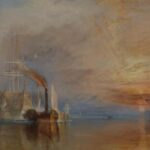
Then the mood shifts. Rain, Steam and Speed by J.M.W. Turner is where you feel the 18th/19th-century change: the world getting louder, faster, and more mechanized.
Turner is a master of atmospherics, and on this tour you’re encouraged to look at how he builds awe. The painting isn’t just a train scene. It’s also a drama of weather and movement, with the subject tied to the era’s sense of power.
If you like art that connects to real-world history, this stop is a big win.
Monet’s light in The Water-Lily Pond
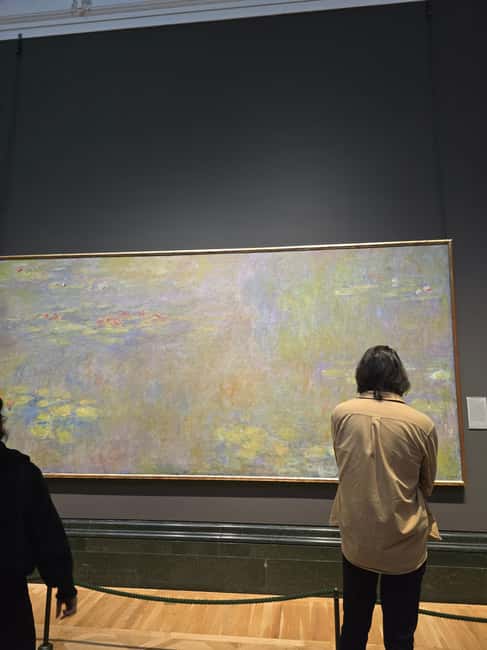
When you reach the Impressionist section, you’ll spend time with Claude Monet’s The Water-Lily Pond. This is a strong bridge from the previous stops because you can compare how artists treat reality.
Instead of making the subject feel sharply defined, Monet leans into a different kind of truth: light, reflections, and the experience of looking at water at a specific moment. The guide helps you notice what that shift means in paint, not just in theme.
Seurat’s bold color logic in Bathers at Asnières
Next is Georges Seurat’s Bathers at Asnières, a painting that highlights how technique can become style and meaning. The tour talks about the artist’s approach to brushwork and color, so you can understand why the image looks built rather than merely captured.
This is also a painting where you can play a game with yourself. Step back, then step in, and see how the effect changes. The guide’s explanations make it easier to connect the look to the method.
Van Gogh and brushstrokes that refuse to be quiet
The finale brings in Vincent van Gogh, with a focus on expressive painting techniques and swirling, impassioned brushstrokes. The point here isn’t only that the colors are vivid. It’s that the paintwork helps carry emotion and energy from the artist’s mind to your eyes.
By the end, you should feel like you’re not just identifying styles. You’re understanding why styles happened, and why artists chose new ways of seeing.
Your guide’s role: technique, symbolism, and question time
A great museum guide doesn’t just tell you what to see. They teach you how to see.
That’s what I like about this tour: the guide’s commentary is built around technique and symbolism, plus the story behind each piece. You get enough art history to place the work in context, but not so much that you stop paying attention to the painting itself.
The tour is also described as engaging and interactive. You’re encouraged to ask questions and share interpretations, which is ideal if you’ve ever felt stuck thinking art is either obvious or too complicated.
Guides such as Tara, Antonio, Giovanni, and Tony come up repeatedly in past groups, and the consistent thread is the ability to translate complex ideas into clear, human explanations. If you’re hoping for a guide who can answer follow-ups without turning the room into a lecture, that’s the style you want here.
Price and value: why $21 can be a smart museum shortcut
At about $21 per person for a two-hour guided experience, this is priced like a practical add-on rather than a luxury activity. The value comes from three things working together.
First, priority entrance plus express security saves time, which is often the most expensive currency in London. Second, you’re not spending your limited energy wandering between rooms trying to guess what’s most important. Third, the guide helps you make sense of what you’re looking at, so the paintings stick in your memory after you leave.
If you plan to visit the National Gallery anyway, this is a strong way to get your bearings fast. You’ll still be able to return on your own afterward, but you start with a better framework.
The only caveat is pacing. If your ideal museum visit means slow looking and long re-stares, a structured highlight tour can feel like you’re moving too quickly. For that style, you might still benefit, but you should mentally set expectations that two hours is a curated snapshot.
Practical tips that make the tour smoother
A few small things can change your experience here.
Wear comfortable shoes. The National Gallery is big, and the tour keeps you on your feet. Also, you’ll want to plan around security checks, even with priority entrance. Arriving 15 minutes early is not overkill.
Don’t plan on taking photos with flash. Flash photography is not allowed, so if you love Instagram, you’ll need to rely on no-flash options or skip photos and focus on details your guide points out.
Since the group is limited to 10 participants, you’ll have better access to the guide, but you still need to follow the pace of the route. That’s part of why you cover so much in a short time.
Finally, the tour is conducted in English, so double-check language expectations if that matters to your group.
Who this National Gallery priority tour fits best
This tour is a good match if you fall into any of these categories:
- You want to see major masterpieces without building your own plan from scratch.
- You’re curious about how painting techniques communicate ideas, not just what the subject is.
- You like a guide who encourages questions and interpretation.
- You’re short on time and want a structured route that makes the museum feel less overwhelming.
It’s also a good fit for families or mixed groups, because the small-group setup makes it easier for a guide to engage different ages and interests. If you’re bringing kids, the interactive style can be especially helpful.
One clear limitation: it is not suitable for people with mobility impairments, so you’ll want to consider alternatives if that affects your group.
Should you book this National Gallery guided tour?
If you’re trying to get the most art understanding per hour in London, I’d book this. The combination of priority entrance, small-group size, and a guide-led route through major works makes it a practical way to turn a busy museum visit into something memorable.
Book it if you want help looking at masterpieces like The Virgin of the Rocks, The Entombment, Rain, Steam and Speed, The Water-Lily Pond, Bathers at Asnières, and van Gogh’s expressive work. Booking is especially worth it if you know you’ll otherwise spend time searching for context on your own.
Skip or adjust expectations if you prefer slow, solo wandering with zero structure. This tour is designed for momentum and guided learning, not for hours of quiet contemplation in one room.
If you can do one thing before you go, do this: set a mindset that you’re going to learn the paintings’ why. The hour you spend after the tour will feel easier because you’ll already know what to look for.
FAQ
Where do I meet the guide?
Enter via the Sainsbury Wing. After security, stand on the right-hand side by the glass wall. The guide will be there 5 to 10 minutes before the tour starts with a yellow flag.
How long is the National Gallery guided tour?
The tour lasts 2 hours.
How big is the group?
The group is limited to 10 participants.
Which artists and artworks are included?
The tour includes stops such as Leonardo da Vinci’s The Virgin of the Rocks, Michelangelo’s The Entombment, J.M.W. Turner’s Rain, Steam and Speed, Claude Monet’s The Water-Lily Pond, Georges Seurat’s Bathers at Asnières, and paintings by Vincent van Gogh.
What should I bring, and is flash photography allowed?
Bring comfortable shoes. Flash photography is not allowed.
Is the tour suitable for people with mobility impairments?
No, the tour is not suitable for people with mobility impairments.
How do I get my tickets?
The day before the tour, the entrance tickets are sent to you.
What time should I arrive?
Arrive about 15 minutes early to allow enough time for security. The tour starts on time, and you won’t be able to join late.