REVIEW · FLORENCE
Florence: Uffizi Gallery entry ticket + audio guide
Book on GetYourGuide →Operated by italypasstours srl · Bookable on GetYourGuide
Two lines can steal an afternoon. The Uffizi skip-the-line ticket gets you inside faster, then lets you roam the museum on your own schedule with a multilingual audio guide. It is a smart way to see the big names of Italian art without getting herded.
I like the priority entry setup because it reduces the biggest stress in Florence museums: waiting. I also really appreciate the multilingual audio guide included with the ticket, which helps you keep moving while you learn what you are seeing.
One drawback to plan for: even with fast-track entry, you still face a mandatory security check, so expect a wait of about 15 to 30 minutes at peak times and possibly a slight shift from your chosen entry slot.
In This Review
- Key highlights to look for
- Skip-the-Line Entry at Uffizi: What It Changes for Your Day
- What You’ll Actually See: Botticelli, Caravaggio, and the Famous Names
- The Medici Connection: Why This Museum Feels Like a Time Machine
- Audio Guide: How to Make the Included Recording Work for You
- A quick note on the on-site host
- Getting Around the Uffizi: Freedom Without Losing Your Mind
- Timing, Entry Slots, and the Security Check Reality
- What You Get for the Price: Is $29 Good Value?
- Best Fit: Who This Uffizi Ticket Works For
- When to Book, and When to Skip It
- FAQ
- Do I need a meeting point?
- How do I get the ticket and audio guide?
- Do I need to exchange a voucher?
- What do I need to show at the entrance?
- Is the audio guide included, and what language options are there?
- Are headphones included?
- How long is the experience?
- Will I still wait for security?
- Is the museum access wheelchair-friendly?
Key highlights to look for
- Fast-track entry to Uffizi Gallery, so you do not burn time in line
- Multilingual audio guide in English, Italian, Spanish, French, and Dutch
- No meeting point, just go straight to Entry Gate #1 with your digital ticket
- Freedom to self-pace, not a rigid group itinerary
- Renaissance hit list: Botticelli, Leonardo, Michelangelo, Raphael, and Caravaggio
- Helpful on-ground support if you need assistance at Via dei Pucci 37
Skip-the-Line Entry at Uffizi: What It Changes for Your Day
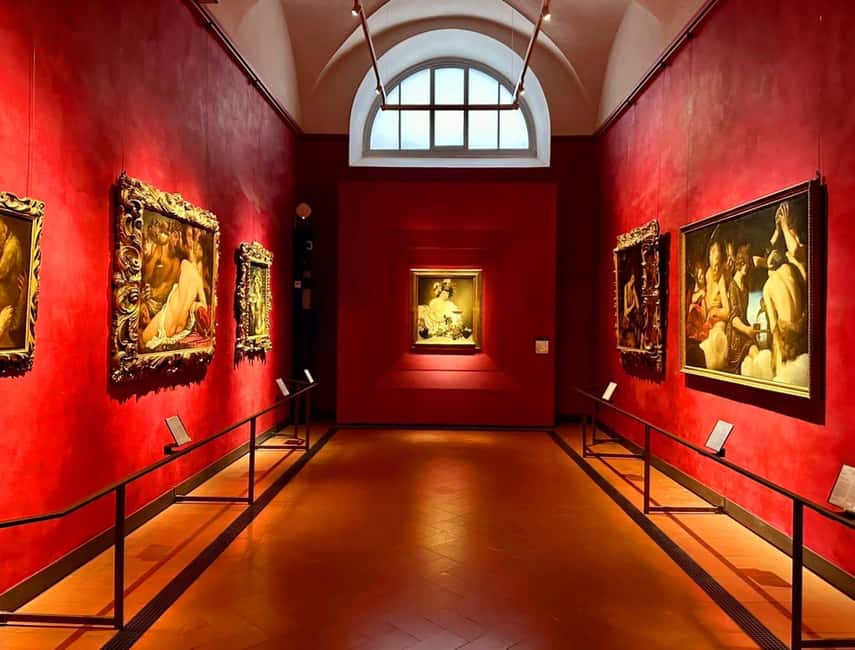
The Uffizi is one of those museums where crowds can make the experience feel rushed even when you are trying to take your time. This ticket is built around the idea that time matters. You get priority access so you spend less time stuck outside and more time inside looking.
Here is the practical side: there is no meeting point, and you will receive your entry tickets and audio guide electronically (email, WhatsApp, or iMessage). When you arrive, you go straight to Museum Entry Gate #1. Bring a valid ID or passport and show it along with your digital tickets for immediate entry. No voucher exchange is needed, so you avoid the extra step that often slows people down.
Also plan for reality. Even fast-track tickets do not skip all procedures. You should expect a mandatory security check that can take about 15 to 30 minutes during peak times. Your selected entry time may also run a bit late, up to around 15 minutes later than your slot. That is not a dealbreaker, but it helps to keep your expectations grounded.
If you like your museum visits structured but not controlled, this model fits. You get the key advantage of timed access, then you choose how long you stay with each painting.
A few more Florence tours and experiences worth a look

What You’ll Actually See: Botticelli, Caravaggio, and the Famous Names
The Uffizi’s reputation is earned. When you are inside, the museum practically hands you a checklist of Italian Renaissance and beyond. The highlights listed with this experience point to exactly the kind of works that people travel for.
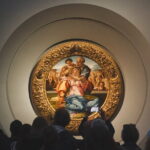
You can expect to encounter major stars such as Botticelli, Leonardo da Vinci, Michelangelo, Raphael, and Caravaggio. If you came to Florence hoping to connect those names to real, physical works of art, this is where you do it.
Two works stand out from the provided details, and they are worth anchoring your expectations around:
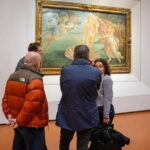
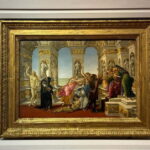
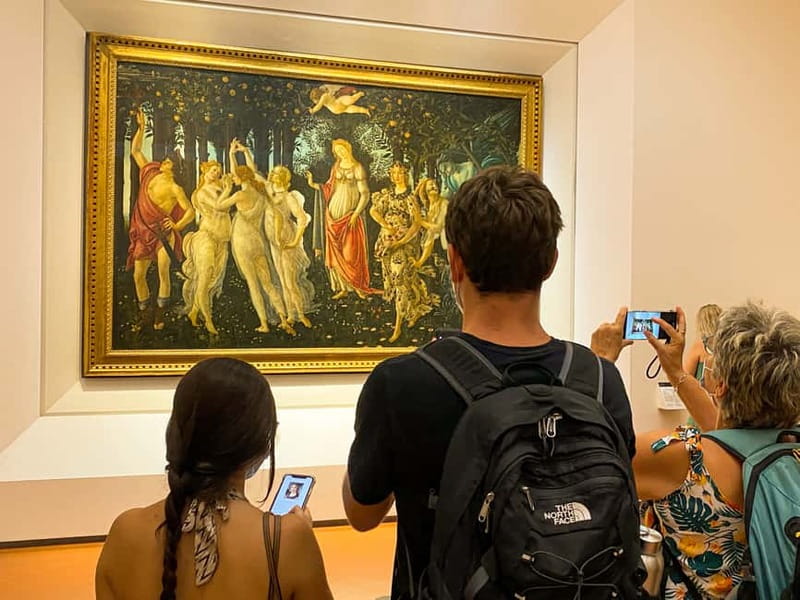
- Botticelli’s The Birth of Venus: This is the kind of painting where you can understand why people get emotional about it once you see the scale and the color in person. Even if you think you already know it from photos, you will likely notice details you never clocked online.
- Caravaggio’s Medusa: Caravaggio’s work has that sharp, dramatic tension. Standing close enough to see how the artist builds darkness and intensity makes a huge difference compared with a screen-sized image.
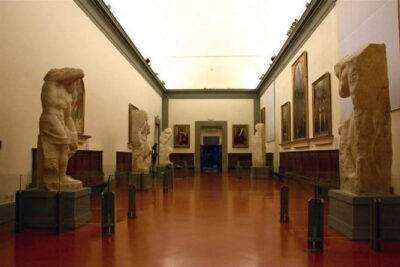
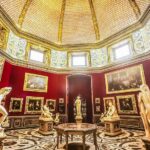
You also pass through the elegant corridors created by Giorgio Vasari, and one of the nice bonuses is that the building design gives views toward the Arno River as you move through spaces. That is a small thing, but it helps you reset your brain between dense galleries. When art starts to blur together, a quick sightline outside makes the museum feel less like a maze and more like a journey.
The Medici Connection: Why This Museum Feels Like a Time Machine
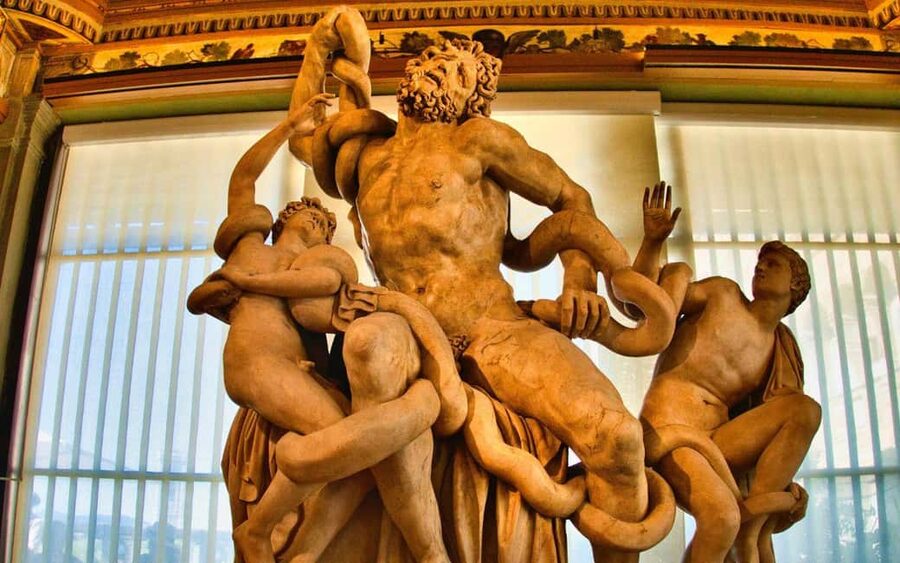
The Uffizi did not start as a museum. It began as offices for the powerful Medici family, and later it became a museum to showcase their collection. That change matters because it shapes the feel of the building and the way the collection reads.
When you tour any major museum, you are usually looking at art separated from the life that produced it. Here, the Medici origin gives you a strong framework: you are not only seeing Renaissance masterpieces, you are seeing the legacy of a family that was central to Florence’s politics, wealth, and taste. Even if you do not think about history while you walk, the context helps your eyes work smarter.
This is also one reason a self-paced visit can be good. If you want to spend extra time on an artist, you can. If you want to move quickly to get to the more famous works, you can do that too.
Audio Guide: How to Make the Included Recording Work for You
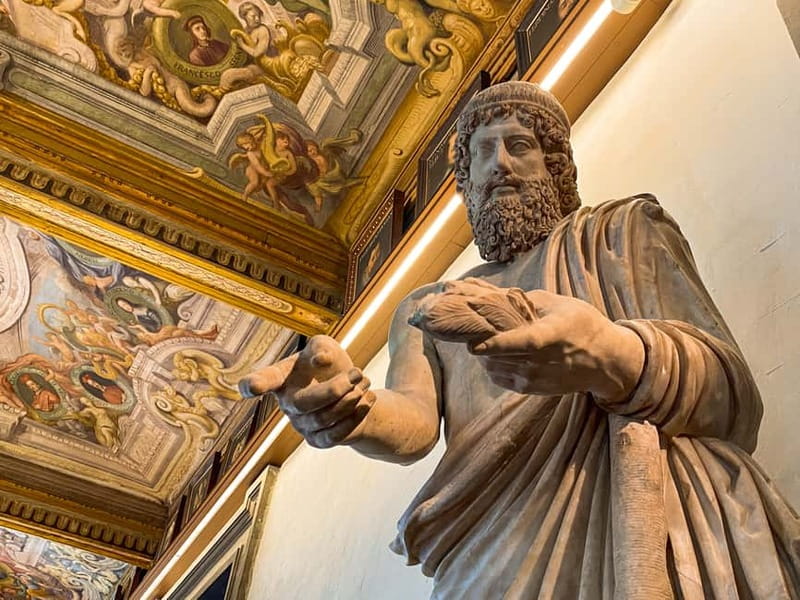
The audio guide is included, and it is available in English, Italian, Spanish, French, and Dutch. That is a big plus because language support usually determines how much you actually learn during a visit. You can understand what you are looking at without needing a live guide constantly hovering over you.
But the audio guide experience is only as smooth as your setup. The ticket includes the audio guide, yet headphones are not included. That means you should plan to bring your own. If you forget, you will lose one of the main benefits of the ticket.
Also, keep your expectations realistic about technology. The overall experience sounds good when the guide is working properly, and some guides have been praised for clarity and Q&A time. At the same time, a small number of past users reported issues accessing or playing the audio guide. Nothing in the details guarantees 100 percent success on every device, so I recommend this simple move: before you head into the museum, make sure the audio plays on your phone with headphones and that the correct language loads.
If you like learning at your own pace, this is where the audio guide shines. You can pause mentally, step back to take in the whole painting, then listen to context. You do not have to sprint to keep up.
A quick note on the on-site host
This option includes an English-speaking host/greeter. The details say you meet them as part of the experience, but there is still no formal meeting point listed. In practice, you should plan to ask for help at/near the entrance if you need it, and the supplier also notes an office option for support.
Some sessions include guides such as Fatima, who was specifically praised for being helpful and taking time to answer questions. If you end up with a guide like that, treat it as bonus value: ask one or two good questions, then go back to self-paced viewing.
You can also read our reviews of more guided tours in Florence





Getting Around the Uffizi: Freedom Without Losing Your Mind
A self-paced museum visit sounds easy until you realize big galleries can feel like a choose-your-own-adventure where every door looks the same. The key with this ticket is that you are not locked into a group schedule. You can focus on what you came for, then wander based on what grabs your attention.
Here is how to use that freedom without wasting time:
- Start with the most famous works you want to see, so you get the high-impact moments while your energy is high.
- Then use the audio guide to help you decide what to extend your time on. Audio explanations often reframe what you are noticing in the painting and make a second look more worthwhile.
- Expect that you will likely spend a good chunk of your 4-hour window moving through galleries and allowing for slower moments.
The experience says the duration is 4 hours. That is enough time to hit key masterpieces and still have breathing room. If you try to see everything quickly, you will miss what makes Uffizi art memorable.
Also, keep in mind the building is designed for viewing, not for quick exits. You will naturally slow down when you see works you know by name. That is a good problem to have, and the self-paced format helps you handle it.
Timing, Entry Slots, and the Security Check Reality
Let’s talk timing, because it can make or break your museum mood.
You book an entry slot, and your ticket supports fast-track entry. Still, the experience requires a mandatory security screening, and the wait can be around 15 to 30 minutes at busy times. Your actual entry time can also vary slightly—up to about 15 minutes later than your selected slot.
What this means for you: do not plan a tight dinner reservation right after. Give yourself a buffer. If you are also doing other Florence sights that require train-like timing, consider placing the Uffizi earlier in your day or choosing another major activity with flexibility after.
If you want the best flow, you can think of it like this: your ticket reduces the outside waiting, but inside you are still dealing with typical museum procedures and crowd density. The difference is that you feel in control rather than trapped.
What You Get for the Price: Is $29 Good Value?
The price listed is $29 per person for entry plus an audio guide. Value is not just the number; it is how much you protect your time and attention.
Here is what you are getting:
- Skip-the-line / fast-track entry, which is often the biggest time-saver at Uffizi
- A multilingual audio guide included (headphones are not, but at least you are not paying for a guide separately)
- Self-paced viewing, so you can actually use the time you buy
If you are someone who wants to walk through masterpieces without listening to a group script, audio + priority entry can be a cost-effective combo. The alternative is usually either paying more for a full guided tour or spending more time standing in line.
But value depends on how you plan to use the audio. If you are going to bring headphones and actually listen, the price feels more than fair. If you forget headphones or you are dealing with audio access issues, the value drops fast—because that is half of what makes this ticket more than basic entry.
Non-refundable policies are part of the package rules, so you should book only if your schedule is solid.
Best Fit: Who This Uffizi Ticket Works For
This experience is a small group option capped at 10 participants, with an English-speaking host/greeter. That small cap matters because it reduces the chance you feel lost in a crowd of tour groups.
You will likely enjoy this option most if:
- You want priority entry but prefer to explore at your own pace
- You like learning through an audio narrative rather than following a strict tour route
- You want multilingual support while still being self-directed
There are also clear limits. The details say it is wheelchair accessible, but it is not suitable for pregnant women and people over 95 years. If any of those apply, check alternative options that fit your needs better.
Food and drinks are not allowed, so plan to handle snacks before or after. The museum itself can take your attention, so it is smarter to arrive fed.
When to Book, and When to Skip It
Should you book this Uffizi entry ticket with audio guide? I would, with one caveat.
Book it if you want a smooth entry and you are committed to using the audio guide to guide your choices in the galleries. The combination of fast-track access and multilingual audio is a strong value play, especially in a museum where time and crowd stress are real.
Think twice if you hate depending on phone audio, or if you are traveling with strict timing and cannot tolerate any security-screening delays. Even with priority entry, you should expect a wait for security and slight entry-time drift.
If you go in prepared—digital tickets ready, headphones packed, and your audio tested ahead of time—you will get a better Florence day.
FAQ
Do I need a meeting point?
No. There is no meeting point. You should proceed directly to Museum Entry Gate #1.
How do I get the ticket and audio guide?
You receive the entry tickets and audioguide electronically via email, WhatsApp, or iMessage. Check your email and phone.
Do I need to exchange a voucher?
No voucher exchange is necessary.
What do I need to show at the entrance?
Show your digital tickets plus a valid ID or passport for immediate entry.
Is the audio guide included, and what language options are there?
Yes, the audio guide is included. It is available in English, Italian, Spanish, French, and Dutch.
Are headphones included?
No. Headphones are not included.
How long is the experience?
The duration is 4 hours, based on available starting times.
Will I still wait for security?
Yes. A mandatory security check is required for all visitors, and you should expect a 15–30 minute wait during peak times.
Is the museum access wheelchair-friendly?
Yes, the experience is listed as wheelchair accessible.
If you want, tell me your travel dates and whether you are more interested in Botticelli or Caravaggio. I can suggest a smart way to pace your 4 hours so you do not burn time in the wrong corridors.