REVIEW · BUDAPEST
Budapest: Light Art Museum Skip-the-Line Entry Ticket
Book on GetYourGuide →Operated by Intersputnik Kft · Bookable on GetYourGuide
Light turns a market hall into art. In Budapest, this skip-the-line ticket brings you into a repurposed historic marketplace where light, color, and optical tricks do the talking, not dusty labels.
What I like most is how interactive light installations keep changing your point of view. I also love the way you’ll encounter references to famous light and op-art names like László Moholy-Nagy and Victor Vasarely, even if you’re not an art expert.
One heads-up: the museum is not huge, so a full day here is unrealistic. Most visits land closer to 1 to 2 hours, depending on how long you linger.
In This Review
- Key things to know before you go
- What the Light Art Museum actually is
- Skip-the-line ticket value and best timing
- A smart route: start upstairs, save your energy for downstairs
- Signature rooms you’ll likely remember
- The sphere experience
- The air-lock dome (and why lying down matters)
- Floating tent and airship-like installation
- Optical illusions, projection mapping, and why it feels fun
- The artists behind the light: Moholy-Nagy and Vasarely
- What to expect from the layout and rooms (and what might be closed)
- Families with kids: fun for some ages, tricky for others
- Price and value: is $21 worth it?
- Accessibility and comfort considerations
- Should you book the Light Art Museum ticket?
- FAQ
- How much does the Light Art Museum ticket cost?
- How long do I get inside?
- Is this ticket really skip-the-line?
- Is there a tour guide included?
- What’s the meeting point?
- What languages are available?
- How flexible is the booking?
- Is the ticket valid for more than one day?
- Is it good for families with children?
Key things to know before you go
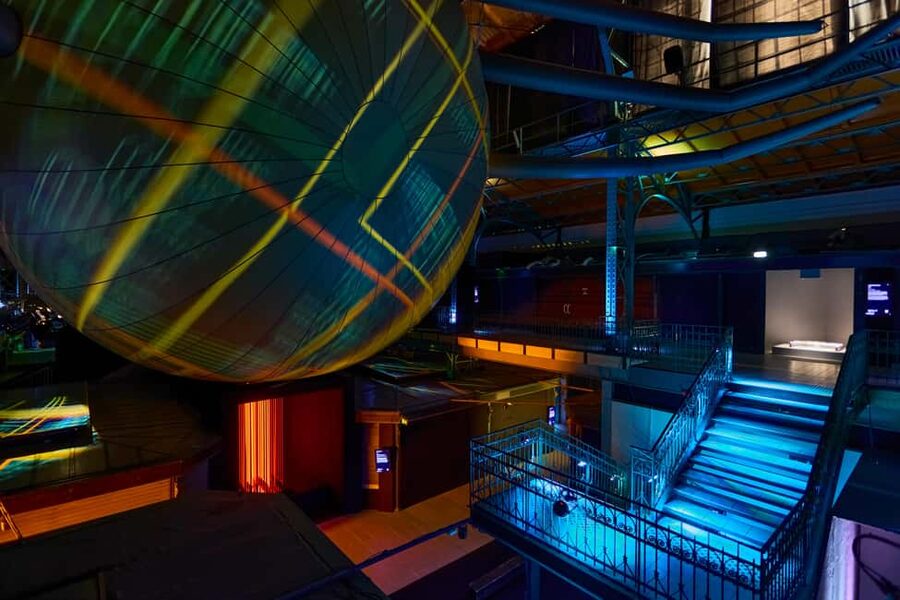
- Skip-the-line option so you spend time looking, not waiting
- 2 hours of entry built into the ticket, which fits a short Budapest day
- Downstairs tends to land harder than upstairs, so don’t rush the bottom rooms
- Signature moments like the sphere, air-lock dome, floating tent, and airship-like pieces
- Photo-friendly light effects that reward slow walking and a steady gaze
- Some areas are adult-only (18+), so plan for that if you’re with kids
What the Light Art Museum actually is
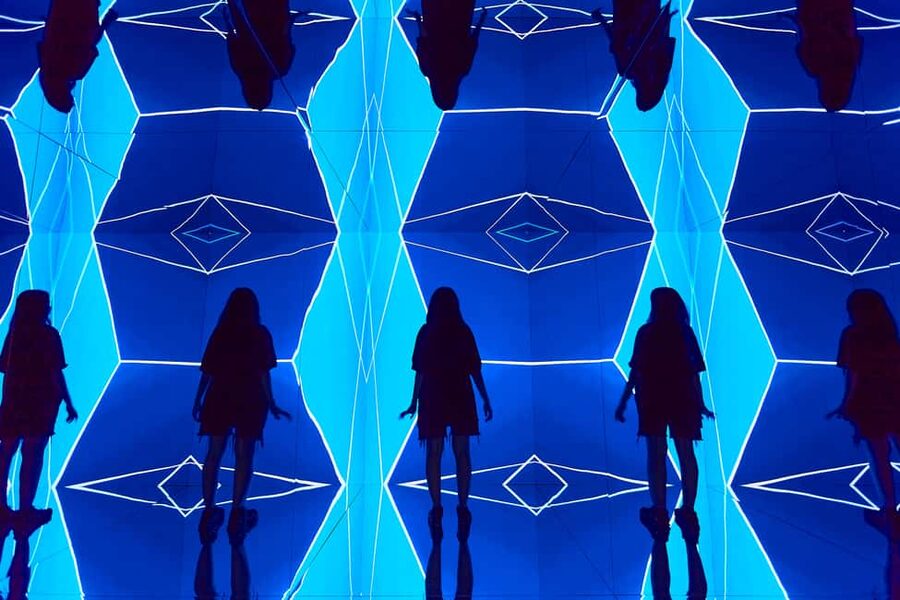
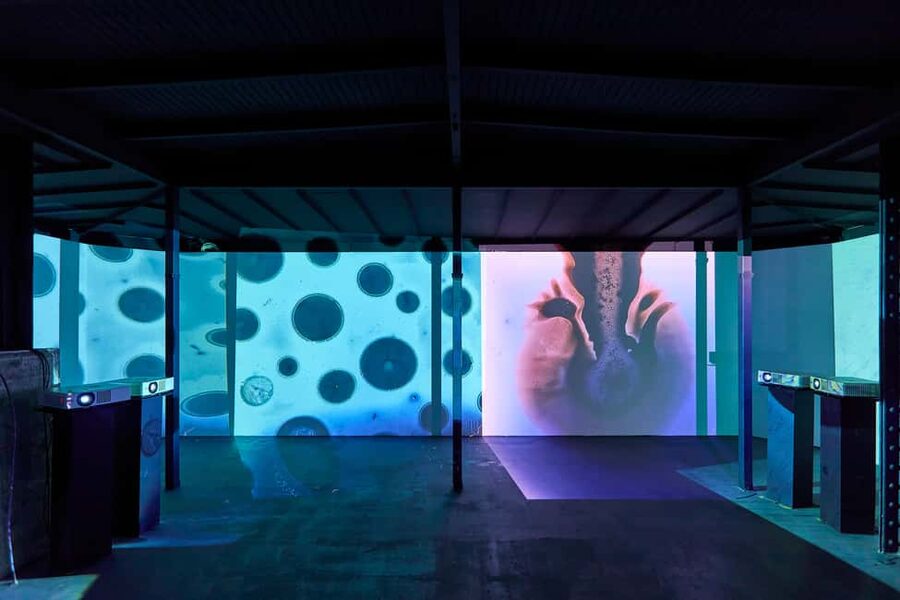
This isn’t a classic museum with quiet portraits and a single route. The Light Art Museum turns a former farmers’ market hall into a space where art and science get along. You walk through rooms built around light, shadow, projection, and optical illusions, and you experience the works as changing environments rather than framed objects.
If you like modern art but sometimes find it a little too serious, this place is different. You still get explanations on the walls, but you’re mostly there to see what light can do to your brain. It feels closer to a science show with stronger art direction, and that’s a good thing when you only have one or two spare hours in Budapest.
A few more Budapest tours and experiences worth a look

Skip-the-line ticket value and best timing
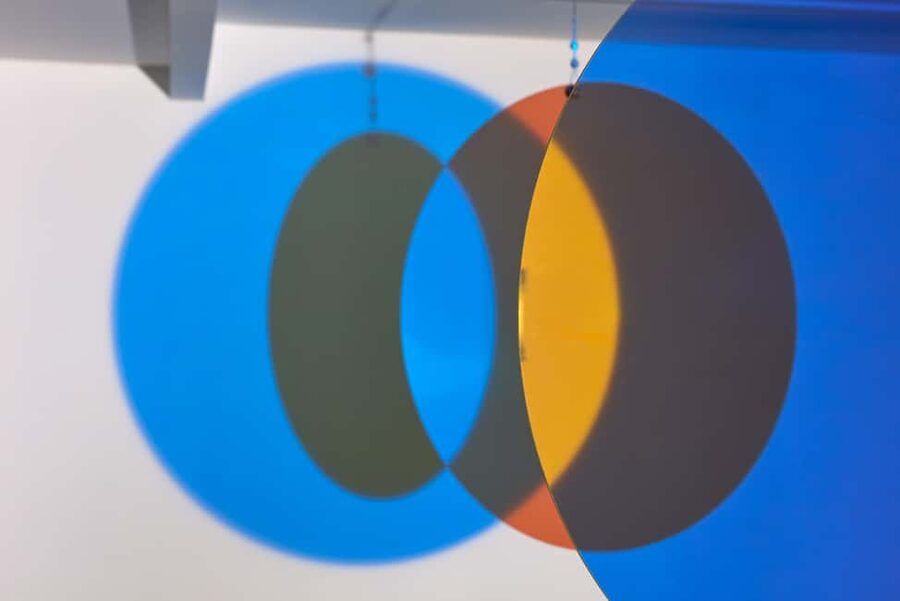
Your ticket includes admission with a skip-the-line option, and the visit window is set for about 2 hours of exploration. That matters because this kind of museum works best when you can move at your pace and re-visit the room that really grabs you.
Booking smart also helps the overall vibe. Reviews point out that entry is managed so it doesn’t get uncomfortably crowded, which makes sense for a space where lighting effects need room for people to move and look without shoulder-checking.
Practical tip: treat this like a “before dinner” plan. If you arrive first thing, you’re more likely to have breathing space in the signature installations, where slowing down is part of the fun.
A smart route: start upstairs, save your energy for downstairs
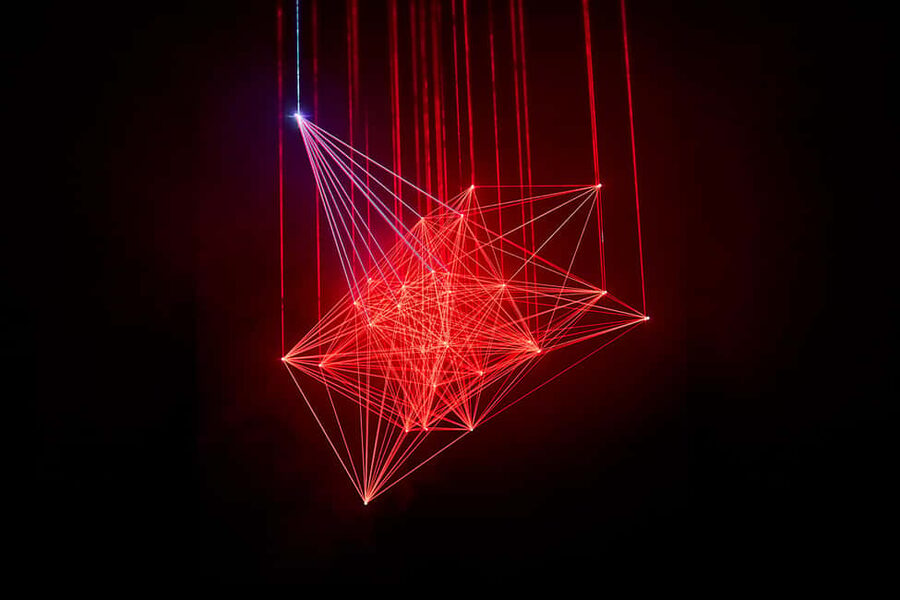
Here’s a simple plan that works: start with the smaller rooms upstairs, then work your way down. One good reason is pacing. Upstairs can feel like setup, with smaller ideas and optical moments that get you oriented.
Then the museum turns up the volume downstairs. Multiple visitors report that the downstairs rooms are better, and that you’ll want more time at the big set pieces than you might expect.
So how long should you go? With a ticket that’s meant for around 2 hours, I’d plan 90 minutes if you’re scanning, and 2 hours if you actually read the info panels and try a slower walk-through.
Signature rooms you’ll likely remember
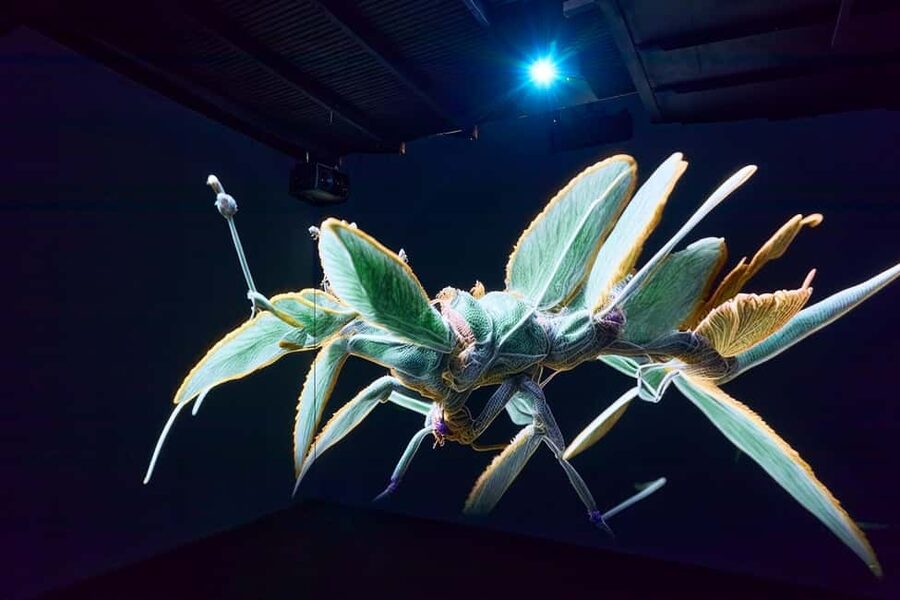
This is the part where you stop thinking and just watch light do its thing.
The sphere experience
The sphere is a standout. It’s described as unbelievable, and it’s the kind of installation that changes how you feel about being inside a space. If you’ve ever seen a video of light art and thought it looked cool but not real, this is the “wait, it’s even better here” moment.
If there’s only one piece you want to linger at, make it the sphere. It’s also the sort of room where photos can look flat if you rush, so take a minute just to notice how the light shifts.
You can also read our reviews of more museum experiences in Budapest

The air-lock dome (and why lying down matters)
Another crowd favorite is the air-lock dome. The trick is how you experience it. There’s a clear recommendation to lie down to get the best view, which tells you the design expects your body to change position, not just your eyes.
This is a great “time saver” room too. You’ll learn more from spending 5 slow minutes here than from skimming 20 minutes of text elsewhere.
Floating tent and airship-like installation
You might also catch an incredible big floating tent, and some people highlight an airship/blimp-like piece as a highlight. These are the works that give you that wow shock: the light looks suspended, warped, or staged like a performance.
Even if you don’t know the art references, you’ll probably get the point fast: light can be engineered to look physical.
Optical illusions, projection mapping, and why it feels fun
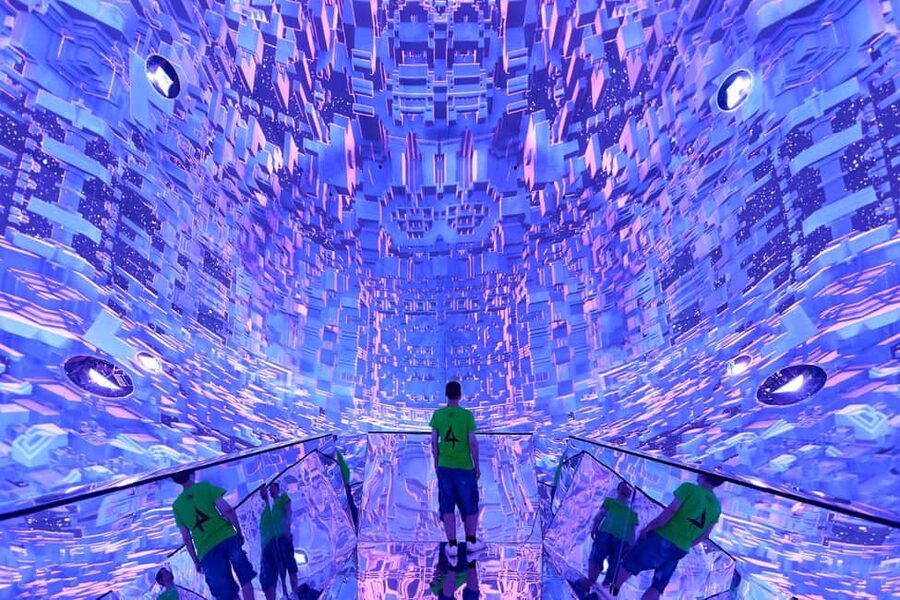
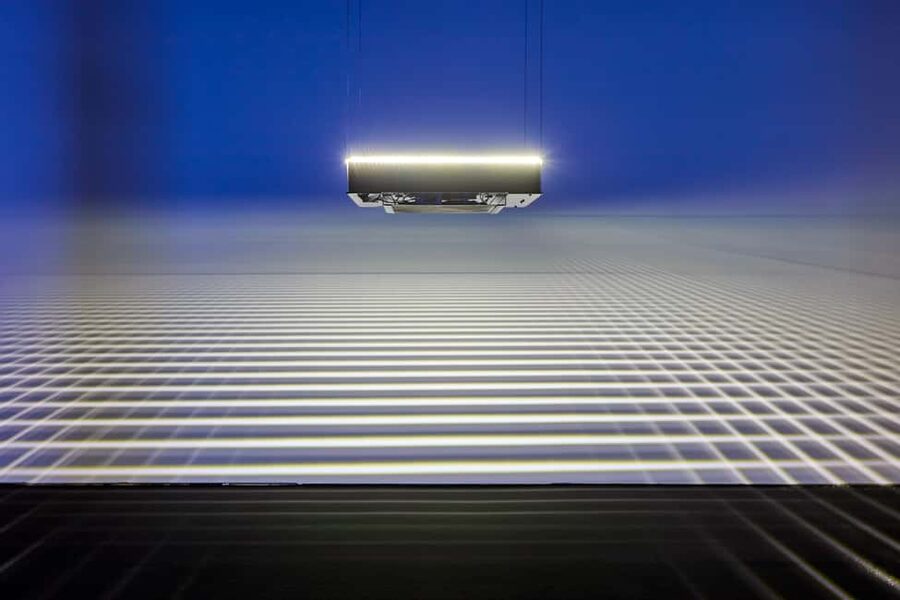
A lot of this museum is built on one idea: your eyes will believe what light suggests. That means you’ll see things that look like they move, patterns that feel like they’re shifting, and surfaces that don’t behave the way you expect.
Projection and optical effects can be hard to appreciate in bright daylight, which is exactly why an indoor museum like this works. You get controlled darkness and controlled light, so the illusions have a chance to land.
Photo note: go for variety. If you only photograph the “wow” moments, you’ll miss the smaller optical rooms that look subtle but are actually the most convincing once you stand close and watch the effect change.
The artists behind the light: Moholy-Nagy and Vasarely
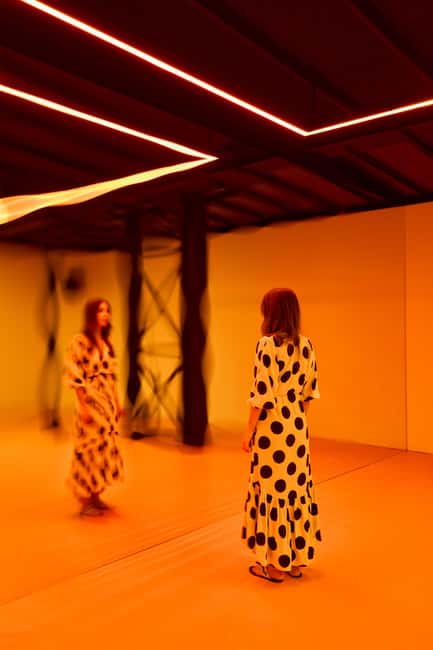
Two names come up in this museum experience often enough that they’re worth knowing before you arrive: László Moholy-Nagy and Victor Vasarely.
- Moholy-Nagy is a pioneer associated with modern ideas around light and how new media can become art.
- Vasarely is tied to op art, where pattern and perception are the real subject.
You don’t need a lecture to enjoy the references. But if you glance at the info panels at a couple of stops, you’ll start spotting what the museum is doing with the legacy of light art: taking earlier concepts and making them physical, room-sized, and interactive.
If you’re the type who likes to connect what you’re seeing to a bigger art story, this is a smart museum day.
What to expect from the layout and rooms (and what might be closed)
Based on the experience pacing, you should treat this as a walk-through with distinct zones rather than a single hallway. Many people describe “many rooms,” but also note it’s manageable, so you can keep control of your schedule.
There are two practical expectations from real visits:
- Some exhibits may be closed, and the time it takes to walk through open sections can shrink quickly.
- There can be a section specifically for over 18, which matters if you’re traveling with kids or teens.
If you show up with a must-see list in your head, keep it flexible. The whole point here is to respond to what’s lit up and working on the day you go.
Families with kids: fun for some ages, tricky for others
This is one of those attractions that can work well as a family plan, but only if you match the age to the environment.
On one hand, there are signs pointing to kid-friendly moments, and families with children have enjoyed the experience, especially the light-based wow-factor rooms. On the other hand, some people specifically warn that it’s not ideal for small kids, except for certain features like a balloon-themed segment.
So here’s the rule I’d use: if your child can handle dim rooms and can read basic labels or at least enjoy a guided sense of curiosity, this works. If your child needs nonstop stimulation or hates rules around adult-only areas, you might find parts frustrating.
Also, don’t assume every room will hold a 2-year-old’s attention the same way. Plan for short stops, then let the fun installations carry the day.
Price and value: is $21 worth it?
At around $21 per person, the value depends on how you like to spend museum time.
If you’re used to art museums where you can easily spend half a day, this will feel shorter. That’s not a scam; it’s just how this kind of light installation art is built. It’s designed for focused viewing, a couple of big signature rooms, and a walk-through that stays under control.
If you want a unique Budapest experience that doesn’t require a full-day commitment, it’s a strong deal. Reviews frequently call out good value for money, and many people report finishing in about an hour, sometimes up to two.
My advice: treat it like a “main activity” for a spare window in your day. Pair it with a meal nearby, and you’ll feel like you used your time well.
Accessibility and comfort considerations
The museum environment is mostly about low light, strong visual effects, and close-up viewing. Some rooms may ask you to change how you stand or sit, and the air-lock dome is the clearest example where your body position matters.
Also, because there are zones including an 18+ area, it’s smart to think ahead if you’re traveling with a mixed-age group. You may not be able to do every room together.
If you’re sensitive to flashing effects or strong projections, it’s worth taking it easy and stepping out for a minute when needed.
Should you book the Light Art Museum ticket?
Book it if:
- You like modern, playful art where the medium is light
- You want a quick, memorable activity for your Budapest day
- You enjoy optical illusions and don’t mind reading some panel info
- You’re curious about Moholy-Nagy and Vasarely references without needing an art degree
Skip or reconsider if:
- You want a big, multi-hour classic museum with lots of galleries
- You’re traveling with very young kids who can’t handle rules around adult-only zones
- You’re the type who needs every exhibit to be open to enjoy it, since some installations may be closed
If you’re on the fence, I’d still lean toward booking, because the strongest works like the sphere and air-lock dome tend to be the kind of experience you remember long after the photos stop looking like much.
FAQ
How much does the Light Art Museum ticket cost?
The ticket is priced at about $21 per person.
How long do I get inside?
The ticket includes 2 hours of exploration.
Is this ticket really skip-the-line?
Yes. The option includes skip the ticket line, and you should let the hosts know you want to use it.
Is there a tour guide included?
No. Your ticket includes admission only, and there is no tour guide.
What’s the meeting point?
If you’d like to skip the line, let the hosts know. No fixed meeting point details are provided beyond that.
What languages are available?
The host or greeter speaks English and Hungarian, and the language options listed are English and Hungarian.
How flexible is the booking?
You can reserve and pay later, and there is free cancellation up to 24 hours in advance for a full refund.
Is the ticket valid for more than one day?
It’s valid for 1 day, with starting times based on availability.
Is it good for families with children?
It can be good for families, but it’s not a one-size-fits-all option. There is at least one area described as over 18, and some people say it’s not ideal for very small kids.