REVIEW · BUDAPEST
Budapest: Street Art Tour
Book on GetYourGuide →Operated by Budapestflow.com · Bookable on GetYourGuide
Street art in Budapest hits differently. This 3-hour Budapest: Street Art Tour uses murals, graffiti, and street-level messages to explain contemporary culture, history, and politics where you can actually see it on the walls. You’ll spend most of the walk in the Jewish Quarter, where the art feels connected to daily life, not just decoration.
What I really like is the way the guide talks through each piece. You don’t just point and shoot; you learn the themes and the socio-political context, plus who the artist is and why the work matters. I also like the small group setup, limited to 6 participants, which makes it easy to ask questions and get answers on the spot, like I did with guides such as Attila (sometimes written as Atilla).
One thing to consider: you get coffee (included) but no included food. So if you’re the type who needs a snack during a 3-hour walking tour, plan ahead, especially if the weather turns wet and you slow down a bit.
In This Review
- Key highlights to look for on this street art tour
- My Little Melbourne Start: where the tour gets grounded
- Jewish Quarter Walls: the street art map you can actually follow
- How the guide reads each mural: themes, politics, and artists
- Local artists leading the story: why this scene feels current
- Coffee break reality check: what’s included and what to plan
- Rain, shoes, and 3 hours of wall-gazing
- Price and value: is $53 for 3 hours worth it?
- Who should book this street art tour?
- Should you book this Budapest street art tour?
- FAQ
- How long is the Budapest Street Art Tour?
- How much does the tour cost?
- What is included in the tour?
- Where does the tour meet?
- Is the tour wheelchair accessible, and what languages are offered?
- What are the group size and cancellation terms?
Key highlights to look for on this street art tour
- Start at My Little Melbourne and get a complimentary coffee to fuel your walk
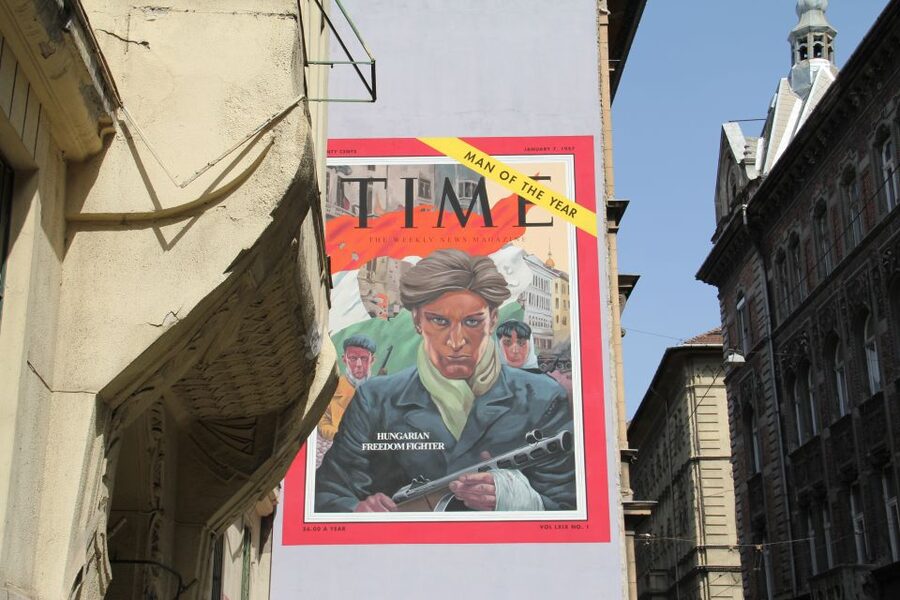
- Jewish Quarter street art focus with murals and graffiti you can actually find on the walls
- Piece-by-piece meaning: themes, socio-political context, and artists behind the work
- Small group Q&A capped at 6 people for real back-and-forth with your guide
- Local artists at the center of what you’ll see, and why that matters for Budapest culture
My Little Melbourne Start: where the tour gets grounded
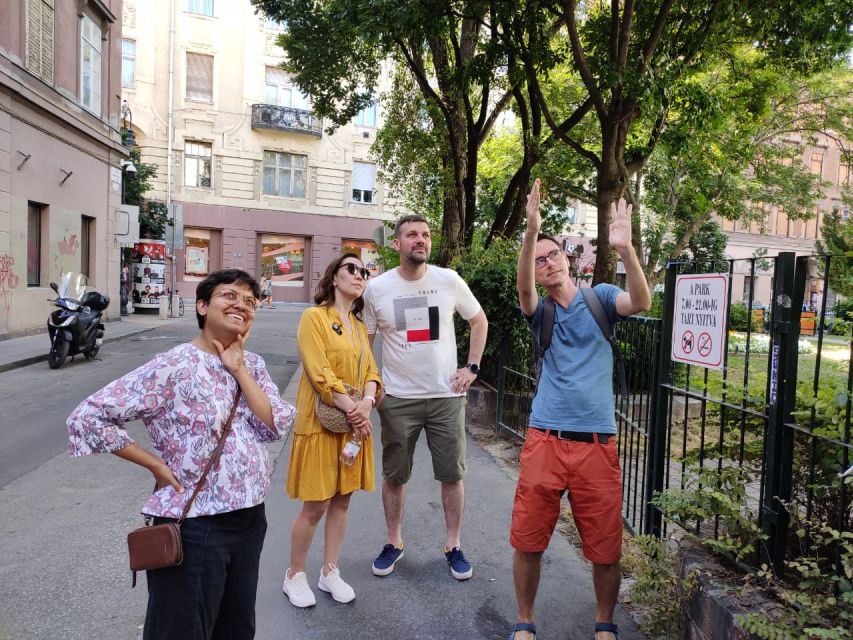
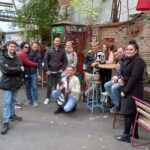
The tour meets at the entrance of the coffee shop My Little Melbourne. That matters more than you might think: you’re starting in a real neighborhood space, not at a generic tourist “assembly point.” It sets the tone for the whole experience—local rhythm, local context.
You’ll also have a complimentary cup of coffee as part of the experience. I like this because it breaks the ice. Early on, you’re more willing to ask questions, and the guide can quickly calibrate what you’re interested in—art style, politics, or just how to read what you’re seeing.
This is a walking tour with a lot of looking time. If you’re hoping for quick photo stops only, you might feel slightly impatient. But if you enjoy slow attention—reading walls like you’d read posters in a city—this start works well.
A few more Budapest tours and experiences worth a look

Jewish Quarter Walls: the street art map you can actually follow
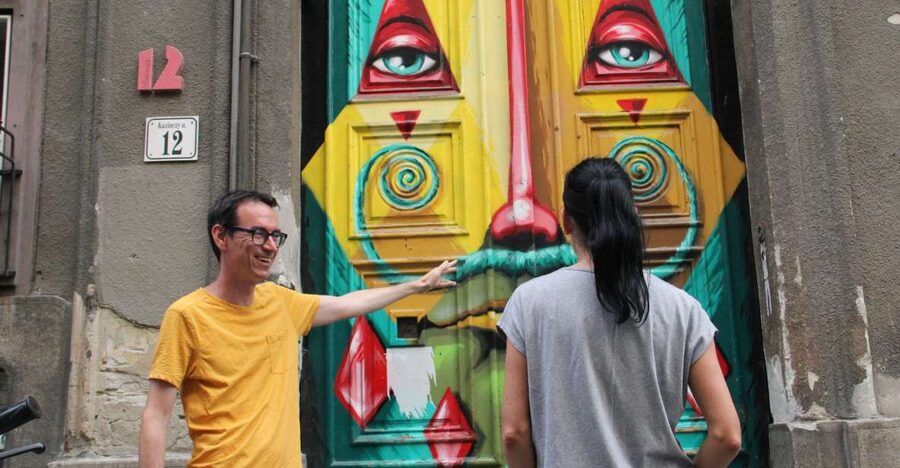
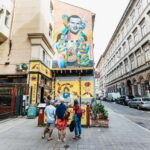
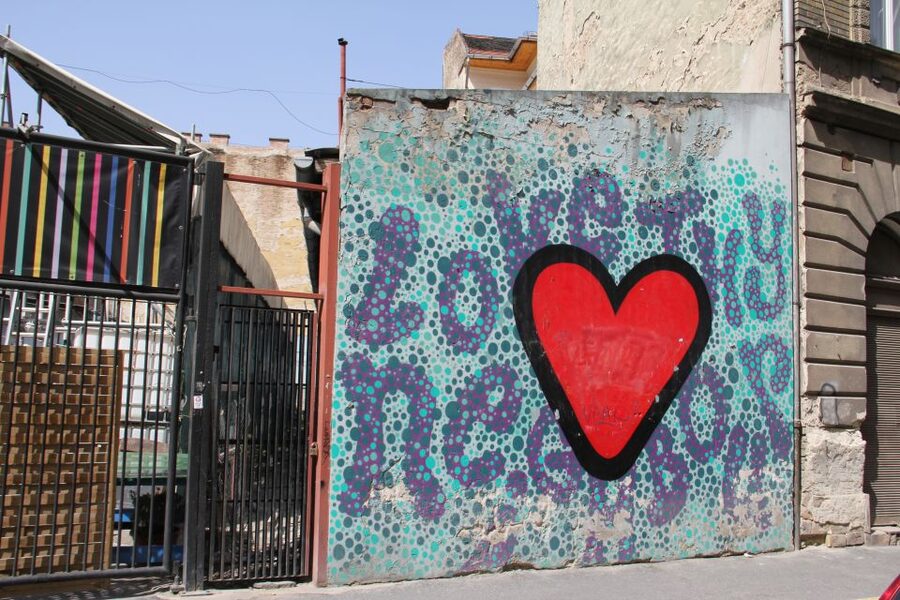
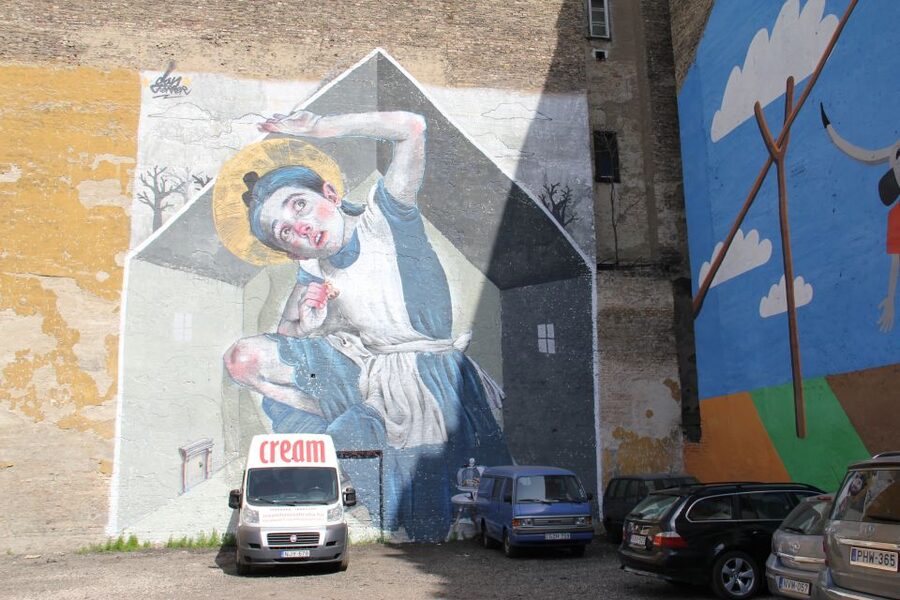
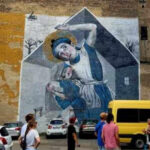
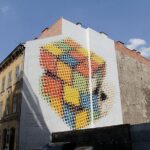
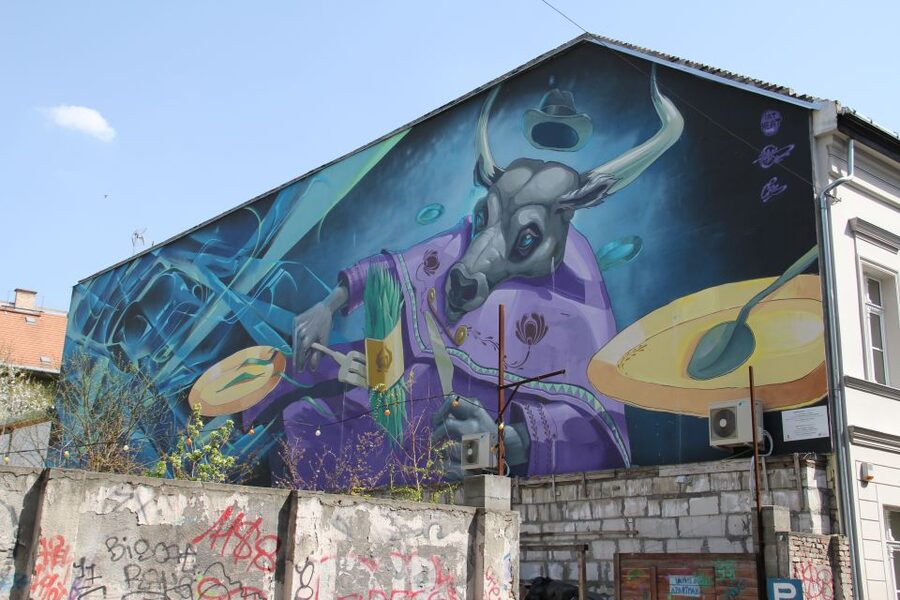
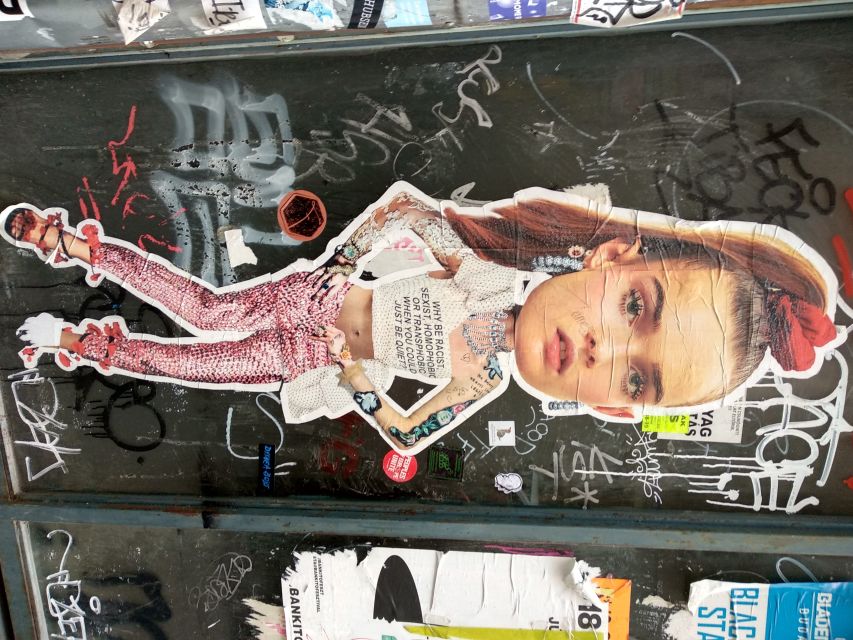
Most of the tour focuses on the Jewish Quarter, where street art appears around places that might look plain at first glance. The art isn’t all flashy murals either. You’ll see a mix of murals, graffiti, and other street art forms, and the guide helps you “see the pattern” that most first-time visitors miss.
The practical benefit for you: you leave with a mental map of what to look for when you wander later. Street art is easy to overlook when you’re just passing by. On this tour, you train your eyes—what a tag might be signaling, how a mural’s imagery can connect to identity or community, and how artists use location as part of the message.
There’s also an honesty to where you’re walking. The area is full of everyday movement, and the street art feels like part of the same conversation. It doesn’t feel like it was installed for tourists. It feels like it grew out of people living here.
How the guide reads each mural: themes, politics, and artists
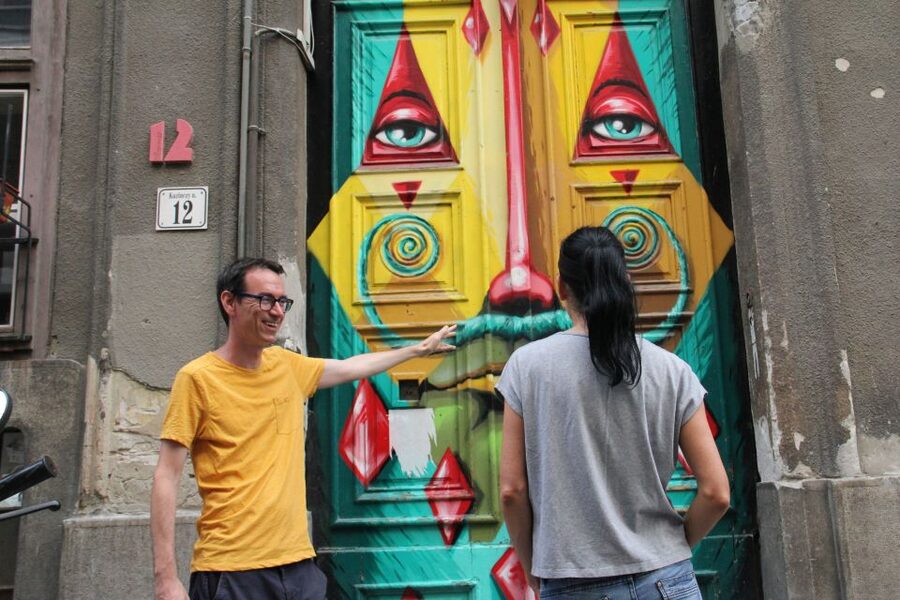
This tour’s biggest strength is the guided discussion of each piece. The guide doesn’t treat street art like a random collage. Instead, you’ll get a discussion of the themes in the work, the socio-political context behind it, and the artists connected to the artworks.
That approach changes your experience fast. A lot of street art is hard to interpret if you don’t know the cultural background. With a guide, you start connecting visual cues—symbols, language, style choices—to the real-world topics they’re pointing at.
I also like that the tour is built around conversation. You’re not just listening to a monologue for three hours. In a small group of up to 6, you can ask questions and keep your learning tied to what you care about—whether that’s contemporary culture, local politics, or the personal stories artists are trying to express.
Local artists leading the story: why this scene feels current
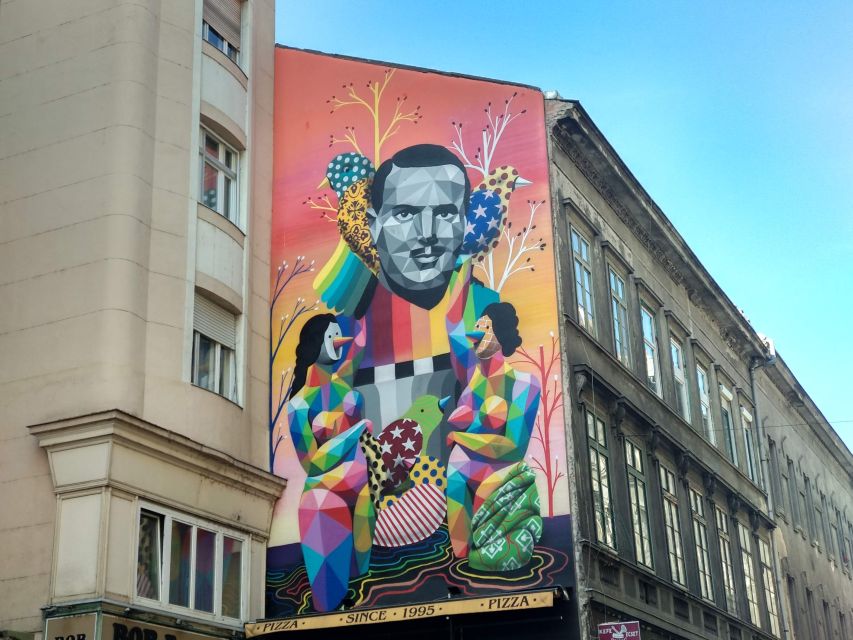
You’ll hear that local artists dominate the street art scene you’ll see on this tour. That matters because it makes the work feel grounded in lived experience. It’s not international art “imported” to look cool on a wall. It’s Budapest voices, using public space to talk back.
In practical terms, the guide points out how street art here can celebrate ideas, values, and ways of life that locals care about. That doesn’t mean everything is cheerful. It means the art is often a response—about identity, community tensions, or political pressure—expressed in images you can see without needing a museum ticket.
If you’re the kind of traveler who likes understanding the city in layers, this tour gives you an extra layer. Budapest can look timeless from a distance. Street art forces a different question: what are people arguing about right now?
Coffee break reality check: what’s included and what to plan
A stop at a cozy local café is part of the experience, and the coffee is included. The tour is designed around that, not around a full meal.
So here’s my practical advice: eat before you go, or plan a proper meal right after. If you’re using this as your main “food moment” in the area, you’ll likely be disappointed. But if you treat coffee as the pleasant pause it’s meant to be, you’ll enjoy it.
Also, bring a little patience. Street art tours tend to move at the pace of discussion. If you’re rushing between sights, this one will feel slower than the typical checklist approach. If you’re trying to understand the city, it feels like the right speed.


Rain, shoes, and 3 hours of wall-gazing
This is a three-hour walking tour with an outdoor focus. That sounds simple, but comfort matters when you’re out there looking at details for a long time.
One thing I recommend: wear shoes you trust. Street art isn’t a quick glance game; you’ll stop, look closely, and absorb explanations. In rain, the ground gets slick and the experience can slow down, but the time still tends to fly when you’re engaged with the stories.
If the weather is bad, dress for it. A hooded jacket beats digging for your umbrella mid-walk. And bring something for your phone camera if you like taking photos—street art is photo-friendly, but you don’t want to risk electronics in wet conditions.
Price and value: is $53 for 3 hours worth it?
At $53 per person for a 3-hour guided small-group walk, the value comes down to what you want from the experience.
You’re paying for:
- an English-speaking live guide
- discussion-heavy interpretation of multiple street art pieces
- a small group format limited to 6 participants
- coffee included
If you wanted only quick sightseeing, there are cheaper options. But if you want meaning—how the art connects to history, culture, and politics—that’s where the price starts to make sense. A guide who can explain socio-political context turns street art from “cool visuals” into real understanding.
In short: it’s good value when you’re interested in contemporary Budapest and you like learning as you walk.
Who should book this street art tour?
This tour is a strong fit if you:
- love cities where art reflects current issues, not just old monuments
- want an angle on Budapest that isn’t only architecture and museums
- enjoy small-group conversations and asking questions
- are curious about the Jewish Quarter beyond its traditional landmarks
It might be less ideal if you want a fast hit of famous viewpoints or you’re not interested in interpretation. Street art is personal and sometimes political, so this one works best when you’re open-minded and ready to think.
Should you book this Budapest street art tour?
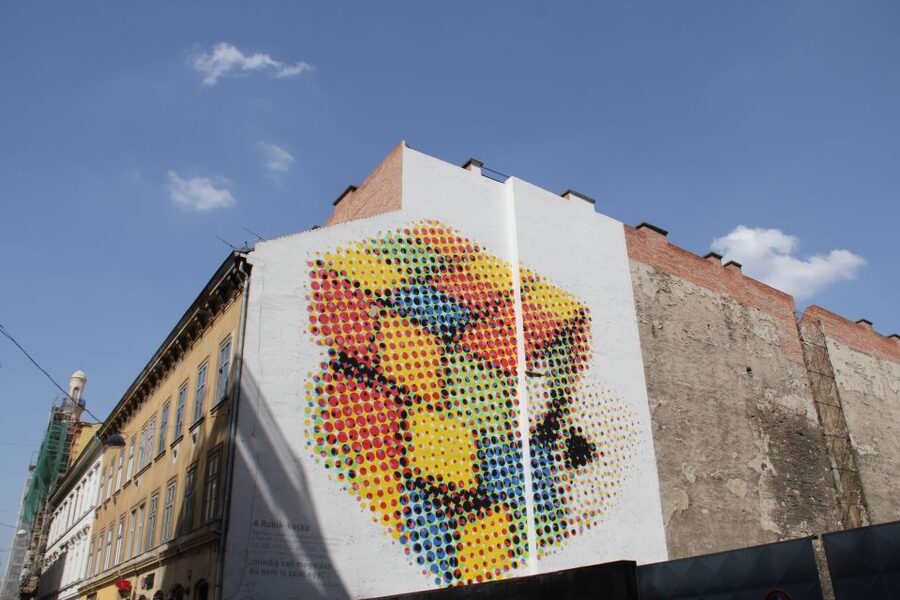
I’d book it if you want Budapest from the street outward. The piece-by-piece explanations, the focus on the Jewish Quarter, and the chance to ask questions in a group limited to 6 are the big reasons to do it. If you’re excited by modern culture—ideas, identity, and politics shown through public art—this tour matches that curiosity well.
Skip it (or go in with lower expectations) if you mainly want a photo scavenger hunt and you don’t care about the meanings behind what you’re seeing. Also eat beforehand; you’ll have coffee, not a meal.
FAQ
How long is the Budapest Street Art Tour?
It lasts 3 hours.
How much does the tour cost?
The price is $53 per person.
What is included in the tour?
Coffee is included.
Where does the tour meet?
You meet at the entrance of the coffee shop My Little Melbourne.
Is the tour wheelchair accessible, and what languages are offered?
The tour is wheelchair accessible, and the live guide speaks English.
What are the group size and cancellation terms?
The group is limited to 6 participants. There is free cancellation up to 24 hours in advance for a full refund.