REVIEW · ATLANTA
Atlanta: Beltline Food, Street Art, and History Walking Tour
Book on GetYourGuide →Operated by Food Tours Atlanta LLC · Bookable on GetYourGuide
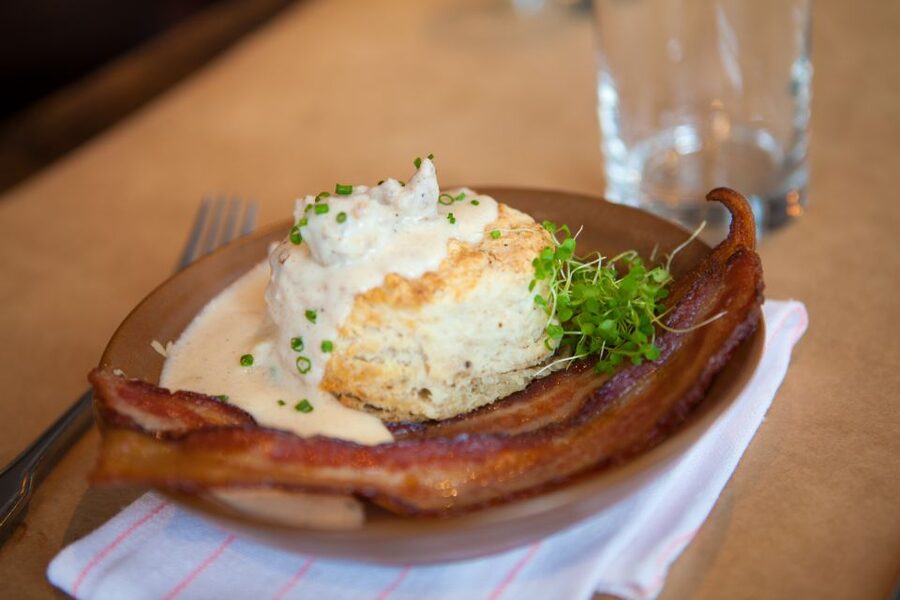
Food, murals, and neighborhood stories in one walk. This 3-hour Atlanta Beltline tour mixes Inman Park street-level history with tastings at 6 locally owned restaurants, then finishes back at Krog Street Market. I love the contrast of classic Southern comfort like black pepper biscuits with gravy and bacon alongside modern takes you can’t find anywhere else.
One catch: the Atlanta Beltline Eastside Trail is not shaded, so bring a hat, sunscreen, and some bug spray in warm months. The pace works best if you’re comfortable walking about 2 miles mostly downhill, with lots of stops to eat, and if you’re good with a lively group led by hosts like Michael or Janice.
In This Review
- Key things I’d prioritize before you go
- Why this Beltline walk feels more real than a typical food tour
- Meeting at Krog Street Market and settling into the rhythm
- Inman Park’s story on foot: from suburb-on-a-hill to urban comeback
- Southern comfort foods, plus the modern Southern turns you’ll be talking about
- Street art on the way to the Beltline: you’ll want your camera ready
- Krog Street Market: the final food-hall payoff
- How the 3 hours actually feel: walking, stops, and pacing
- Price and value: where $99 really goes
- Who this tour fits best (and who should skip it)
- Should you book the Atlanta Beltline Food, Street Art, and History Walking Tour?
- FAQ
- How long is the Atlanta Beltline Food, Street Art, and History Walking Tour?
- Where do I meet for the tour?
- What’s included in the ticket price?
- How much walking is involved?
- Does the tour run if it’s raining?
- Is water provided during the tour?
- Is this tour wheelchair-friendly?
Key things I’d prioritize before you go
- Six award-winning tastings across locally owned restaurants, built to add up to a satisfying lunch
- Classic Southern comfort meets modern Southern twists, from biscuits and gravy to dumplings and kale salad
- Inman Park’s neighborhood story, including how it shifted from 1890s suburb to later decline and then revival
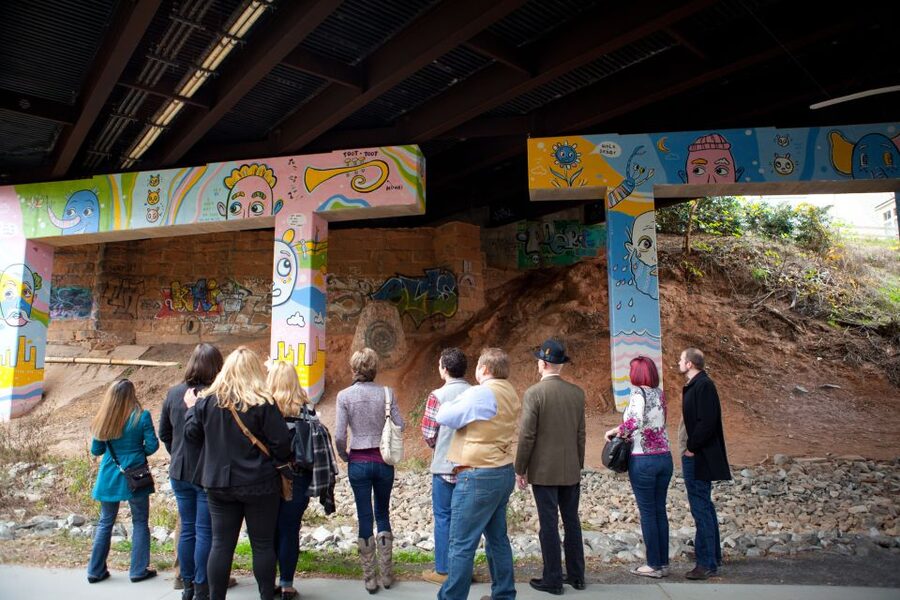
- Beltline Eastside Trail mural photo stops, perfect for turning your walk into a mini gallery crawl
- Krog Street Market as the finish, a food-hall vibe that’s easy to enjoy when you’re already hungry
- A craft cocktail tasting (21+) made with local vodka, if you’re of age
Why this Beltline walk feels more real than a typical food tour
Atlanta’s neighborhoods connect in a way that’s easy to miss if you only drive. This tour uses that street-to-street closeness to make the food part personal: you’re tasting while you’re also hearing why these blocks look the way they do.
You also get two different “Atlanta” moods in one outing. Inman Park brings tree-lined, early-city architecture and a very human timeline of change. Then the Beltline Eastside Trail shifts the tone to public art and outdoor walking, with iconic murals that actually look better in person than in photos.
The big value for me is the way the tastings are spread out. You’re not just sitting at one place and getting fed. Instead, you’re moving through different corners of the city, so the meal becomes part of the route.
You can also read our reviews of more tours and experiences in Atlanta.

Meeting at Krog Street Market and settling into the rhythm
You start inside Krog Street Market, near Little Tart Bakeshop, and your guide will be wearing a brown messenger bag with Food Tours Atlanta on it. That’s helpful because you’re not hunting down a single corner or a specific street light. Once you’re in, you’ll get the flow fast: short walk, tasting, short walk, tasting.
Parking is pretty doable if you’re driving. You can use on-street parking along Lake Ave, or the paid lot at 659 Auburn Ave NE (about a block from the market). The tour begins on time, so if you’re running late, you can still join in-progress.
One practical tip: grab a spot to refill or buy water before you hit the first snack stop. You’ll have water at restaurant stops, but bringing your own bottle to refill makes the walk easier.
Inman Park’s story on foot: from suburb-on-a-hill to urban comeback
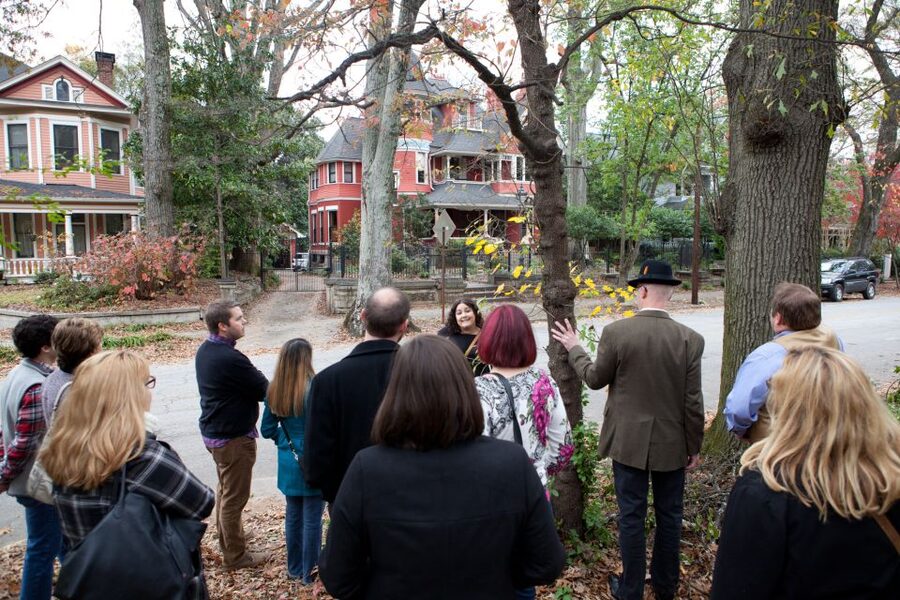
The Inman Park part of the walk is where you’ll start to feel why a neighborhood tour makes sense with a food tour. The guide connects the blocks you’re seeing with the timeline that shaped them.
You’ll hear how Inman Park developed as a posh suburb back in the 1890s, then later became blighted in the 1960s, before urban pioneers helped bring it back by renovating older Victorian homes. Walking it, you can really see the mix of preservation and reinvention: the kind of place where the street layout, building styles, and community identity all carry memory.
Inman Park is also set up for a comfortable pace. The tour includes lots of sitting and eating breaks, which matters because the time isn’t only about distance. It’s about not rushing between tastings so you can actually taste and ask questions.
And yes, the guides can make a big difference. People rave about hosts like Michael, Janice, and Harvey for keeping the group engaged and making the history feel connected to everyday life, not just dates in a script.
Southern comfort foods, plus the modern Southern turns you’ll be talking about
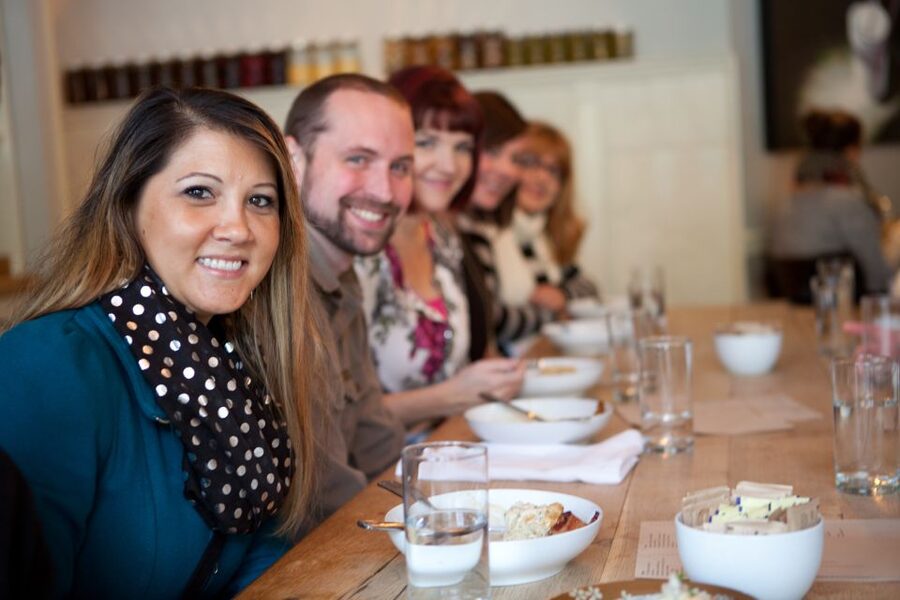
This is a food-forward tour, with tastings at 6 award-winning restaurants. They’re locally owned, and many have “best-of” recognition for what they serve. The tastings vary in size, but in total they add up to a meal that’s meant to keep you satisfied for lunch.
Here’s what you can look forward to in the classic Southern lane:
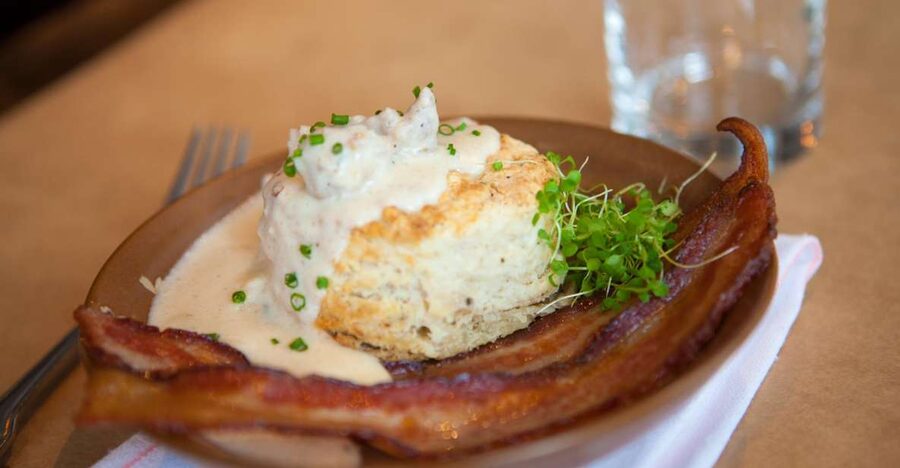
- black pepper biscuits with gravy and bacon
- smoked chicken wings
- boiled peanuts
Then the tour also leans into modern Southern flavors and nearby culinary influences—think foods that are still comforting, but with a new angle. You might taste things like:
- Gu’s dumplings
- a Waldorf kale salad
- a custom cocktail made with local vodka (if you’re 21+)
What I like about this structure is that it prevents the tour from becoming one-note. Classic Southern food hits like comfort, while the modern stops keep it interesting. You end up with a tour meal that’s both familiar and surprising.
One balanced note: if you’re expecting only traditional, strictly Southern dishes every stop, adjust your mindset. Some of the tastings can skew beyond classic Southern staples, and you may encounter other cuisines as part of the broader Atlanta food scene. For me, that’s a plus because Atlanta isn’t one cooking style—it’s a mash-up city, and this reflects that.
Street art on the way to the Beltline: you’ll want your camera ready
When you move onto the Beltline Eastside Trail, the walking turns into a visual event. The tour includes photo opportunities in front of some of the city’s most iconic murals, and that alone is worth the effort if you care about art that’s made to be seen outdoors.
This is also the part where planning matters for comfort. The Beltline section you’ll cover is not shaded, so in bright weather the sun can hit hard. If you’re the type who hates stopping to reapply sunscreen, bring a little ritual kit: hat, sunglasses, and enough sun protection to keep going.
In warm months, the walk can feel extra sweaty, too. One smart move is simple: pack bug spray if you’re touring in summer. You’ll thank yourself.

Krog Street Market: the final food-hall payoff
Krog Street Market is the place you’ll likely want to linger after the tour. The reason is straightforward: it’s a food hall with lots of different options in one area, so it’s easy to keep the energy up even if you’re full.
It’s also a well-regarded stop—voted among the top food halls in the country. That reputation isn’t just marketing fluff. When you walk in, the layout is built for browsing and snacking, and it works well as the tour finale because you can finish your meal with variety rather than one last “small plate.”
Also, it’s practical. You return to this market area near the end of the outing, after the walk and mural stops. That makes the timing feel natural: you’re not stretching your day all the way back to where you started the morning.
How the 3 hours actually feel: walking, stops, and pacing
The tour runs about 3 hours and includes walking and sitting breaks. You’ll cover about 2 miles, mostly downhill, but the key is that you’re not doing it nonstop. You’ll have lots of chances to stop, taste, and recharge.
That said, I’d plan for the possibility that your route time might feel longer depending on the group, the restaurant line flow, and how often you pause for photos. One person described a longer distance and longer total time, so I treat this as a “plan for more, not less” situation.
For comfort, prioritize:
- comfortable shoes (you’ll be on sidewalks and mixed surfaces)
- rain gear, because it runs rain or shine
- sun protection, because the Beltline isn’t shaded
- a bottle you can refill at stops
If you can walk for about 15 minutes at a leisurely pace without needing frequent breaks, you’ll probably be fine. If you need frequent short breaks for comfort, I’d still consider it—but go into it ready to slow down.
Price and value: where $99 really goes
At $99 per person for a 3-hour small-group tour, the value comes from bundling food and expert guidance in one experience.
You get:
- a local expert guide
- tastings at 6 locally owned restaurants
- one craft cocktail tasting if you’re 21+
When you price this like a normal day out, the math makes sense. A single restaurant lunch can easily eat most of that budget. Here, the cost spreads across six stops, and you’re also paying for someone to connect the neighborhood story to what you’re eating.
Do keep two things in mind:
- tips aren’t included
- water is only provided at restaurant stops, so bring your own bottle for refills
If you like walking plus eating, and you want a guided way to try award-winning places without hunting for menus, this is a strong deal.
Who this tour fits best (and who should skip it)
This tour is a great match for you if you:
- want food, street art, and neighborhood history in one outing
- enjoy strolling through Inman Park and along the Beltline
- like small-group vibes with lots of stops
- don’t mind walking with breaks built in
It’s less ideal if you have mobility limitations. The tour is not suitable for wheelchair users or people with mobility impairments, since it involves walking along the Beltline route and between stops.
Also, if you’re the type who needs perfectly shaded walking and zero sun exposure, you’ll be happier choosing another activity. The Beltline portion isn’t shaded, so you’ll be outdoors for parts of the route.
Should you book the Atlanta Beltline Food, Street Art, and History Walking Tour?
I’d book it if you want a single afternoon that covers three things Atlanta does well: great local food, visible public art, and a neighborhood story you can actually see on the street.
Choose this tour over a casual self-walk if you like structure—six tasting stops, guided context, and built-in photo moments. Skip it if you’re looking only for classic, strictly Southern dishes every time, or if walking outside in the sun (and dealing with rain when it comes) is a dealbreaker.
Bottom line: the best part of this experience is the combo. You leave full, you get real neighborhood context, and you come away with photos you didn’t plan for.
FAQ
How long is the Atlanta Beltline Food, Street Art, and History Walking Tour?
It lasts about 3 hours.
Where do I meet for the tour?
Meet inside Krog Street Market, near Little Tart Bakeshop. Your guide will be wearing a brown messenger bag with Food Tours Atlanta on it.
What’s included in the ticket price?
You get a local expert guide, tastings at 6 locally owned restaurants, and one craft cocktail tasting if you are 21+.
How much walking is involved?
You’ll walk approximately 2 miles over the course of the tour, mostly downhill, with lots of stops to sit and eat.
Does the tour run if it’s raining?
Yes. It operates rain or shine.
Is water provided during the tour?
Water is only provided at restaurant stops. Bring your own water bottle so you can refill.
Is this tour wheelchair-friendly?
No. It’s not suitable for wheelchair users or people with mobility impairments.