REVIEW · BRUSSELS
Brussels: Comic Art Museum Entrance Ticket
Book on GetYourGuide →Operated by Comic Art Museum · Bookable on GetYourGuide
Comics meet Art Nouveau in one ticket. I love how the museum explains the creative process of comics and how it’s housed in a Victor Horta Art Nouveau building. One practical catch: the official visit time is about 1 hour 30 minutes, but it’s easy to stretch to closer to 2 hours, so don’t schedule it too tightly between trains.
This is also one of the best ways to understand why Belgium is comic royalty, from Tintin to the Smurfs and many others. You’ll move through permanent exhibitions plus rotating temporary shows, with lots of original drawings and unpublished documents that make the whole thing feel real, not just decorative.
If you’re traveling with very young kids, note that it isn’t suitable for children under 5. And if you want big movie-style action, this is more hands-on learning than a theme-park experience.
In This Review
- Key points to know before you go
- Victor Horta’s building is the warm-up act
- Tickets, timing, and how long to plan
- Permanent exhibitions: see comics as a craft
- Temporary exhibitions: fresh angles on familiar worlds
- Belgium’s comic culture: Tintin, Smurfs, and the bigger picture
- Comics library reading room: slow, quiet, and focused
- AR application, games, and 3D decors for families
- What you’re really paying for: value beyond the label
- Who this is for (and who might not enjoy it as much)
- Tips to get the most out of your visit
- Should you book the Brussels Comic Art Museum ticket?
- FAQ
- How much does the Brussels Comic Art Museum ticket cost?
- How long should I plan to visit?
- What’s included with the ticket?
- Does it have both permanent and temporary exhibitions?
- Are there activities for children and families?
- Is the museum accessible for wheelchairs?
- Is it suitable for young children?
- Can I cancel and get a refund?
- Is there an option to reserve first and pay later?
- What does the AR application add?
Key points to know before you go
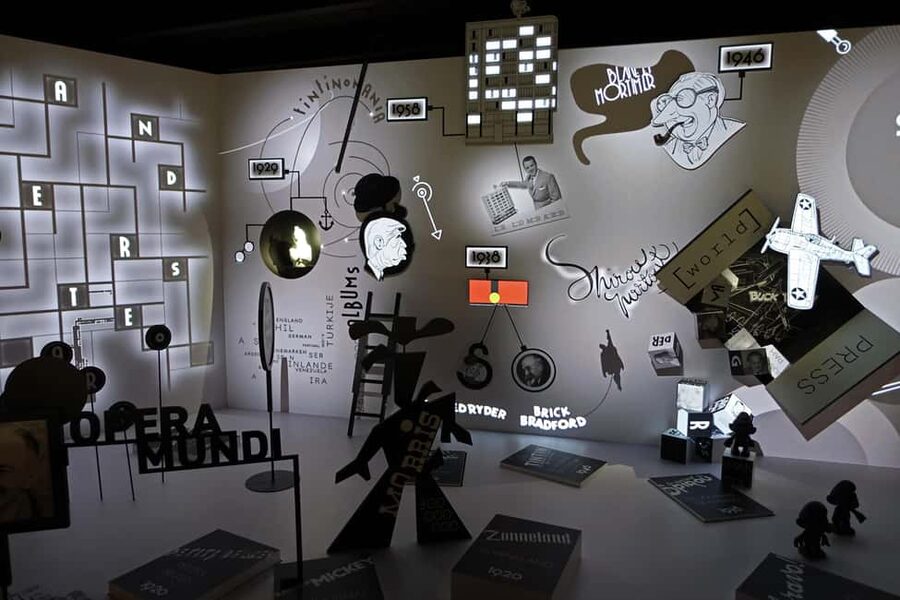
- Victor Horta architecture: the museum building is part of the attraction, not just a container for it
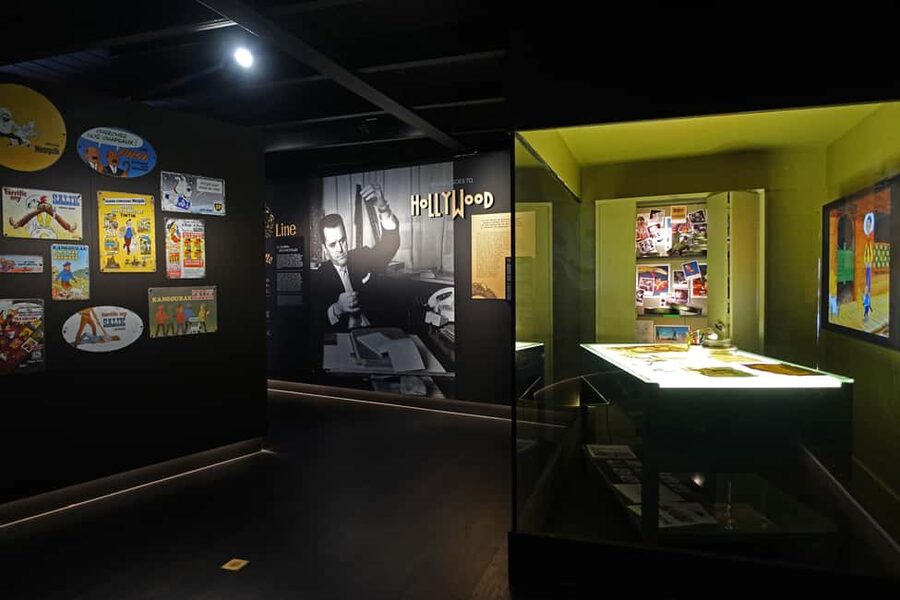
- Original drawings and documents: you’re not only seeing final panels, but the work behind them
- Permanent + temporary exhibitions: you can get something different each visit
- AR application plus comics library reading room: you get both guided tech and quiet reading time
- Games, statues, and 3D decors: the museum makes room for families, not only collectors
Victor Horta’s building is the warm-up act
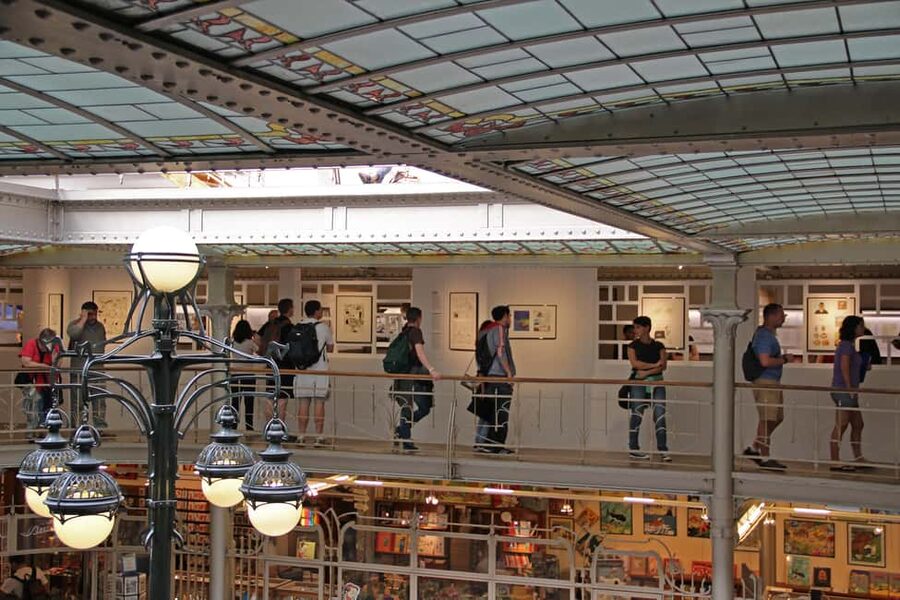
The Comic Art Museum in Brussels isn’t just about comics on the walls. You’re entering an Art Nouveau home designed by Victor Horta, and that matters. In many museums, the building is background noise. Here, the architecture helps you slow down and look closer—perfect for a place devoted to line work, composition, and design choices.
Even before you reach the galleries, you’ll feel like you’re stepping into a piece of the culture rather than a standard boxy museum. That’s part of the value: you’re paying for an experience that blends art forms, with comics as the main focus and architecture as the bonus layer.
You can also read our reviews of more tours and experiences in Brussels.


Tickets, timing, and how long to plan
The ticket is priced at about $16 per person (for this entrance offer) and the visit is intended for about 1 day. The attraction notes an estimated visit time of around 1 hour 30 minutes, which is a solid starting point.
Here’s the real-world planning tip I’d use: give yourself a longer window. One comment you’ll often hear about this kind of museum is that people take their time with the original materials. If you’re the type to stop and read, look again, or mix in the library reading room, plan for closer to 2 hours. You’ll still be done the same day, but you won’t feel rushed.
Permanent exhibitions: see comics as a craft
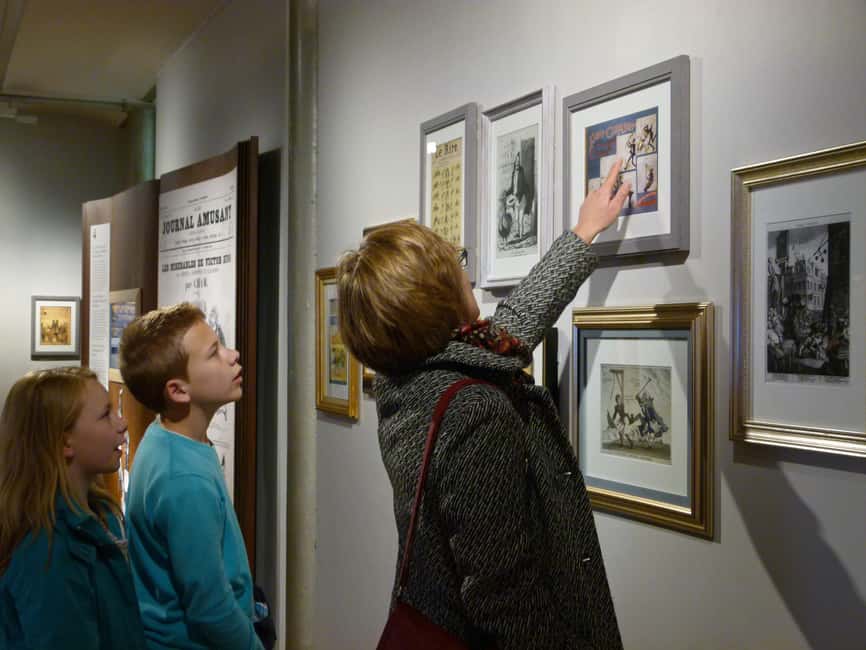
The permanent exhibitions are the heart of the museum. This is where you learn how comics are made, not only how they look. The museum’s focus is on the “9th Art,” and the way the exhibits are described suggests a behind-the-scenes approach: you’ll encounter countless aspects of comic creation, gathered for fans and enthusiasts.
What I like about this structure is that it respects your curiosity. If you’re a casual reader, you can follow the story of how comics are built. If you’re more into artistry, you can focus on process and presentation. Either way, you’re not left with only big-print posters or summaries.
And because the museum highlights original drawings and unpublished documents, the permanent displays don’t feel like a generic theme of comics. They feel like actual artifacts—paper trails from idea to panel.
Temporary exhibitions: fresh angles on familiar worlds
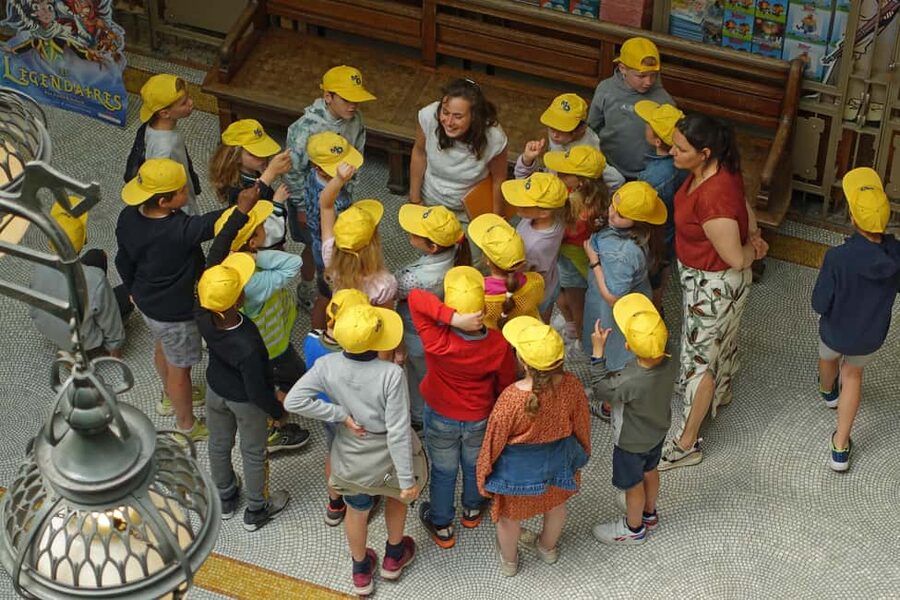
On top of the permanent galleries, the museum runs temporary exhibitions. That’s a big advantage in Brussels, where you might have several museums on your list. Permanent exhibits are great for grounding, but temporary shows are what keep the visit from feeling repetitive.
Even if you already know comic characters, temporary exhibitions can shift the focus to styles, creators, techniques, or specific eras. The museum is intentionally presenting both sides: the pioneering creators and heroes of the 9th Art, plus a glimpse of contemporary comic art.
Belgium’s comic culture: Tintin, Smurfs, and the bigger picture
Belgium has a special place in comic history, and the museum leans into that. You’ll get to know why Belgium is home to major icons like Tintin and the Smurfs, along with many others.
What’s useful here is not just the fandom factor. It’s the context. Comics didn’t become popular by accident; they became a recognizable cultural language. Seeing that explained alongside original materials helps you connect the dots between national identity, artistic industry, and storytelling style.
If you’re doing a first-time Brussels visit, this museum also gives you a theme to carry through the rest of your day. You’ll start noticing references in streets, shops, and posters—small signals that Brussels isn’t just politics and buildings.
Comics library reading room: slow, quiet, and focused
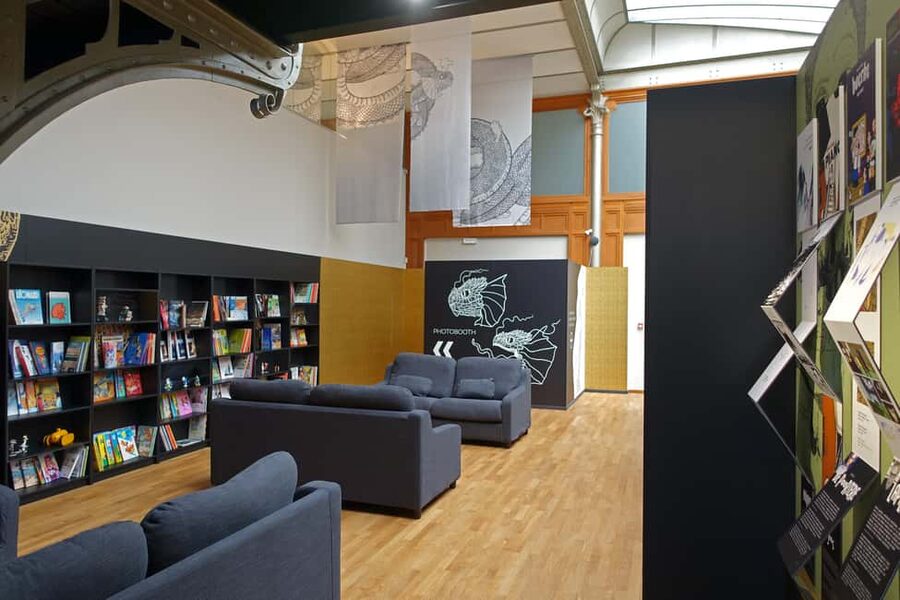
One standout included item is access to the comics library reading room. This is your chance to do something most “quick museum” visits don’t allow: settle in with reading time.
That reading-room access is valuable because it shifts you from observer to participant. You can match what you just saw in the exhibits with pages you can actually spend time with. Even if you don’t read for long, the option changes the mood of the visit from “pass through galleries” to “choose what you want to linger on.”
If you’re traveling with a bookish friend, or you just like museum breaks that don’t involve a café, this is a nice perk.
AR application, games, and 3D decors for families
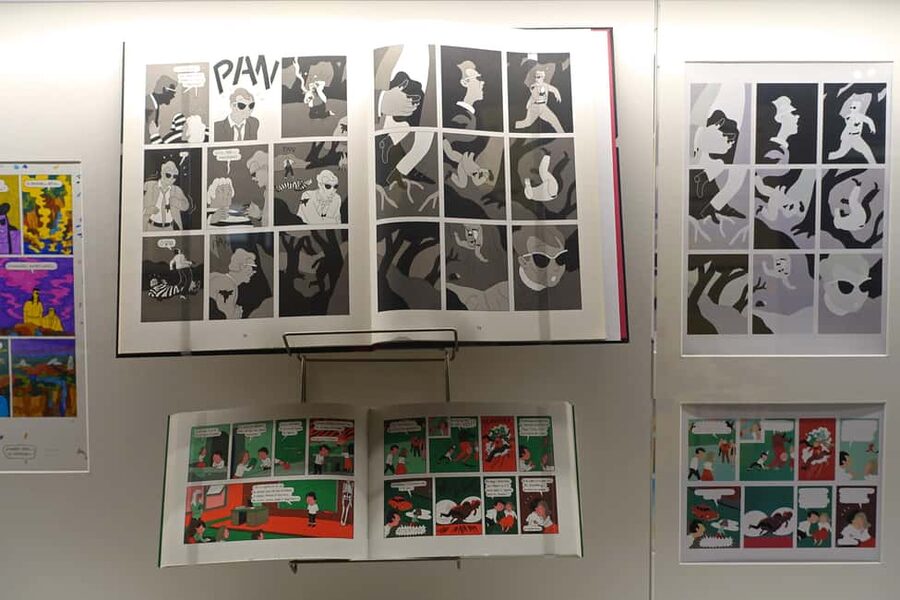
The ticket includes an AR application, which suggests an added layer of explanation beyond plain wall labels. Even without knowing the exact content in advance, AR tends to help you understand process and detail faster—especially in art-focused exhibits where small differences matter.
For families, the museum adds extra movement: there are museum games, statues, and 3D decors described for younger visitors and families. This doesn’t mean it turns into a playground, but it does mean the museum expects kids to engage, not just stand quietly.
If your group includes children old enough to enjoy interactive elements, you’ll likely spend more time overall. Plan that in.
What you’re really paying for: value beyond the label
At roughly $16 per person, this is priced like a mid-range museum ticket in Europe. The value comes from three things working together:
First, you get both permanent and temporary exhibitions, which increases the odds you’ll see something you didn’t expect. Second, the museum emphasizes original drawings and unpublished documents, which is often the difference between a “nice exhibit” and a memorable one. Third, you’re inside a Victor Horta Art Nouveau building, and that setting is part of the experience, not a distant outside view.
So yes, it’s a ticket. But it’s also a chance to learn something concrete about how comics are made, in a building you’d likely want to see even if you weren’t into comics.
Who this is for (and who might not enjoy it as much)
I’d point most strongly to comic fans, design lovers, and anyone who likes seeing creative process explained with original materials. If you love the artistry behind illustration and storytelling, this museum gives you the “how” behind the “wow.”
It also works well for families with kids who can handle museum time—especially since games and 3D decors are part of the concept. Just remember the suitability rule: it isn’t meant for children under 5.
If you’re only interested in character merchandise or you expect fast, cinematic entertainment, you may find the pace slower than a typical attraction. The good news is that the museum gives you multiple ways to engage—exhibits, a library reading room, and an AR app—so you can shape your visit to your style.
Tips to get the most out of your visit
- If you like to read, set aside more time than the headline estimate. Building in extra time helps you enjoy the original documents without rushing.
- Focus on process areas first. Then switch to reading room time so the exhibits make more sense when you slow down.
- If you’re in Brussels for a short trip, treat this as a “theme anchor.” It’s one museum where you’ll carry the vibe through the rest of your day.
Should you book the Brussels Comic Art Museum ticket?
Book this if you want an authentic arts experience in Brussels: original comic artwork, a behind-the-scenes look at how comics are made, and the extra bonus of a Victor Horta Art Nouveau building. The mix of permanent and temporary exhibitions plus the included comics library reading room and AR app makes it a practical choice if you like museums that teach you something while still feeling fun.
Skip it only if your group needs fast thrills or you’re traveling with children under 5. Otherwise, this is the kind of museum that rewards curiosity—especially if you’ve ever wondered how a single panel turns into a whole world.
FAQ
How much does the Brussels Comic Art Museum ticket cost?
The price is listed as $16 per person.
How long should I plan to visit?
The museum estimates about 1 hour 30 minutes, though you may want extra time if you plan to linger.
What’s included with the ticket?
It includes permanent exhibitions, temporary exhibitions, access to the comics library reading room, and an AR application.
Does it have both permanent and temporary exhibitions?
Yes. You’ll see permanent exhibitions plus temporary exhibitions during your visit.
Are there activities for children and families?
Yes. The museum includes museum games, statues, and 3D decors designed for young visitors and families.
Is the museum accessible for wheelchairs?
Yes, it is wheelchair accessible.
Is it suitable for young children?
It is not suitable for children under 5 years.
Can I cancel and get a refund?
Yes. You can cancel up to 24 hours in advance for a full refund.
Is there an option to reserve first and pay later?
Yes. The offer includes reserve now & pay later, letting you book and pay nothing today.
What does the AR application add?
An AR application is included with the ticket, but the specific content isn’t detailed in the provided information.