REVIEW · SAO PAULO
Street Art and Park Bike Tour
Book on Viator →Operated by Urban Bike SP · Bookable on Viator
Bike lanes are not the point here. Art is.
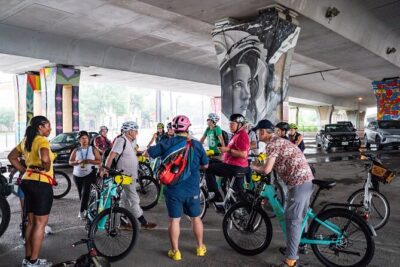
This Street Art and Park Bike Tour strings together São Paulo’s most compelling public art scenes with smart context, so the murals don’t feel random. I especially like how you start in Parque Ibirapuera, then shift into street-art zones like Batman Alley, while your guide ties what you see to the city’s culture. I also like the practical touches: a bike you can handle, a helmet, bottled water, and even a raincoat, which matters in São Paulo. One thing to consider: the route includes hills, so you’ll want decent pedal legs and a steady pace, even if the ride feels safe.
You can also feel the difference in guiding styles. I’ve seen top marks for guides like Roberto, Pedro, Arthur, and Lucas, and the common thread is that they slow down when it helps you see the art—and they adjust if you’re more interested in the murals than the traffic psychology of a big city. If you’re the type who needs a totally rigid schedule, keep in mind the experience can run a bit longer when people want to linger.
In This Review
- Key moments you’ll remember
- How this 3.5-hour bike tour really feels
- Starting at Parque Ibirapuera: the perfect warm-up
- Museu Afro Brasil: art with context, not just decoration
- Bike through neighborhoods: bars, business, and public art
- Cruising safely under the Minhocão overpass
- Open-air murals at MAAU: street art as a real museum
- Batman Alley: the mural wall you’ll want to linger at
- Carandiru Prison ruins: an important, heavier moment
- Avenida Paulista and modern São Paulo: where the day turns big
- Pace, hills, and safety: what to expect on the ride
- What you get for $85: the included perks that actually help
- Price/value: why $85 can be a smart choice here
- Practical tips before you go
- Should you book this São Paulo street art bike tour?
- FAQ
- How long is the Street Art and Park Bike Tour?
- Where does the tour start and end?
- What is included in the price?
- Is the Afro-Brazil Museum admission included?
- Are any museum or attraction admissions free?
- What’s the group size limit?
- Is hotel pickup or drop-off included?
- Is the tour suitable for most people?
- What happens if the weather is poor?
- When should I book?
Key moments you’ll remember
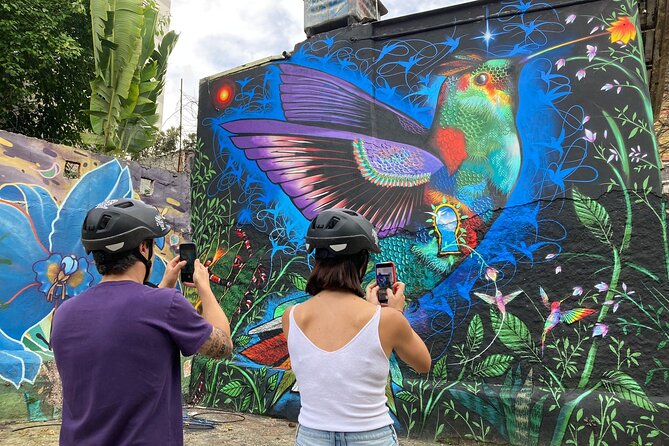
- Parque Ibirapuera: a huge, famous park right in the middle of the city, with a free stroll that sets the tone
- Museu Afro Brasil: a museum focused on African and Afro-Brazil identity, with a large long-term collection
- Cruising under the Minhocão: a safe, bike-friendly way to experience one of São Paulo’s odd landmarks
- MAAU (Open Museum of Urban Art): street art treated like an outdoor gallery
- Batman Alley: a go-to mural wall that earns its fame
- Carandiru Prison ruins: a somber, real-world stop tied to the city’s past
How this 3.5-hour bike tour really feels
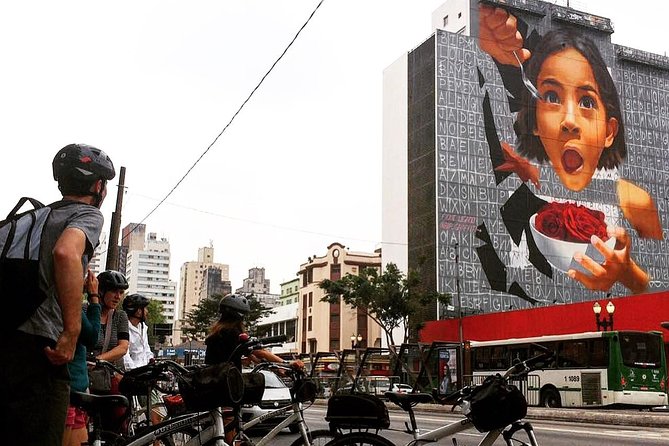
For $85, you’re paying for more than transportation. You’re paying for a guided way to connect distant art spots into one coherent loop, with enough time at the key walls that you’re not just snapping photos from the saddle. The group is small (maximum 10 travelers), which helps the guide keep the pace human.
The vibe is easygoing, not intense. Many people come for the street art, but you’ll leave with better city sense—how neighborhoods change, how public art shows up in unexpected places, and why certain sites matter beyond the aesthetics.
You can also read our reviews of more cycling tours in Sao Paulo
Starting at Parque Ibirapuera: the perfect warm-up
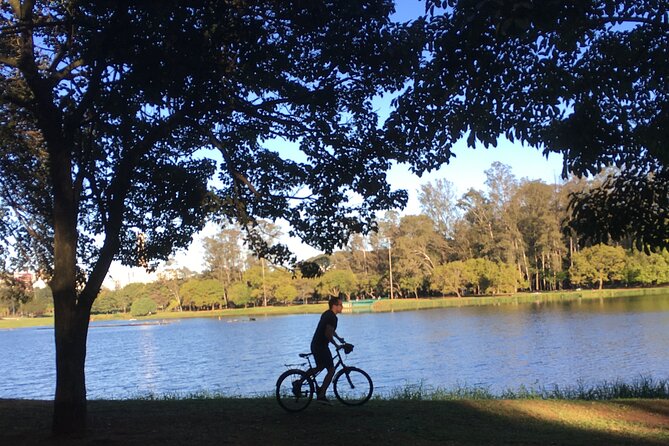
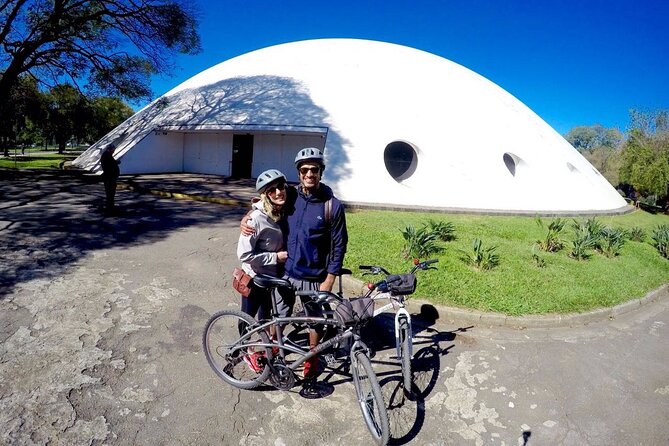
You begin at R. França Pinto, 183 in Vila Mariana, then roll into Parque Ibirapuera, one of São Paulo’s best-known parks. The park was inaugurated in 1954 for the city’s 400th anniversary, and it’s become a major daily magnet, with massive foot traffic on weekends.
What I like about using Ibirapuera as the first stop is that it gives you something green and open before the ride turns urban. You get a breather, time to get your bearings, and a chance to feel São Paulo’s scale without being stuck in traffic.
The practical upside: admission here is free, and the stop runs about an hour, so you’re not rushing right into murals while you’re still learning how the group moves. The only caution is simple—if you’re worried about stamina, remember you’ll still be on a bike right after this.
Museu Afro Brasil: art with context, not just decoration
Next up is Museu Afro Brasil (Museu Afro-Brasil), a public institution focused on recognizing the black population in Brazilian culture and identity. This isn’t a quick photo stop. The collection is huge—more than 6,000 works—including sculptures, documents, engravings, ceramics, paintings, jewelry, and contemporary pieces.
The museum is described as aiming to be contemporary, and that matters. You’re not just looking at historical “objects.” You’re looking at how African people and Afro-Brazilians are framed in Brazilian heritage, and how the museum treats art as identity.
It’s also a big deal for scope: the collection is considered the largest Afro-American collection in the Americas, and more than 70% is shown in long-term exhibitions, focusing mainly on Brazil, plus some works connected to African countries, Cuba, Haiti, and the United States.
Here’s the key practical note: admission is not included. That’s the only true cost surprise on the day, so I’d plan for it. The upside is that this stop gives the street art route a deeper backbone—public murals won’t just look cool, they’ll start to make more sense.
Bike through neighborhoods: bars, business, and public art
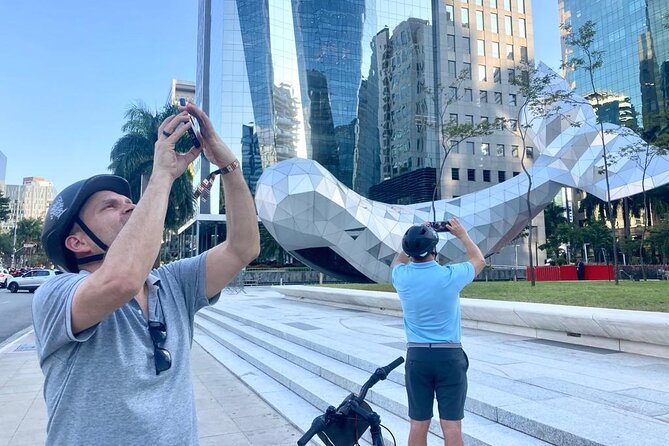
After the museum, the tour moves through parts of town that reflect São Paulo’s contrast: bohemian blocks full of bars and street expression, then areas that function as business and modern architecture corridors. You’ll also see the influence of Oscar Niemeyer through stops tied to his modern design style.
This part of the experience is about momentum. If you only visited galleries, you’d miss how much São Paulo talks with walls, sidewalks, and small urban scenes. A bike tour helps because the city changes fast, and you need the movement to understand it.
You’ll also get time at key art zones rather than just passing by them at speed. That’s why the tour lasts about 3 hours 30 minutes—enough time to connect dots without turning into an all-day marathon.
Cruising safely under the Minhocão overpass
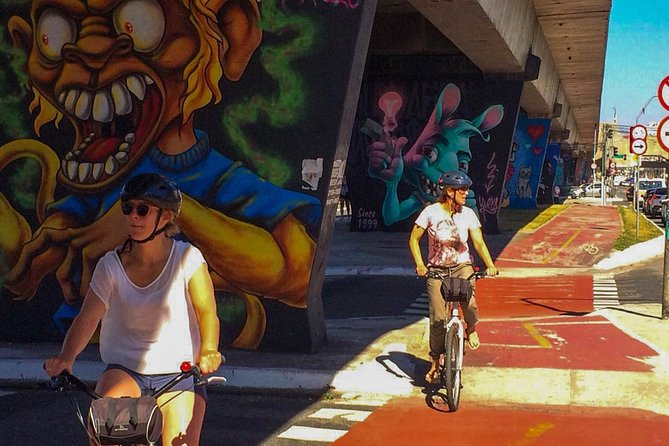
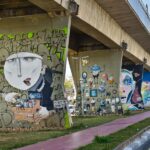
One of the standout highlights is riding safely beneath the Minhocão Overpass. This is the kind of spot you can’t really appreciate from a bus window. On a bike, you sense the scale and feel the atmosphere up close.
This stop is especially valuable if you like street art but also care about the setting. São Paulo’s urban art often isn’t separate from the city’s structure—it’s part of it. Riding under Minhocão is a reminder that the city is built hard, fast, and sometimes oddly, and the art grows in that reality.
A few more Sao Paulo tours and experiences worth a look
Open-air murals at MAAU: street art as a real museum
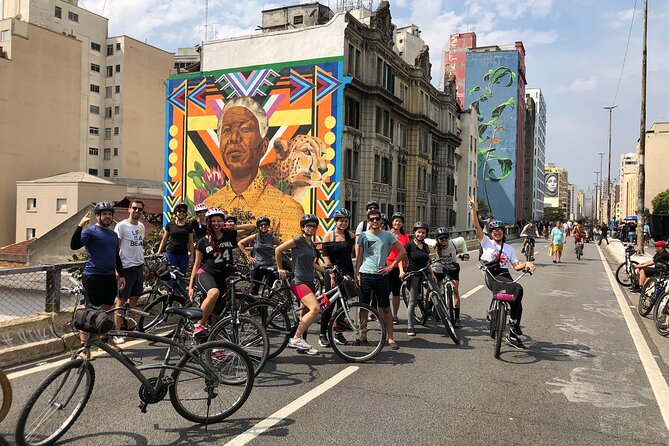
The tour includes a visit to the MAAU (Open Museum of Urban Art). The name says it all: you’re walking and looking at street art as if it belongs in a museum space. That shift in framing changes how you notice details—styles, recurring themes, how artists use blank surfaces and city architecture as part of the artwork.
What I like about this stop is that it’s not just “pretty graffiti.” It’s treated like a destination. You’re there long enough to actually read the scene with your eyes, not just record it.
This is also where the guides’ skills show up. People praised guides like Arthur and Lucas for slowing down and sharing the story behind pieces, so you get context instead of random impressions. If you’re serious about street art, this is the part that can turn your photos into memories with meaning.
Batman Alley: the mural wall you’ll want to linger at
Then you hit Batman Alley, one of São Paulo’s most visited street art spots. It’s essentially an outdoor urban art gallery, with murals made by renowned artists from the city’s graffiti scene. You’re in that area for about 20 minutes, which is a good amount of time for reading the wall without feeling stuck.
The best way to enjoy Batman Alley is to slow your pace on purpose. Look for layers—how newer pieces interact with older ones, how the wall’s composition shapes what you see, and how the alley’s narrowness affects your perspective.
You’ll also appreciate how guides shape the experience here. Multiple guides were highlighted in the feedback—Roberto and Pedro among them—for being laid-back but knowledgeable, and for taking time when people want to stop longer. If your guide does that for you, Batman Alley becomes more than a check-the-box stop.
Carandiru Prison ruins: an important, heavier moment
The tour also includes a visit to the torn down ruins of Carandiru Prison. This is a shift in tone from murals and neighborhoods. Even if your main goal is art, this stop matters because it grounds the day in something real and complicated.
I like that the tour doesn’t keep everything light. Public art is often tied to social memory—what the city endured, what it changed, and how spaces get reinterpreted after tragedy. Here, you get a glimpse of the ruins themselves, and that can make the surrounding street-art conversations hit differently.
Keep it respectful and take your time. This is the kind of stop where your guide’s pacing and tone can matter just as much as the visuals.
Avenida Paulista and modern São Paulo: where the day turns big
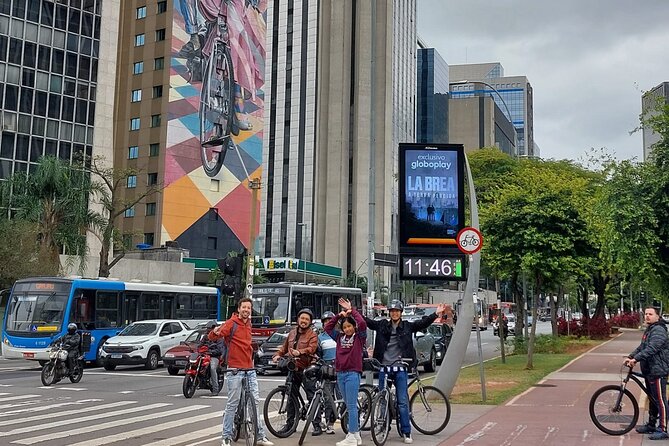
You’ll also move through the Avenida Paulista area, one of the city’s iconic avenues and a major financial and cultural hub lined with skyscrapers and museums. The tour includes several related stops in this general zone, including places connected with art institutions and cultural sites such as Japan House.
Avenida Paulista is especially interesting because it’s a city stage. On Sundays, the avenue opens up to pedestrians, cyclists, and artists, turning it into a lively cultural corridor. If your tour lands on a Sunday, you may feel more street-level energy in the area than on a weekday.
Even when you’re just catching a short look at buildings and cultural spots, this part helps explain why São Paulo attracts so much contemporary creativity. It’s not only the neighborhoods with walls. It’s also where institutions, commerce, and public space overlap.
Pace, hills, and safety: what to expect on the ride
The route includes hills, and that’s not a minor detail. Plan for some climbing, especially if you’re coming from a flat city or you’re jet-lagged. The good news is that the ride is considered manageable for most people, and the bike quality is part of why people feel comfortable.
Safety seems to be handled well. Many people specifically said they felt safe during the tour, which is reassuring if you’re nervous about riding in a big city. Still, you’ll want to keep your focus. A bike tour works best when you stay aware of the group and follow your guide’s instructions.
And here’s a practical tip: if you want more time at the murals, bring that energy early. The better guides—like those mentioned by name: Roberto, Pedro, Arthur, and Lucas—tend to give extra time when it makes sense, which helps you feel like you got value instead of a rushed route.
What you get for $85: the included perks that actually help
This tour is one of the better value setups because the day’s small comforts are covered.
You get:
- Bicycle and helmet
- Bottled water
- Raincoat (big in a place where weather can shift)
- A souvenir
- Coffee or tea, plus an iced tea and cheese bread
- A lunch with iced tea and pão de queijo
That food matters more than you might think. Street art days can turn long and exhausting, especially with hills, and having snacks built in keeps you from needing to hunt down a place mid-route.
What’s not included is the hotel pickup and drop-off, so you’ll need to get yourself to the meeting point in Vila Mariana. The meeting point is R. França Pinto, 183, and the tour ends back there.
Price/value: why $85 can be a smart choice here
$85 might sound like a lot until you translate it into what the tour replaces. You’re not just buying a bike rental. You’re buying:
- guided routing between dispersed art sites,
- time at major street art stops,
- entry to several free-access sites,
- and meals/snacks that keep the day moving.
The only notable extra cost is Museu Afro Brasil, since admission is not included. If you skip that museum, your day would feel thinner. If you value art with identity and context, it’s the kind of stop you’ll be glad you didn’t cut.
In other words: this price works best if you want a structured art route and you like eating without planning. If you’re already a confident independent city explorer who can easily map street art sites on your own, you could do it cheaper. But the guided flow is the point.
Practical tips before you go
A bike tour is only as good as your day-of preparation. Based on the route style and what people emphasized in their experiences, here’s what helps:
- Wear shoes you can pedal in. São Paulo hills will remind you fast.
- Bring a light layer. You’re given a raincoat, but you still want to feel comfortable.
- If you’re excited about the murals, arrive early at the meeting point so the start stays smooth.
- If the Afro Brasil Museum is a must for you, budget time for it and plan for the admission that isn’t included.
Also remember the tour runs in good weather. If weather is poor, you’ll either get another date or a full refund.
Should you book this São Paulo street art bike tour?
I’d book it if you want public art in context, not just a list of mural locations. This is the best fit for you if you like street art but also care about why the art exists—especially with the Afro-Brazil museum and the weightier Carandiru ruins in the mix.
I’d think twice if you hate hills or you need a super rigid schedule with zero flexibility. The ride is managed, but it’s still a bike tour through a real city, and it rewards calm energy.
If you’re choosing between doing this solo and joining a guide, I’d pick the tour for one reason: you get a smoother route and better interpretive clues, and those clues turn wall art into something you can actually carry home in your head.
FAQ
How long is the Street Art and Park Bike Tour?
It lasts about 3 hours 30 minutes.
Where does the tour start and end?
The tour starts at R. França Pinto, 183 – Vila Mariana, São Paulo – SP, 04016-001 and ends back at the meeting point.
What is included in the price?
The tour includes a bicycle, helmet, bottled water, raincoat, a souvenir, and coffee or tea plus an iced tea and cheese bread, with lunch including iced tea and pão de queijo.
Is the Afro-Brazil Museum admission included?
No. Museu Afro Brasil admission is not included.
Are any museum or attraction admissions free?
Yes. Several stops listed as free include Parque Ibirapuera, Batman Alley, Casa Das Rosas, and others named in the route that are marked as free on the schedule you’re given.
What’s the group size limit?
The tour has a maximum of 10 travelers.
Is hotel pickup or drop-off included?
No. Hotel pickup and drop-off are not included, so you’ll need to reach the meeting point on your own.
Is the tour suitable for most people?
The tour notes that most travelers can participate, but the route includes hills, so come prepared for some climbing.
What happens if the weather is poor?
The tour requires good weather. If it’s canceled due to poor weather, you’ll be offered a different date or a full refund.
When should I book?
On average, this experience is booked about 11 days in advance.