REVIEW · SAO PAULO
São Paulo: Street Art Bike Tour
Book on GetYourGuide →Operated by Urban Bike SP · Bookable on GetYourGuide
São Paulo’s best art is on two wheels. This street-art bike tour makes the city feel personal fast, because you see murals and graffiti in the places locals actually pass every day, not behind museum glass. I also like how the guide connects what you’re seeing to Brazil and São Paulo context, so the art has meaning beyond the colors.
The one thing to weigh is that this is still a bike tour—about 210 minutes on the move. If you’re uncomfortable riding in city traffic or you want a mostly walking pace, you may find the schedule a bit tight, even though you get short photo stops and small breaks.
Key things I’d plan around
- Small-group size (max 10) keeps the pace human and lets the guide answer questions as you ride
- True street corners are the stars: Batman Alley plus other alley-graffiti areas in Vila Madalena
- Historic + modern stops on the same day: Avenida Paulista, Casa das Rosas, MASP, and Ibirapuera Park
- Guide-led context in 3 languages (Portuguese, English, Spanish) so you’re not just chasing photos
- Comfort perks included: helmet, water bottle, raincoat (if needed), and an iced mate tea after
In This Review
- Why a street-art bike tour works so well in São Paulo
- Starting at Portinha 183: an easy way to begin
- Avenida Paulista photo stop: the city’s “main stage” moment
- Casa das Rosas and Parque Trianon: art and trees in the middle of it all
- MASP break: modernist architecture that shapes how you see the city
- Vila Madalena: where street culture turns into an all-day art map
- Batman Alley (Beco do Batman) and the street-art time you’ll remember
- Beco do Graffiti and Beco Nego Vila: more walls, different voices
- Ibirapuera Park: parks, lakes, and Oscar Niemeyer’s presence
- The “in-between” photo stops: how to use short pauses well
- Price and value: what $160 buys you in real terms
- Who this tour suits best (and who should skip it)
- Little details that make the day feel smoother
- Should you book the São Paulo Street Art Bike Tour?
Why a street-art bike tour works so well in São Paulo
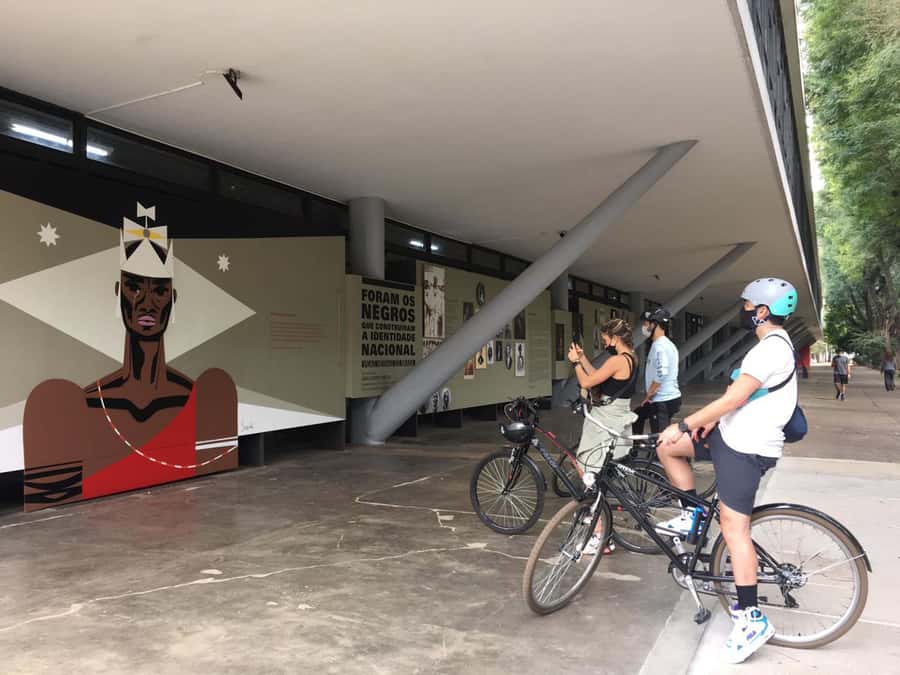
São Paulo can feel overwhelming if you only do the big-name sights. This tour solves that by using your bike as a way to connect dots—between the polished, famous areas and the walls where artists talk in paint. The route leans toward places that shape modern São Paulo culture, then spends real time on the street-art side of the city.
I like that it’s not just a list of stops. The day is built around a theme: art in the open, plus the city’s architecture and cultural institutions right alongside it. When you finish, you’re left with a clearer sense of the city’s identity: creative and opinionated, with layers.
The structure also helps you keep your energy. You get quick photo moments on Avenida Paulista, short breaks when you reach heavier landmarks, and then longer time where the street art is the point.
Starting at Portinha 183: an easy way to begin
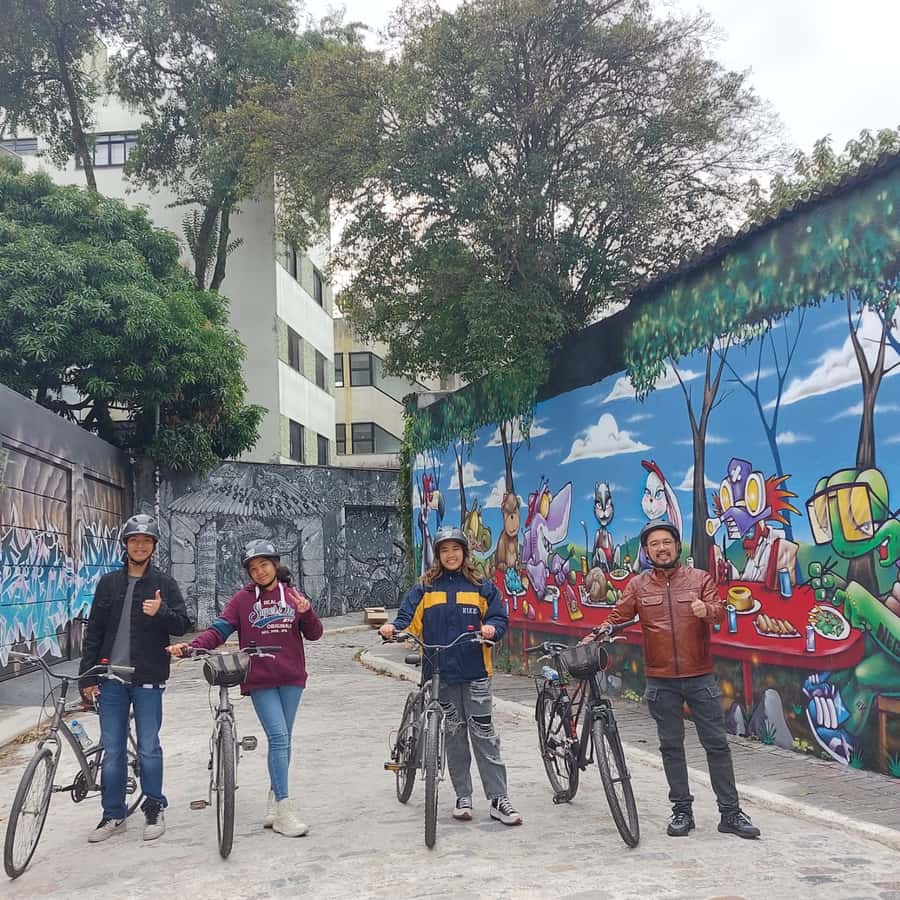
Your meeting point is Portinha 183 Café at R. França Pinto, 183. The location is convenient because it’s near the Vila Mariana and Ana Rosa metro stations (Green Line and Blue Line). That matters on a city trip: you’re not stuck guessing how to reach the start.
Before you roll out, the café vibe is part of the experience. The tour notes that you can enjoy something small—fruit, juice, or coffee—so you’re not starting the ride hungry. Even if you’re not doing a full breakfast, arriving a touch early helps you get your coffee and settle in without stress.
Practical tip: wear comfortable shoes. You’ll be biking and moving in and out of spots for photos and short visits, so foot comfort really affects the day.
You can also read our reviews of more cycling tours in Sao Paulo
Avenida Paulista photo stop: the city’s “main stage” moment
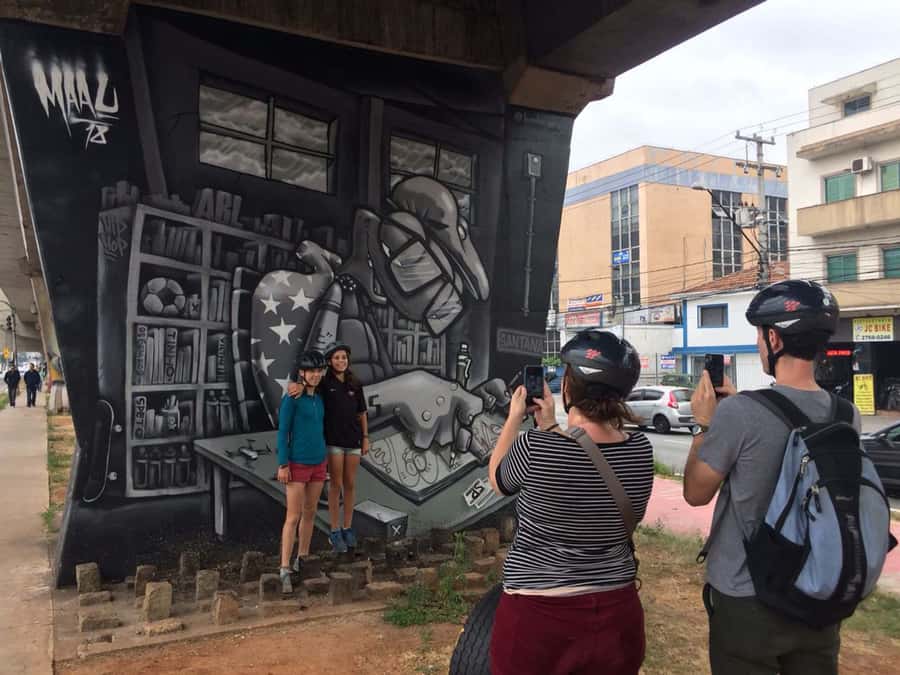
The tour heads to Avenida Paulista as an early anchor, with a 10-minute photo stop. This isn’t about lingering; it’s about orientation. Avenida Paulista is where São Paulo’s scale hits you—the mix of institutions, people, and energy is a strong first clue that this city is both modern and complicated.
You won’t get a long lecture here. Instead, you get a quick, high-impact snapshot so you can understand why later stops feel connected. If you’ve ever visited a big city and felt like you needed context first, this is that step.
Casa das Rosas and Parque Trianon: art and trees in the middle of it all
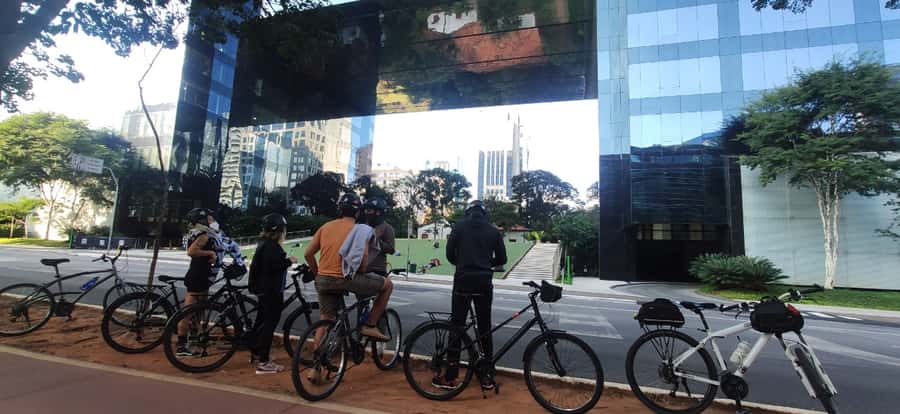
Next up is Casa das Rosas, also a 10-minute photo stop. It’s a historic mansion that now hosts literary exhibitions, and the garden is a big part of why the stop feels calm. Even if you don’t have time to go deep into exhibits, the setting gives you a pause from city noise and helps you see São Paulo isn’t only about concrete and traffic.
Right next door, you also reach Parque Trianon, described as a green refuge with century-old trees. This quick shift—architecture and literature to trees and shade—changes your eyes. You start noticing details instead of rushing through.
This is the kind of stop that makes the whole ride feel balanced. Without a quiet break, a street-art day can get noisy in your brain. Here, you get a reset.
MASP break: modernist architecture that shapes how you see the city
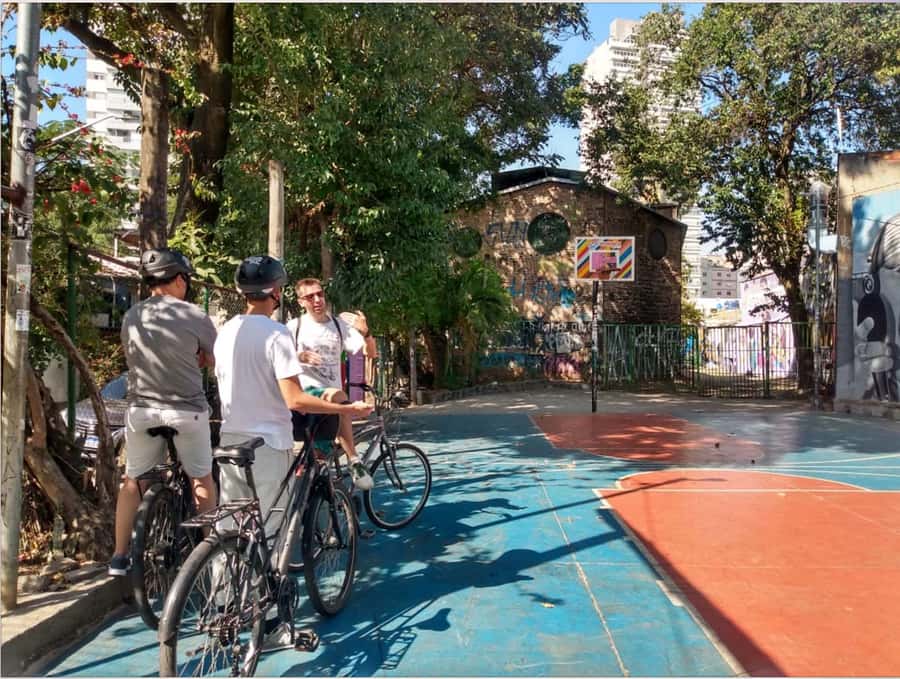
Then you go to the Museu de Arte de São Paulo (MASP) for a 10-minute break. MASP is highlighted as one of Latin America’s most important art museums, with an impressive collection and modernist architecture that’s become a city symbol.
The important thing for your experience is not just that MASP is famous. It’s that you’re seeing modern design in a place that helps explain São Paulo’s taste and ambition. After seeing street art later, MASP helps you understand the full spectrum—from formal institutions to artists working on walls.
The tour keeps this stop short, so think of it as a strategic pause. You’re not spending the day inside museums here—you’re learning how public art lives in multiple forms.
Vila Madalena: where street culture turns into an all-day art map
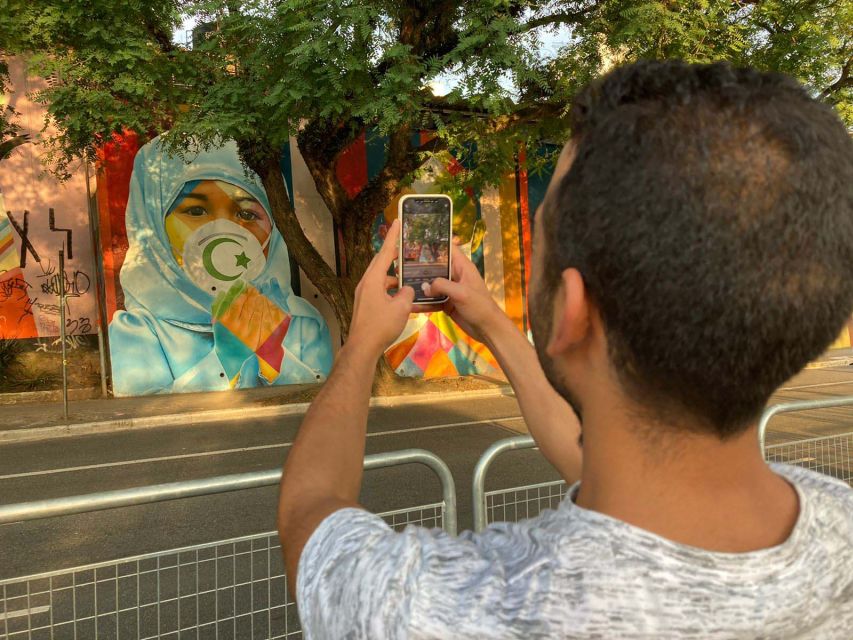
You’ll then head toward Vila Madalena, with another 10-minute break built into the schedule. This is one of the neighborhoods known for its bohemian vibe and creative atmosphere, and it sets you up for what comes next: the alley “open-air museum” style of street art.
Even during the break, it’s worth being mentally ready. You’re moving from landmark-style sightseeing into street-level art—where the details matter, and where you’ll probably want to stop and look longer than you expected.
If you love photography, this part of the ride is where your phone will finally earn its keep. But don’t treat it like a scavenger hunt. The tour’s guide angle is what helps you see the meaning behind the artwork instead of just collecting images.
A few more Sao Paulo tours and experiences worth a look

Batman Alley (Beco do Batman) and the street-art time you’ll remember
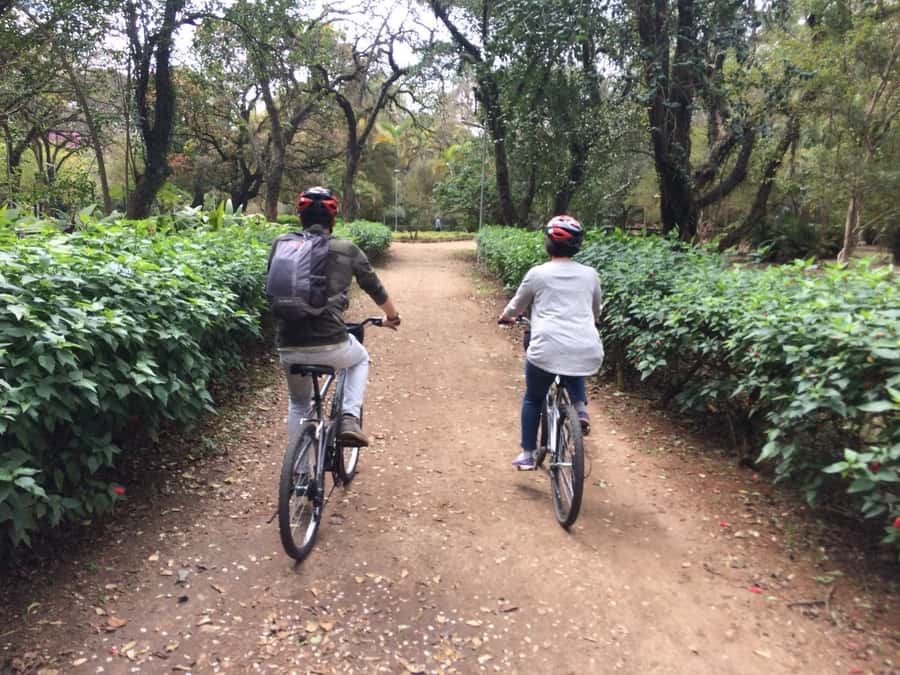
The main street-art focus begins with Beco do Batman (Batman Alley), with a 30-minute visit. This is the big one, and the reason it’s first in the alley lineup is simple: the scale and wall coverage make it easy to understand what street art can do when it becomes part of everyday public space.
The route notes it’s an open-air museum feel, with walls covered in colorful and meaningful graffiti. That’s the key word: meaningful. The guide’s job here is to translate what you’re seeing so you don’t just feel like you’re watching random art pass by.
From what the guides are known for, explanations really help. For example, Arthur (one of the guides) has been singled out for bringing cultural and historical context, not only pointing out what’s painted.
30 minutes isn’t a museum timeline. But it’s long enough to notice patterns—recurring styles, messages, and how artists use the alley as a stage.
Beco do Graffiti and Beco Nego Vila: more walls, different voices
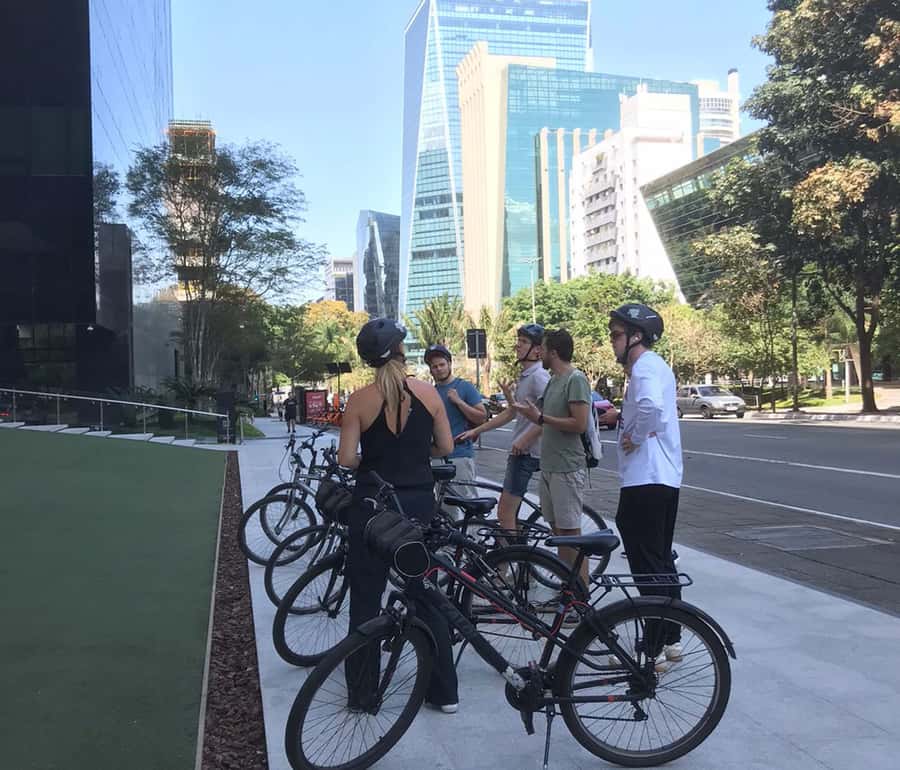
After Batman Alley, you’ll also be guided through other street-art stops in the same Vila Madalena orbit—specifically Beco do Graffiti and Beco Nego Vila. Even without a long formal “tour inside,” these added alley areas are what prevent the experience from feeling repetitive.
This is where you’ll notice variety. Different alley walls tend to reflect different messages and artistic approaches, which is exactly what you want on a street-art day. The tour’s overall pitch is clear: real São Paulo street art lives on the streets, not inside museums.
And yes, you’ll still take photos, but the more useful skill is learning to look slowly. When you slow down, the messages start to feel like communication instead of decoration.
Ibirapuera Park: parks, lakes, and Oscar Niemeyer’s presence
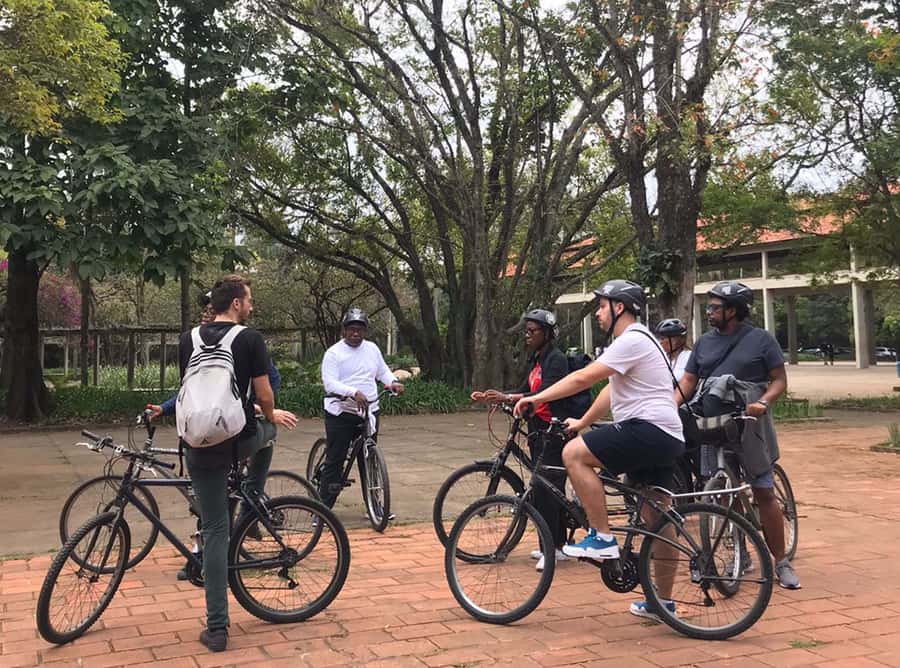
At the end of the street-art run, you reach Ibirapuera Park, with a 30-minute visit. This is one of the city’s largest and beloved parks, and it’s presented as a cultural hub as much as a green space.
The tour highlights a few major anchors inside the park:
- buildings designed by Oscar Niemeyer
- Museu Afro Brasileiro, focused on Afro-Brazilian history and culture
- MAM (Museum of Modern Art)
- Bienal de Arte
- MAC (Museum of Contemporary Art)
That list matters because it shows the tour isn’t choosing one type of art. It’s putting street expression and institutional culture into the same frame. If you’re trying to understand São Paulo as a living art capital, this is a smart final shift.
This stop also balances the day physically. After time in alleys and on a bike, park space helps your body breathe. Even if you don’t go inside every museum building, the setting tells you why this park is so important to the city.
The “in-between” photo stops: how to use short pauses well
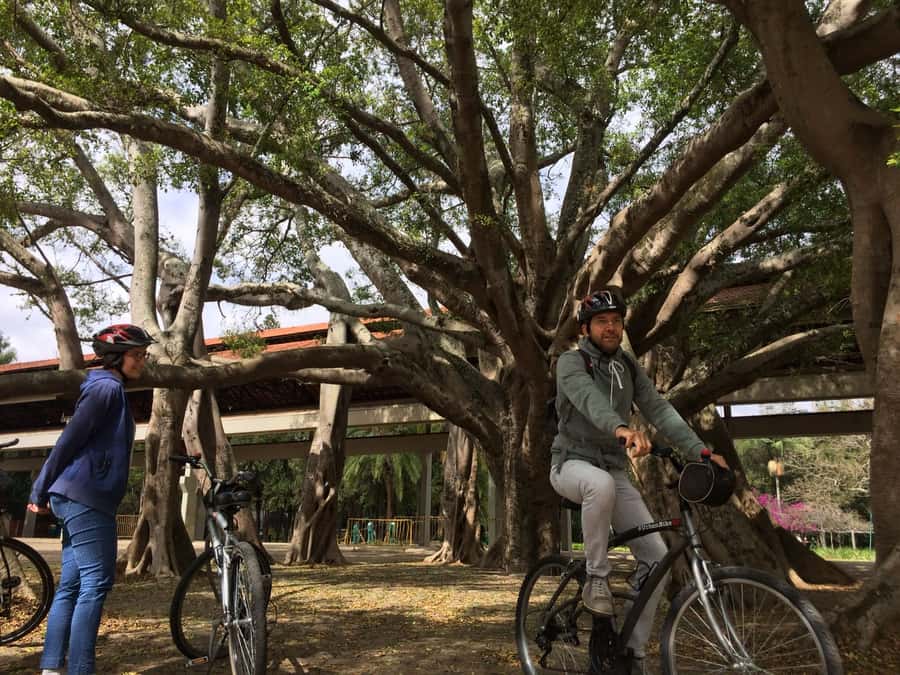
Your itinerary includes extra photo stops after the main visit areas, with short blocks of time. Since the tour schedule is built for movement, those pauses are best used with a simple strategy:
- Take your wide shot first.
- Then use the guide’s pacing cues to capture details you might miss while biking.
- Don’t spend the whole window wrestling with settings.
In a 210-minute tour, micro-decisions matter. You’ll get more value if you think of each photo stop as a chance to reset your framing, not to complete a full photoshoot.
Price and value: what $160 buys you in real terms
At $160 per person for about 210 minutes, the price might feel steep if you only compare it to a self-guided walking plan. But this is one of those cases where the “value” is in time plus guidance.
Here’s what you’re actually paying for:
- Bike rental
- Helmet, water bottle, and raincoat (if needed)
- A professional bike tour guide staying with you the entire ride
- A souvenir
- An iced mate tea after the tour
That’s not just convenience. It reduces decision fatigue. You don’t have to figure out rentals, route safety, or where to spend time inside the city’s maze. You also don’t have to translate street art on your own—your guide role is central here, and that’s exactly what people have praised most.
Also, the small group cap (limited to 10 participants) is part of the value. A smaller group keeps the ride smoother and gives you a better chance to get answers, not just follow along.
Who this tour suits best (and who should skip it)
This is a strong match if you want:
- a fast way to connect São Paulo street art with the city’s bigger cultural landmarks
- a guide who explains context, not only what to photograph
- a structured ride that still leaves room for looking closely at walls
It’s not suitable for children under 13, which keeps things clearer for biking and pace.
You should also consider skipping if you strongly dislike cycling. The tour is designed around bike movement, not slow wandering. Even with breaks and photo stops, you’ll be actively riding for most of the day.
Little details that make the day feel smoother
A few included touches can seriously affect comfort:
- Helmet and water mean you can focus on the art instead of logistics.
- The raincoat inclusion matters because street-art days can get interrupted by weather.
- The iced mate tea after is a nice local-feeling finish. It’s not a random snack; it closes the loop on a Brazilian-style day.
Finally, multi-language support (Portuguese, English, Spanish) makes it easier for your group to feel included, not sidelined.
Should you book the São Paulo Street Art Bike Tour?
Book it if you want a day that actually teaches you how to read São Paulo. The mix of Avenida Paulista, MASP, Vila Madalena alley art, and Ibirapuera Park gives you a broad picture without turning into a museum marathon. It’s also a good choice when you value guided context—especially for street art, where meaning often gets lost if you only glance and move on.
Skip it if you’re looking for a purely relaxed, no-riding sightseeing day, or if cycling makes you uneasy. You’ll spend enough time on the bike that comfort matters.
If you’re the type who likes your travel with stories attached—and you want street art where it belongs, on real corners—this is a smart way to spend 210 minutes in São Paulo.