REVIEW · ST IVES
Porthmeor Beach: Tate St. Ives Gallery Entry Ticket
Book on GetYourGuide →Operated by Tate St Ives · Bookable on GetYourGuide
Art and sea air, same stop. Tate St Ives turns a museum visit into a Cornwall moment. I especially love the range of modern art under one roof, from big names like Barbara Hepworth to artists such as Marlow Moss, Naum Gabo, and Patrick Heron. I also like that you’re never far from the feeling of place, since the gallery overlooks the Atlantic and the Porthmeor Beach view makes breaks from looking feel natural. One drawback to think about: not every room will match every taste, and if you lean toward traditional painting, a few works may feel challenging or uneven.
This one-day ticket is aimed at making the art accessible without turning it into a production. It’s a small group capped at 9, which usually means less queue pressure and more breathing room when you want to slow down. The gallery program mixes Tate collection work with modern and contemporary exhibitions from around the world, so you’re not just repeating what you’ve already seen elsewhere.
If you’re visiting with a plan, you’ll appreciate the rules: no flash photography, no touching exhibits, and you’ll want to travel light. Also, the entrance check can be a hiccup if your ticket isn’t easy to show—so I’d set yourself up for a quick entry before you get to the desk.
In This Review
- Key things I’d plan around
- Tate St Ives: where the art is only half the attraction
- The art lineup: what you’ll see and why it matters
- The Ithell Colquhoun exhibition window (Feb 1–May 5, 2025)
- What the one-day pace feels like on the ground
- Sculpture vs paintings: how to set your expectations
- Views, windows, and the simple pleasure of a reset
- Price value: is $18 the right deal?
- Logistics that make or break a smooth visit
- Who this Tate St Ives ticket suits best
- Should you book this Tate St Ives ticket?
- FAQ
- How long is the Tate St Ives entry ticket?
- How much does the ticket cost?
- What are the highlights of Tate St Ives?
- Where is the museum located for meeting up?
- Is it wheelchair accessible?
- Are pets allowed?
- Can I take photos or use flash?
Key things I’d plan around
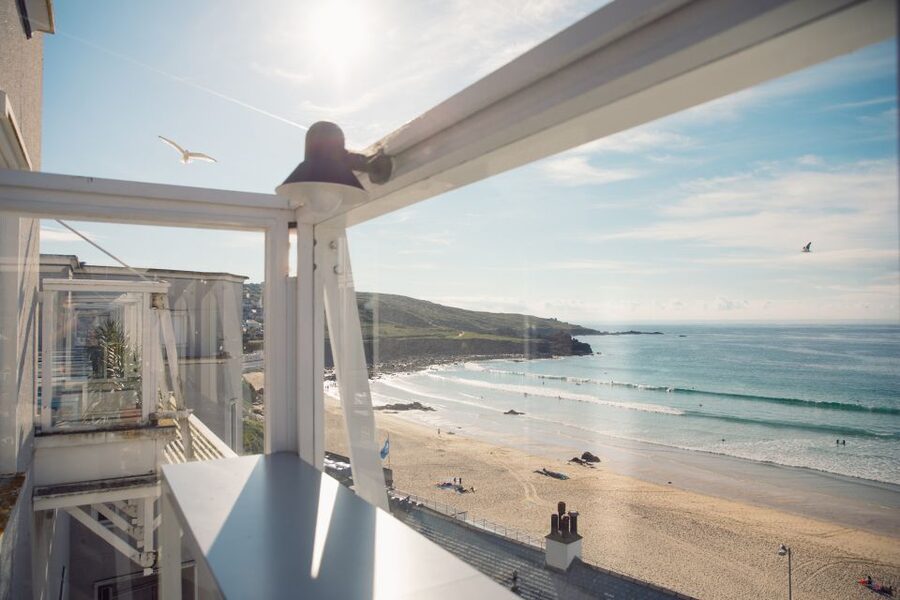
- Atlantic views from inside the museum: you can look at art, then reset your eyes with sea scenery.
- Big modern names plus global modern/contemporary shows: Hepworth, Marlow Moss, Naum Gabo, Patrick Heron, and rotating exhibitions.
- The Ithell Colquhoun highlight window (Feb 1–May 5, 2025): a major surrealist-era artist gets the spotlight.
- Small group size (9 max): fewer people makes it easier to focus on details.
- Strict carry rules: no backpacks and no oversize luggage—pack for gallery rules, not outdoor comfort only.
- Mixed reception on painting rooms: sculpture and views tend to land best when people have different expectations.
Tate St Ives: where the art is only half the attraction
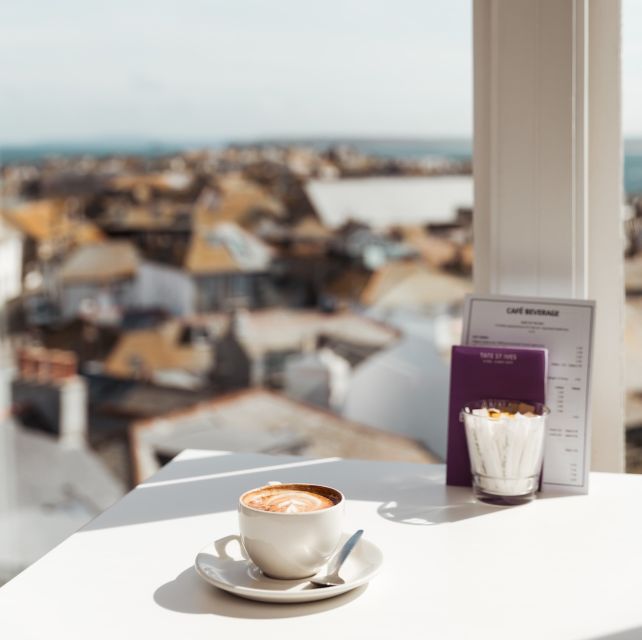
Tate St Ives sits in a part of Cornwall where the weather can change your mood in minutes. That matters, because the museum’s best asset isn’t just what’s on the walls—it’s the way the building looks out toward the Atlantic. Even if you’re not the type to study labels for an hour, you’ll likely enjoy stepping into the view, then returning to the galleries with your head reset.
For me, that “look up” rhythm is what makes this ticket feel worth your time. You can spend a concentrated stretch with sculptures and modern works, then come back to the ocean-facing spaces when you want a breather. It’s a calmer kind of sightseeing than a checklist day, which is great if you’re also trying to enjoy the town, cafés, and the sea paths around St Ives.
And there’s a practical bonus: since it’s within walking distance of both St Ives town center and Porthmeor Beach, you can build it into your day without needing a complicated transfer plan.
The art lineup: what you’ll see and why it matters
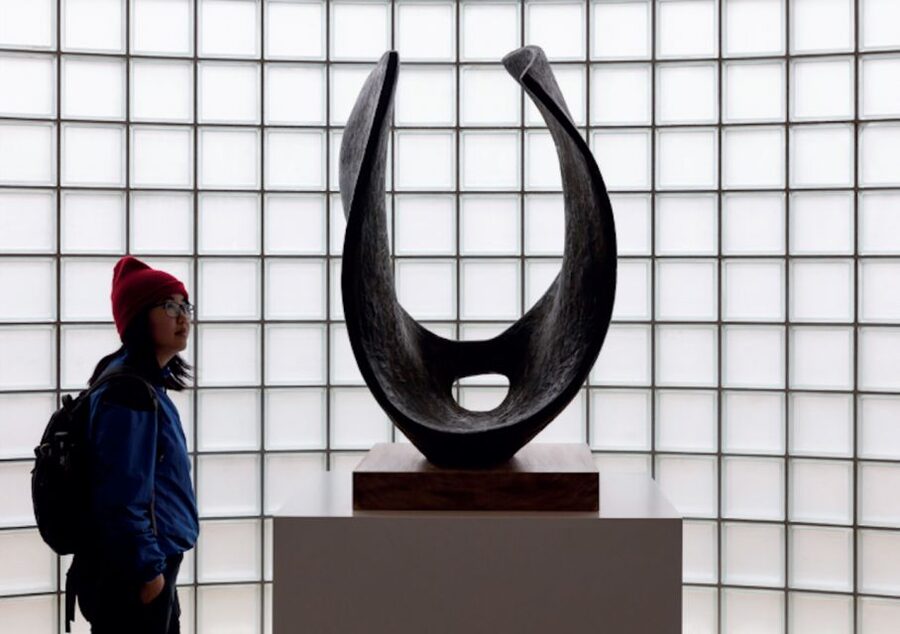
Tate St Ives is known for modern art tied to St Ives and West Cornwall, and the gallery leans into that identity. You’ll see work by major artists including Barbara Hepworth, Marlow Moss, Naum Gabo, and Patrick Heron. That’s a strong lineup because it helps you track how artists in the 20th century explored form—especially in ways that feel physical rather than just “illustrative.”
Here’s what to watch for while you’re there:
- With sculpture especially, look for how the pieces use space. You’ll get a better understanding when you notice how the work casts shadow and how your view changes as you move.
- For painters and mixed media, pay attention to how color and structure are used to build meaning. Some works can feel more direct from one angle than another, and it’s easy to miss that if you rush.
- Use the museum’s changing exhibitions as context. The Tate collection gives you the “baseline,” then the temporary shows can make the whole place feel less fixed and more like a living art conversation.
The museum also runs a dynamic exhibitions programme with modern and contemporary art from around the world. That matters because it prevents Tate St Ives from feeling like a single-artist pilgrimage. You’re not just checking a Cornwall name off a list; you’re seeing how St Ives connects to broader art movements.
The Ithell Colquhoun exhibition window (Feb 1–May 5, 2025)

From 1 February to 5 May 2025, Tate St Ives presents the first major exhibition of visionary artist Ithell Colquhoun. The gallery positions her as one of the most radical artists of her generation and an important figure in British Surrealism in the 1930s and 1940s.
If you’re into surrealism, alternative symbolism, or artwork that feels tied to the imagination rather than realism, this is the kind of show that can make a ticket feel instantly more specific. Instead of arriving at a general collection, you’re stepping into a focused presentation about a particular artist’s ideas and approach.
Even if you’re not a surrealism specialist, it’s still worth using your time strategically. I’d pick one or two rooms or sections for Colquhoun-focused attention first, then let the rest of the galleries become your follow-up. That way you leave with a clear “anchor” to your visit.
What the one-day pace feels like on the ground
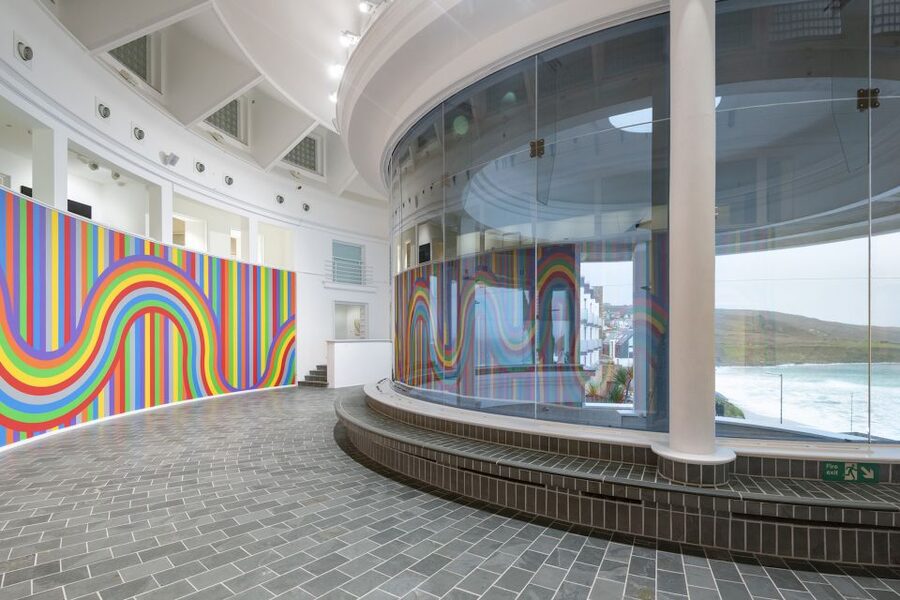
This experience is built as a 1-day visit using a museum entry ticket. That’s a good match for St Ives, where you may also want time outdoors. Since the Tate is within walking distance of the town and Porthmeor Beach, you can combine art with a sea-weather break without cramming your schedule.
A smart pacing approach:
- Start with the most important thing to you (Hepworth and other modern works, or the Ithell Colquhoun exhibition if it’s running).
- Then spend time where you naturally slow down—often sculpture or the rooms with strong sightlines.
- Save a last round for the pieces you didn’t fully “get” the first time. Art can read differently once you’ve warmed up.
One consideration: the museum can feel like a mix of experiences—some works will click fast, others may take longer to interpret. If you’re only in “fast mode,” you might end up skipping the slower rooms, and then you’ll only be getting part of what makes the collection interesting.
Sculpture vs paintings: how to set your expectations
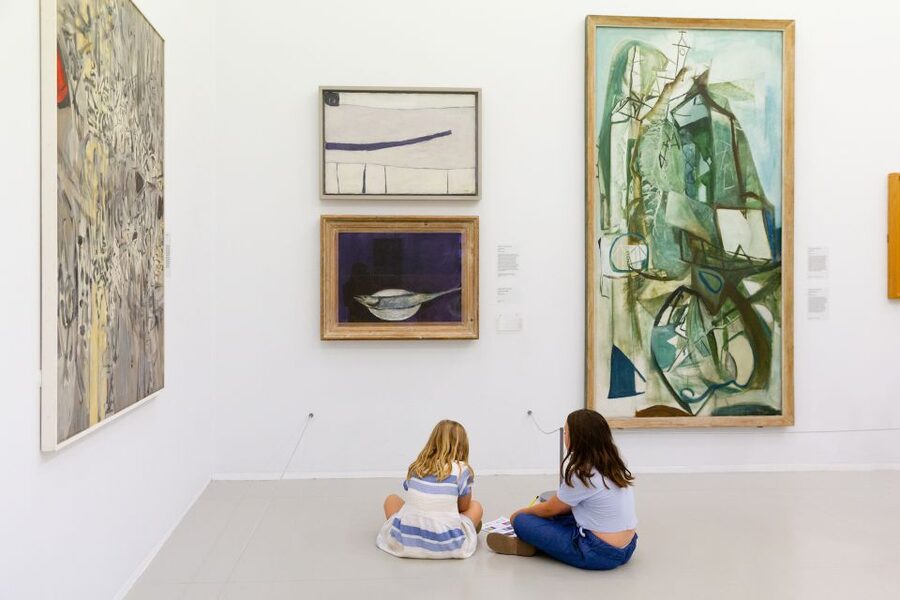
Based on firsthand impressions from past visitors, the sculpture pieces and the ocean views tend to be the big win. One person highlighted that the sculpture work was fantastic, while another pointed out the beach view from the window as the best part. On the flip side, there are also comments that some painting rooms felt underwhelming for certain tastes, including a sense that a few works didn’t connect to the local feeling of Cornwall.
So here’s my practical advice: don’t treat this as a museum where everything will satisfy everyone in the same way. If you enjoy modern form—particularly three-dimensional work—you’re likely to feel more rewarded. If you primarily love classic, representational painting, you can still have a good visit, but go in with the mindset that this is modern art, not a traditional art gallery.
Your best move is to walk with curiosity rather than expectations about what Cornwall art should look like. St Ives is famously tied to artists and communities, but Tate St Ives also includes wider modern and contemporary programming, which can widen the style range beyond local themes.
Views, windows, and the simple pleasure of a reset
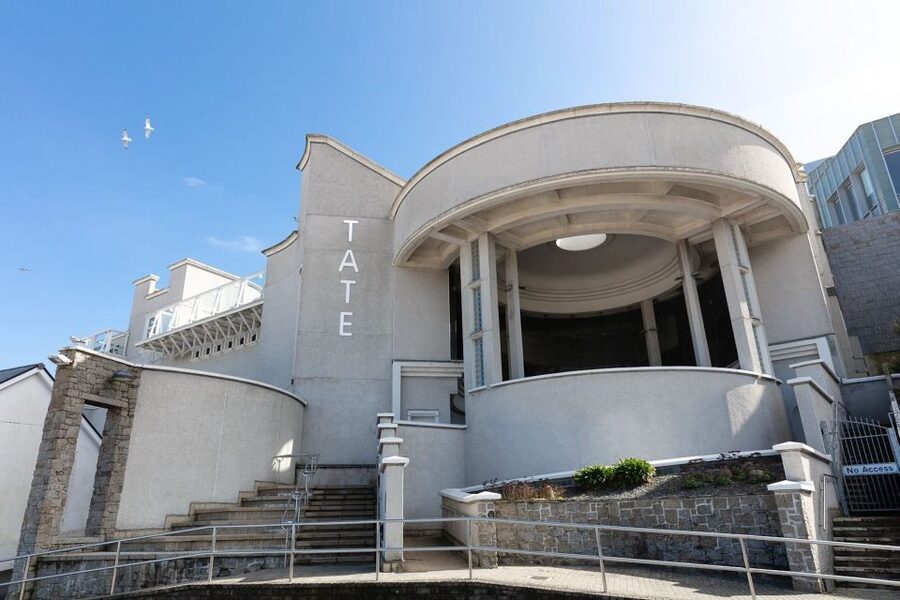
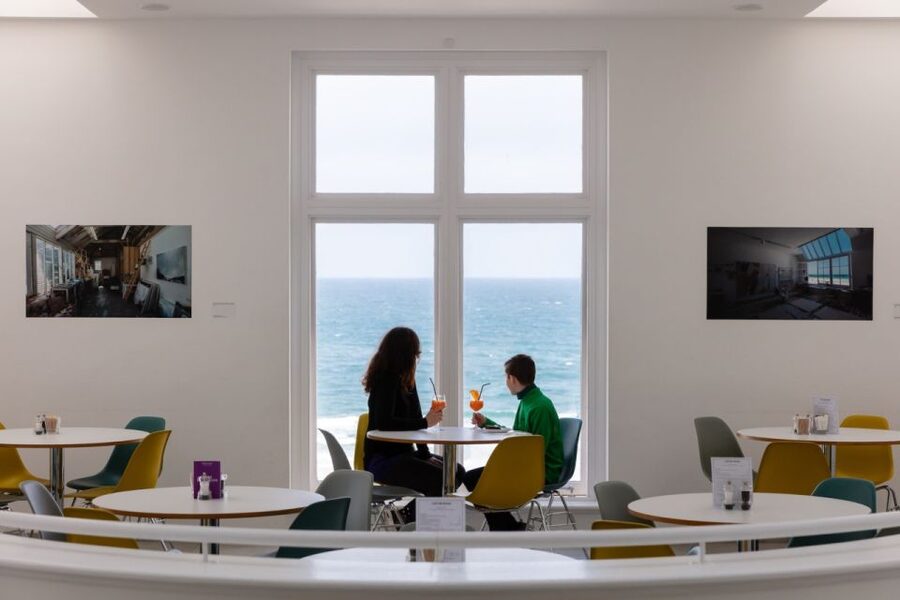
Let’s talk about why the views matter, beyond looking nice in photos. When you’re spending time in art galleries, your brain can get stuck in detail mode. Having windows and ocean sightlines gives you that automatic off-ramp.
This is especially useful if you’re traveling with anyone who gets restless inside museums. You can take a short view break and then come back to the galleries with renewed focus. It’s also a nice way to keep the visit from turning into “museum only,” because the building reminds you you’re in Cornwall and the day is bigger than the walls.
And because Tate St Ives is close to Porthmeor Beach, you can double up: go for the sea view inside, then walk out and see the landscape again from the outside later. That contrast can make the art feel even more grounded.
Price value: is $18 the right deal?
At about $18 per person, you’re paying for entry into a Tate museum that blends:
- modern art connected to St Ives and West Cornwall,
- a Tate collection core,
- and a rotating exhibitions programme with modern and contemporary work from around the world,
- plus a major timed exhibition of Ithell Colquhoun during Feb 1–May 5, 2025.
Whether that’s good value depends on how you like museums. If you’re the type who enjoys slowing down and taking in a mix of sculpture, paintings, and temporary shows, the price feels reasonable because you’ll likely spend more time and get more variety out of the ticket.
If you tend to move through galleries quickly, you’ll want to plan your route so you don’t spend money on rooms you skim. For you, the most important value lever is using the ticket to see one or two focused highlights well—then you’ll feel like you used the day well instead of rushing.
Also, since the group is small and this is entry-based rather than a long guided bus ride experience, the cost is mostly paying for access to the building and programme—not for transport or a heavy production around you.
Logistics that make or break a smooth visit
There are several rules that can affect how easy your visit feels. The gallery does not allow:
- oversize luggage,
- pets (assistance dogs allowed),
- flash photography,
- backpacks,
- unaccompanied minors,
- skateboards,
- and touching the exhibits.
That list tells you how to pack. Plan to travel light. If you’re coming from the beach side, consider keeping your bag small and easy to carry without a backpack. If you’re used to bringing a camera, remember: no flash.
Also, one practical heads-up from real-world experience: ticket checking at the entrance can be confusing if your ticket is hard to show in the moment. If you’re using a phone ticket, make sure you can display it quickly before you reach the front desk. You’ll spend less time waiting and more time inside the galleries.
Who this Tate St Ives ticket suits best
I’d tell you to consider this ticket if you:
- like modern art with a strong connection to place,
- want a museum visit that pairs well with St Ives sightseeing and the coastline,
- enjoy sculptural work and the way galleries let you move around pieces,
- and especially if you’re visiting during Feb 1–May 5, 2025 for the Ithell Colquhoun exhibition.
It might be less ideal if you:
- mostly love traditional paintings and prefer art that feels immediately familiar,
- need a strict guided route to stay engaged,
- or you’re traveling with items that don’t fit gallery rules (like backpacks).
Should you book this Tate St Ives ticket?
Book it if you want a strong modern art stop that also gives you that Atlantic reset from the windows. The price is fair for the access and the mix of collection plus temporary exhibitions, and the timing of the Ithell Colquhoun show can make it even more rewarding.
I’d skip if you’re a very fast museum visitor who only cares about one style and tends to get frustrated by experimental work. In that case, you’ll probably do better picking a single focused art experience elsewhere.
If you do book, give yourself time to look twice at at least a couple of rooms. Tate St Ives rewards a slower pace, and when you add the views, you end up with a day that feels more like Cornwall than a checklist.
FAQ
How long is the Tate St Ives entry ticket?
The ticket is valid for 1 day. You’ll want to check availability to see starting times.
How much does the ticket cost?
The price is listed as $18 per person.
What are the highlights of Tate St Ives?
You can expect art from local artists, beautiful works of modern and contemporary art, and the chance to explore Tate St Ives as the first of its kind in the UK.
Where is the museum located for meeting up?
The gallery and museum are within walking distance of St Ives town center and Porthmeor Beach.
Is it wheelchair accessible?
Yes, the experience is wheelchair accessible.
Are pets allowed?
Pets are not allowed, but assistance dogs are allowed.
Can I take photos or use flash?
Flash photography is not allowed. Touching the exhibits is also not allowed.