
REVIEW · HOBART
Grand Hobart Walking Tour
Book on Viator →Operated by Historic Hobart Tours · Bookable on Viator
Hobart history fits in a three-hour walk. This Grand Hobart Walking Tour turns the city’s streets into a practical timeline, from early colonial days to what you see now. I especially love Battery Point’s sandstone lanes and Salamanca Place’s old warehouses repurposed for modern life, all while learning how Hobart grew from its early-1800s roots.
You also get the kind of guide-led storytelling that makes small details matter, not just facts on a page. That said, it’s an outdoor walking experience, and if the weather turns, you’ll want a light rain layer so the whole afternoon stays fun instead of soggy.
In This Review
- Key Things You’ll Appreciate on This Walk
- Meeting Point: Start Where the City Welcomes You
- Hobart’s Founding Story on the Streets
- Battery Point: Where the Sandstone Makes the Past Visible
- Salamanca Precinct: Colonial Warehouses, Modern Uses
- How the 3-Hour Timing Works in Real Life
- Price and Value: Is $43.03 Worth It?
- Guide Style: Knowledge, Humor, and Participation
- What to Bring (So Weather and Walking Don’t Spoil It)
- Who This Tour Fits Best
- Should You Book the Grand Hobart Walking Tour?
- FAQ
- Where does the tour start?
- Where does the tour end?
- What time does the tour begin?
- How long is the Grand Hobart Walking Tour?
- How much does it cost?
- What’s included in the tour?
- What’s not included?
- How big is the group?
- Can I get a full refund if my plans change?
Key Things You’ll Appreciate on This Walk
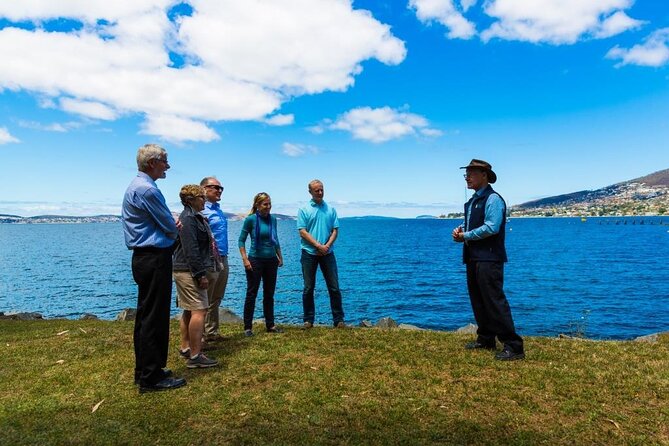
- Battery Point sandstone streets: Heritage buildings that explain how the colony looked and worked.
- Salamanca Place warehouse architecture: Colonial-era design still used for art, offices, and restaurants.
- Early Hobart context: The tour frames the city’s founding in 1803 and its place as Australia’s second-oldest city after Sydney.
- A small group feel: Maximum of 12 travelers, which helps the guide keep things personal.
- Guides who make it interactive: Named guides like Richard, Diane (Di), and Tony are highlighted for knowledge and engaging delivery.
- Saturday market timing (if it lines up): Salamanca Markets can add extra local texture with hundreds of vendors.
Meeting Point: Start Where the City Welcomes You
The tour begins at the Tasmanian Travel & Information Centre at 20 Davey St, Hobart. This is a smart way to start because you’re already in the core visitor area, where it’s easy to orient yourself before you head out on foot.
You’ll meet your local guide there and get launched into a route that mixes present-day landmarks with the history that made Hobart what it is. If you’re the type who likes to understand a place as you walk through it, this setup helps you get your bearings fast.
Start time is 2:00 pm, and you’ll finish at Salamanca Place (right at Salamanca Pl). That end point is handy: it’s a natural place to keep exploring after the tour, whether you’re aiming for food, galleries, or just another slow wander.
You can also read our reviews of more tours and experiences in Hobart.

Hobart’s Founding Story on the Streets
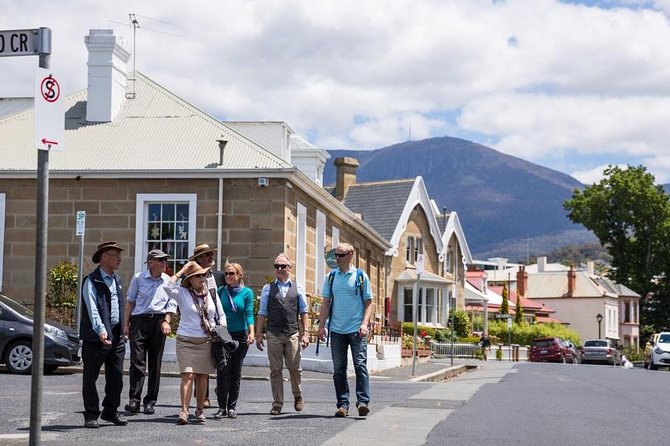
A big part of the value here is that the walk isn’t only about buildings. The guide sets the scene by explaining how Hobart was founded in 1803 and why it mattered early on. It also helps you understand Hobart as a second-oldest Australian city after Sydney, which gives the whole afternoon a stronger backbone than a list of sights.
As you pass landmarks and heritage-listed buildings, you’ll hear about the issues and people who influenced Tasmania in the early colony period. This is the kind of context that makes later stops click, because the sandstone and warehouse designs don’t feel random once you know what was driving settlement, trade, and daily life.
One nice bonus from the guiding style: some guides are praised for making the story interactive and inclusive. If you’re traveling with questions, curious kids, or just a brain that likes connections, you’ll likely appreciate that approach.
Battery Point: Where the Sandstone Makes the Past Visible
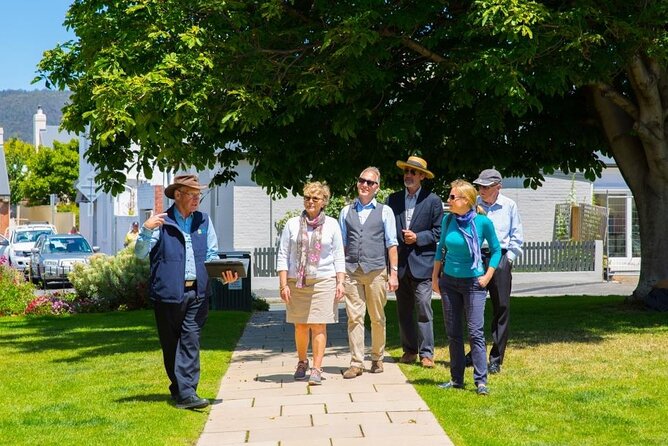
Then the tour shifts into Battery Point, where you step back into a different-looking Hobart. The focus here is historical sandstone buildings—some built up to around 180 years ago. That time depth changes how you read the streets. Instead of seeing houses and lanes, you start seeing materials, trade, and preservation.
Battery Point is also where the tour’s pace feels especially grounded. You’re not racing through photo stops; you’re walking at a human speed, with time for the guide to point out why these areas look the way they do.
A practical tip: wear shoes you trust. Even with a short, guided route, you’ll be on city pavement and sidewalks for a solid stretch. If you’re someone who tends to get stiff on long walks, plan to carry water and take your cues from the guide’s rhythm.
Salamanca Precinct: Colonial Warehouses, Modern Uses
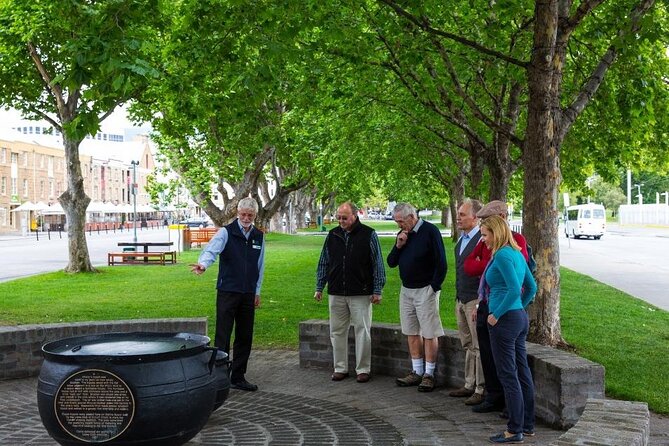
After Battery Point, you head to the Salamanca precinct, and the tour’s tone shifts from “old homes and lanes” to “old trade architecture.” The Salamanca Place warehouses are a prime example of colonial Australian building style, and you’ll see how the structures have been repurposed.
This is one of the stops where I think you’ll get the most value from the guided perspective. Without explanation, warehouses can just look like old buildings. With the context, you start noticing design choices that reflect what the space was built to do—then you see those same structures now used as art galleries, office spaces, and restaurants.
So you get two benefits in one: history you can see, plus a feel for how the present works inside it. It’s a great way to avoid the common trap of only visiting places frozen in time.
If you’re there on a Saturday, the Salamanca Markets can add extra energy nearby. It’s known for several hundred vendors with art, fresh foods, and handicrafts. Even if you don’t plan to shop, the market atmosphere gives you that local rhythm that helps Salamanca feel like a living neighborhood, not a museum set.
How the 3-Hour Timing Works in Real Life
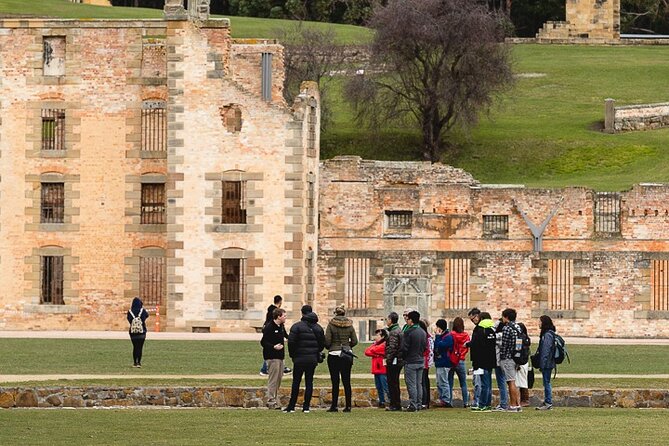
This is approximately a 3-hour walking tour, with a mobile ticket and a small group limit (up to 12 people). In practice, that length is just right for a history-focused stroll without turning your afternoon into a whole day project.
A 3-hour tour also means you can plan your day around it. You can do it early enough to still enjoy the rest of Hobart afterward, especially since the route ends at Salamanca Place. It’s a smooth way to fit sightseeing into a schedule without needing a car or complicated logistics.
One thing to keep in mind: it’s a walking tour, so you’ll spend most of the time on your feet. The tour is described as suitable for most travelers, and kids must be accompanied by an adult. If you’re bringing younger travelers, the payoff tends to be better when you encourage questions and let the guide tell the stories in a way that feels engaging, not lecture-like.
Price and Value: Is $43.03 Worth It?
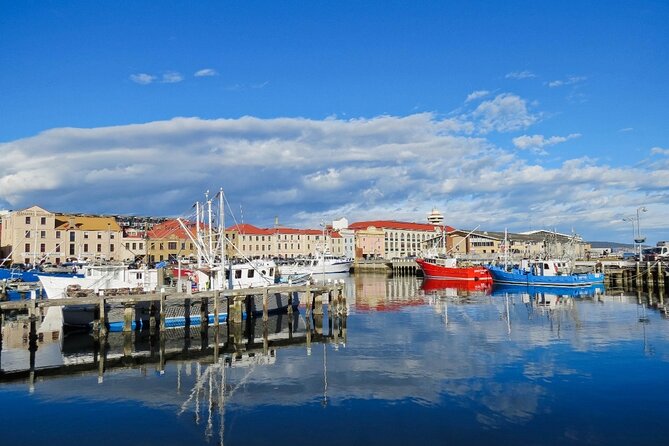
At $43.03 per person, the key question is what you’re actually buying. You’re not paying for transportation, a meal, or hotel pickup. What you are paying for is a local guide plus a focused route that blends three areas—Hobart, Battery Point, and Salamanca—with historical framing you might struggle to assemble on your own quickly.
For me, the value comes from the combination:
- You cover multiple neighborhoods in one outing.
- You get guided interpretation of early-colony development, not only a sightseeing checklist.
- The route ends in a high-activity area (Salamanca Place), so you can keep exploring right after.
The guide-led storytelling is where the money often pays off. People praise named guides like Richard, Diane (Di), and Tony for making the three hours feel like they fly by, plus for knowledge that lands in an easy, enjoyable way. If you enjoy walking tours as a format—especially ones that mix buildings with story—this price usually feels fair for what you get.
Guide Style: Knowledge, Humor, and Participation
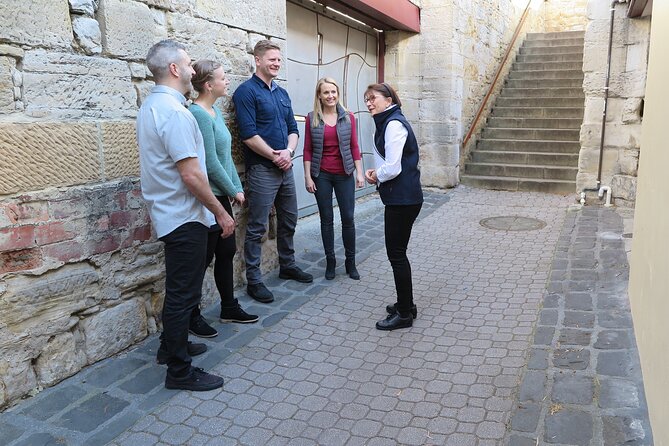
A lot of tour reviews tend to repeat the word knowledgeable. In this case, what stands out is how that knowledge is delivered.
Some guides are specifically praised for an easygoing, funny style and for sharing facts in a way that keeps the group engaged. Others are noted for being interactive and getting everyone part of the story, including when people have different interests. That matters because a history walk can either feel like a parade of dates—or like a conversation with the city.
If you want practical tips too, keep your ears open. More than once, guides are credited with suggesting good places to eat and what to try afterward. That’s the kind of bonus that turns a tour into something you benefit from the same day, not just later when you’re writing down notes.
What to Bring (So Weather and Walking Don’t Spoil It)
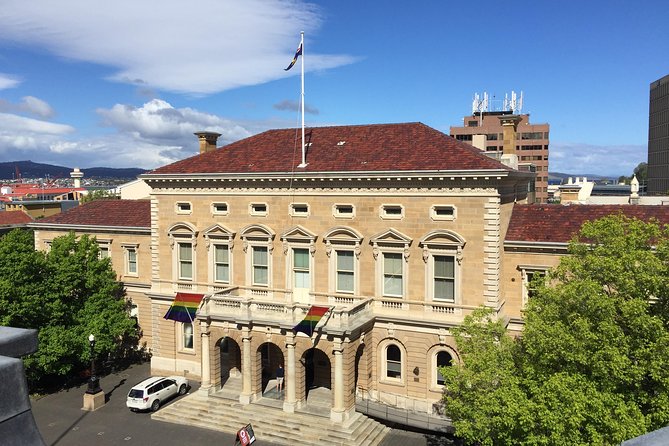
Since this is primarily outdoors, you’ll want to think about comfort. Bring:
- Comfortable walking shoes
- A light layer for changing Hobart weather
- A small amount of water, since food and drinks aren’t included
If it rains hard, you can expect the walk to be less pleasant. One piece of feedback mentions rainy conditions that pushed the group to head back early. You can’t control the weather, but you can reduce the damage with the right basics.
Also, dress for sightseeing. Salamanca and Battery Point are photo-friendly, and you’ll likely want to stop and look closely at sandstone details. If you’re dressed for comfort rather than fashion, the whole afternoon feels easier.
Who This Tour Fits Best
This is a strong pick if:
- You want a guided way to understand Hobart’s early-1800s story without doing homework first
- You like walking tours that explain buildings, not just point at them
- You want a compact plan that covers Battery Point and Salamanca Place in one go
It’s also a good fit for people who have already done bigger highlights and want something more textured—streets, architecture, and how daily life used to work. If you’re a first-timer, it gives you a framework to return later with better context. If you’ve been to Hobart before, it’s still a way to spot details you may have missed.
Should You Book the Grand Hobart Walking Tour?
Yes, if you want history you can see and a guided walk that doesn’t drag. At $43.03 for about 3 hours, it’s priced like an efficient afternoon activity, not a full-day commitment. And because it ends in Salamanca Place, it works well as the center of your later plans.
Book it especially if you care about the connection between colonial architecture and how the city functions now. If you’re very sensitive to weather or you expect the tour to include stops with shelter, you might want to pack for rain and be ready for an outdoor walking pace. Otherwise, this is exactly the kind of tour that helps Hobart feel real, not just old.
FAQ
Where does the tour start?
It starts at the Tasmanian Travel & Information Centre, 20 Davey St, Hobart TAS 7000.
Where does the tour end?
The tour ends at Salamanca Place, Salamanca Pl, Hobart TAS 7000.
What time does the tour begin?
The start time is 2:00 pm.
How long is the Grand Hobart Walking Tour?
The tour runs for about 3 hours.
How much does it cost?
The price is $43.03 per person.
What’s included in the tour?
A local guide is included.
What’s not included?
Food and drinks are not included, and there is no hotel pickup or drop-off.
How big is the group?
The tour has a maximum of 12 travelers.
Can I get a full refund if my plans change?
Yes. Cancellation is free up to 24 hours in advance for a full refund. If you cancel less than 24 hours before the start time, the amount you paid is not refunded.