REVIEW · SAO PAULO
São Paulo Street Art Tour
Book on GetYourGuide →Operated by LP FASSI SIMARDI VIAGENS E TURISMO ME · Bookable on GetYourGuide
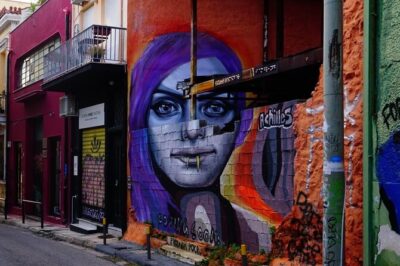
São Paulo street art has a way of catching you off guard, then grabbing your attention for hours. This tour takes you through downtown São Paulo and the bohemian Vila Madalena area to see famous murals locals call grafites, and you’ll learn the style differences and the story behind them as your guide walks you from piece to piece. I especially love how the tour connects the art to hip hop roots from the US, and I also like that you finish at a dedicated street art gallery where you can slow down and actually look. One thing to consider: it’s a 4-hour walk-and-look experience, so comfortable shoes matter more than you’d expect.
I’ve seen guides use facts like a lecture, but this one keeps it human. The best part is watching your guide (I met Renato on a similar run, and Luiz Henrique and Doris are also known for strong storytelling) explain how each artist’s approach fits into São Paulo’s street culture. It’s private, and you can go at a pace that works for your photo breaks and questions, but that also means you’re booking for the guide’s time, not a big group discount.
In This Review
- Key things you’ll notice on this São Paulo street art tour
- The São Paulo word grafites, and why it changes how you see the walls
- Downtown São Paulo stop: famous street art, not just street scenes
- Vila Madalena: the bohemian neighborhood that puts graffiti in everyday life
- The guide’s storytelling: artists, style, and hip hop’s influence
- Ending at a street art gallery: why the last stop is worth the effort
- What’s included, and what you should plan for yourself
- Price value: what $265 buys you in a private 4-hour experience
- What to bring (and what to skip) so you enjoy the full 4 hours
- Who this tour suits best in São Paulo
- Should you book the São Paulo Street Art Tour?
- FAQ
- How long is the São Paulo Street Art Tour?
- Where does the tour take place?
- How much does the tour cost?
- What languages are the live guides?
- What’s included in the price?
- What is not included?
- Is the tour wheelchair accessible?
- What should I bring for the tour?
- Are there any restrictions for participants?
Key things you’ll notice on this São Paulo street art tour
- You get the art and the context: explanations of artists, styles, and how street art evolved
- Vila Madalena is the right setting: you’re walking through São Paulo’s main bohemian zone
- Downtown grafites you can spot fast: the tour keeps famous works in focus
- You’ll end in a graffiti-focused gallery: time to browse beyond what you can photograph outside
- Private guide experience: a specialist English or Spanish-speaking guide for a more tailored feel
- Practical street-smart planning: sunglasses, sun hat, and a camera actually make sense here
The São Paulo word grafites, and why it changes how you see the walls

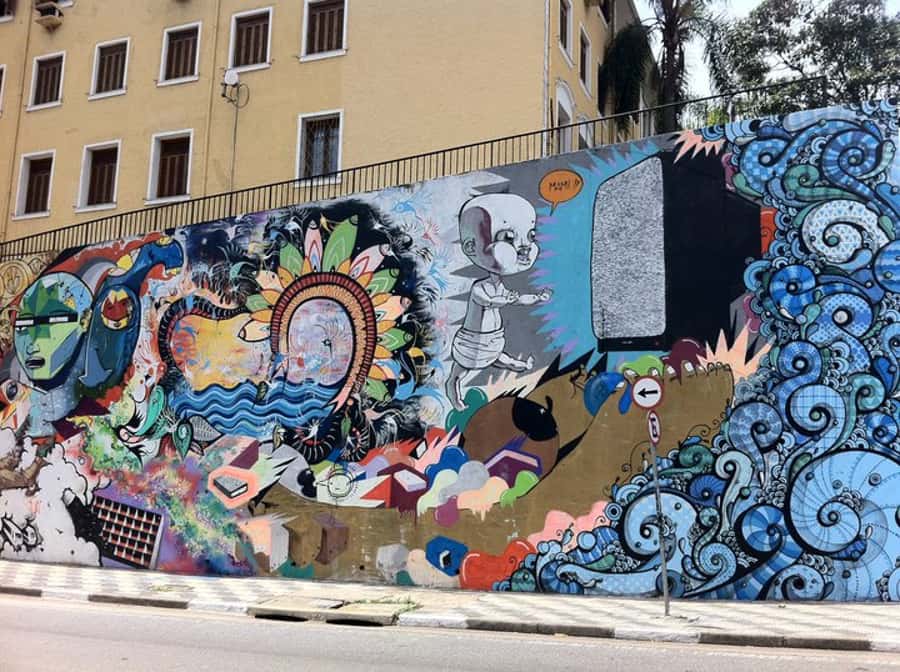
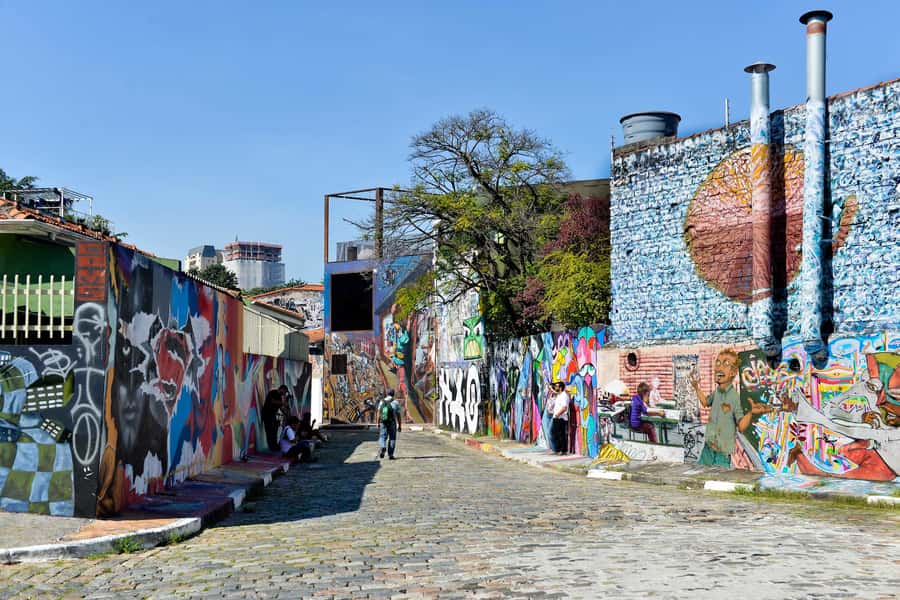
In São Paulo, people don’t just treat graffiti as random vandalism. You’ll hear it framed as grafites, a public art tradition locals protect and take pride in. That one word shift matters. It changes your mindset from spotting something you’re not supposed to touch, to reading a wall like you’d read a page in a book.
On this tour, your guide helps you do that reading. You’ll see a hand-picked selection of some of São Paulo’s best-known pieces, and the commentary is built around the artists and their styles. That’s the difference between looking at images and understanding why they look the way they do—lettering choices, color decisions, and the way certain artists repeat themes.
It also helps you understand why the street can function like a living gallery here. When a city treats these works as part of its culture, people pay attention, and the art gets better known over time. You’re not just passing spots; you’re learning how São Paulo frames them.
A few more Sao Paulo tours and experiences worth a look



Downtown São Paulo stop: famous street art, not just street scenes
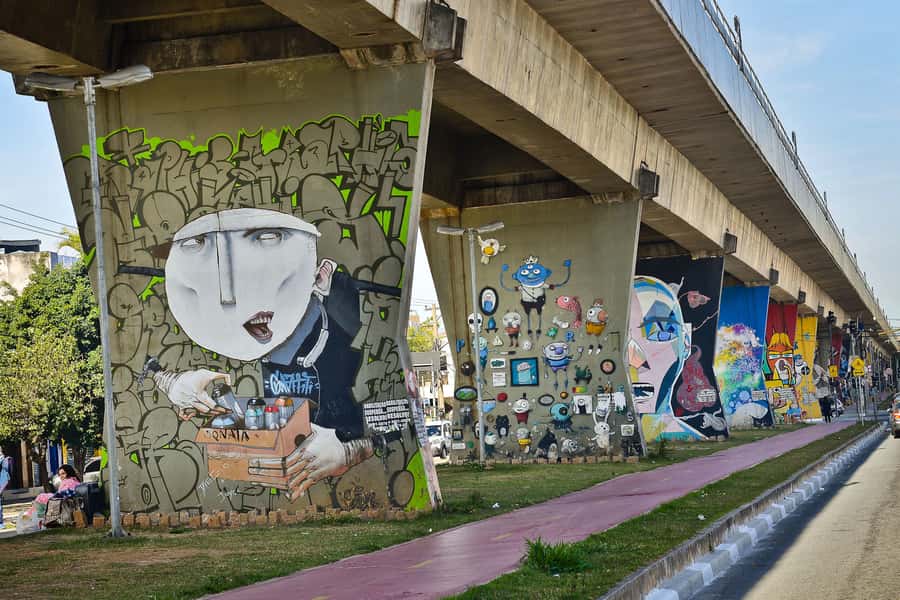
Downtown São Paulo is where you start to notice patterns: how certain murals anchor a neighborhood, how tags and larger pieces can share a street but still feel different in purpose. The tour is designed to take you through areas where the art is known and respected, so you’re not relying on luck to find something interesting.
Expect your guide to point out multiple artists and explain how their styles connect to the broader street art scene. The guides’ goal is not to overwhelm you with names. It’s to help you recognize what you’re looking at—especially the visual language.
A detail I really appreciate is the way the tour connects the evolution of street art to hip hop culture, including roots back in the US. You’ll see the link in how street expression traveled and transformed. Even if you’re new to this, the guide makes the connections clear enough that it clicks without feeling like homework.
A possible drawback: downtown walking can be busy. The tour is still structured, but if you’re someone who hates crowds, you’ll want to keep your expectations realistic and plan for photo timing.
Vila Madalena: the bohemian neighborhood that puts graffiti in everyday life
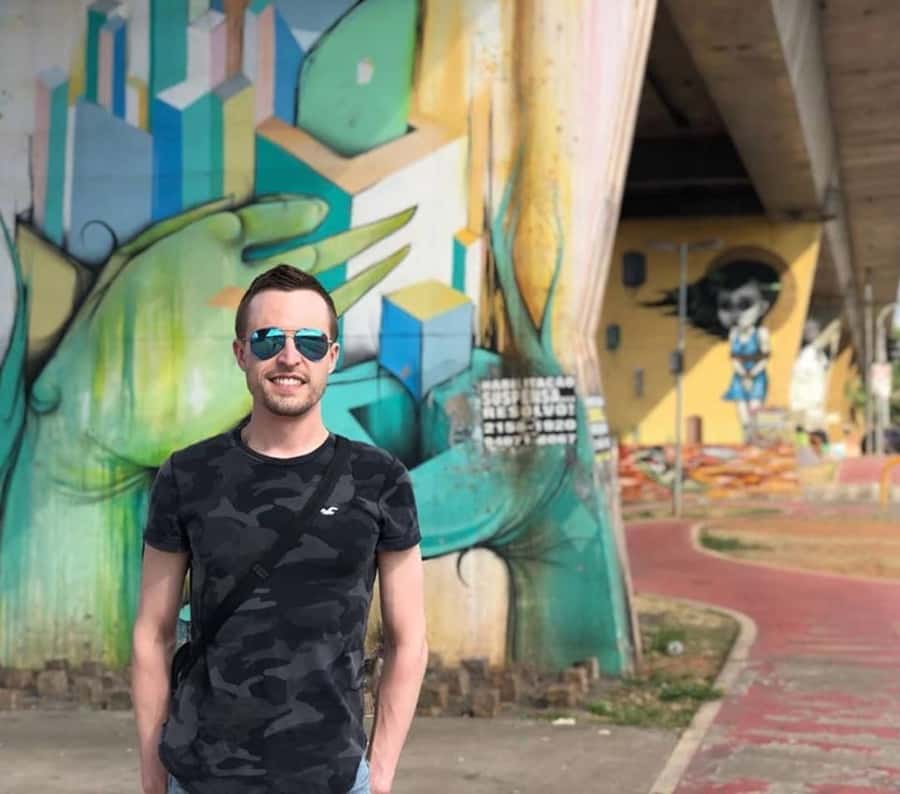
Then you move into Vila Madalena, São Paulo’s main bohemian area. This is where street art stops feeling like an exhibit and starts feeling like part of daily life. The vibe is more lived-in, and you’ll likely notice more variety in how the artwork appears and how people react to it.
What I like about including Vila Madalena is that it gives you a cultural frame. Graffiti here isn’t just a single style; it’s tied to the neighborhood’s personality. When your guide talks through artists and their approaches, the setting helps you understand why certain looks fit here and not just anywhere.
Guides often use personal connections to make the stories land better. For example, Luiz Henrique is known for knowing many of the street art artists personally, which means the conversation can feel more direct. You might not get some scripted moment, but you do get that extra layer of credibility when the guide talks like they’ve met the people behind the walls.
Another point in your favor: Vila Madalena is the kind of place where, after the tour, you’ll probably want to keep exploring. Even if you don’t go farther, the neighborhood gives you a better sense of what “street art culture” means beyond the 4-hour window.
The guide’s storytelling: artists, style, and hip hop’s influence
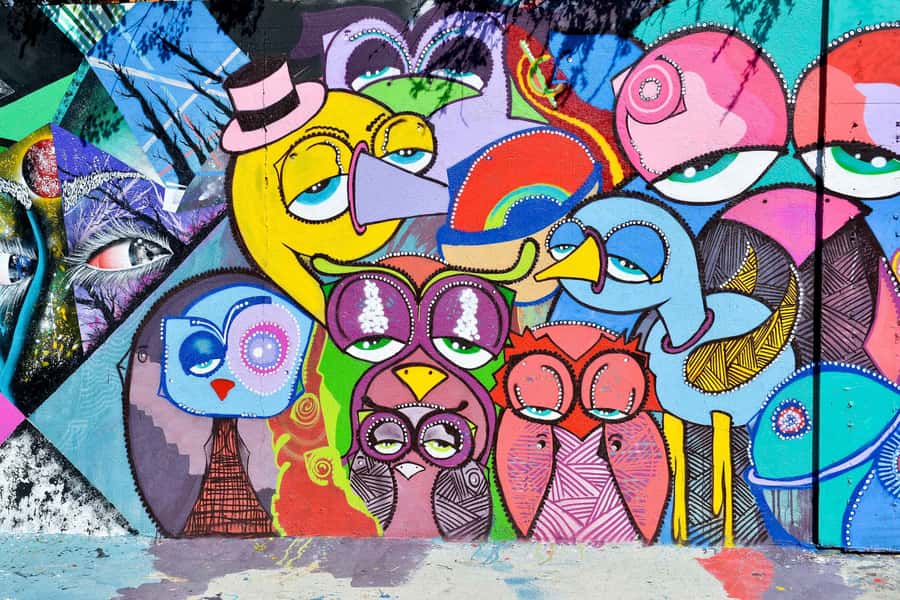
The backbone of this tour is how your guide talks you through each artist and style. This isn’t a generic walking loop where you read plaques and move on. You’re guided through a narrative: what you’re seeing, why it exists, and how it fits into the larger development of Brazilian street art.
From what I’ve seen in strong-guide runs like Renato’s, the tour is excellent at linking evolution and variety to roots in hip hop culture from the US. That matters because hip hop is more than music here. It’s a way of speaking, showing identity, and building community through public expression. Graffiti fits that logic.
And you’ll also notice that the guide language support is a plus for actually absorbing the art. The tour is offered with live guides in Spanish, English, and Portuguese, so if your language comfort is good, your understanding will be better than if you rely on vague gestures and quick translations.
One thing to consider: because the art discussion is part of the tour, you’ll get the most out of it if you’re willing to listen while you walk. If you only want photos and zero talking, you might find the storytelling pace slower than you’d like.
Ending at a street art gallery: why the last stop is worth the effort

The tour finishes at a street art gallery focused entirely on graffiti and street art. This is a smart finish. Outdoors, you can photograph murals and larger pieces, but you lose context: the scale is limited, lighting changes everything, and you can’t always get the full story behind the work. In a gallery, you can spend time absorbing details you can’t capture quickly.
This is also where the tour shifts from viewing to browsing. Your guide helps you learn more about this unique art form, and you can take your time. If you’re the type who wants to compare styles, read the explanations, or simply keep looking after the walk, this end stop makes the whole experience feel complete.
In similar guided days, people have also mentioned visits to multiple street-art galleries, which is exactly the kind of add-on that helps you see how artists show their work both on walls and in curated spaces. Even if your route is just one gallery, the concept stays the same: you’re ending with a deeper look.
Practical note: bring your camera, but don’t treat it like the only job. Use the gallery time to slow down and actually see.

What’s included, and what you should plan for yourself
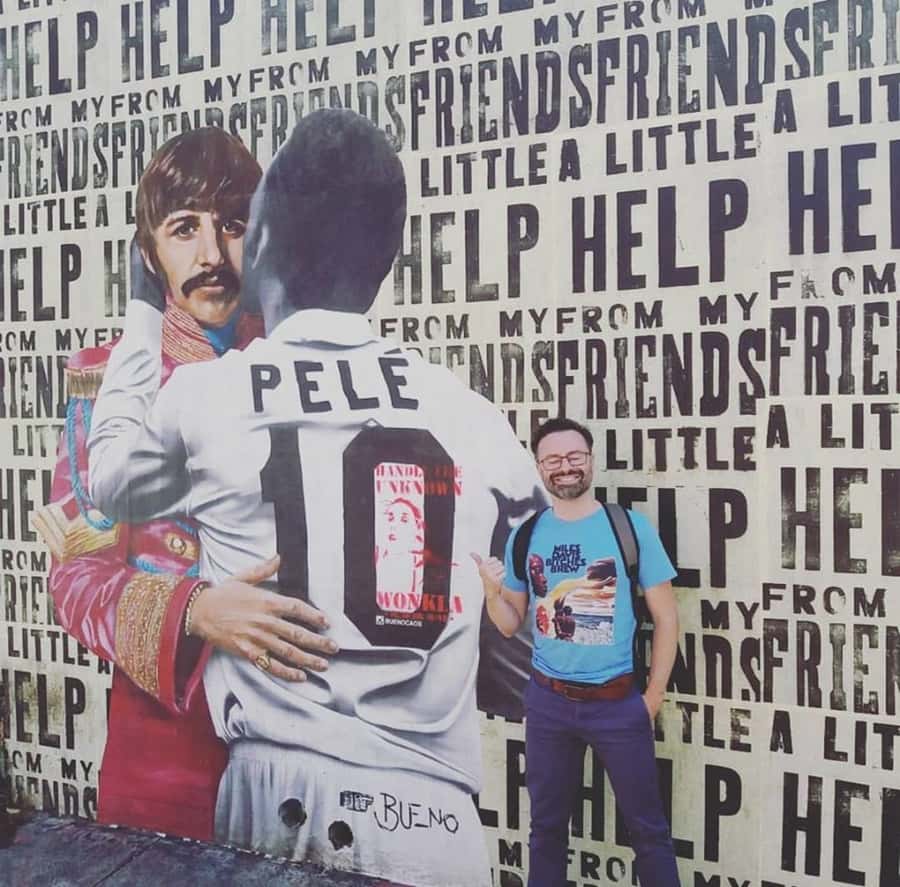
This tour is built around a specialist English or Spanish-speaking tour guide, plus transportation depending on which option you choose. If you choose the private vehicle option, you’ll get transport by private vehicle. If you choose the regular option, pickup is from a meeting point.
If your hotel pickup is part of your plan, keep in mind the hotel needs to be located within São Paulo’s expanded center area. That detail matters because it affects whether pickup is smooth or if you’ll end up heading to a meeting point instead.
Not included are food and drinks and gratuities. So plan a snack strategy before you start. A 4-hour street art tour can be mentally engaging but physically tiring, especially under sun. Also, if you’re staying in a neighborhood farther from the route, you might want to eat before the tour rather than assuming you’ll find something convenient mid-way.
Price value: what $265 buys you in a private 4-hour experience
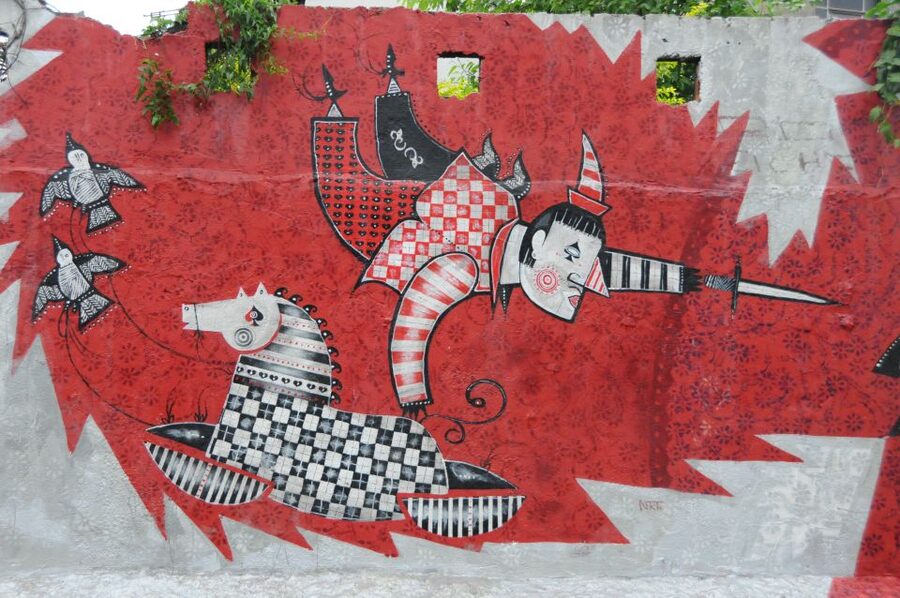
The price is listed as $265 per group, up to 1 participant. On paper, that sounds steep if you’re thinking in per-person terms like a group bus tour. But think of what you’re actually paying for: private time with a specialist guide who is talking through artists and styles, plus transportation and pickup options.
For a solo traveler (or a small party, based on the up-to-1 setup), this can be good value because you get:
- a focused route through the areas most connected to São Paulo’s street art culture
- direct Q&A while you’re standing in front of the art
- a gallery finish where you can browse with context
If you’re traveling with friends and the tour still prices as one private group, the value gets even better when costs split. If you’re traveling solo and you’re serious about street art (not just curious), the guide time plus the gallery stop often feels like the right kind of spending.
What to bring (and what to skip) so you enjoy the full 4 hours
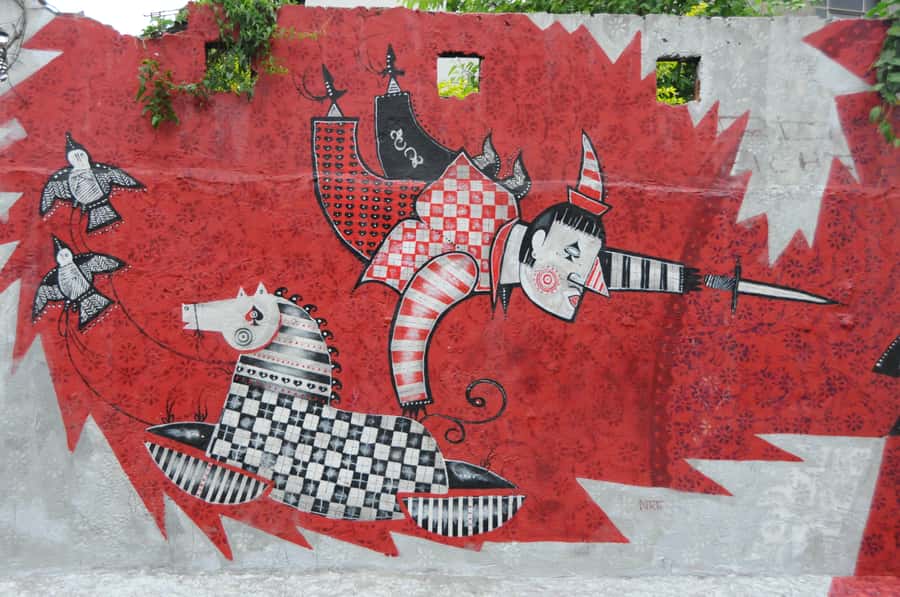
You’ll walk and look, so pack for comfort and sun.
Bring:
- Comfortable shoes
- Sunglasses
- Sun hat
- Camera
Don’t bring:
- Pets
- Smoking
- Unaccompanied minors
That last point is about safety and supervision, and it also affects logistics. If you’re traveling with kids, pay attention to the special transport requirement for children up to 10 years old, which requires special seats. You need to inform the operator in advance if children are in your reservation.
Also, because this tour runs in daylight hours (it’s a 4-hour city walk style experience), sun management isn’t optional. You’ll feel it faster than you think.
Who this tour suits best in São Paulo
This is ideal if you:
- want more than photos and want an artist-and-style story
- like street art, hip hop culture, and public art history connections
- want to explore Vila Madalena and downtown with a guide instead of guessing your way around
- prefer a private group pace so you can stop for details
It also works well if you plan to keep exploring after the tour. Once you’ve learned how to read the walls, you’ll start noticing patterns on your own.
If you’re only interested in the absolute biggest murals and you don’t care about context, you may find you want a more flexible self-guided option. But if you care about understanding, this format is strong.
Wheelchair accessibility is listed as a feature, and the tour is designed to be wheelchair accessible, so it can be a better choice than some highly uneven walking tours.
Should you book the São Paulo Street Art Tour?
I’d book it if you want the fastest way to feel clued-in: famous grafites in downtown, a proper street art neighborhood stop in Vila Madalena, and then a graffiti-focused gallery finish. The guides are the main reason to choose this one—people like Renato, Luiz Henrique, and Doris are repeatedly associated with clear storytelling and a strong grasp of how the art connects to wider culture.
I would skip or rethink if you hate guided discussion and want mostly independent wandering, or if you’re very sensitive to walking in busy downtown areas. Also, if you’re not comfortable paying a private-session price, you may prefer a different format where multiple people share the cost.
If your goal is street art with meaning, not just street art with selfies, this is a very solid way to spend 4 hours in São Paulo.
FAQ
How long is the São Paulo Street Art Tour?
It lasts 4 hours.
Where does the tour take place?
You’ll visit downtown São Paulo, including Vila Madalena, and the tour finishes at a street art gallery.
How much does the tour cost?
The price is $265 per group, listed as up to 1.
What languages are the live guides?
The tour offers live guidance in Spanish, English, and Portuguese.
What’s included in the price?
A specialist English or Spanish-speaking tour guide is included. Transportation by private vehicle is included if you choose the private option, and pickup is included either from a meeting point (regular option) or from your hotel area (hotel needs to be within the expanded center of São Paulo).
What is not included?
Food and drinks are not included, and gratuities are not included either.
Is the tour wheelchair accessible?
Yes, wheelchair accessibility is listed as available.
What should I bring for the tour?
Bring comfortable shoes, sunglasses, a sun hat, and a camera.
Are there any restrictions for participants?
Pets are not allowed, smoking is not allowed, and unaccompanied minors are not allowed. If children up to 10 years old are in your reservation, you need to inform the operator in advance due to special seats requirements.