REVIEW · BUDAPEST
Original Budapest Alternative Street Art & Jewish Tour
Book on Viator →Operated by Original Budapest Tours · Bookable on Viator
Street art in Budapest has a second job.
This Original Budapest Alternative Street Art & Jewish Tour is a relaxed, guided walk that connects alternative culture with real neighborhoods—mostly in the 6th and 7th districts—and it stays social without turning into a lecture.
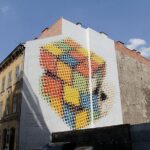
I especially like the way the tour spotlights specific local works like Színes Város / Colourful City, rather than handing you generic photo stops. The other big win is the guide interaction: guides work for tips, so the experience feels more responsive than the usual fixed-script tour. One possible drawback: guide quality can vary, and a couple of past experiences pointed to guides needing stronger training to answer questions and place details correctly.
In This Review
- Key highlights to know before you go
- Why this street-art + Jewish walk works in 3 hours
- Starting at St. Stephen’s Basilica (and why that matters)
- Stop 1: Lépcső Street Art and the joy of looking up
- Stop 2: Terézváros and the feel of Budapest in District 6
- Stop 3: Andrássy Avenue to Király u. and into the 7th district
- Stop 4: Színes Esernyök and the Colourful City street-art idea
- Price and value: what $25.20 buys you (and why it can be worth it)
- Who should book this tour (and who should be cautious)
- Quick practical tips so your walk feels good
- Should you book this Original Budapest Alternative Street Art & Jewish Tour?
- FAQ
- How long is the tour?
- Where does the tour start?
- What time does the tour begin?
- How much does the tour cost?
- What’s included in the tour price?
- Are the stops free to enter?
- What is the cancellation policy?
Key highlights to know before you go
- Street-art stops with free viewing like Lépcső Street Art and Színes Esernyök
- District 6 + District 7 route (Terézváros into the Jewish-quarter area)
- Local artist focus including the Színes Város / Colourful City concept
- Andrássy Avenue to Király u. crossing—a simple geography lesson on the ground
- Tip-for-best-service vibe with a guide who’s motivated to engage you
- Max group size up to 100—you’ll still want to choose a good spot for photos
Why this street-art + Jewish walk works in 3 hours
This tour is built for people who want to understand the city by walking it, not just looking at it from a tram window. With a roughly 3-hour schedule and about four main stops (each around 30 minutes), you get enough time to actually notice details—street art, street textures, and neighborhood mood—without burning an entire morning.
The route also makes practical sense. It threads through two adjacent districts—Terézváros (6th) and the 7th district—so you experience how Budapest’s character shifts as you move a few streets over. Even if you’ve been to Budapest before, this kind of focused route helps you get your bearings fast and see places you might otherwise speed past.
It’s also a good fit for mixed interest groups. Street art fans will enjoy the art itself. People drawn to Jewish Budapest won’t be left out either, because the walk includes viewpoints tied to that story—plus your guide’s commentary along the way.
A few more Budapest tours and experiences worth a look

Starting at St. Stephen’s Basilica (and why that matters)
You meet at St. Stephen’s Basilica, Szent István tér 1, starting at 11:00 am. This is one of the easiest meeting points in Budapest: it’s a major landmark, so you’re less likely to end up late or stuck wandering.
From there, you’ll spend the morning moving outward on foot toward the 6th and 7th districts. That’s useful because it turns the early part of your day into orientation. Instead of spending 30 minutes figuring out which streets matter, you let the tour route do that work for you.
One thing I’d plan for: the tour ends in a location that can vary depending on the route that day. So if you have another reservation right after, give yourself a buffer. And since the tour requires good weather, I’d also keep an eye on forecasts—street-art walking gets annoying fast when you’re dealing with rain.
Stop 1: Lépcső Street Art and the joy of looking up

Your first stop is Lépcső Street Art, with about 30 minutes allocated there. Admission is free, which is always a plus when you’re trying to keep Budapest costs reasonable.
This is the kind of stop where you benefit from having a guide—not because you need permission to look, but because you learn what to notice. Street art can look like random color until someone points you to the themes, the style choices, and the way it interacts with the street around it. Here, you’re essentially training your eye while you’re enjoying the art.
Practical tip: bring your phone camera readiness, but also take a minute to look without the lens. The best street-art moments often happen when you notice size, placement, and how the art fits the flow of the sidewalk. You’ll get more from the stop if you treat it as both a viewing session and a mini walking lesson.
Potential drawback: 30 minutes goes quickly at this kind of stop. If you’re the type who likes to linger for 45–60 minutes per artwork, plan on saving extra time afterward on your own.
Stop 2: Terézváros and the feel of Budapest in District 6
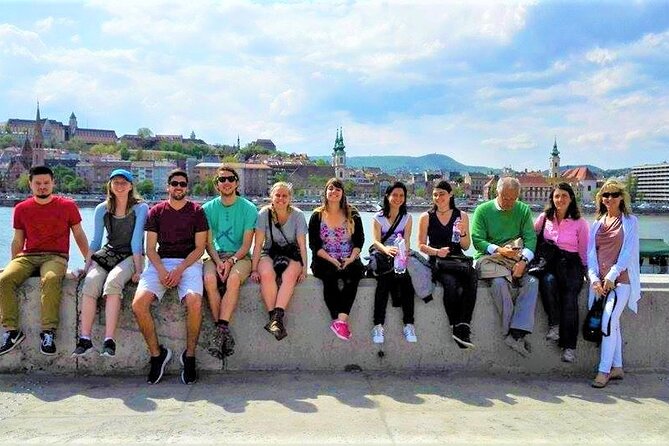
Next up is Terézváros, again about 30 minutes, and again admission is free. This stop is about atmosphere and orientation as much as it is about art.
What I like about starting your neighborhood shift here is that the tour frames Terézváros as a place where you see Budapest’s younger side—both literally and in spirit. You get a sense of how the city’s creative energy lives in everyday streets, not just in “must-see” tourist corners.
Your guide’s job is to connect what you’re seeing on the street to what it means for understanding the city. That can include everything from how districts have evolved to why certain art styles show up where they do. If your goal is to leave Budapest with more than photos, this is the part that helps you build context.
Small consideration: if you already know the district well, you may not find brand-new facts at every step. Still, the guided walk can help you connect the dots between street art and neighborhood identity.
Stop 3: Andrássy Avenue to Király u. and into the 7th district

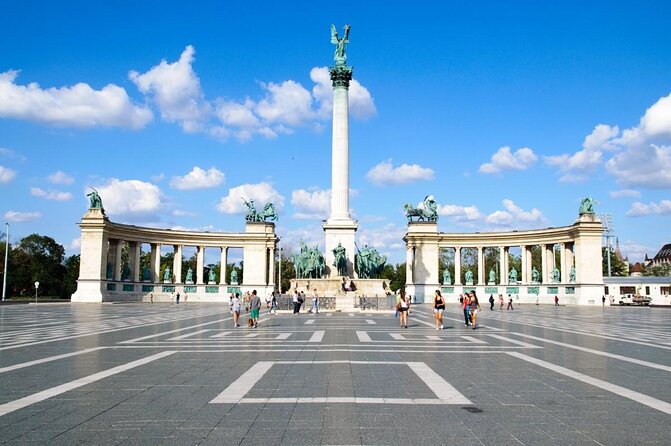
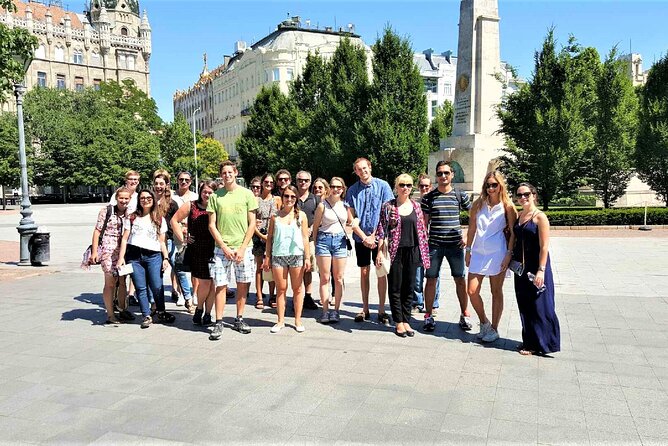
Then you’re on Andrássy Avenue, with a 30-minute window. The tour description guides you from the northern end of the square toward the southern end near Király u., and when you cross Király u., you’re in Budapest’s 7th district.
I like this section because it’s simple geography, explained in motion. You feel the neighborhood change rather than reading it off a map. And because the tour encourages a social environment, this is often where conversations start—between you and other people walking the route, and between you and the guide as you ask questions.
This is also the point where the Jewish-quarter perspective becomes more relevant. One of the review takeaways I’d treat seriously is that some guides may point out the Jewish ghetto area, and it’s important that the placement and details are correct. So if Jewish history accuracy matters to you, this is a great moment to ask follow-up questions and clarify what you’re seeing.
Timing note: 30 minutes on Andrássy Avenue can feel short if you stop often for photos. If you’re photo-heavy, just keep moving so you don’t end up rushing the rest of the route.




Stop 4: Színes Esernyök and the Colourful City street-art idea
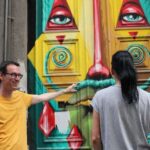
The final scheduled stop is Színes Esernyök, around 30 minutes. This is where the tour leans most clearly into the story of local works tied to Színes Város / Colourful City and the broader idea of Street Art Budapest.
What makes this stop valuable (even if you’re not a street-art superfan) is the concept: local art turns ordinary landmarks and side streets into something you want to remember. You’re not only seeing art as decoration; you’re seeing it as a way the city talks to itself—through color, messages, and visual identity.
The tour also frames this art “revolution” as what helped spark the street-art tour craze in Budapest. That context matters because it explains why people now seek out these routes in the first place. You can walk away understanding both the art and the reason the city has developed a street-art viewing culture.
One practical thought: this stop is a great time to slow down and look for how the artwork is placed. Street art works differently than museum art; placement is part of the work. You’ll get more from this final stop if you switch from photo mode to observation mode.
Price and value: what $25.20 buys you (and why it can be worth it)
At $25.20 per person, this tour sits in the lower-mid range for guided experiences in Budapest—especially given that you’re paying for a local guide and you’re not paying admissions at the stops. Each listed stop is free to enter/view, so your money mostly goes into interpretation and route design.
The other value element is the tip-friendly structure. The tour description notes that guides work for tips and that you choose your own price. That can be good for you because it encourages real engagement. If you ask questions and the guide responds well, you’re more likely to feel you got your money’s worth.
What’s not included: bottled water. That’s a small thing, but on a walking tour in summer—or just on a warm day—you’ll be glad you brought something.
Would I call this a must-book? If your priority is only famous monuments, no. But if you want an authentic slice of Budapest street culture in a short time, this price is easier to justify.
Who should book this tour (and who should be cautious)
I’d point you to this tour if you:
- enjoy street art and want to understand what you’re looking at
- like walking-based neighborhood tours in a city you might revisit
- want a Budapest experience that mixes alternative culture with the Jewish-quarter area context
- prefer a small number of focused stops over a long checklist
I’d be slightly cautious if:
- you expect highly detailed, perfectly sourced historical commentary at every step
- you’re very sensitive to accuracy (one past experience raised concerns about a guide’s placement of the Jewish ghetto)
- you’re the type who needs a long museum-style pacing (this is about walking and street-level viewing)
The good news: when a guide is strong, this style of tour is exactly where they can shine—connecting art, street geography, and neighborhood meaning quickly. And the social format can make it feel lighter, even when you’re talking about serious topics.
Quick practical tips so your walk feels good
Bring comfortable shoes. Street art tours are still walking tours, and you’ll want stable footing for photo stops.
Expect a weather dependency. The experience requires good weather, and if it gets canceled due to poor conditions, you’ll be offered a different date or a full refund. I’d still check the forecast the morning of.
If you care about the Jewish-quarter details, don’t be shy about asking direct questions. This isn’t a lecture you have to accept blindly; it’s a guided walk, and the tour’s value depends on the quality of explanation.
If you’re traveling with a phone-first crowd, decide early where you’ll stand when you stop. Lépcső Street Art and the Színes Esernyök area are the kinds of places where people cluster. You’ll get more if you plan for a quick photo moment and then move into viewing space.
Should you book this Original Budapest Alternative Street Art & Jewish Tour?
If you want Budapest by foot—with street art as the main language—this is a smart way to spend a morning. I like that it’s focused, short, and centered on districts that actually feel different as you cross streets. The combination of street-art stops and the Jewish-quarter framing makes it more than a pure art photo walk.
My main caution is guide consistency. The overall rating is strong, but a couple of experiences flagged training gaps and even incorrect placement of the Jewish ghetto area. That doesn’t mean the tour is bad. It means you should go in ready to interact—ask questions, check you understand what’s being pointed out, and adjust your expectations accordingly.
If you’re flexible, enjoy street-level culture, and want a guided way to connect neighborhoods to art, book it—and bring your walking shoes.
FAQ
How long is the tour?
The tour lasts about 3 hours.
Where does the tour start?
It starts at St. Stephen’s Basilica, Szent István tér 1, 1051 Hungary.
What time does the tour begin?
The start time is 11:00 am.
How much does the tour cost?
The price is listed as $25.20 per person.
What’s included in the tour price?
A local tour guide is included.
Are the stops free to enter?
The tour information lists Admission Ticket Free for each of the stops.
What is the cancellation policy?
You can cancel for a full refund if you cancel up to 24 hours in advance of the experience’s start time, and it requires good weather to operate.