REVIEW · DORSODURO
Venice: Private Accademia Gallery and Dorsoduro Guided Tour
Book on GetYourGuide →Operated by TUI Musement · Bookable on GetYourGuide
Venice can be a lot. One good way to cut through the noise is a private guide inside the Gallerie dell’Accademia. You’ll get focused time with the museum’s famous Venetian paintings—spanning centuries—and then shift gears to the artsy Dorsoduro sestiere outside, where Venice feels more local and less tour-bus.
I especially like how this tour is built for your eyes, not just your feet: the guide points you toward what to notice across styles (from Byzantine and Gothic through Renaissance masters like Bellini and Giorgione, plus later names such as Tiepolo, Canaletto, and Guardi). Another win is that it’s a true private setup, so your route and pace can match what you want most. One consideration: the tour window is only 2 hours, and the Vitruvian Man is only shown on rare occasions—so you should treat that as a bonus, not a guarantee.
In This Review
- Key takeaways before you go
- Why the Gallerie dell’Accademia works so well in Venice
- Your private guide at the Accademia: from Byzantine to Venetian Renaissance
- Bellini, Giorgione, Veronese, and Tiepolo: what to actually look for
- The Vitruvian Man: why rare access changes how you should plan
- Stop-by-stop: Accademia, then Dorsoduro squares and the Zattere area
- Stop 1-2: Gallerie dell’Accademia (main museum time)
- Stop 3-6: Dorsoduro on foot
- Time management in 2 hours: what you should expect to fit
- Price and value: is about $192 per person fair?
- Small rules that can change your day
- Who this private Accademia and Dorsoduro tour is best for
- Should you book this private Accademia Gallery and Dorsoduro tour?
Key takeaways before you go
- A private guide at the Accademia means you’re not stuck trying to interpret 800+ paintings by yourself
- Skip the ticket line helps you start the tour without losing time outside
- A clear art timeline runs from 14th- to 18th-century Venetian painting, with major names along the way
- Dorsoduro on foot connects the art to the neighborhood feel around Campo Santa Margherita and Campo San Barnaba
- Vitruvian Man is a rare chance, so plan your day to enjoy the collection even if you don’t see it
- Light travel matters: no large bags inside the museum
Why the Gallerie dell’Accademia works so well in Venice
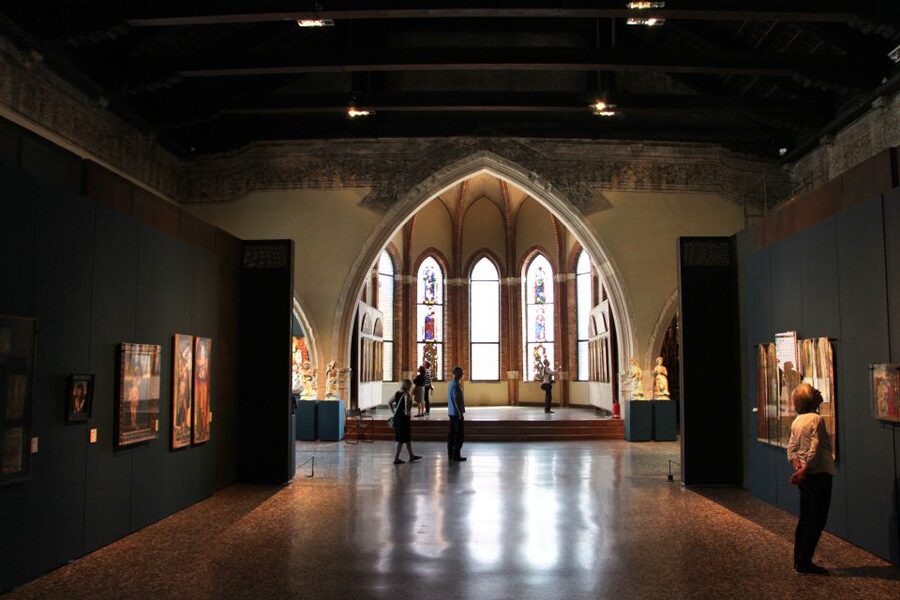
The Accademia Gallery is one of those places where Venice’s artistic story becomes readable. Other museums can feel like a warehouse of masterpieces. Here, you walk through a collection where Venetian painting changes in front of you—by style, by subject, and by the big shifts in European art from the 1300s onward.
What makes this tour especially practical is the pairing: museum time first, then the walk in Dorsoduro. After you’ve seen how painters built atmosphere, color, and composition, you’ll notice the neighborhood’s “camera-ready” corners more clearly—canals, squares, church facades, and the quieter edges of the city that don’t feel like a postcard factory.
Also, the tour is private, which matters more than people expect. In two hours, you want every minute to count. A guide can redirect you toward the few works that unlock the whole room, instead of letting you wander until your attention drifts.
Your private guide at the Accademia: from Byzantine to Venetian Renaissance
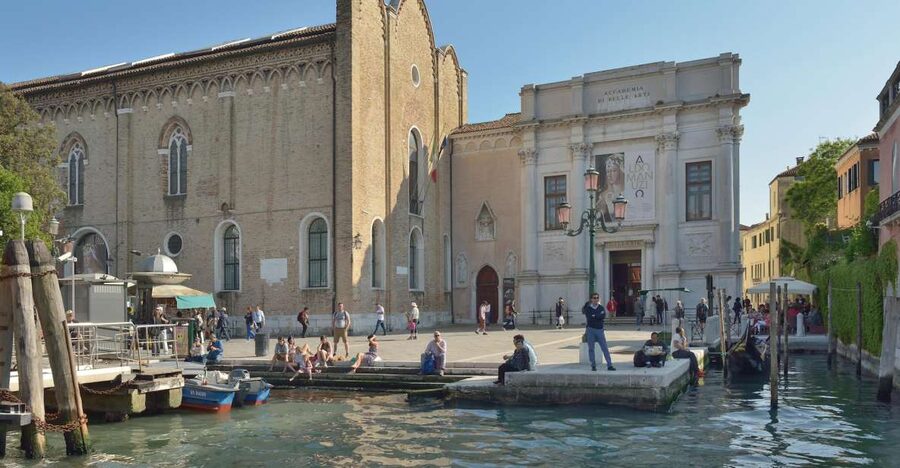
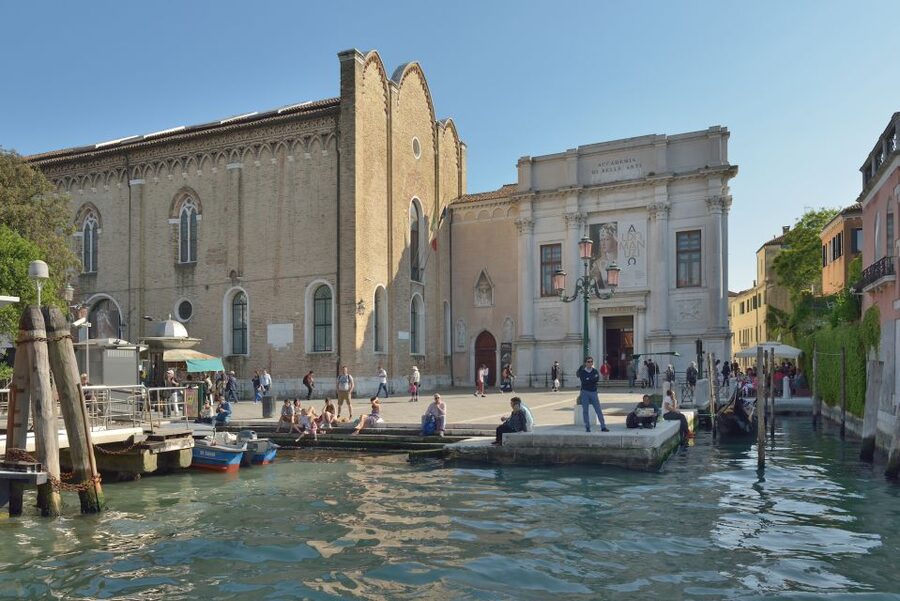
You start right at the main entrance of the Gallerie dell’Accademia. From there, you’re guided through the museum with a live instructor (available in Italian, English, French, Spanish, and German). This is one of the biggest advantages of a private format: the guide can translate art history into something you can actually see—composition, symbolism, and why certain artists matter.
Inside, the tour follows a broad sweep of Venetian painting. The collection moves from Byzantine and Gothic influences into periods where Renaissance artists start dominating the look and the storytelling. You’ll also come across the styles and themes associated with the 1600s, when painters focused heavily on outdoor views and city life—think artists such as Longhi, Canaletto, and Guardi.
If you love art but don’t want to study for weeks first, this structure helps. Instead of treating each painting like a random artifact, you learn to recognize the “rules” that changed over time. Even if you’re not a hardcore art nerd, it makes the gallery feel less overwhelming and more like a guided conversation.
One extra detail that shows up in feedback for this experience: you may meet guides who go beyond the museum. For example, Ilaria has been praised for helping with trip recommendations and even marking spots on a map. That kind of practical help is gold when you only have so many hours in Venice and want your walking time to pay off.
Bellini, Giorgione, Veronese, and Tiepolo: what to actually look for
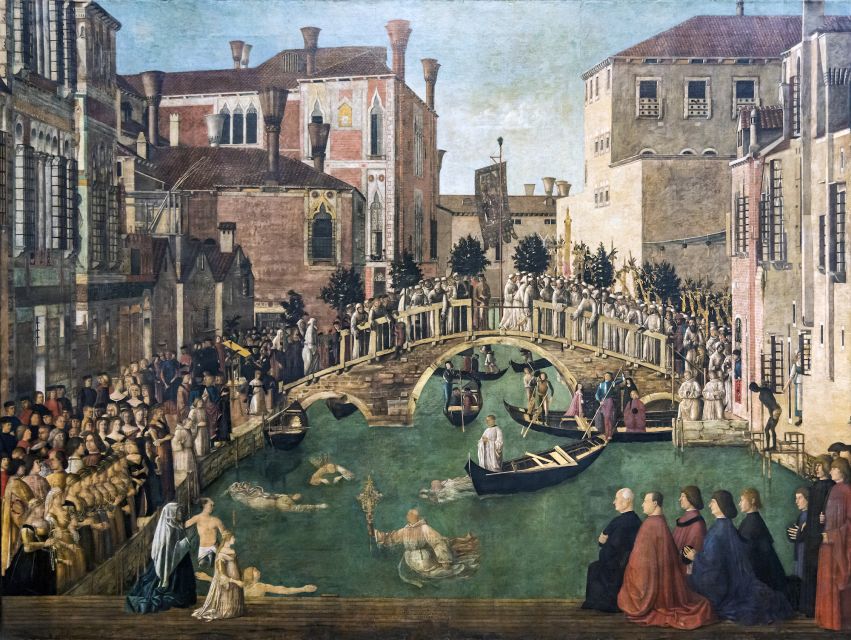
This tour is built around the artists people travel for. You’ll see major names including Bellini, Giorgione, Veronese, and Tiepolo, plus others like Tintoretto and Carpaccio. If you’re used to seeing these names only in books, the shift to seeing the works in person is where everything clicks.
Here’s what I recommend you do mentally while you’re there: don’t just ask what you’re looking at. Ask what changed from painting to painting.
- With Venetian Renaissance artists, pay attention to how the figures and light feel. The guide can point out what to notice so you’re not guessing.
- With later painters (including the 1600s “outdoor views” crowd), watch for how architecture and weather-like effects shape the scene. It’s not just scenic—it’s storytelling.
- When you move through earlier periods (Byzantine and Gothic), let the differences guide you. The point isn’t to rank them. It’s to see the evolution.
And yes—there’s a lot of art here. The highlights mention more than 800 paintings, so you won’t see every single work in two hours. Instead, the value is in learning where to focus. A good guide turns a huge collection into a short list of “anchor works” that explain the rest.
The Vitruvian Man: why rare access changes how you should plan
The tour notes a special possibility: you might be able to see the Vitruvian Man. Here’s the key detail you should hold onto: it’s exhibited only on rare occasions because of its inestimable value.
So plan like this:
- If you get to see it, great. Treat it as the cherry.
- If you don’t, you’re not losing the point of the tour. The main value is the Accademia collection itself—plus the follow-on walk through Dorsoduro.
This is also why a private guide helps on expectation-setting days. You’ll spend your time where the tour can reliably deliver: the gallery’s Venetian painting timeline, the big names, and the visual skills you pick up as you go.
Stop-by-stop: Accademia, then Dorsoduro squares and the Zattere area
The route after the museum is where the tour feels most like Venice the city, not Venice the museum.
Stop 1-2: Gallerie dell’Accademia (main museum time)
You meet outside the main entrance, then you go in for the guided visit. Expect the guide to steer you through the collection with a focus on the famous works and the periods they represent. This is the part of the experience that sets the framework for the rest.
Also: you’re allowed to take photos inside the museum, but no flash. That sounds small, but it keeps the museum experience respectful and usually means fewer awkward interruptions.
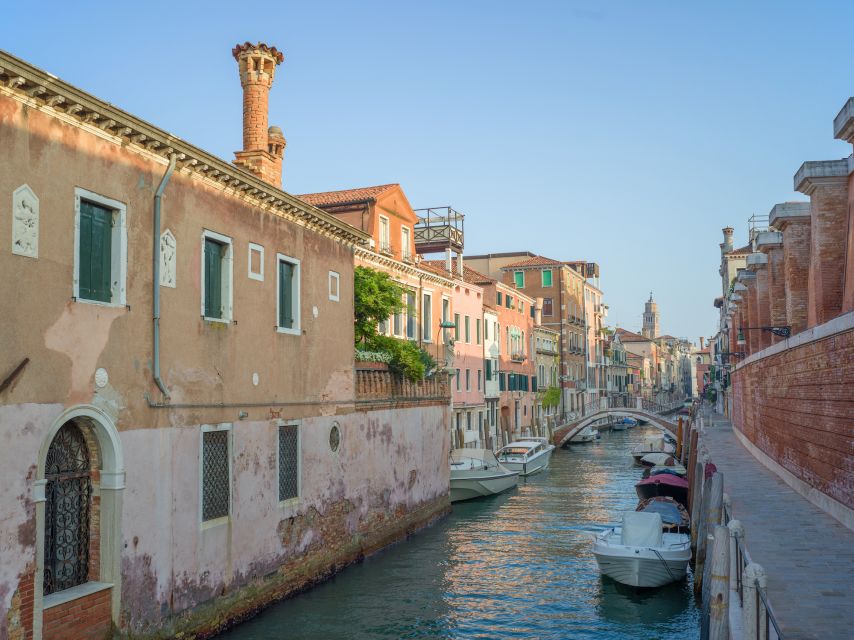
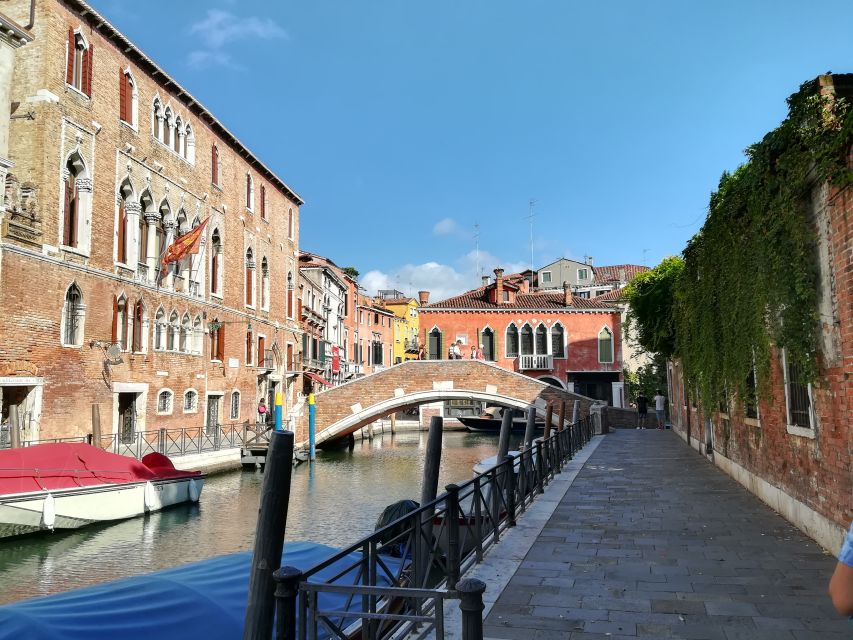
Stop 3-6: Dorsoduro on foot
After the paintings, you head to the Dorsoduro sestiere for a guided walk. The tour includes passing by or visiting several key points:
- Campo Santa Margherita: a lively square in the Dorsoduro area, a good place to reset and look around like a local
- Fondamenta Zattere and Alle Zattere: you’ll pass through the Zattere side, where the waterfront atmosphere can feel more open than some tighter parts of central Venice
- Campo San Barnaba: another Dorsoduro anchor, where the neighborhood vibe stays grounded
- Santa Maria della Salute: you’ll walk past it, which is a handy way to orient yourself in the wider map of Venice without turning this into a long sightseeing marathon
The art-to-neighborhood connection is real here. After seeing how painters portrayed places and people, you start to notice similar “compositions” outside—lines of buildings, reflections, and how squares work as social stages.
Time management in 2 hours: what you should expect to fit
Two hours is short. That’s not a complaint—this tour is built around smart compression.
Inside the Accademia, you’ll focus on the most important works and major artists rather than attempting a full museum sweep. The “more than 800 paintings” figure tells you why: it would take ages to see it all, and this tour isn’t meant to be that kind of marathon.
Then, you get the Dorsoduro walk to connect the dots. The quick passes by Santa Maria della Salute and the Zattere area keep you oriented, while the visits to squares like Campo Santa Margherita give you a real chance to feel the neighborhood’s rhythm.
Practical tip: if you want extra time for photos or a coffee after, plan to do it right after the tour ends back at the meeting point. This is a tour that gives you a strong hit of Venice art and streets. Then you can choose your next move.
Price and value: is about $192 per person fair?
At around $192.58 per person for a 2-hour private tour, you’re paying for three things:
- A private live guide (not an audio app, not a big group scrum)
- Entrance tickets to the Accademia Gallery
- A guided walk through Dorsoduro with the route designed around specific highlights
If you compare this to the cost of buying tickets alone plus hiring time with a guide, it starts to look more reasonable. You’re not just paying to enter a museum. You’re paying to make the museum make sense fast.
The real value is in attention. In a place with hundreds of works, a guide helps you see what matters and keeps you from turning your time into a random gallery circuit. And the Dorsoduro portion adds street-level value that many museum tours skip.
Small rules that can change your day
Venice museums have rules. This one has a few that matter for comfort:
- No luggage or large bags inside. If you’re bringing anything bulky, rethink it before you head over.
- No food inside the museum. Keep snacks for after.
- No flash photography. Normal camera use is fine without flash.
- Access is prohibited if your face is covered by anything that makes it difficult to recognize you.
- Small dogs are allowed only if kept in the special kennels.
None of these are unusual, but they’re the kind of things that can cause stress if you show up unprepared. Light bags and a calm approach win.
Who this private Accademia and Dorsoduro tour is best for
This tour is a great fit if:
- You want to see major Venetian artists with help spotting what to notice
- You like art but want a guide to translate it into real visual takeaways
- You want a mix of museum focus and neighborhood walking in a short window
- Your group prefers control over pace (private format)
It may be less ideal if:
- You need total freedom to roam without guidance
- You’re expecting to see every single work in the Accademia within two hours (you won’t, and the tour is honest about focusing on the important parts)
Should you book this private Accademia Gallery and Dorsoduro tour?
Book it if you want the best “bang for your eyes” in limited time. The Accademia collection is impressive on its own, but the private guide is what makes it feel coherent instead of chaotic. Add the Dorsoduro walk—Campo Santa Margherita, the Zattere area, and Campo San Barnaba—and you get a Venice day that’s more than just indoor sightseeing.
Skip it or adjust your expectations if you’re chasing a guaranteed Vitruvian Man sighting. That’s rare access, so let the museum and the neighborhood be the plan, not the lottery.
If you want a focused, well-paced way to see Venetian painting and then step into a calmer corner of Venice, this is a smart choice.