REVIEW · ROME
Rome: 3-Hour Private Golf Cart Tour with Culinary Tasting Included
Book on GetYourGuide →Operated by ROYAL TOURS ROME · Bookable on GetYourGuide
Rome, delivered door to door. What I like most is the hotel pickup and drop-off, so your first hour isn’t spent herding yourself through streets. And the experience tends to feel personal thanks to guides like Mauricio, who know how to turn famous monuments into a story you can actually follow.
The second big win for me is the food tasting component, often built around Roman classics such as gelato and a standout cappuccino. One thing to think about: some of the driving roads are cobblestone, so the ride can be a bit bumpy, especially if you have a sensitive back.
In This Review
- Key things that make this tour worth your time
- Why a private golf cart works so well in Rome
- Hotel pickup and the flow of a smooth 3-hour plan
- Campo de’ Fiori, Circus Maximus, and the Colosseum in quick guided hits
- From the Pantheon to St. Peter’s Basilica without losing the plot
- Lunch break at a local restaurant and a real Roman taste test
- Piazza Barberini, Piazza del Popolo, and the city-center photo loop
- Trevi Fountain, Villa Borghese views, and Sant’Ignazio’s quieter side
- Comfort, cobblestones, and who this tour suits best
- Price and value: is $47 per person a fair deal?
- Should you book this golf cart culinary tour?
- FAQ
- How much does the Rome golf cart tour with culinary tasting cost?
- How long is the tour?
- Is this tour private?
- Do you get hotel pickup and drop-off?
- What’s included in the food tasting?
- What sights are included during the 3-hour route?
- What languages are available for the live guide?
- Is the tour suitable for wheelchair users?
- What is the cancellation policy?
Key things that make this tour worth your time
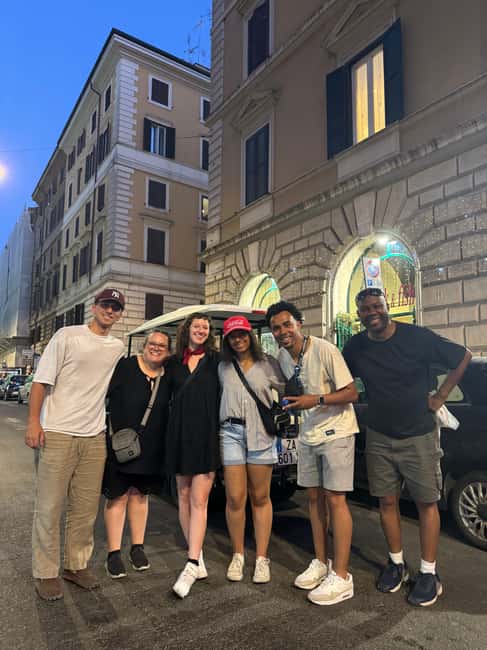
- Hotel pickup and drop-off: you start and end right at your hotel.
- A truly private golf cart: reserved just for your group, no mixing with strangers.
- Lots of landmarks in 3 hours: short guided stops keep the pace efficient.
- Roman culinary tasting included: you get a real taste break, not just a photo stop.
- Photos and water on board: small touches that help the trip feel easy.
- Built for many ages: couples, families, and seniors benefit from less walking.
Why a private golf cart works so well in Rome
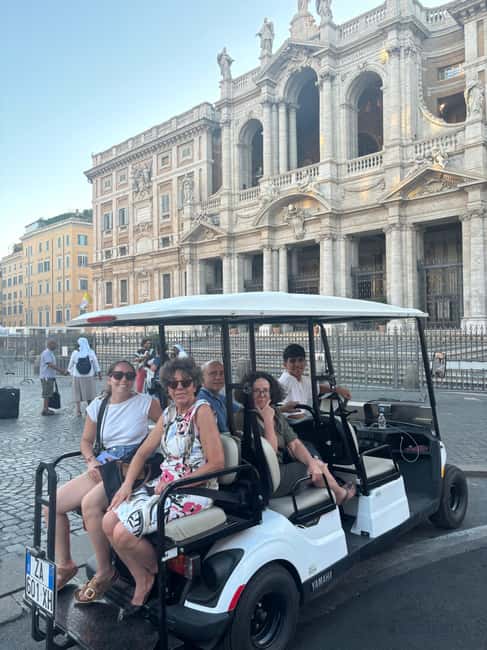
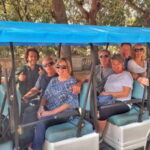
Rome looks like a postcard, but it can feel like a workout. This tour uses a comfortable golf cart to help you cover more ground without the nonstop walking and stair-hopping. The practical benefit is big: you can cross areas that are tough to reach on foot, including parts of the historic center where traffic rules limit normal vehicle access.
You also get the best kind of time-saving. Instead of spending your energy trying to navigate corners and figure out where to stand for photos, you can focus on the sights and listen to your guide connect them into one story. Think of it like a rapid orientation of Rome, done in a way that still feels human and conversational.
And because it’s private, the pace can match your group. Want to linger a minute longer for photos at the Trevi Fountain? Your guide can usually work with that. Want to keep things moving because you’re on a tight schedule? You can do that too. It’s less like a checklist and more like a tailored sightseeing loop.
You can also read our reviews of more food & drink experiences in Rome
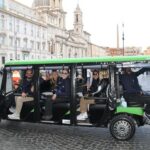


Hotel pickup and the flow of a smooth 3-hour plan
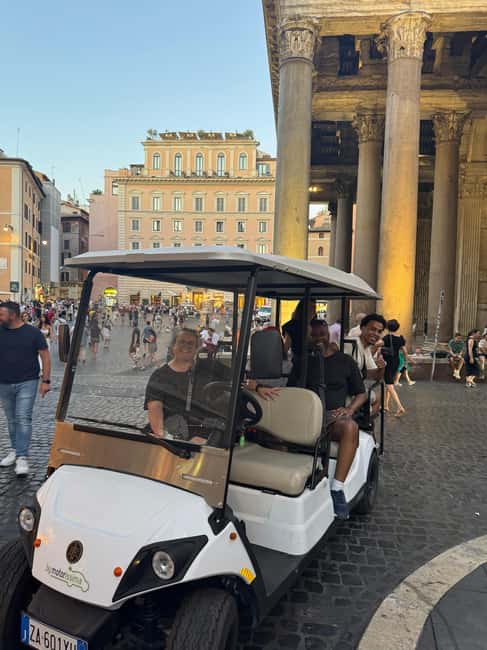
This is the kind of tour that starts working before you even leave your hotel. The driver picks you up and drops you back right at your accommodation, and the driver calls about five minutes before arrival. That matters in Rome, where finding the right meeting point can be its own small adventure.
The timing is built around short guided moments at each stop—about 10 minutes per main highlight—plus a longer tasting break at a local restaurant. In three hours, that structure helps you see a lot while still getting a real guide explanation at each place. It also means you don’t waste your trip time standing around waiting for people to reassemble.
One more small comfort detail: water is included, and photos are included too. You’re not left fiddling with a phone every time someone wants a picture. That’s especially useful for families and couples who want more than one good photo without crowding the moment.
Campo de’ Fiori, Circus Maximus, and the Colosseum in quick guided hits
Your tour flow makes smart choices. It starts you in the center with places that set the tone for what Rome really was: markets, public spaces, and power.
Campo de’ Fiori is a great opening because it immediately feels Roman in daily life. Your guide typically gives you just enough context to understand what you’re seeing—then you’re moving, so you don’t get stuck in the “look but don’t know” problem that happens on self-guided trips.
Next comes Circus Maximus, another stop that benefits from a guide. On your own, it can feel like a wide stretch of ancient memory with not much to connect it to. With a guide, it becomes easier to picture the kind of events that once ran through this space.
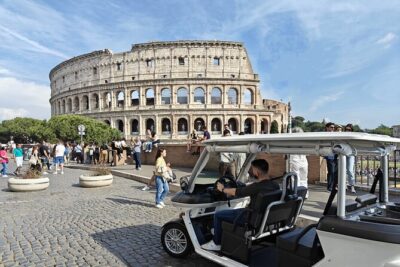
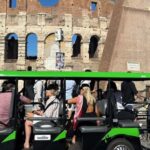
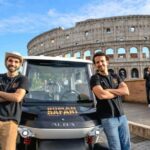
Then you reach the Colosseum, one of the easiest places to get wrong if you’re rushing. Even in a quick 10-minute stop, you’ll get the big picture and the visual anchors that help you appreciate what you’re actually looking at. Guides like Leonardo and Ruben (names that show up a lot in guest feedback) tend to add stories that make the structure feel less like a monument and more like a machine built for spectacle.
From the Pantheon to St. Peter’s Basilica without losing the plot
After the ancient power stops, the tour shifts into Rome’s spiritual and architectural wow factor. The Pantheon is usually one of the most satisfying quick stops because it’s so visually strong that you can still enjoy it even with limited time. The dome, the scale, and the details are hard to forget. A good guide helps you notice what matters instead of staring vaguely upward.
Then you move on to St. Peter’s Basilica. This stop is more than just seeing a landmark. It’s about getting oriented in the Vatican area and understanding what you’re looking at as you approach and pass through. Even when the time is short, your guide can point out the key impressions that help you make sense of it all.
What I like here is the pacing. Instead of trying to do the Pantheon and Vatican on foot and burning most of your energy in between, the cart keeps you moving. You still get guided context at each place, which is the difference between a drive-by and a meaningful stop.
Lunch break at a local restaurant and a real Roman taste test
The culinary part isn’t an afterthought. You stop at a local restaurant for about 25 minutes for food and tasting. The exact menu isn’t spelled out here, but multiple guide-led experiences are described as centering on Roman favorites like gelato and cappuccino.
This is one of those “small time, big payoff” moments. A lot of Rome tours try to sell food as a bonus. Here, you get a dedicated break that doesn’t derail the whole route. You can rest your legs, reset your attention, and then keep sight-seeing with energy.
Also, a tasting moment helps you slow down in a city that often makes you rush. It gives you something sensory and simple while everything else is marble and monument.
If you’re choosing a tour on value, this tasting component matters. It’s not only about sights; it’s about experiencing Rome as locals do between visiting and wandering.
You can also read our reviews of more private tours in Rome
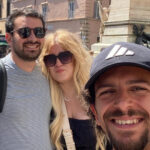
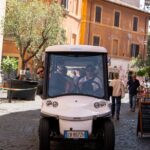

Piazza Barberini, Piazza del Popolo, and the city-center photo loop
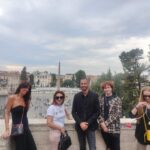
The middle portion of the tour is basically Rome’s greatest hits in a tight loop of public squares. Piazza Barberini and Piazza del Popolo are the kind of places where you can feel different eras rubbing shoulders. With a guide, you’re not just walking through space—you’re learning why these areas matter and how they connect to the city’s identity.
Then you pass through or stop near Piazza della Repubblica and Piazza di Spagna. These spots are all about geometry, views, and atmosphere. Without context, they can blur together. With a guide, you notice the details that make each square feel like its own chapter.
One of the most fun moments often comes next: Piazza Navona. It’s lively in a way that still feels grounded in old Rome, and it’s easy to take photos here without needing perfect timing. The tour keeps it short enough that you don’t feel trapped, but long enough that you still absorb the vibe.
This part of the tour works especially well for couples and first-timers because it covers a lot of ground while staying light on logistics. You can focus on “What am I seeing?” instead of “How do I get there?”
Trevi Fountain, Villa Borghese views, and Sant’Ignazio’s quieter side
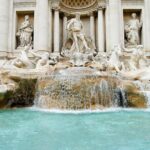
Then comes Trevi Fountain, the stop everyone expects. But the difference with a guided cart tour is that you’re not only arriving at the end result. You’re getting your bearings as you approach, plus you’re moving at a pace that makes the experience feel smoother than a long scramble on foot.
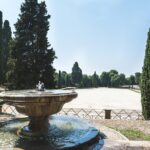
After Trevi, you head toward Villa Borghese, where the viewpoint energy shifts. Even without extra time for full walks inside the park area, you get those elevated views that help Rome feel big and layered. It’s the kind of stop that makes the whole tour click, because you finally see the city’s scale.
Finally, there’s Sant’Ignazio di Loyola, a church stop that adds contrast. Churches are often treated as checkpoints, but a quick guide stop here can help you appreciate why this kind of site matters beyond the exterior. It gives the tour variety and keeps it from feeling like only outdoor sightseeing.
Between the fountains, squares, and churches, this last stretch is a strong finish. You leave with images in your head, not just names.
Comfort, cobblestones, and who this tour suits best
A golf cart sounds smooth on paper. In practice, Rome still has cobblestones. One common caution from feedback is that the ride can be bumpy because of those stone streets. If you have a sensitive back, plan for discomfort. It doesn’t mean you can’t do the tour, but it does mean you should go in with clear expectations.
The tour is also not suitable for wheelchair users. That’s an important factor for anyone who needs step-free access and a fully accessible route.
On the positive side, the tour’s design helps people who want to see more without the strain: seniors who don’t want long walks, families with kids, and anyone who wants a “first overview” day without losing half the time to navigation. It’s also a good idea if you already saw a couple big sites and want the rest of the center connected into one plan.
Safety-wise, your guide is part of the deal, and multiple experiences highlight how guides help everyone feel comfortable and secure throughout the ride and stops.
Price and value: is $47 per person a fair deal?
At $47 per person for 3 hours, this tour offers a lot of what you’d normally pay for separately: a private guide, a dedicated driver, vehicle transport in the historic center, and a food tasting plus water and photos.
Here’s the value math I think you should do: if you’re paying for a private guide anyway, the golf cart is what turns that guide time into maximum sightseeing per hour. Without the cart, you’d either walk far more (tiring yourself out) or you’d see fewer places. This format is about squeezing in the highlights without making you suffer for them.
Also, the route structure matters. Short guided stops keep you learning while still staying efficient. That means your money buys both movement and context, not just transportation.
So for first-timers, people with limited time, and groups that want comfort, it usually feels like solid value. For travelers who want deep, slow experiences at one site only, this kind of tour might feel fast. It’s best as a “get oriented and taste Rome” outing.
Should you book this golf cart culinary tour?
If your goal is to see a lot of Rome quickly without the stress of crowds, navigation, and long walks, this is a strong pick. The hotel pickup/drop-off is the kind of convenience you notice immediately, and the mix of major sights with a dedicated tasting break keeps the tour from feeling like a drive-through.
I’d book it if you’re:
- visiting Rome for the first time and want a fast overview
- traveling with kids, seniors, or anyone who dislikes long walking days
- short on time and want a guided route through the center
- excited about gelato/cappuccino-style tastings as part of the experience
I’d think twice if:
- you rely on wheelchair-friendly access
- cobblestone rides are a hard no for your comfort
If you’re on the fence, treat this as your orientation day. Then you can come back later and slow down where you personally want more time.
FAQ
How much does the Rome golf cart tour with culinary tasting cost?
The price is $47 per person.
How long is the tour?
The tour lasts 3 hours.
Is this tour private?
Yes. It’s a private group, and your golf cart is reserved just for your group.
Do you get hotel pickup and drop-off?
Yes. Hotel pick-up and drop-off are included.
What’s included in the food tasting?
The experience includes local food tasting. Based on described tastings, gelato and cappuccino have been part of the tasting.
What sights are included during the 3-hour route?
Stops include Campo de’ Fiori, Circus Maximus, the Colosseum, the Pantheon, St. Peter’s Basilica, Piazza Barberini, Piazza del Popolo, Piazza della Repubblica, Piazza di Spagna, Piazza Navona, Trevi Fountain, Villa Borghese, and the Church of Sant’Ignazio di Loyola.
What languages are available for the live guide?
The live tour guide is available in English, Italian, and Spanish.
Is the tour suitable for wheelchair users?
No. It is not suitable for wheelchair users.
What is the cancellation policy?
You can cancel up to 24 hours in advance for a full refund.